
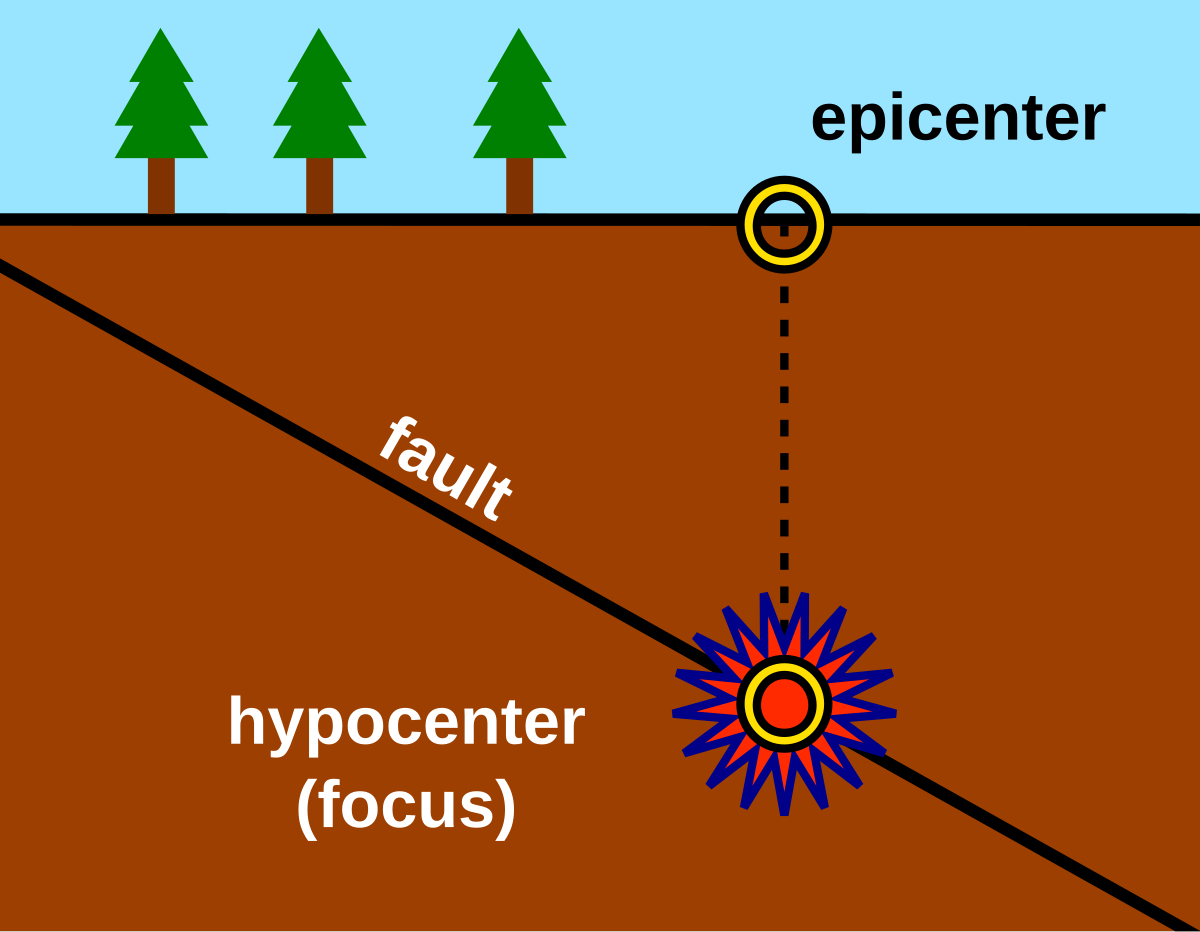
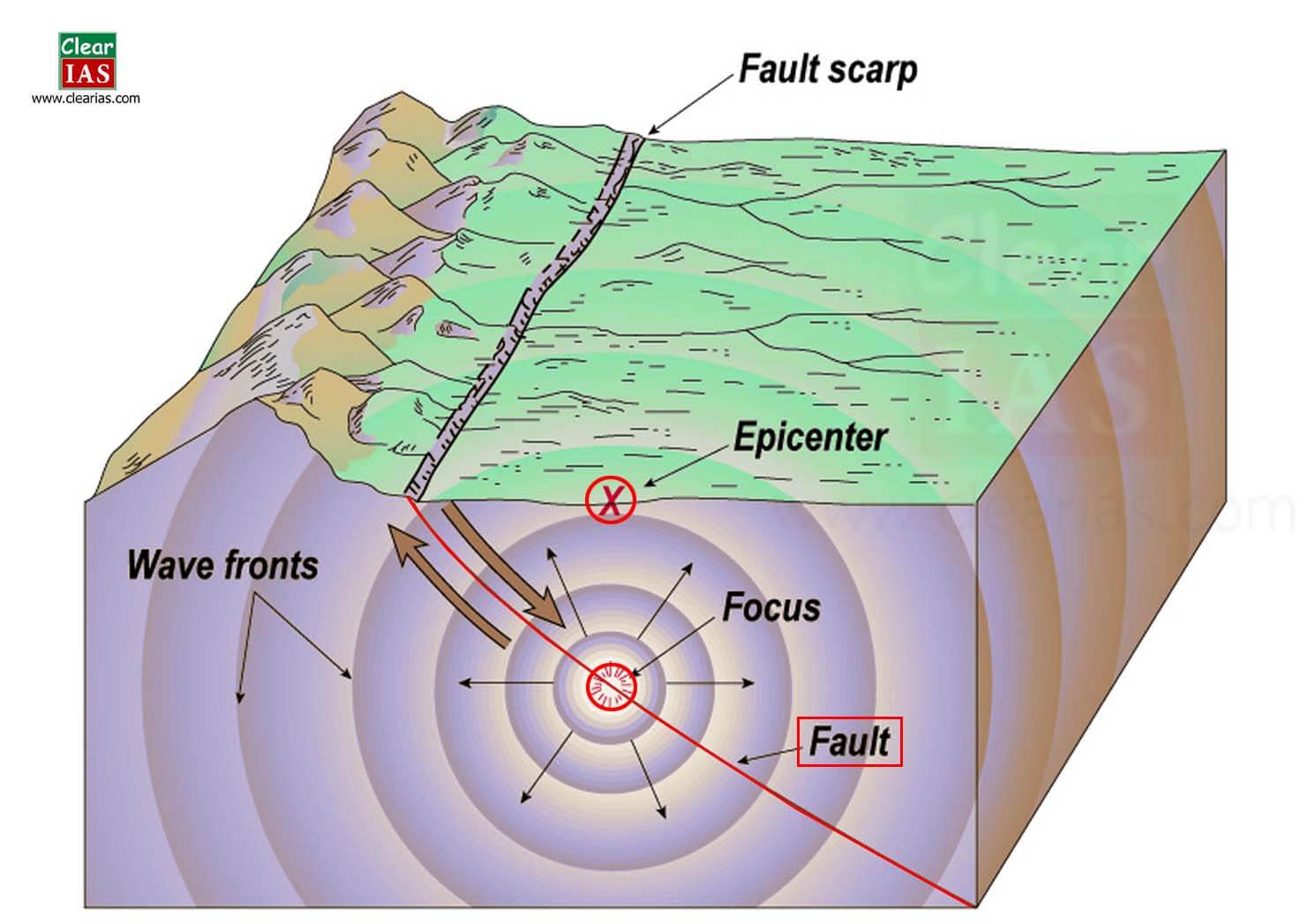
In the realm of geology, the epicentre of an earthquake represents the point on the Earth’s surface directly above the focus, or hypocenter, where the seismic rupture begins. It is the location of maximum intensity, the place where the world first feels the violent shift of tectonic plates. In the modern landscape of technology, this concept serves as a powerful metaphor for the systemic disruptions, security breaches, and transformative shifts that redefine our digital world.
When we ask “what is the epicentre of an earthquake” in a technological context, we are looking for the point of origin for systemic failure or revolutionary change. Just as seismologists study vibrations to map the earth’s movements, IT architects and cybersecurity experts must study data flows and system logs to identify the “digital epicentre” of a crisis. Understanding this core is essential for building resilient software, protecting sensitive data, and navigating the volatile “tectonic shifts” of the tech industry.
1. Defining the Epicentre in a Hyper-Connected Ecosystem
In the tech niche, an “earthquake” is rarely a physical event; it is a logical one. Whether it is a massive cloud outage, a global ransomware attack, or the sudden obsolescence of a programming language due to AI, these events have a clear point of origin. Identifying the epicentre is the first step in any root-cause analysis (RCA).
From Seismology to Software: The Metaphor of the Origin Point
In software engineering, the epicentre of a system failure is often a single line of legacy code or a misconfigured API. While the “shaking” (the symptoms) might be felt by users across the globe in the form of slow load times or 404 errors, the epicentre remains localized within a specific microservice or data center. Engineers act as digital seismologists, using monitoring tools to trace the “vibrations” back to the source. Understanding the epicentre allows teams to contain the damage, preventing a localized tremor from becoming a catastrophic global collapse.
Identifying the “Focus” vs. the “Epicentre” in Data Breaches
In cybersecurity, we distinguish between the “Focus” (the initial vulnerability) and the “Epicentre” (the point where the breach impacts the organization’s integrity). If a phishing email is the focus—the hidden spark—the epicentre is the compromised administrative account that grants access to the central database. By identifying the epicentre of a breach, security teams can implement “seismic isolation” techniques, such as segmenting networks, to ensure that the shockwaves of a hack do not compromise the entire enterprise.
2. The Tectonic Shifts of Modern Tech Infrastructure
Just as the Earth’s crust is composed of moving plates, the global tech stack is built upon layers of infrastructure that are constantly in motion. When these layers—cloud computing, edge networks, and local hardware—clash or shift, they create technological earthquakes that can reshape entire industries.
Legacy Systems as Digital Fault Lines
Most large-scale technological disasters occur along “fault lines” where modern cloud applications interface with aging legacy systems. These legacy systems are often brittle and unable to handle the high-velocity data throughput required by today’s AI-driven applications. When a legacy database fails to sync with a modern frontend, the resulting “seismic” event can shut down banking systems or healthcare portals. In this scenario, the epicentre of the earthquake is the outdated middleware that acts as the friction point between the old world and the new.
The Pressure of Rapid Scaling and Cloud Latency
Technology “earthquakes” are also caused by the immense pressure of rapid user acquisition. When a platform goes viral, the sudden influx of traffic creates a surge of demand that can overwhelm server capacity. The epicentre of this disruption is usually the load balancer or the primary database shard that cannot scale horizontally. For tech leaders, recognizing these pressure points is crucial. Moving toward serverless architectures and distributed computing acts as a form of “geological stabilization,” spreading the load so that no single point becomes a catastrophic epicentre of failure.

3. Crisis Management: Detecting the Vibration Before the Quake
In geology, early warning systems can give people seconds or minutes to seek cover. In technology, we have developed sophisticated “digital seismographs” designed to detect the anomalies that precede a major system collapse or security event.
AI-Driven Early Warning Systems
The integration of Artificial Intelligence and Machine Learning has revolutionized how we detect the epicentre of potential tech crises. AIOps (Artificial Intelligence for IT Operations) platforms analyze trillions of data points in real-time to identify “micro-tremors”—minor fluctuations in latency or unusual login patterns—that suggest an earthquake is imminent. By identifying the epicentre before the main shock hits, companies can automate failover protocols, rerouting traffic to healthy nodes and maintaining uptime even as the core system experiences a “rupture.”
Real-Time Monitoring and Log Analysis
The “log” is the fossil record of the tech world. When a system crashes, the logs provide the data necessary to map the epicentre. Modern observability tools allow developers to visualize the propagation of an error through a complex web of microservices. This visualization is remarkably similar to a seismic heat map. By pinpointing exactly which service served as the epicentre of the latency, developers can apply “patches” that act as structural reinforcements, ensuring that the same fault line doesn’t cause a future disaster.
4. Building Resilience: Seismic Retrofitting for the Digital Age
If we accept that technological earthquakes are inevitable, the focus must shift from prevention to resilience. In the tech industry, this is known as “fault tolerance”—the ability of a system to continue operating even when its epicentre is compromised.
Decentralization as a Disaster Mitigation Strategy
The most significant trend in building “earthquake-proof” technology is decentralization. Centralized systems have a single, massive epicentre of failure; if the central server goes down, the entire network dies. Blockchain technology and Peer-to-Peer (P2P) networks distribute the “weight” of the system across thousands of nodes. In a decentralized network, there is no single epicentre. Even if dozens of nodes fail simultaneously, the rest of the network remains stable. This is the ultimate form of digital seismic retrofitting.
The Zero-Trust Architecture: Hardening the Core
In traditional security, the “perimeter” was the primary defense. However, in a world of remote work and cloud services, the perimeter has vanished. The new standard is Zero-Trust Architecture, which treats every access request as if it originates from an uncertain epicentre. By requiring constant verification and employing the principle of least privilege, organizations ensure that even if a “quake” occurs within their network, the damage is localized. The epicentre of the attack is contained within a small, isolated sandbox, protecting the organization’s most valuable digital assets.
The Future of the Digital Epicentre
As we look toward the future of technology—dominated by Quantum Computing, the Internet of Things (IoT), and Generative AI—the nature of the “epicentre” will continue to evolve. We are moving toward a world where the speed of technological change is so high that “shocks” occur daily.
Understanding what constitutes the epicentre of an earthquake in your specific tech stack is no longer a luxury for specialists; it is a foundational requirement for any digital enterprise. By identifying fault lines in legacy code, utilizing AI for early detection, and embracing decentralized architectures, we can build a digital world that doesn’t just survive the next “big one” but thrives in the face of constant motion.
In the end, the epicentre is not just a point of destruction; it is a point of data. It tells us where we are weak, where we are strong, and where the next great shift in the technological landscape will begin. Whether you are a software developer, a cybersecurity analyst, or a tech entrepreneur, your ability to locate and stabilize the epicentre will determine your success in an increasingly volatile digital era.
aViewFromTheCave is a participant in the Amazon Services LLC Associates Program, an affiliate advertising program designed to provide a means for sites to earn advertising fees by advertising and linking to Amazon.com. Amazon, the Amazon logo, AmazonSupply, and the AmazonSupply logo are trademarks of Amazon.com, Inc. or its affiliates. As an Amazon Associate we earn affiliate commissions from qualifying purchases.