
In the intricate world of food manufacturing and culinary arts, ingredients are more than just raw materials; they are the building blocks of brand identity, product consistency, and consumer trust. Among these, shortening stands out as a deceptively simple yet profoundly influential component. While its primary function is rooted in the kitchen – specifically, in cooking and baking – its characteristics and capabilities play a pivotal role in the strategic decisions, marketing narratives, and financial viability of countless food brands. To truly grasp the strategic importance of shortening, one must first understand its fundamental nature and then explore how these inherent properties are leveraged to sculpt brand success.

Understanding Shortening: The Core of Culinary Consistency and Brand Reputation
At its heart, shortening is a fat, typically derived from vegetable oils, that is solid at room temperature. Its name itself, “shortening,” offers a clue to its primary function: to “shorten” gluten strands in baked goods, resulting in a tender, crumbly, or flaky texture. But beyond this functional definition, shortening offers a suite of properties that are invaluable from a brand perspective, enabling product differentiation and ensuring a consistent consumer experience.
Defining Shortening Beyond the Label: Composition and Functional Impact
Unlike butter or margarine, which contain water and milk solids, traditional shortening is composed almost entirely of fat – typically 100%. This purity is usually achieved through a process called hydrogenation, which converts liquid vegetable oils into a solid or semi-solid state. Modern formulations, however, increasingly prioritize non-hydrogenated or interesterified fats to address health concerns surrounding trans fats, yet they aim to replicate the functional benefits.
Functionally, shortening excels due to its high melting point and “plastic range.” The plastic range refers to the temperature span over which fat remains workable without becoming too soft or too hard. This property is crucial for creaming (incorporating air into doughs for leavening) and for creating laminated doughs (like puff pastry) where distinct layers of fat and dough are maintained. For a brand, this means reliability: a product made with shortening can consistently achieve a desired texture and structure, batch after batch, ensuring that the brand promise of quality is always met. Imagine a cookie brand whose signature crisp-chewy texture varied wildly between production runs – consumer loyalty would quickly erode. Shortening minimizes such variability.
The Chemical Edge: Why Shortening Delivers Unique Properties for Branding
The distinct chemical makeup of shortening confers several advantages that directly impact a food brand’s ability to create, market, and sustain popular products. Its lack of water means it won’t contribute to gluten development in the way that water-containing fats might, thereby maximizing tenderness. This is critical for brands specializing in delicate cakes, biscuits, and pastries where a light, tender crumb is paramount.
Furthermore, shortening’s unique crystalline structure allows it to entrap air exceptionally well during creaming, contributing to a lighter texture and increased volume in baked goods. This aeration capability is a key differentiator for products like frostings and certain types of bread, where a fluffy, airy consistency defines the product’s appeal and, by extension, the brand’s unique offering. The stability of these trapped air cells ensures that the final product maintains its structure, a non-negotiable for products that need to withstand handling and transport while maintaining their brand-specific aesthetic.
Shortening’s Strategic Role in Food Branding and Product Identity
For food brands, shortening is not merely an ingredient; it’s a strategic asset. Its properties allow brands to achieve specific product attributes that become synonymous with their identity, fostering consumer recognition and loyalty. From ensuring a consistent bite to extending shelf presence, shortening plays a quiet but powerful role in shaping a brand’s market position.
Crafting Signature Textures: A Brand’s Competitive Edge
Think of the perfect flaky pie crust, the crumbly richness of a shortbread cookie, or the tender lightness of a commercially produced cake. These signature textures are often the result of shortening’s unique ability to inhibit gluten formation and create pockets of steam during baking. For brands operating in competitive categories like bakery items, achieving a consistent, superior texture is a powerful differentiator. A brand known for “the flakiest crust” or “the melt-in-your-mouth cookie” leverages shortening’s properties to deliver on this promise repeatedly. This consistency isn’t just about taste; it’s about a tactile experience that becomes part of the brand’s identity and a reason for repeat purchase. Without it, brand perception suffers, regardless of flavor.
Shelf-Life and Stability: Extending Brand Reach and Consumer Trust
One of shortening’s most significant advantages, particularly for mass-produced food items, is its exceptional oxidative stability. Unlike butter, which can be prone to rancidity due to its water content and dairy solids, vegetable-based shortenings are often formulated to resist oxidation. This translates directly into a longer shelf life for finished products. For brands, an extended shelf life means broader distribution capabilities, reduced waste, and the ability to reach more consumers without compromising product quality.
From a brand trust perspective, products that consistently taste fresh and maintain their intended texture throughout their shelf life reinforce the brand’s commitment to quality. No brand wants consumers to experience a stale or off-flavored product before its expiration date. Shortening helps mitigate these risks, supporting a brand’s promise of freshness and enhancing overall consumer confidence, which is vital for long-term loyalty and positive word-of-mouth.

Cost-Efficiency and Scalability: Fueling Business Growth and Market Penetration
The economics of food production are critical for brand success. Shortening often presents a more cost-effective alternative to other fats like butter, especially at scale. This cost advantage allows brands to produce high-quality products at a more accessible price point for consumers, facilitating wider market penetration and increasing sales volume. For brands targeting mass markets or those operating on tight margins, the ability to control ingredient costs without sacrificing performance is a key strategic advantage.
Furthermore, shortening’s consistent performance and relative ease of handling in industrial settings contribute to operational efficiency. Its solid form makes it easier to measure and incorporate into automated production lines compared to liquid oils or temperamental solid fats. This scalability ensures that a brand can maintain uniform product quality across vast production volumes, supporting growth strategies and allowing the brand to meet surging consumer demand without compromising the integrity of its signature products.
Marketing Shortening: Communicating Value to Consumers and Industry
The way shortening is marketed, both as a standalone ingredient and as a component within finished goods, highlights its diverse appeal to different segments. Brands selling shortening as a product must craft messaging that resonates with home bakers and industrial clients alike, emphasizing different facets of its value proposition.
The Evolution of Shortening Branding: From Commodity to Culinary Staple
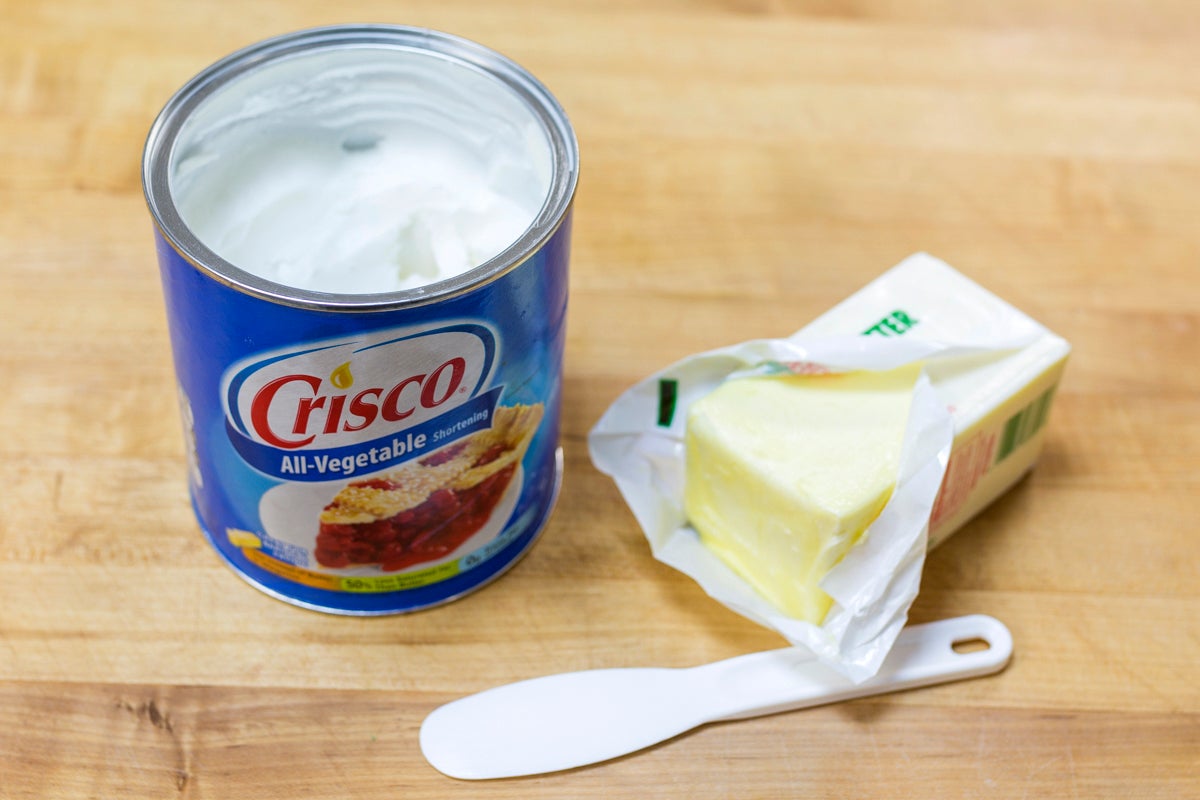
Early shortening brands, like Crisco, revolutionized home baking in the early 20th century, positioning themselves as modern, hygienic alternatives to lard. Their marketing focused on consistency, purity, and ease of use, effectively transforming a novel industrial product into a household staple. Today, shortening brands continue to evolve their messaging, adapting to consumer trends. The shift away from trans fats, for example, prompted a significant re-branding effort across the industry, with companies emphasizing “0g Trans Fat” or “all-vegetable” formulations to align with health-conscious consumers. This demonstrates a brand’s agility in adapting its core product to changing market demands while retaining its fundamental functional benefits. Brands now highlight sustainability credentials, sourcing transparency (e.g., sustainable palm oil), and even niche applications like plant-based alternatives, expanding their identity beyond mere functionality.
Messaging for Home Bakers vs. Industrial Clients
The marketing narrative for shortening varies significantly depending on the target audience. For home bakers, brands often focus on convenience, reliability, and the promise of perfect results – “flakier crusts every time,” “tastier cookies,” or “smoother frostings.” Recipe suggestions and aspirational imagery are common tools, linking the product to positive, comforting baking experiences. The brand aims to be a trusted partner in the home kitchen.
For industrial clients (e.g., bakeries, snack manufacturers), the marketing shifts to performance, technical specifications, and supply chain reliability. Brands emphasize specific melt points, plastic ranges, aeration capabilities, shelf-life extension properties, and cost-effectiveness. The messaging is about how shortening can solve production challenges, improve product quality at scale, and contribute to the client’s bottom line. Technical support, customizable formulations, and consistent supply are key brand promises for these B2B relationships, positioning the shortening brand as an indispensable partner in industrial food production.
Modern Perspectives and Future Brand Considerations
The landscape of food consumption and production is in constant flux, driven by evolving health awareness, ethical considerations, and environmental concerns. Shortening brands, and the brands that utilize them, must continually adapt their strategies to remain relevant and competitive.
Health Trends and Brand Adaptation: Navigating Consumer Demands
The scrutiny around trans fats in the late 20th and early 21st centuries presented a major challenge and opportunity for shortening brands. Those that successfully reformulated and communicated their “trans fat-free” status were able to maintain and even grow their market share. This case study underscores the importance of a brand’s responsiveness to health trends. Today, the focus is shifting towards “clean labels,” non-GMO ingredients, and reducing saturated fats. Brands must innovate their shortening formulations and be transparent about their ingredients to appeal to increasingly health-conscious consumers. The ability to offer “better-for-you” shortening options, without sacrificing performance, is a significant differentiator and a strong brand builder.
Sustainability and Sourcing: A Growing Brand Imperative
Beyond health, the ethical and environmental impact of ingredients is a burgeoning area of consumer concern. Palm oil, a common component in many shortenings, has faced criticism regarding deforestation and unsustainable farming practices. Brands utilizing or producing shortening must address these concerns proactively. This involves investing in sustainable sourcing initiatives (e.g., RSPO certified palm oil), exploring alternative fat sources, and clearly communicating their commitment to environmental stewardship. For a brand, aligning with sustainable practices is no longer just a marketing ploy; it’s becoming a fundamental expectation that influences consumer choice and brand perception. Brands that lead in sustainable sourcing can build a powerful narrative around responsibility and ethics, enhancing their corporate identity and attracting a segment of consumers who prioritize these values.
In conclusion, shortening for cooking is far more than a simple culinary fat. Its intrinsic properties—from texture creation and shelf-life extension to cost-efficiency and stability—are strategically leveraged by food brands to define their product identity, ensure consistent quality, expand market reach, and build consumer trust. As the food industry continues to evolve, the brands that understand and adapt their use and marketing of shortening will be best positioned to thrive in an increasingly discerning market.
aViewFromTheCave is a participant in the Amazon Services LLC Associates Program, an affiliate advertising program designed to provide a means for sites to earn advertising fees by advertising and linking to Amazon.com. Amazon, the Amazon logo, AmazonSupply, and the AmazonSupply logo are trademarks of Amazon.com, Inc. or its affiliates. As an Amazon Associate we earn affiliate commissions from qualifying purchases.