
Parenteral nutrition (PN) represents a critical medical intervention, providing essential nutrients directly into a patient’s bloodstream, bypassing the digestive system entirely. It’s a lifeline for individuals whose gastrointestinal tract is unable to absorb or process food effectively, often due to severe illness, surgery, or chronic conditions. While the fundamental concept of intravenous feeding has roots in the 17th century, the sophisticated, safe, and effective parenteral nutrition we know today is a testament to relentless technological advancement. Modern PN isn’t just about delivering fluids; it’s a complex, highly individualized therapy that relies on cutting-edge hardware, intricate software, and robust digital infrastructure to ensure patient safety, optimize outcomes, and continuously adapt to evolving medical needs. Understanding “what is parenteral nutrition” in the 21st century inevitably leads to an exploration of the technological innovations that define its practice, from smart pumps and automated compounding systems to AI-powered diagnostics and secure data management. It’s a field where technology isn’t merely an adjunct but the very foundation upon which life-sustaining care is built, transforming a desperate measure into a precise, targeted, and often long-term solution.
The Technological Backbone of Parenteral Nutrition Delivery
The journey of parenteral nutrition from preparation to patient is underpinned by a sophisticated network of technological devices and systems designed for precision, safety, and efficiency. The era of manual adjustments and rudimentary equipment has long passed, replaced by interconnected, intelligent tools that minimize human error and optimize nutrient delivery.
Smart Infusion Pumps and Automated Delivery Systems
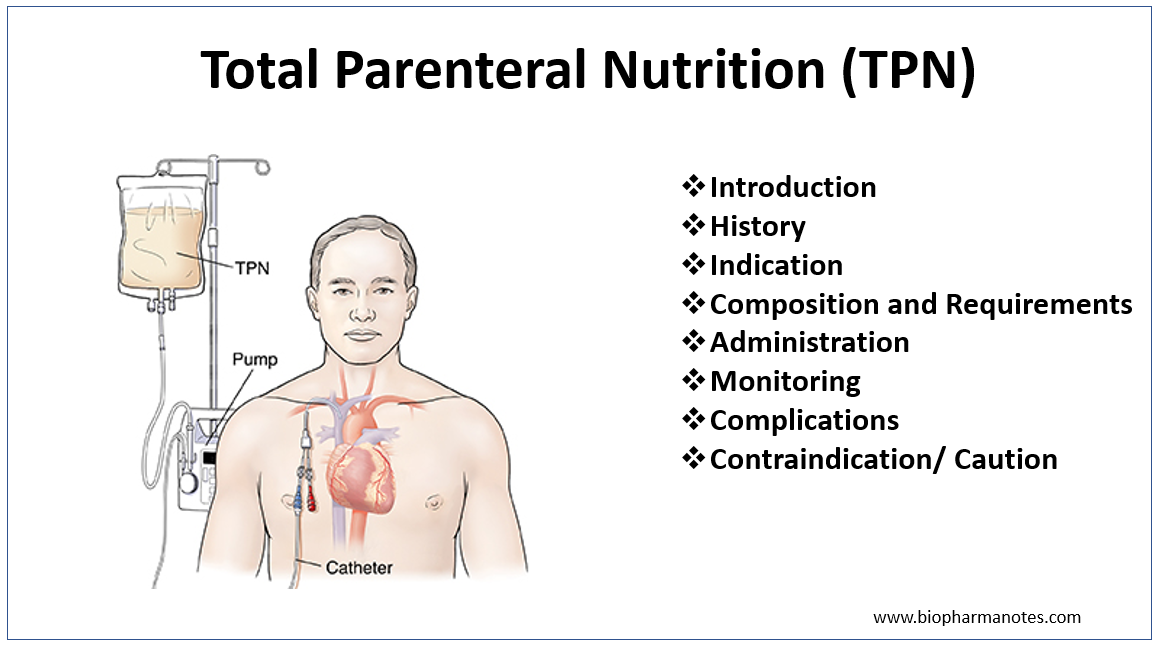
At the forefront of PN delivery are smart infusion pumps. These aren’t just simple fluid dispensers; they are sophisticated, programmable devices equipped with drug libraries, dose error reduction software, and advanced alarm systems. For parenteral nutrition, these pumps meticulously control the infusion rate of complex solutions, ensuring that the patient receives a steady, precise dose of macronutrients (carbohydrates, fats, proteins), vitamins, minerals, and trace elements over extended periods, often 24 hours. Automated delivery systems can integrate multiple pump channels, allowing for simultaneous or sequential infusion of different components, tailored to a patient’s specific metabolic requirements. Features like wireless connectivity enable remote programming and monitoring, allowing healthcare providers to adjust parameters without needing to be at the bedside, enhancing flexibility and responsiveness in critical care settings.
Advanced Catheter Technologies for Safe Access
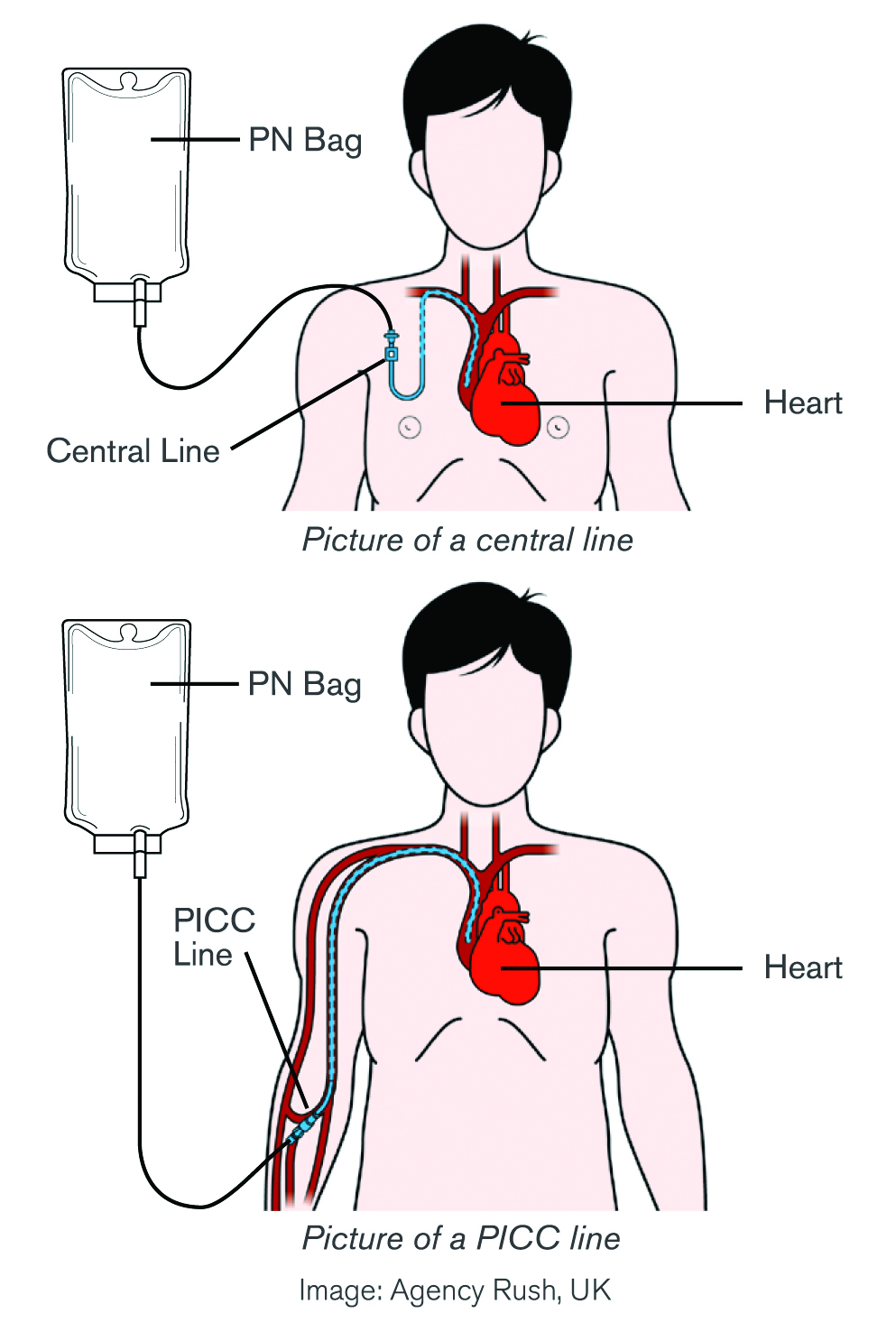
Central venous access is paramount for parenteral nutrition, given the hyperosmolarity of many PN solutions. The technology behind catheters has evolved significantly, focusing on reducing infection risk and improving patient comfort and longevity. Modern central venous catheters (CVCs) are often coated with antimicrobial substances (e.g., silver sulfadiazine, chlorhexidine) or heparin to prevent biofilm formation and thrombotic events. Materials science has contributed to the development of highly biocompatible, durable, and flexible catheter materials that reduce irritation and improve secure placement. Peripherally Inserted Central Catheters (PICCs) and tunneled catheters offer long-term access solutions, with design innovations like valve-tipped lumens and improved securement devices contributing to their safety and ease of use. The integration of ultrasound guidance for catheter placement further enhances safety, reducing complications such as pneumothorax and arterial puncture.
Digital Monitoring and Telehealth Integration
The continuous and precise monitoring of patients receiving PN is crucial, and digital technologies have revolutionized this aspect. Modern monitoring systems integrate physiological data from various sources—vital signs monitors, laboratory results, and even smart infusion pumps—into a centralized electronic health record (EHR). This real-time data aggregation allows clinicians to track patient responses, identify potential complications early, and make timely adjustments to PN formulations. Telehealth and remote monitoring capabilities further extend this reach, enabling specialized nutrition support teams to oversee patients in diverse settings, from intensive care units to home care. Secure digital platforms facilitate virtual consultations, allowing experts to review patient data, communicate with local care providers, and provide guidance on PN management, thereby bridging geographical gaps and ensuring consistent, high-quality care.
Precision Formulation and Compounding Driven by Software
The heart of effective parenteral nutrition lies in its highly individualized formulation. Unlike standard medications, PN solutions are custom-blended for each patient, a process that demands extraordinary precision and is almost entirely reliant on sophisticated software and automated compounding technologies.
Software for Nutritional Assessment and Prescription
The journey of a PN prescription begins with an in-depth nutritional assessment, which is increasingly guided by specialized software. These applications utilize vast databases of nutrient requirements, disease-specific guidelines, and patient anthropometric data to help clinicians calculate precise caloric, protein, fat, electrolyte, vitamin, and trace element needs. The software integrates with laboratory information systems (LIS) to factor in real-time blood work results, such as electrolyte levels, glucose, and renal function, allowing for dynamic adjustments. Advanced algorithms can predict potential nutrient deficiencies or excesses based on patient profiles and ongoing clinical changes, providing decision support that helps formulate an optimal and safe PN prescription, minimizing the risk of refeeding syndrome or metabolic complications.
Automated Compounding Devices for Custom Solutions
Once a precise PN formula is determined by the prescribing software, automated compounding devices (ACDs) take over the manufacturing process. These are robotic or semi-robotic systems that accurately measure and mix multiple components—up to 20 or more ingredients—into a single, sterile solution. ACDs are equipped with highly accurate peristaltic or gravimetric pumps that dispense micro-volumes of concentrated nutrients, achieving unparalleled precision compared to manual compounding. Each ingredient’s barcode is often scanned to ensure correct identity and concentration, significantly reducing the risk of human error. These machines operate within sterile environments (e.g., laminar flow hoods) and are designed to prevent contamination, ensuring the aseptic preparation of each custom PN bag.
Quality Control and Traceability Systems
Technology plays an indispensable role in maintaining the quality and ensuring the traceability of PN solutions. Post-compounding, various analytical tools are employed to verify the accuracy of the final product. Spectrophotometry and osmolarity testing devices can quickly confirm the concentration of key electrolytes and the overall osmolarity of the solution, ensuring it matches the prescribed formula. Beyond immediate quality checks, comprehensive traceability systems, often integrated with the compounding software, log every step of the process. This includes batch numbers of raw ingredients, compounding machine parameters, operator details, and even the environmental conditions during compounding. This digital trail ensures that in the event of any adverse reaction or quality concern, the entire production history of a specific PN bag can be rapidly reviewed, allowing for quick identification and remediation of issues, thereby bolstering patient safety and regulatory compliance.
Emerging Technologies Shaping the Future of PN
The field of parenteral nutrition is continuously evolving, with new technologies promising even greater personalization, safety, and efficiency. These innovations are set to redefine how PN is prescribed, prepared, and delivered, moving towards more predictive and preventative care models.
AI and Machine Learning for Personalized Nutrition
Artificial intelligence (AI) and machine learning (ML) are poised to revolutionize personalized nutrition in PN. AI algorithms can analyze vast datasets, including patient genomics, microbiomics, real-time physiological data, and responses to previous PN formulations, to develop highly individualized nutritional profiles. This goes beyond current software by identifying subtle patterns and predicting optimal nutrient ratios that might be missed by human analysis. ML models could anticipate metabolic derangements or nutrient deficiencies before they become clinically apparent, allowing for proactive adjustments to PN prescriptions. Furthermore, AI could help optimize resource allocation in PN pharmacies, predict demand for specific ingredients, and even identify at-risk patient populations for earlier intervention.
Wearable Sensors for Continuous Patient Monitoring
The integration of wearable sensors into PN care holds immense potential for continuous and non-invasive patient monitoring. Devices capable of tracking vital signs, glucose levels (e.g., continuous glucose monitors), hydration status, and even inflammatory markers could provide a stream of real-time data directly to the patient’s care team. This constant feedback loop would enable dynamic adjustments to PN solutions based on immediate physiological responses, moving away from periodic lab draws towards a more responsive, adaptive therapy. For home PN patients, wearables could significantly enhance safety and provide peace of mind, alerting healthcare providers to potential issues before they escalate, thereby reducing hospital readmissions and improving overall quality of life.
Bioprinting and Advanced Drug Delivery for Specialized Nutrients
Looking further into the future, bioprinting and advanced drug delivery systems could offer revolutionary approaches to PN. While still largely experimental, the concept of “printing” highly specialized nutrient microparticles or even encapsulated cells that release specific compounds could allow for extremely targeted and controlled nutrient delivery, particularly for patients with unique metabolic disorders or organ failure. Similarly, advanced nanoparticle-based drug delivery systems could improve the bioavailability of certain vitamins or trace elements, or even deliver therapeutic agents alongside nutritional components. These technologies could enable the creation of highly specialized, ultra-personalized PN solutions that address specific cellular or organ-level nutritional deficits with unprecedented precision.
Cybersecurity and Data Management in PN Care
As PN care becomes increasingly digitized, the importance of robust cybersecurity and efficient data management cannot be overstated. The reliance on interconnected devices, software, and electronic health records introduces new vulnerabilities that must be rigorously protected to ensure patient safety and data privacy.
Protecting Patient Data and Device Integrity
The digital transformation of PN involves handling highly sensitive patient data—medical histories, lab results, and personal health information—which must be protected against breaches. Strong encryption, multi-factor authentication, and stringent access controls are critical for safeguarding patient privacy and complying with regulations like HIPAA. Beyond data, the integrity of PN delivery devices themselves is a major cybersecurity concern. Smart infusion pumps, automated compounding devices, and monitoring systems are increasingly connected to hospital networks, making them potential targets for cyberattacks. A compromised device could lead to incorrect dosages, system shutdowns, or altered prescriptions, with severe consequences for patient safety. Implementing secure network architectures, regular vulnerability assessments, and device firmware updates are essential to prevent unauthorized access and manipulation.

Interoperability Challenges and Solutions
The diverse array of technologies used in PN—from different manufacturers’ pumps and compounding machines to various EHR systems and lab information systems—often creates interoperability challenges. Seamless data exchange between these disparate systems is crucial for efficient and safe PN management. Lack of interoperability can lead to manual data entry errors, delays in information flow, and fragmented patient records. Solutions involve implementing standardized communication protocols (e.g., HL7, FHIR) and developing robust integration engines that can translate data between different platforms. Cloud-based solutions and API-driven architectures are also emerging as ways to facilitate more fluid data sharing, enabling a comprehensive, real-time view of a patient’s PN care journey across the entire healthcare ecosystem. Addressing these challenges ensures that the technological benefits of PN are fully realized, without compromising safety or efficiency.
aViewFromTheCave is a participant in the Amazon Services LLC Associates Program, an affiliate advertising program designed to provide a means for sites to earn advertising fees by advertising and linking to Amazon.com. Amazon, the Amazon logo, AmazonSupply, and the AmazonSupply logo are trademarks of Amazon.com, Inc. or its affiliates. As an Amazon Associate we earn affiliate commissions from qualifying purchases.