
In the world of personal finance, the “Latte Factor”—a term coined by David Bach—suggests that small, daily expenditures can derail long-term wealth. For many professionals, the daily ritual of a five-dollar gourmet coffee is a non-negotiable comfort, yet it represents a significant leakage in monthly cash flow. Enter the French Press. While many view it simply as a manual brewing method, from a fiscal perspective, the French Press is a high-yield investment tool. It represents the intersection of quality control, cost efficiency, and sustainable lifestyle design.

To understand what French press coffee is through the lens of finance, one must look past the caffeine and examine the amortization of equipment, the marginal cost of production, and the significant return on investment (ROI) compared to commercial retail consumption.
The Economics of the French Press: Beyond the Brew
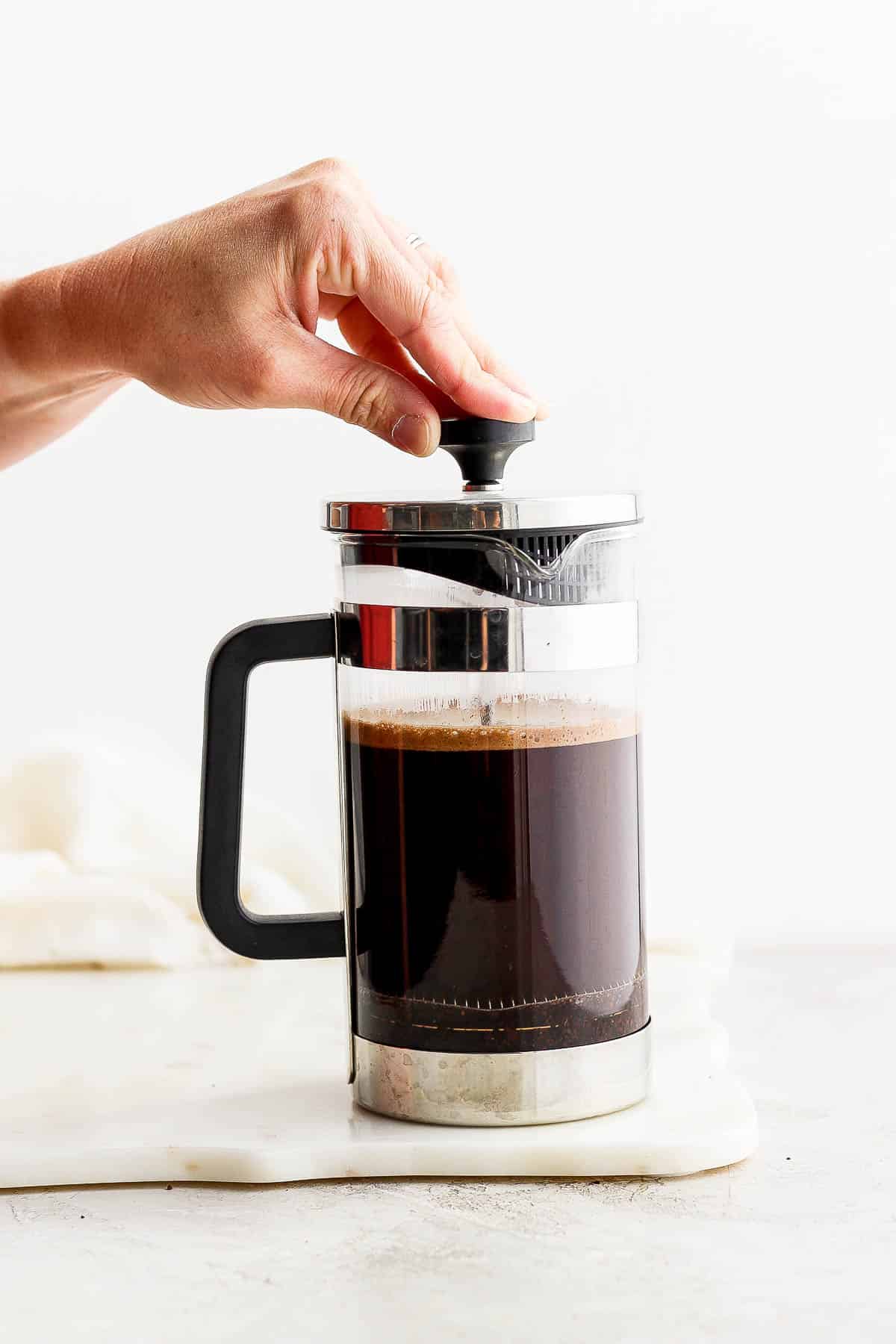
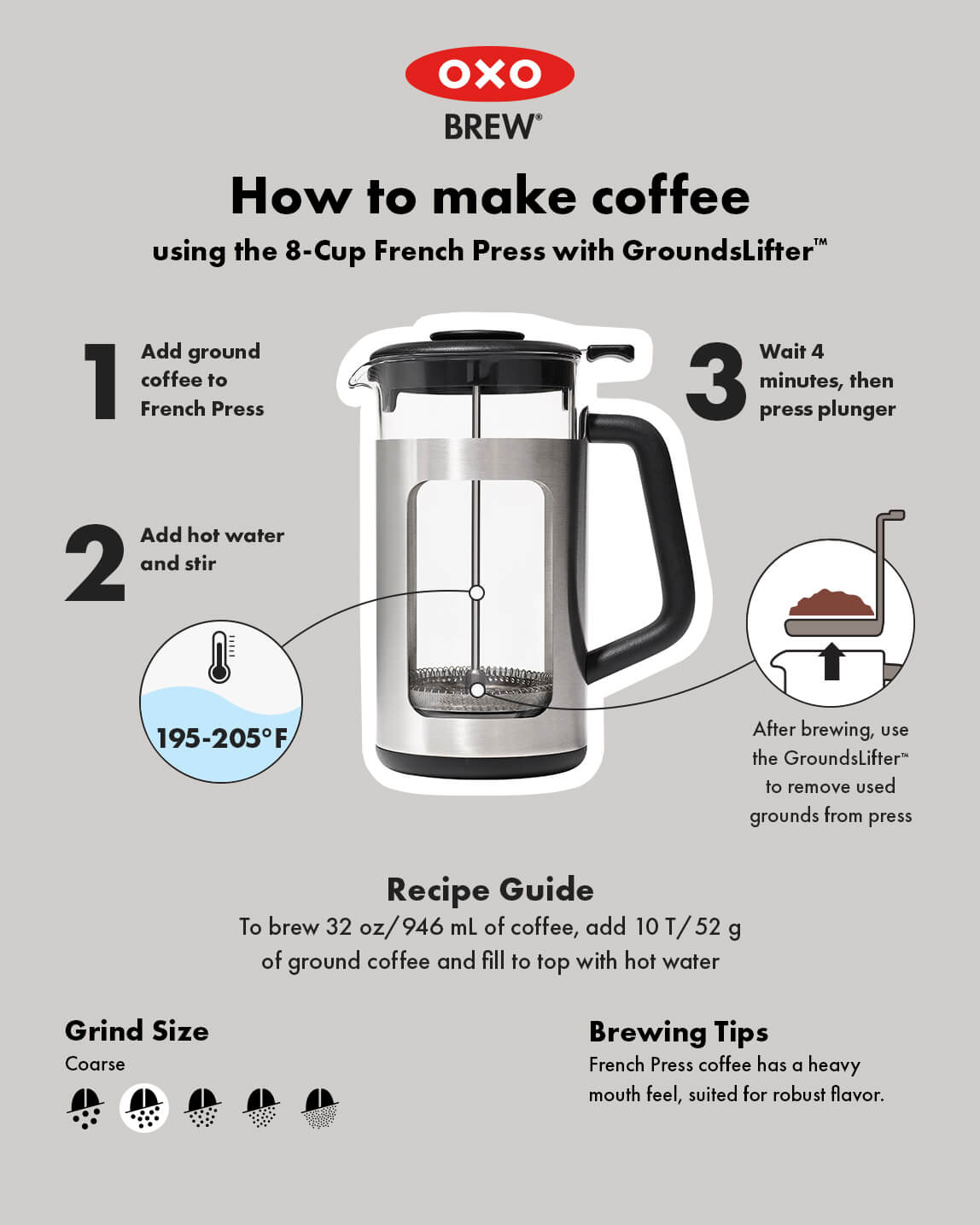
At its core, French press coffee is a method of “immersion brewing.” Unlike drip coffee, where water passes through grounds and a paper filter, the French Press allows coffee grounds to steep entirely in hot water for several minutes before a metal mesh plunger separates the liquid from the spent grounds.
Initial Capital Expenditure: Comparing French Press to Commercial Alternatives
When building a “home coffee portfolio,” the initial capital expenditure (CapEx) is remarkably low. A high-quality, stainless steel or borosilicate glass French Press typically costs between $30 and $60. In contrast, a mid-range home espresso machine can cost upwards of $600, and a high-end setup can exceed $2,000.
For the budget-conscious investor, the French Press offers the lowest barrier to entry for “specialty grade” results. Because the mechanism is mechanical rather than electronic, there are fewer points of failure, meaning the asset does not depreciate as quickly as complex machinery. A well-maintained French Press can last a decade, resulting in an annual equipment cost of just $3 to $6.
The Cost Per Cup: A Microeconomic Analysis
The true financial power of the French Press lies in the marginal cost of production. On average, a 12-ounce French press brew requires about 20 to 24 grams of coffee beans. If you purchase high-quality, specialty-grade beans at $20 per 12-ounce (340g) bag, your cost per cup is approximately $1.20 to $1.40.
Compare this to the retail price of a similar quality “Pour Over” or “French Press” serving at a high-end cafe, which typically ranges from $4.50 to $6.00. By shifting production in-house, the consumer captures a “profit margin” of nearly 75% per unit. Over a business year (250 work days), this transition translates to a direct savings of over $1,000—capital that can be redirected into a high-yield savings account or an index fund.
Strategic Lifestyle Inflation: How French Press Coffee Impacts Your Monthly Budget
Lifestyle inflation occurs when an individual’s spending increases as their income rises, often preventing them from building a substantial net worth. One of the most common areas where this occurs is in “convenience spending.” The French Press serves as a strategic hedge against this inflation by providing a premium experience at a fraction of the market price.
Breaking the “Latte Factor” Myth
Critics of the Latte Factor argue that cutting out small joys doesn’t lead to wealth. However, from a cash-flow management perspective, the French Press isn’t about deprivation; it’s about optimization. It allows the individual to maintain a high standard of living (drinking premium, single-origin coffee) while eliminating the “service premium” paid to retail chains.
By mastering the French Press, you are essentially “insourcing” a service. In financial terms, you are reducing your overhead without sacrificing the quality of your inputs. This is a classic move in corporate restructuring: identifying a high-cost external service and bringing it in-house to improve the bottom line.
Compounding Savings: From Daily Habit to Retirement Fund
The power of the French Press is best viewed through the lens of compound interest. If a professional saves $4 per day by using a French Press instead of visiting a coffee shop, and invests that $120 per month into an S&P 500 index fund with an average 8% annual return, the results over time are staggering:
-
After 10 years: ~$21,000
-
After 20 years: ~$69,000
-
After 30 years: ~$175,000
The “What is French Press Coffee” question, therefore, finds its answer not in the beans, but in the balance sheet. It is a vehicle for long-term wealth accumulation hidden within a morning routine.
Value vs. Price: Why French Press is the High-Yield Choice for Coffee Enthusiasts
In investing, price is what you pay, but value is what you get. The French Press is unique because it provides a higher “flavor value” than almost any other budget-friendly method. Because the metal mesh filter allows essential oils and micro-particles to remain in the cup, the result is a full-bodied, “viscous” texture that paper filters strip away.
Quality Control as a Form of Wealth Preservation
When you buy coffee at a retail chain, you are paying for real estate, labor, marketing, and corporate overhead. Only a small fraction of your five dollars goes toward the actual coffee bean. When you brew with a French Press at home, 90% of your “investment” goes toward the raw material—the beans.
This allows the consumer to purchase ultra-premium, ethically sourced, and organic beans that would be prohibitively expensive in a cafe setting. In this sense, the French Press allows for “luxury consumption” at a “commodity price point,” a rare arbitrage opportunity in the consumer goods market.
Sustainability and Waste Reduction as Indirect Financial Gain
From a macro-financial perspective, waste is an inefficiency. French Press brewing is one of the most eco-friendly methods available because it requires no paper filters and no plastic pods. While the individual savings on paper filters may seem negligible (perhaps $15–$20 a year), the reduction in household waste contributes to a broader trend of “frugal minimalism.”
Investors who focus on sustainability often find that “zero-waste” habits correlate with higher savings rates. By eliminating the need for recurring purchases of disposable filters or Nespresso pods (which can cost $0.70 to $1.10 per serving), the French Press simplifies the supply chain of the household.
Scaling Your Coffee Portfolio: Advanced Strategies for the Home Barista
Once the initial “French Press Investment” is made, there are ways to further optimize the financial returns through savvy purchasing and maintenance.
Sourcing Beans: Wholesale vs. Retail
To maximize the ROI of your French Press, consider the “bulk buy” strategy. Many local roasters offer subscription services that reduce the price per bag by 10% to 15%. Additionally, purchasing 5-pound bags of beans and storing them in airtight, vacuum-sealed containers can drop the cost per cup below the $1.00 mark. This is the equivalent of moving from retail purchasing to wholesale distribution within your own kitchen.
Maintenance and Longevity: Protecting Your Asset
A French Press is a durable asset, but it requires maintenance to ensure its “service life” is maximized. The mesh filter must be cleaned thoroughly to prevent oil buildup, which can ruin the flavor of the coffee and lead to premature replacement of the filter screen.
In financial terms, this is “preventative maintenance.” By spending five minutes a week on deep cleaning, you protect the integrity of your equipment and the quality of your output, ensuring that your $40 investment continues to yield $1,000 in annual savings for years to come.
Conclusion: The Financial Mastery of the French Press
So, what is French press coffee? It is a sophisticated extraction method that utilizes immersion and pressure to create a robust, flavorful beverage. But more importantly, in the context of money and personal finance, it is a statement of fiscal intentionality.
Choosing the French Press over the convenience of a drive-thru is a micro-decision that reflects a macro-philosophy: the desire to own the means of production, the commitment to quality over marketing, and the understanding of how small savings compound into significant wealth. By treating your morning coffee as a strategic financial choice rather than a mindless expense, you turn a simple kitchen appliance into a cornerstone of your financial independence. In the world of finance, the best investments are those that provide high utility, low recurring costs, and a significant improvement in quality of life. The French Press hits all three marks with clinical precision.
aViewFromTheCave is a participant in the Amazon Services LLC Associates Program, an affiliate advertising program designed to provide a means for sites to earn advertising fees by advertising and linking to Amazon.com. Amazon, the Amazon logo, AmazonSupply, and the AmazonSupply logo are trademarks of Amazon.com, Inc. or its affiliates. As an Amazon Associate we earn affiliate commissions from qualifying purchases.