
The intersection of dermatology and technology has undergone a seismic shift over the last decade. At the heart of this transformation is a decades-old medical classification: the Fitzpatrick Skin Type. Originally developed in 1975 by Harvard dermatologist Thomas B. Fitzpatrick, this scale was designed to estimate the response of different types of skin to ultraviolet (UV) light. However, in today’s digital landscape, the Fitzpatrick Scale has transitioned from a simple clinical observation tool into a foundational data point for artificial intelligence (AI), computer vision, and personalized health technology.
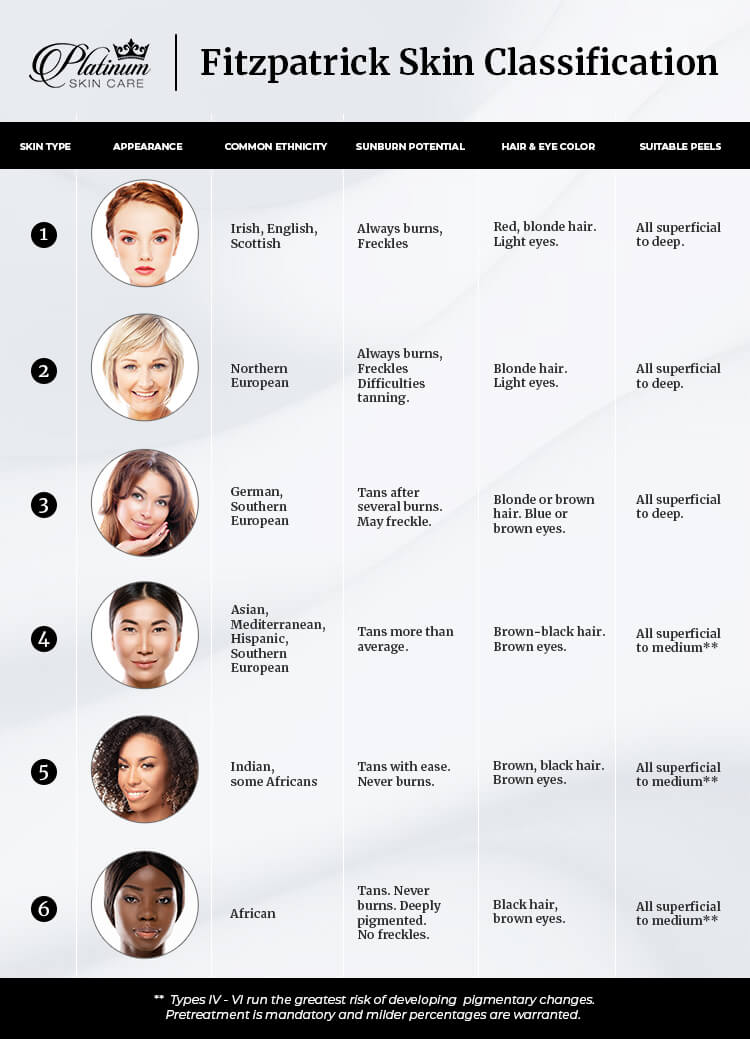
Understanding what the Fitzpatrick Skin Type is—and how it is being integrated into modern software—is essential for developers, tech innovators, and digital health practitioners. As we move toward a future of hyper-personalized wellness, this classification serves as the primary bridge between human biological diversity and machine-learned diagnostics.
The Evolution of the Fitzpatrick Scale into Digital Health
While the Fitzpatrick Scale was initially used to determine the correct dose of UV radiation for patients with psoriasis, its application has expanded significantly. In the tech sector, it is now the gold standard for training algorithms that power everything from smartphone camera optimizations to skin cancer screening tools.
From Clinical Observation to Computational Models
The Fitzpatrick Scale categorizes skin into six types (Type I to Type VI) based on the amount of melanin present and the skin’s reaction to sun exposure. Type I always burns and never tans, while Type VI is deeply pigmented and never burns. In a clinical setting, this was historically determined via a patient questionnaire.
In the world of technology, however, “subjective” is the enemy of “scalable.” Modern health-tech companies are moving away from questionnaires and toward computational models. By using high-resolution sensors and RGB (Red, Green, Blue) analysis, software can now attempt to objectively calculate a user’s Fitzpatrick type without human intervention. This shift allows for more precise data entry in electronic health records (EHR) and provides a standardized metric for global health databases.
The Role of Spectrophotometry and Multi-Spectral Imaging
To move beyond the limitations of human sight, tech innovators are utilizing spectrophotometry—a method to measure how much light a chemical substance absorbs. In the context of skin tech, devices use specific wavelengths of light to measure the concentration of melanin and hemoglobin.
Multi-spectral imaging takes this a step further by capturing image data within specific wavelength ranges across the electromagnetic spectrum. This technology allows software to distinguish between “surface color” and “biological skin type,” a distinction that is crucial for the accuracy of medical-grade apps. By identifying the Fitzpatrick type through light absorption patterns, tech tools can offer a level of precision that was previously impossible in a traditional doctor’s office.
Integrating Skin Type Classification into Consumer Tech
The consumer technology market has embraced the Fitzpatrick Skin Type as a critical parameter for personalization. From the smartphone in your pocket to the wearables on your wrist, skin type detection is becoming a standard feature in the “Quantified Self” movement.
AI-Powered Skincare Apps and Virtual Consultations
The rise of “Beauty-Tech” has seen companies like L’Oréal and various Silicon Valley startups develop AI-driven skincare analysis tools. These apps typically ask the user to take a selfie, which is then processed using computer vision. The software analyzes the image to determine the user’s Fitzpatrick type, which then triggers a personalized recommendation engine.
If the AI identifies a user as Type I or II, the software logic might prioritize high-SPF products and photosensitivity warnings. If the user is identified as Type V or VI, the algorithm might focus on ingredients that address hyperpigmentation or dryness—issues more prevalent in those skin types. This is a classic example of how a dermatological classification becomes the “if-then” logic in a software ecosystem.
Wearable UV Sensors and Personalized Health Tracking
Wearable technology has evolved beyond counting steps. Modern devices now integrate UV sensors that monitor real-time sun exposure. To make this data actionable, the device must know the user’s Fitzpatrick Skin Type.

For instance, a wearable might calculate that a user with Type I skin has reached their “safe” UV threshold in just 15 minutes of midday sun, triggering a haptic alert on their smartwatch. Meanwhile, a user with Type IV skin might receive the same alert after 45 minutes. This integration of biological data (Fitzpatrick type) with environmental data (UV index) represents the frontier of preventative digital health.
The Challenge of Algorithmic Bias and Inclusivity in Tech
As we rely more heavily on technology to categorize human biology, a significant ethical and technical challenge arises: algorithmic bias. Because the Fitzpatrick Scale was originally designed with a focus on lighter skin tones (Types I-III), modern tech must work harder to ensure the scale is applied equitably across the digital divide.
Addressing the Data Gap for Darker Skin Tones
One of the primary criticisms in the tech industry is that many AI models for skin cancer detection were trained primarily on images of Fitzpatrick Types I and II. This led to a “data gap” where software was significantly less accurate when analyzing darker skin (Types IV-VI).
To solve this, tech giants like Google have begun developing more inclusive scales, such as the Monk Skin Tone (MST) Scale, to supplement the Fitzpatrick Scale. The goal is to provide a more nuanced spectrum for machine learning models. By expanding the dataset to include tens of thousands of images across all Fitzpatrick types, developers can ensure that their software provides life-saving diagnostics with equal accuracy for all users, regardless of their melanin levels.
Moving Beyond the Fitzpatrick Scale with Machine Learning
While the Fitzpatrick Scale is a useful starting point, many tech innovators argue it is too linear for complex AI models. Machine learning allows us to look at “skin signatures” that include texture, oiliness, and vascularity alongside the Fitzpatrick type.
Future software iterations will likely use the Fitzpatrick Scale as one of many inputs in a multi-factor authentication of skin health. By combining the scale with genetic data and real-time environmental tracking, AI can create a “Digital Twin” of a user’s skin. This digital representation can simulate how skin will age or react to specific treatments, moving the Fitzpatrick Scale from a static classification into a dynamic, predictive model.
The Future of Personalized Dermatology Software
The final frontier of the Fitzpatrick Skin Type lies in predictive analytics and the Internet of Things (IoT). As our homes and devices become smarter, the way we interact with our biological data will become more seamless.
Predictive Analytics for Skin Cancer Prevention
The most profound impact of digitizing the Fitzpatrick Scale is in the field of teledermatology. High-resolution cameras combined with AI can track moles and lesions over time. By knowing the user’s Fitzpatrick type, the software can assign a “risk score” to specific changes in the skin.
For example, an AI might be programmed to be more sensitive to specific types of lesions in Type I users (who are at higher risk for melanoma) while looking for different markers in Type VI users (where acral lentiginous melanoma may occur in less obvious places). This type of nuanced, software-driven screening could revolutionize early detection and significantly reduce mortality rates.

Smart Mirrors and IoT Integration in Modern Beauty Tech
The “Smart Home” is beginning to include the bathroom. Smart mirrors equipped with multi-spectral cameras can perform a daily scan of the user’s skin. These devices use the Fitzpatrick Scale to calibrate their lighting and analysis sensors.
Imagine a mirror that, upon recognizing your skin type, adjusts your smart home’s lighting to protect your skin or suggests a specific skincare routine based on the day’s predicted UV index and your skin’s known sensitivity. This isn’t science fiction; it is the logical conclusion of integrating dermatological science with IoT. The Fitzpatrick Skin Type serves as the essential “user profile” that allows these diverse technologies to communicate and provide a cohesive, health-focused experience.
In conclusion, the Fitzpatrick Skin Type is no longer just a medical chart on a doctor’s wall. It has become a vital piece of code in the global health-tech stack. As AI and machine learning continue to advance, our ability to translate human biology into digital data will only sharpen, making the Fitzpatrick Scale a cornerstone of the next generation of personalized, inclusive, and preventative technology.
aViewFromTheCave is a participant in the Amazon Services LLC Associates Program, an affiliate advertising program designed to provide a means for sites to earn advertising fees by advertising and linking to Amazon.com. Amazon, the Amazon logo, AmazonSupply, and the AmazonSupply logo are trademarks of Amazon.com, Inc. or its affiliates. As an Amazon Associate we earn affiliate commissions from qualifying purchases.