
In the annals of corporate history, few names carry as much weight, controversy, and strategic significance as Benzedrine. While modern audiences might recognize it through the lens of medical history or mid-century literature, for brand strategists and marketing historians, Benzedrine represents a foundational case study in how a product can define a category, dominate a market, and eventually succumb to the complexities of brand genericization and regulatory shift.
To understand what Benzedrine is, one must look beyond its chemical composition as an amphetamine sulfate and instead view it as a masterclass in pharmaceutical branding. Developed and marketed by Smith, Kline & French (SKF) in the early 1930s, Benzedrine was not just a medication; it was a carefully constructed brand identity that transformed the way the public and the medical community perceived cognitive and physical enhancement.
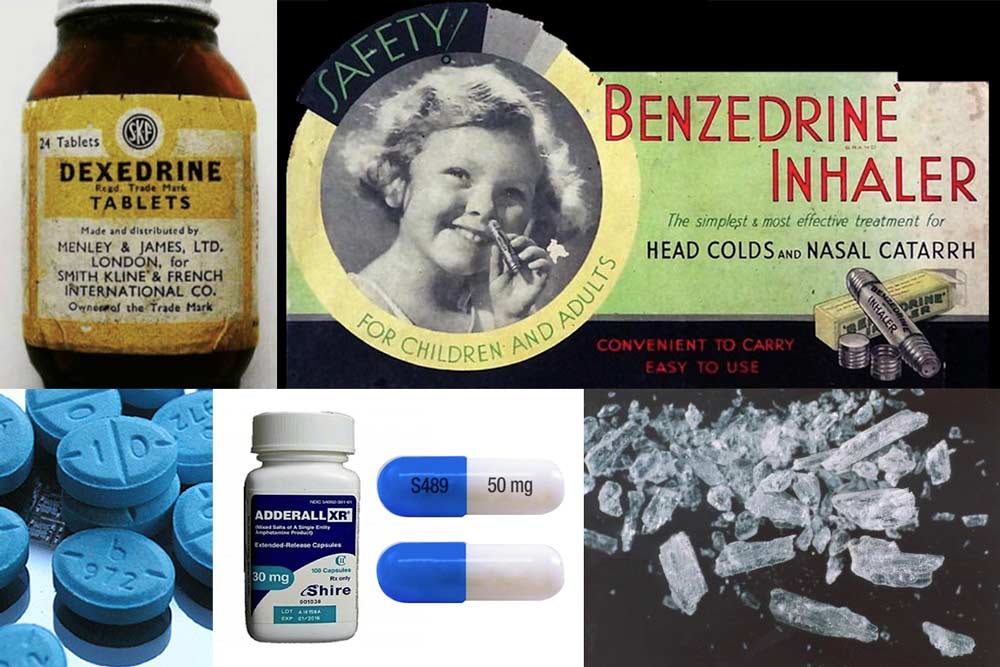
The Birth of a Pharmaceutical Icon: Strategic Brand Entry
The story of Benzedrine is, at its core, a story of strategic positioning. When Smith, Kline & French introduced the Benzedrine Inhaler in 1932, they weren’t just launching a product; they were creating a new market segment. At the time, the pharmaceutical industry was transitioning from artisanal apothecary traditions to the modern, brand-driven corporate structures we recognize today.
Naming and Positioning for the Masses
The name “Benzedrine” itself was a triumph of linguistic branding. It sounded scientific yet accessible, carrying a phonetic weight that suggested both innovation and reliability. Unlike the cumbersome chemical names of the era, Benzedrine was memorable. SKF positioned the product as a solution for nasal congestion, but the underlying brand promise was much broader: it was a tool for modern productivity and vitality.
In branding, positioning is about owning a specific piece of the consumer’s mind. SKF achieved this by marketing Benzedrine as a “lifestyle” pharmaceutical long before the term existed. It was the “go-to” brand for the weary traveler, the overworked student, and the fatigued worker. By focusing on the functional benefits of alertness and energy, the brand transcended its clinical origins.
The Psychology of Industrial Design and Packaging
The physical manifestation of the Benzedrine brand—the plastic inhaler—was a stroke of design genius. In an era where medicine often involved messy elixirs or intimidating injections, the Benzedrine Inhaler was sleek, portable, and discreet. This “gadgetization” of medicine helped the brand integrate into the daily lives of consumers.
The packaging utilized clean, bold typography and a color palette that suggested cleanliness and medical authority. This visual identity served to build a high level of brand equity and trust, allowing SKF to charge a premium over generic alternatives that would eventually enter the marketplace.
Brand Dominance and the Power of Genericization
As Benzedrine’s popularity soared through the 1940s, it encountered a phenomenon that is both the dream and the nightmare of every brand manager: genericization. Much like Kleenex or Xerox, “Benzedrine” (or the colloquial “Bennies”) became the shorthand term for an entire class of stimulants.
When a Brand Becomes a Cultural Keyword
The success of the Benzedrine brand was so absolute that it permeated the cultural zeitgeist. It appeared in the works of the Beat Generation writers and became a staple in the kits of World War II soldiers. From a branding perspective, this level of penetration is indicative of a “Top-of-Mind Awareness” (TOMA) that few brands ever achieve.
However, this ubiquity came with a significant risk. When a brand becomes synonymous with a product category, the owner risks losing the legal protection of the trademark. Furthermore, the brand’s identity becomes tied to the public’s perception of the entire category—including its misuses. For SKF, the Benzedrine brand began to lose its clinical sheen as it became increasingly associated with recreational use and “the street.”
Market Saturation and the Competitor Response
The dominance of Benzedrine forced competitors to innovate or find niches. Brands like Dexedrine (also an SKF product) were launched to refine the brand portfolio, offering a more “focused” or “refined” version of the original stimulant. This is a classic example of brand architecture strategy, where a parent company launches secondary brands to capture different segments of the market or to phase out an aging flagship brand that has become too “heavy” with cultural baggage.

SKF’s management of Benzedrine during this period serves as a lesson in portfolio diversification. They recognized that the Benzedrine brand was becoming too broad, and by shifting focus to more specialized formulations, they protected their overall corporate identity from the burgeoning controversies surrounding the original product.
Crisis Management and Brand Pivot: The Regulatory Shift
No brand exists in a vacuum. The political and regulatory environment of the 1950s and 60s posed an existential threat to the Benzedrine brand. As the FDA increased its oversight and the public became aware of the risks of long-term amphetamine use, the brand identity of Benzedrine had to undergo a radical transformation.
The Impact of Regulatory Authority on Brand Perception
In 1959, the FDA began cracking down on the sale of Benzedrine inhalers due to widespread abuse. For a brand built on trust and medical utility, being labeled a “public health concern” is a catastrophic blow. SKF’s response was a mix of defensive branding and strategic retreat.
This period highlights the importance of “Brand Resilience.” A brand must be able to withstand negative external pressures by leaning on its core values. SKF attempted to pivot the brand back toward strictly supervised medical use, distancing it from the over-the-counter accessibility that had fueled its initial growth. However, the shift in regulatory status from “OTC” to “Prescription Only” fundamentally changed the brand’s relationship with the consumer.
Transitioning from Consumer Brand to Clinical Brand
The transition was a difficult one. As Benzedrine moved into the highly regulated world of prescription drugs, its marketing shifted from the public eye to the offices of physicians. The brand identity moved away from “energy and vitality” toward “clinical efficacy and symptom management.”
This shift is a common trajectory for pharmaceutical brands that face increased scrutiny. The branding becomes more conservative, the visual identity more clinical, and the messaging more data-driven. For Benzedrine, this meant the end of its era as a household name and the beginning of its life as a specialized medical tool.
The Legacy of Benzedrine in Modern Brand Strategy
Even though Benzedrine is no longer a staple of the modern medicine cabinet, its influence on pharmaceutical branding and corporate strategy is indelible. It paved the way for the multi-billion-dollar “lifestyle drug” industry, influencing how products like Adderall or Prozac are branded today.
Lessons in Lifecycle Management
The trajectory of Benzedrine—from a breakthrough innovation to a cultural icon, and finally to a regulated and eventually discontinued brand—is a perfect illustration of the Product Life Cycle (PLC). For modern brand strategists, the Benzedrine story emphasizes the need for:
-
Anticipatory Branding: Understanding that social and regulatory climates will change and preparing the brand to pivot.
-
Brand Protection: Vigilantly guarding a trademark against genericization to maintain exclusivity.
-
Ethical Alignment: Ensuring that the brand’s promise aligns with the long-term well-being of the consumer to prevent a “brand backlash.”
Ethical Branding in the Modern Era
Perhaps the most significant lesson from the Benzedrine era is the importance of ethical brand positioning. In the modern market, consumers are more informed and skeptical than ever. The aggressive, “cure-all” branding of the 1930s would not survive today’s scrutiny.
Modern pharmaceutical brands must balance the drive for market share with a commitment to transparency and patient safety. The downfall of Benzedrine’s public-facing brand was accelerated by a lack of clarity regarding its long-term effects. Today’s brand strategies prioritize “Corporate Social Responsibility” (CSR) as a core pillar of identity, ensuring that the brand is perceived as a partner in health rather than just a vendor of a product.

Conclusion: The Brand That Defined an Era
What is Benzedrine? It is more than a historical stimulant; it is a landmark in the evolution of brand strategy. It demonstrated the power of a name, the importance of industrial design, and the risks of uncontrolled brand success.
Smith, Kline & French used Benzedrine to build a corporate empire, proving that a pharmaceutical product could be marketed with the same psychological precision as a consumer packaged good. While the brand eventually faded under the weight of regulation and social change, its DNA lives on in every modern brand that seeks to blend science with a compelling consumer narrative. For those in the field of brand strategy, Benzedrine remains a potent reminder that a brand’s greatest strength—its ubiquity—can also become its greatest vulnerability.
aViewFromTheCave is a participant in the Amazon Services LLC Associates Program, an affiliate advertising program designed to provide a means for sites to earn advertising fees by advertising and linking to Amazon.com. Amazon, the Amazon logo, AmazonSupply, and the AmazonSupply logo are trademarks of Amazon.com, Inc. or its affiliates. As an Amazon Associate we earn affiliate commissions from qualifying purchases.