
In the rapidly evolving landscape of enterprise technology, few platforms have transformed the way businesses operate as significantly as SAP Ariba. As companies move away from fragmented, manual processes toward integrated digital ecosystems, understanding the technical infrastructure and strategic value of Ariba is essential for any modern professional. At its core, SAP Ariba is a cloud-based innovative solution that allows suppliers and buyers to connect and do business on a single platform. It is the world’s largest business-to-business (B2B) network, facilitating billions of dollars in transactions annually through a sophisticated software-as-a-service (SaaS) model.
By digitizing the “procure-to-pay” and “source-to-settle” cycles, Ariba removes the friction inherent in traditional supply chain management. This article explores the technical nuances of the platform, its core modules, the role of artificial intelligence in its evolution, and why it remains a cornerstone of the modern enterprise tech stack.
Understanding SAP Ariba: The Evolution of Digital Procurement
To understand what Ariba is today, one must first look at its transition from a standalone tech startup to a dominant component of the SAP ecosystem. Founded in 1996, Ariba was a pioneer in the e-procurement space. Its acquisition by SAP in 2012 marked a turning point in the tech industry, signaling a shift toward cloud-centric business applications.
From Ariba to SAP: A Brief History
Before the cloud was a household term, Ariba was building a web-based system to help companies manage their corporate spending. After being integrated into SAP’s portfolio, the platform underwent a massive technical overhaul. It moved from on-premise installations to a multi-tenant cloud architecture, allowing for faster updates, better scalability, and seamless integration with other SAP products like S/4HANA. Today, it stands as a leader in the Gartner Magic Quadrant for Strategic Sourcing Application Suites.
The Shift to Cloud-Based Supply Chain Management
The technical brilliance of Ariba lies in its ability to centralize decentralized data. In legacy systems, procurement data often lived in silos—spread across spreadsheets, emails, and physical paper trails. SAP Ariba utilizes a unified cloud interface that serves as a “single source of truth.” This cloud-native approach ensures that both buyers and sellers see the same data in real-time, reducing discrepancies in pricing, inventory levels, and shipping timelines.
Key Features and Modules of the Ariba Ecosystem
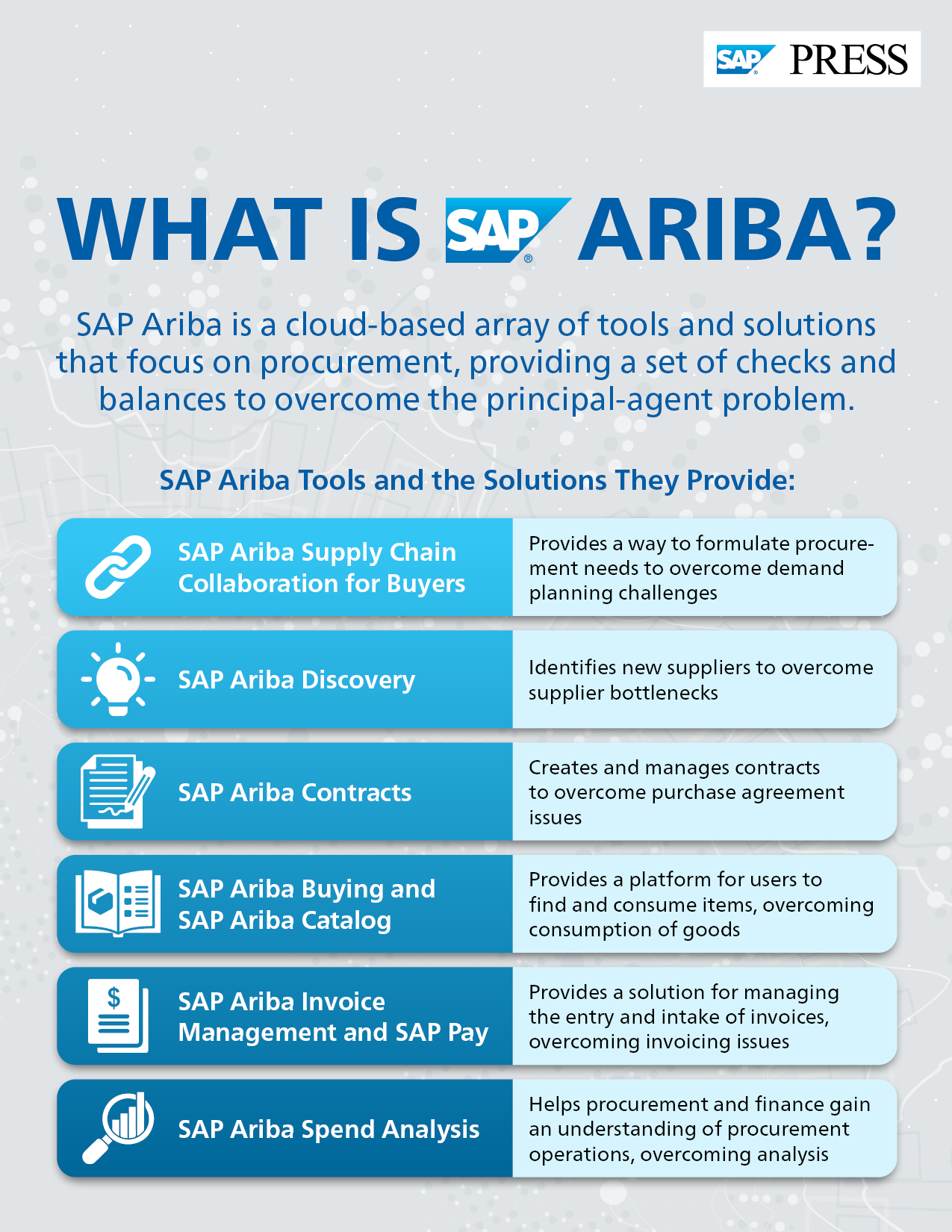
SAP Ariba is not a monolithic application but rather a suite of interconnected modules designed to handle specific segments of the procurement lifecycle. These modules leverage advanced data processing and user-centric design to streamline complex business workflows.
Strategic Sourcing and Contract Management
The “Sourcing” module is where the lifecycle begins. It allows procurement teams to identify potential suppliers, host competitive bidding events (RFPs, RFIs, and RFQs), and evaluate responses using automated scoring tools. Once a supplier is selected, the Ariba Contracts module takes over. From a technical standpoint, this module uses centralized legal libraries and automated workflows to ensure that every contract complies with corporate and regulatory standards. Version control and electronic signatures (often integrated with tools like DocuSign) ensure that the transition from negotiation to execution is entirely paperless.
The Ariba Network: Connecting Buyers and Suppliers
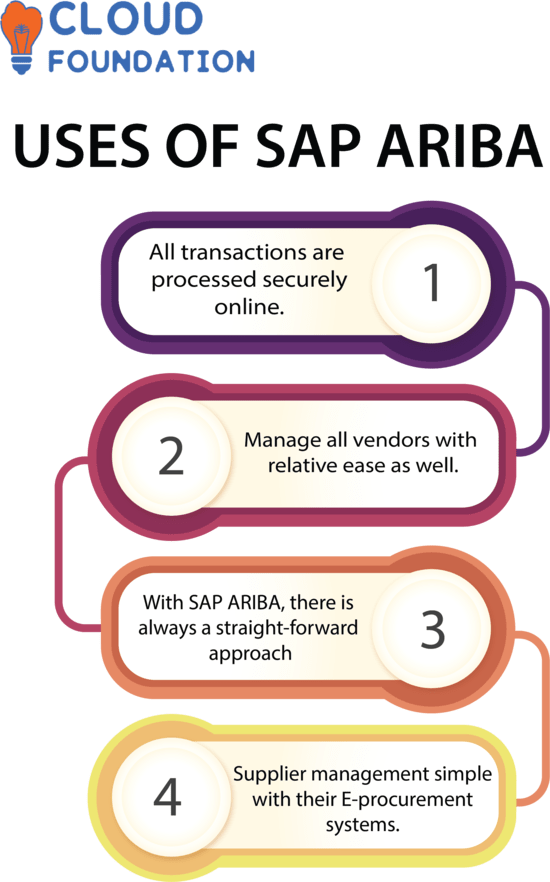
The crown jewel of the platform is the Ariba Network. Think of it as a professional social network combined with a high-end e-commerce engine. Currently, millions of companies use the Ariba Network to find partners. For a tech-focused organization, the value lies in the “discoverability” and “interoperability” of the network. It uses standardized protocols (like cXML) to allow different ERP systems to communicate. When a buyer sends a purchase order via Ariba, the supplier’s system receives it automatically, triggering the fulfillment process without human intervention.
Guided Buying and User Experience
One of the historical complaints about enterprise software was its clunky, difficult-to-navigate interface. SAP Ariba addressed this by introducing Guided Buying. This feature mimics the consumer shopping experience—think Amazon but for business. It uses a clean, intuitive UI to lead employees through the procurement process, ensuring they buy from preferred suppliers at negotiated rates. This “tech-first” approach to UX helps companies increase compliance and reduce “maverick spending” (unauthorized purchases).
The Role of AI and Automation in Modern Procurement
As we move deeper into the era of the Fourth Industrial Revolution, SAP Ariba has integrated Artificial Intelligence (AI) and Machine Learning (ML) to move from a descriptive tool to a predictive one. The technology no longer just records what happened; it suggests what should happen.
Intelligent Spend Analysis
Data is the fuel of the modern enterprise, but raw data is often messy. The Ariba Spend Analysis module uses AI-driven algorithms to categorize spending across the entire organization. It can automatically detect patterns, such as a company paying different prices for the same part across different regions. By cleaning and enriching this data, the platform provides actionable insights, allowing tech leaders to optimize their software licensing costs or hardware procurement strategies.
Machine Learning in Supplier Risk Management
In an age of global instability, managing supplier risk is a technical challenge. Ariba uses ML to monitor millions of data points from news feeds, financial reports, and social media to assign risk scores to suppliers. If a natural disaster strikes a region where a key supplier is located, or if a supplier’s financial health dips, the system can automatically alert procurement managers. This proactive risk mitigation is powered by sophisticated data processing pipelines that operate in the background of the Ariba interface.
Integrating Ariba into the Enterprise Tech Stack
A software tool is only as good as its ability to communicate with the rest of the organization’s technology. SAP Ariba is designed for deep integration, particularly within the SAP landscape, but also with third-party systems.
Seamless Connectivity with SAP S/4HANA
For companies running SAP S/4HANA, Ariba acts as the “procurement front-end.” The integration is handled via the SAP Enterprise Asset Management (EAM) or through the Cloud Integration Gateway (CIG). From a technical perspective, CIG is a powerful middleware that uses a wizard-based setup to map data fields between Ariba and the core ERP. This ensures that when an invoice is cleared in Ariba, the financial records in S/4HANA are updated instantaneously.
Security and Compliance in the Cloud
When dealing with billions of dollars in transactions, security is the top priority. SAP Ariba employs rigorous security protocols, including data encryption at rest and in transit, multi-factor authentication (MFA), and compliance with global standards such as GDPR, SOC 1, and SOC 2. The platform’s multi-tenant architecture ensures that while resources are shared, data is logically isolated, providing each enterprise with a private and secure environment within the public cloud.

The Future of Digital Ecosystems: Why Ariba Matters Today
The “Tech” world is currently obsessed with efficiency, and SAP Ariba is the embodiment of efficient procurement. By moving the entire supply chain to the cloud, Ariba allows for a level of transparency and agility that was previously impossible.
The future of Ariba involves even deeper integration with the Internet of Things (IoT). Imagine a scenario where a manufacturing machine identifies that a part is wearing out. Via an IoT sensor, the machine communicates with SAP Ariba, which automatically checks the inventory, identifies the preferred supplier, and places a purchase order—all before a human even realizes there is a problem. This “autonomous procurement” is the next frontier of the Ariba platform.
In conclusion, SAP Ariba is much more than a simple purchasing tool. It is a sophisticated, AI-enhanced, cloud-native ecosystem that redefines how businesses interact. By leveraging the Ariba Network, companies can transform their procurement from a back-office administrative function into a strategic, tech-driven engine for growth. Whether you are an IT professional looking to integrate these tools or a business leader aiming for digital transformation, understanding Ariba is the first step toward mastering the modern supply chain. Through its robust modules, advanced AI capabilities, and global connectivity, Ariba remains the gold standard for enterprise procurement technology.
aViewFromTheCave is a participant in the Amazon Services LLC Associates Program, an affiliate advertising program designed to provide a means for sites to earn advertising fees by advertising and linking to Amazon.com. Amazon, the Amazon logo, AmazonSupply, and the AmazonSupply logo are trademarks of Amazon.com, Inc. or its affiliates. As an Amazon Associate we earn affiliate commissions from qualifying purchases.