
In the landscape of modern brand strategy, the most successful companies do more than simply list features or announce sales. They celebrate. They honor their customers, their heritage, and their core values through a specific form of storytelling that mirrors one of literature’s oldest forms: the ode poem.
To understand “what is an ode poem” in a branding context is to understand the power of the “high style.” An ode is a formal, often ceremonial, lyric poem that pays tribute to a person, an event, or an idea. In the world of corporate identity and personal branding, the “Ode Strategy” represents a shift from transactional communication to transcendental connection. It is the art of elevating a product into a symbol and a consumer into a devotee.
1. Defining the Branding Ode: Why Emotional Tributes Build Loyalty
At its literary roots, an ode is characterized by its exalted tone and its focus on a single, worthy subject. When we translate this into brand strategy, we move away from “What we do” and toward “Why we deserve to exist.” The branding ode is a celebratory narrative that positions the brand as a vital participant in the customer’s life journey.
The Shift from Transactional to Emotional
Most marketing is transactional—it focuses on the exchange of value. However, a brand that operates within the “ode” framework focuses on the emotional resonance of that value. For example, when a luxury watchmaker creates an advertisement that doesn’t mention timekeeping but instead focuses on “passing it down to the next generation,” they are writing an ode to legacy. This shift transforms the product from a tool into a vessel for human emotion, fostering a level of loyalty that competitors cannot easily disrupt.
The ‘Elevated Subject’ in Corporate Identity
In classical poetry, odes were written to celebrate Olympic victors or divine entities. In brand strategy, the “subject” of your ode must be chosen carefully. It is rarely the product itself; rather, it is the aspiration the product enables. Nike does not write odes to rubber soles; they write odes to the human spirit and the relentless pursuit of greatness. By elevating the subject, the brand inherits the prestige of the values it praises.
Authenticity as the Poetic Meter
A brand ode fails if it feels unearned. Just as an ode poem requires a specific structure and sincerity to be effective, a branding tribute requires a foundation of authenticity. If a brand celebrates “sustainability” while engaging in unethical manufacturing, the “ode” becomes a parody. Authentic brand storytelling ensures that the celebratory tone is backed by corporate action, creating a cohesive and believable identity.
2. The Anatomy of a Brand Ode: Structural Elements of High-Impact Storytelling
A classical ode is often divided into three parts: the strophe, the antistrophe, and the epode. These aren’t just ancient Greek terms; they provide a perfect structural blueprint for a comprehensive brand campaign or a high-level personal branding pitch.
The Strophe: Acknowledging the Audience’s Reality
The strophe is the opening movement of the ode, where the scene is set. In branding, this is where you acknowledge the customer’s current state, their challenges, or their desires. It is the “hook” that shows you understand their world. A successful brand ode starts by meeting the audience exactly where they are—whether that is in a moment of frustration, a moment of ambition, or a moment of quiet reflection.
The Antistrophe: The Brand’s Response and Perspective
The antistrophe offers a counter-movement or a new perspective. For a brand, this is where the unique value proposition is introduced. However, instead of a hard sell, the antistrophe frames the brand as a solution that aligns with the values established in the strophe. If the strophe is the “hunger,” the antistrophe is the “nourishment.” This section builds the tension and the narrative arc, showing how the brand’s philosophy provides a path forward.

The Epode: The Unified Future
The epode is the final section of the ode that brings the two movements together into a harmonious conclusion. In marketing, this is the “vision for the future.” It describes a world where the customer and the brand are aligned. It’s the closing shot of a commercial or the final paragraph of a manifesto. It leaves the audience with a sense of resolution and an invitation to be part of something larger than themselves.
3. The Strategic Value: How ‘Ode-Style’ Marketing Drives Premium Brand Positioning
Why should a company invest in “ode-style” content instead of traditional lead generation? The answer lies in the psychology of premium positioning. Brands that can effectively “sing” the praises of their industry, their customers, or their heritage command higher price points and enjoy longer lifespans.
Premium Positioning through Praise
When a brand acts as a “celebrator” rather than a “seller,” it occupies a higher social and psychological space. Think of Apple’s “Think Different” campaign. It was an ode to the misfits and the rebels. By praising these figures, Apple positioned itself as the brand for those figures. This is the essence of premium branding: you are not just buying a computer; you are buying into a poetic identity. This elevates the brand above the “feature wars” of the tech industry and into the realm of lifestyle and culture.
Psychological Resonance and the Hero’s Journey
The ode poem format naturally mirrors the “Hero’s Journey,” a fundamental storytelling structure that humans are biologically wired to respond to. By using an ode-like structure, brands tap into deep-seated psychological triggers. We want to be the hero of our own story, and we want a brand that recognizes and celebrates our journey. When a brand writes an “ode” to its customer, it validates the customer’s ego, creating a powerful psychological bond that is incredibly difficult for competitors to break.
Long-Term Equity vs. Short-Term Gains
Ode-style branding is an investment in brand equity. While a direct-response ad might generate an immediate sale, an ode builds a lasting reputation. It creates a “brand aura” that persists even when products evolve or markets shift. This long-term approach is what allows heritage brands to survive for decades or even centuries. They are not just selling products; they are maintaining a continuous, celebratory narrative that evolves with the times while remaining true to its poetic core.
4. Implementation: Crafting Your Own Brand Ode Across Digital Touchpoints
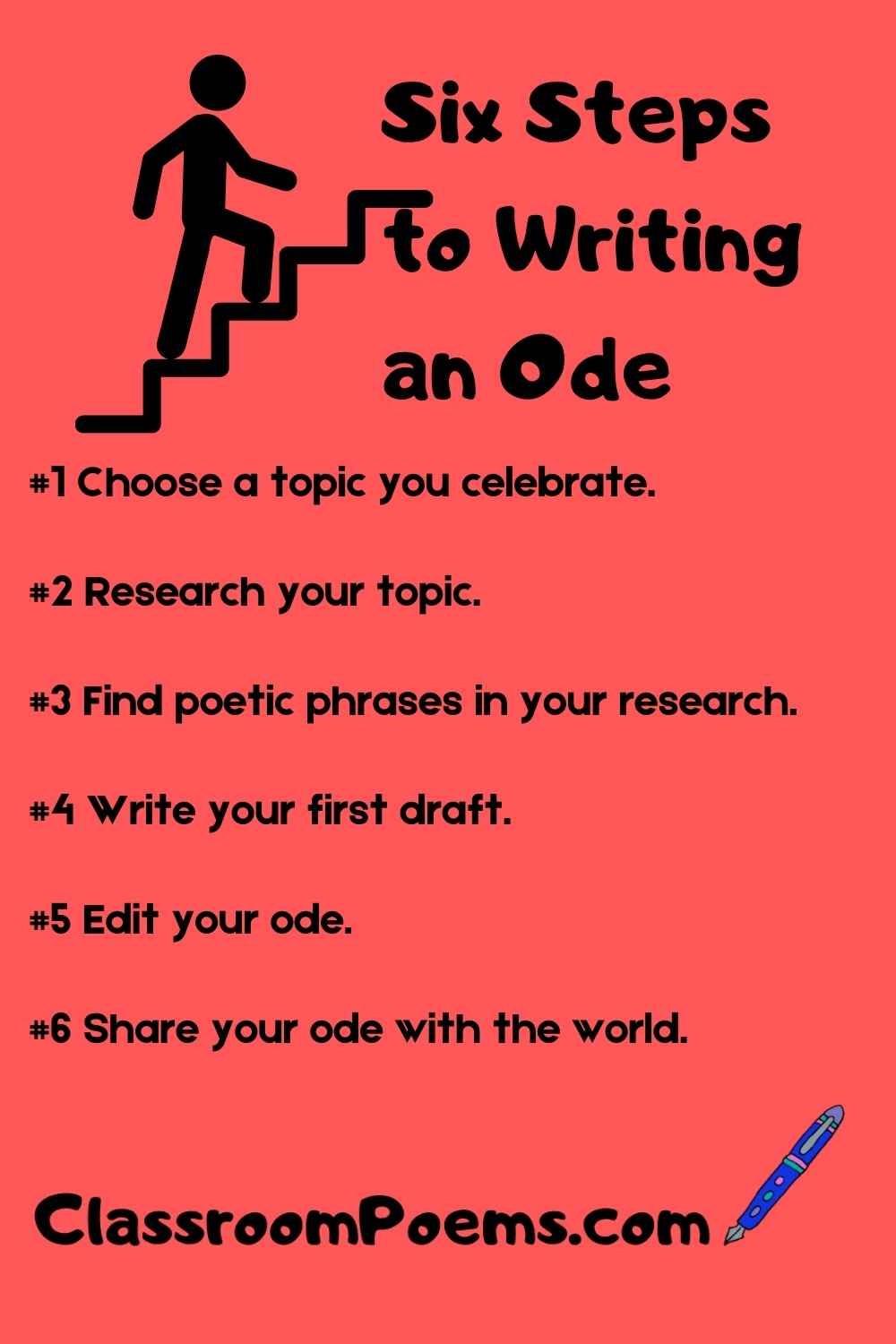
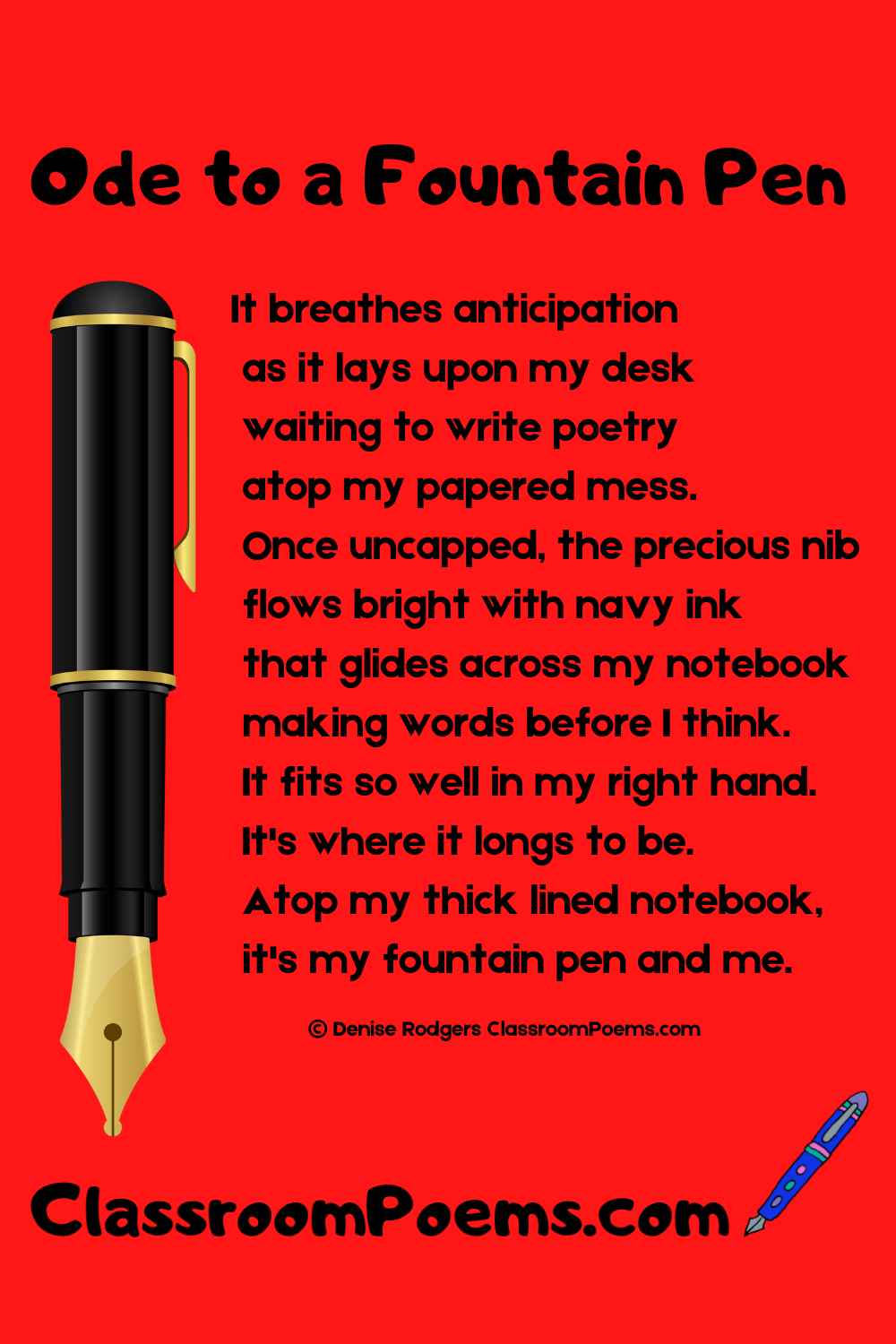
Understanding “what is an ode poem” is only the first step; the second is executing it across your marketing channels. In the digital age, the brand ode isn’t just a poem in a book—it’s a multi-sensory experience.
Visual Storytelling as Poetic Meter
In a digital context, your visuals act as the “meter” or rhythm of your poem. High-quality cinematography, deliberate color palettes, and intentional design choices provide the “exalted tone” necessary for a brand ode. For a personal brand, this might mean a minimalist, high-end website design; for a corporate brand, it might mean a flagship brand film. Every visual element must contribute to the sense of celebration and importance.
Tone and Voice: Maintaining the ‘High Style’
To execute a brand ode, the copy must be impeccable. This doesn’t mean it should be pretentious, but it should be “elevated.” Avoid slang, clichés, and overly aggressive sales language. Instead, focus on evocative verbs, resonant metaphors, and a rhythmic flow. The voice should be confident, insightful, and, above all, respectful of the subject matter. Whether it’s a social media caption or an “About Us” page, the language should feel like a tribute, not a pitch.
Channel Integration: The Symphony of Touchpoints
A brand ode shouldn’t exist in isolation. To be effective, the celebratory narrative must be woven through every touchpoint.
-
Social Media: Instead of just posting product photos, post stories that celebrate your community’s achievements.
-
Email Marketing: Use your newsletters to tell “stories of impact” rather than just listing discounts.
-
Customer Experience: Treat the unboxing experience or the customer service interaction as a continuation of the ode—a celebration of the customer’s choice to engage with you.
By treating your brand strategy as a living ode, you transcend the noise of the marketplace. You move from being a commodity to being a classic. In the end, what is an ode poem? It is a testament to what we value. And in the world of branding, there is no more powerful tool than showing the world exactly what you—and your customers—stand for.
aViewFromTheCave is a participant in the Amazon Services LLC Associates Program, an affiliate advertising program designed to provide a means for sites to earn advertising fees by advertising and linking to Amazon.com. Amazon, the Amazon logo, AmazonSupply, and the AmazonSupply logo are trademarks of Amazon.com, Inc. or its affiliates. As an Amazon Associate we earn affiliate commissions from qualifying purchases.