
In the realm of modern neurology, the term “infarct of the brain”—commonly referred to as an ischemic stroke—represents one of the most critical challenges to human health. An infarct occurs when blood supply to a part of the brain is interrupted or reduced, preventing brain tissue from getting oxygen and nutrients. Within minutes, brain cells begin to die. Historically, the medical community relied on basic observation and delayed imaging, often resulting in permanent disability or fatality. However, we have entered an era where the intersection of high-speed computing, artificial intelligence, and advanced robotics is rewriting the narrative of cerebral infarction.
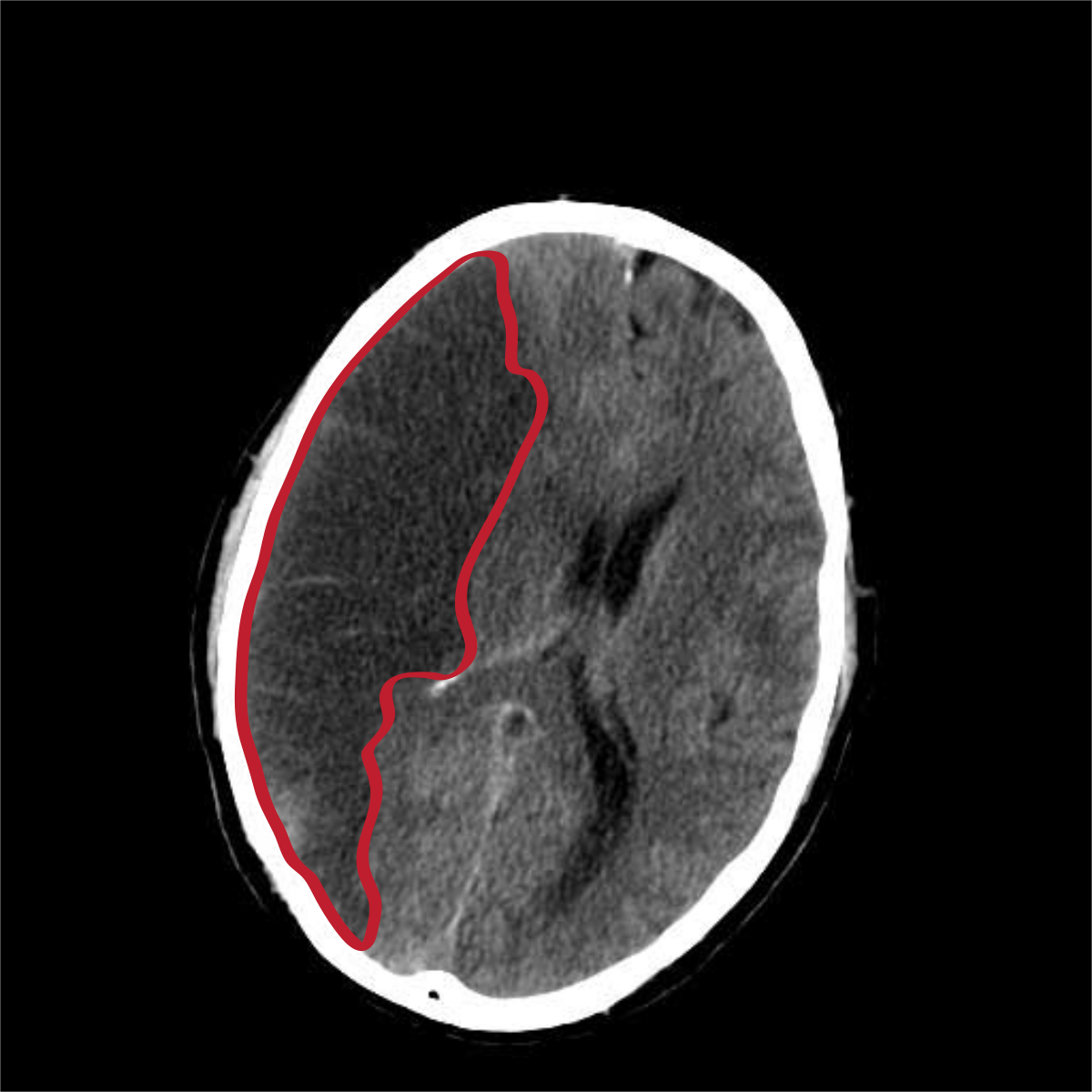
Today, understanding a brain infarct is as much about understanding data science and hardware engineering as it is about biology. From the moment a patient exhibits symptoms to the final stages of neuro-rehabilitation, technology acts as the primary driver for survival and recovery.
The Precision of Modern Neuro-Imaging: Beyond the Basics
To address a brain infarct, one must first see it with absolute clarity. The evolution of neuro-imaging technology has transitioned from graining black-and-white snapshots to high-definition, multi-dimensional data mapping. In the tech-driven landscape of modern hospitals, the diagnosis of an infarct relies on a sophisticated stack of hardware and software.
From CT Scans to High-Resolution MRI
The first line of defense in identifying an infarct is the Computed Tomography (CT) scan. Modern CT scanners utilize advanced X-ray detectors and complex reconstruction algorithms to create cross-sectional images of the brain. However, the real technological leap lies in “CT Perfusion” (CTP). This software-driven process allows clinicians to visualize blood flow through the brain in real-time. By injecting a contrast agent and using automated software to track its transit, tech platforms can differentiate between the “infarct core” (tissue that is already lost) and the “penumbra” (at-risk tissue that can still be saved).
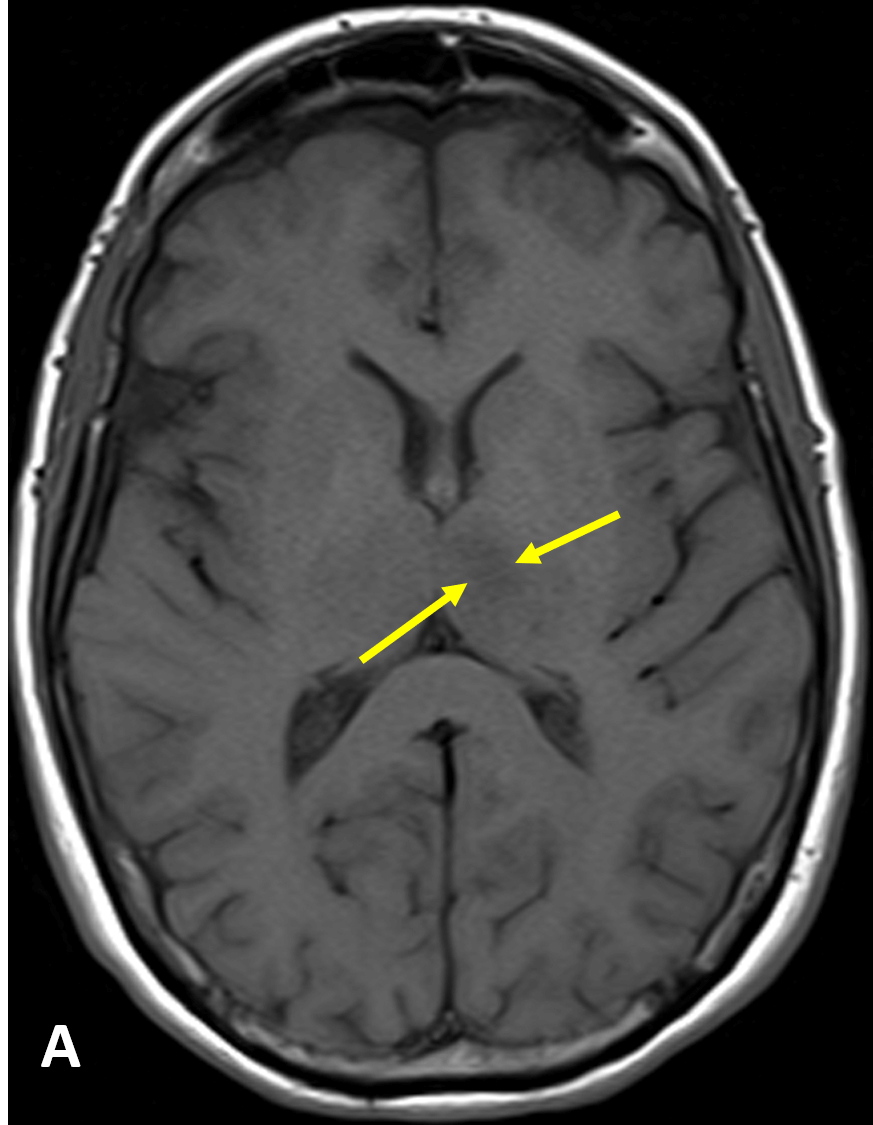
Magnetic Resonance Imaging (MRI) takes this a step further. Utilizing powerful superconducting magnets and radiofrequency pulses, MRI provides unparalleled soft-tissue contrast. Diffusion-Weighted Imaging (DWI), a specific MRI sequence, is perhaps the most sensitive tech tool available, capable of detecting the cellular shifts associated with a brain infarct within minutes of onset.
Automated Ischemic Core Mapping
The current industry standard involves specialized software suites like RapidAI or Viz.ai. These platforms use automated image processing to analyze brain scans instantly. Instead of a radiologist manually measuring the size of an infarct, these cloud-based systems apply thresholding algorithms to quantify the volume of damaged tissue. This data is then pushed to the smartphones of the entire neurosurgical team, ensuring that decision-making happens in seconds rather than hours. This is a prime example of how “Edge Computing” and rapid data dissemination are saving lives in the clinical environment.
Artificial Intelligence: Predicting and Diagnosing Brain Infarction in Seconds
Artificial Intelligence (AI) has moved from a theoretical concept to a functional core of stroke centers worldwide. When it comes to a brain infarct, “time is brain,” and AI is the ultimate tool for accelerating that timeline. By processing vast amounts of imaging data and clinical metrics, AI systems are identifying patterns that the human eye might miss.
Deep Learning Algorithms in Triage
Deep learning—a subset of AI modeled after the human brain’s neural networks—is being trained on millions of neuro-imaging datasets. These algorithms can now identify a “Large Vessel Occlusion” (LVO), the most severe type of brain infarct, with over 90% accuracy. The technology works by comparing the patient’s current scan against a massive library of both healthy and infarcted brain images. When the algorithm detects a match for a blockage, it automatically triggers a high-priority alert. This bypasses traditional hospital hierarchies, moving the patient directly from the scanner to the intervention suite.
Natural Language Processing in Clinical Records
Beyond imaging, Natural Language Processing (NLP) is being used to scan Electronic Health Records (EHR). By analyzing patient history, lab results, and even the nuances of a paramedic’s digital notes, NLP tools can flag patients who are at a high risk for an infarct before they even arrive at the hospital. These predictive analytics platforms look for “silent infarcts”—small areas of brain damage that don’t cause immediate symptoms but serve as a technical warning sign of a massive stroke in the near future.
The Intervention Revolution: Robotics and Tele-Stroke Networks
Once a brain infarct is identified, the technological focus shifts from diagnosis to intervention. The “gold standard” for treating a severe infarct is a mechanical thrombectomy—a procedure where a catheter is threaded through the arteries to physically remove the clot.
Robotic-Assisted Thrombectomy
The latest frontier in this field is the use of endovascular robotics. Traditionally, a highly specialized surgeon must be physically present to perform the procedure. However, new robotic platforms allow for “tele-thrombectomy.” Using high-precision joysticks and low-latency fiber-optic connections, a surgeon in a major metropolitan hub can operate on a patient located hundreds of miles away in a rural clinic. These robots offer sub-millimeter precision, reducing the risk of vessel damage and ensuring the complete removal of the infarct-causing blockage.
Cloud-Based Telemedicine Infrastructure
Tele-stroke networks represent the “Internet of Things” (IoT) applied to emergency medicine. Through high-definition video conferencing and integrated data sharing, a neurologist can perform a remote examination of a patient suspected of having a brain infarct. The tech infrastructure ensures that the remote specialist has the same access to the patient’s vitals and scans as if they were in the room. This democratization of expert care through digital connectivity has drastically reduced the “door-to-needle” time (the time from hospital arrival to treatment) across the globe.
Wearables and Preventive Tech: Monitoring the Ischemic Risk
The most effective way to manage a brain infarct is to prevent it from happening in the first place. This is where consumer-grade and medical-grade wearables have become game-changers. By turning the human body into a continuous stream of data, technology is allowing for the early detection of the precursors to infarction.
Bio-Sensors and Atrial Fibrillation Detection
One of the primary causes of a brain infarct is Atrial Fibrillation (AFib), a heart condition that can cause clots to travel to the brain. Devices like the Apple Watch, Fitbit, and specialized medical patches now utilize photoplethysmography (PPG) and miniaturized Electrocardiogram (ECG) sensors to monitor heart rhythms 24/7. When the device detects an irregular rhythm associated with AFib, it notifies the user to seek medical attention. This proactive data collection is shifting the paradigm from reactive “sick-care” to a tech-driven preventive health model.
The Future of Consumer Neuro-Tech
Looking forward, we are seeing the rise of “Brain-Computer Interfaces” (BCI) and wearable EEG (electroencephalogram) headbands. While currently used mostly for sleep tracking or meditation, research is underway to utilize these sensors for the early detection of “Transient Ischemic Attacks” (TIAs) or “mini-strokes.” By monitoring brain wave patterns and blood oxygenation levels in the cranium (via Near-Infrared Spectroscopy), future wearables could potentially alert a user to a developing infarct before physical symptoms like facial drooping or speech loss even begin.

Conclusion: The Digital Safeguard of the Mind
An infarct of the brain remains a daunting medical event, but the technological tools at our disposal have transformed it from a mysterious “brain attack” into a manageable, data-driven emergency. Through the lens of Tech, we see that the battle against cerebral infarction is being fought on multiple fronts: in the high-resolution pixels of an MRI, the complex code of a deep learning algorithm, the precision motors of a surgical robot, and the silent sensors on our wrists.
As AI continues to refine its predictive capabilities and tele-robotics becomes more accessible, the “infarct” will increasingly be met with a swift, digital response. We are no longer just treating the brain; we are upgrading our entire infrastructure to protect it. In the high-stakes world of neurology, technology is the ultimate ally, ensuring that a blockage in an artery does not mean an end to a patient’s story, but rather a hurdle overcome by the power of human innovation.
aViewFromTheCave is a participant in the Amazon Services LLC Associates Program, an affiliate advertising program designed to provide a means for sites to earn advertising fees by advertising and linking to Amazon.com. Amazon, the Amazon logo, AmazonSupply, and the AmazonSupply logo are trademarks of Amazon.com, Inc. or its affiliates. As an Amazon Associate we earn affiliate commissions from qualifying purchases.