
In the landscape of global fashion and apparel, few garments possess the enduring cross-cultural appeal of the poncho. While often viewed through the lens of utilitarian warmth or bohemian aesthetic, the poncho serves as a masterclass in minimalist design and functional branding. For designers, retailers, and brand strategists, the poncho is not merely a piece of cloth with an opening for the head; it is a primary example of how a simple geometric concept can be elevated into a globally recognized silhouette, transcending geographic boundaries to become a staple of corporate identity and lifestyle branding.
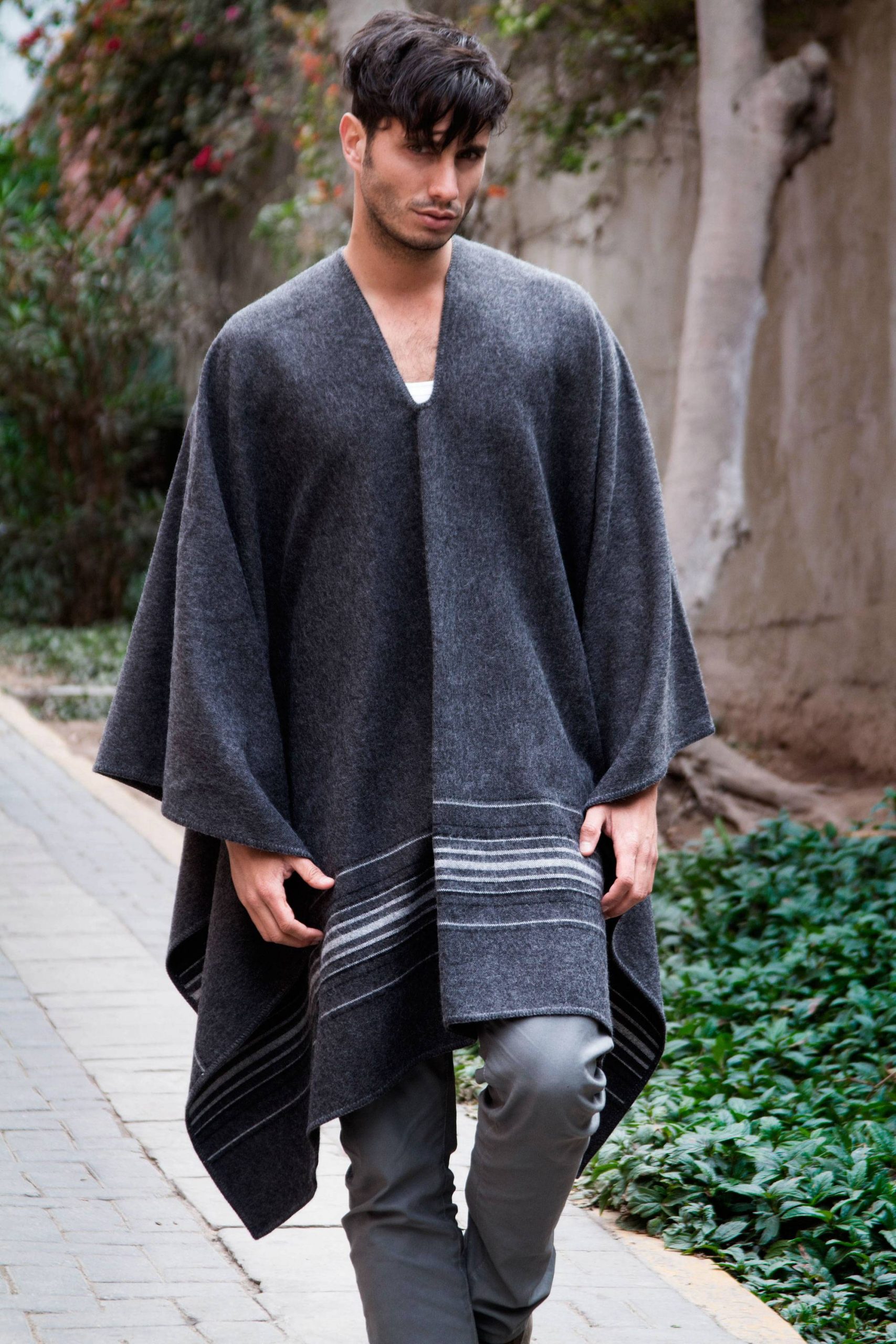
The Design Philosophy of Minimalist Utility
At its core, the poncho is a triumph of structural efficiency. Unlike traditional tailored garments that require complex patterns, darts, and structured seams, the poncho relies on the drape of fabric and the geometry of the square or rectangle. From a branding perspective, this simplicity is its greatest strength.
The Power of the Silhouette
In design, the silhouette is the most immediate communicator of brand identity. The poncho provides a distinct, recognizable shape that is instantly identifiable from a distance. Because it is a “one-size-fits-all” solution, it removes the friction of complex sizing—a significant advantage in direct-to-consumer (DTC) marketing strategies. When a brand chooses to incorporate a poncho into their collection, they are signaling a commitment to ease, versatility, and inclusive design.
Materiality and Texture
Because the design is inherently simple, the brand narrative often shifts toward the materiality of the garment. Whether it is high-end cashmere, weather-resistant technical nylon, or traditional hand-woven wool, the fabric becomes the primary touchpoint for the consumer. Brands that successfully leverage the poncho do so by emphasizing sensory quality, using the garment’s large surface area as a canvas to showcase their commitment to sourcing, textile innovation, and sustainability.
The Evolution of the Poncho as a Brand Staple
Historically, the poncho originated in the Andes, functioning as a vital tool for survival in harsh climates. However, in the modern commercial era, the poncho has undergone a systematic rebranding. It has transitioned from a rustic necessity to a luxury item, and eventually into a high-performance technical garment.
From Cultural Heritage to Global Trend
The successful adoption of the poncho into mainstream fashion illustrates the concept of “cultural synthesis.” Brands that successfully interpret traditional designs for a modern market often find success by balancing respect for the garment’s origins with modern aesthetic sensibilities. When a brand treats a piece of history with intellectual rigor—by acknowledging its roots while updating the cut or utilizing modern performance fibers—they build trust with their audience.
The Technical Pivot
In recent years, the poncho has seen a massive resurgence in the “gorpcore” and outdoor apparel markets. By utilizing proprietary fabrics such as GORE-TEX or innovative lightweight synthetic blends, outdoor brands have repurposed the poncho as an essential piece of technical gear. This shift demonstrates how a brand can take a legacy item and re-engineer it to solve contemporary problems—such as portability, breathability, and waterproofing—thereby deepening their value proposition in a crowded marketplace.
Marketing the Poncho: Branding Beyond the Hanger

For marketers, the poncho offers a unique challenge: because it is so simple, how do you differentiate it from a generic wrap or a blanket? The answer lies in the layering of brand values and the storytelling surrounding the “wearable comfort” movement.
Lifestyle Positioning and the “Cocooning” Trend
Modern consumers are increasingly drawn to products that offer security and comfort. The poncho taps into this by providing a “cocooning” experience. Brands that market the poncho as a transition piece—something that can be worn in the office, on a flight, or at a campfire—position themselves as facilitators of an effortless lifestyle. This is a critical marketing pivot: stop selling a garment and start selling the versatility of the experience.
The Role of Limited Editions and Collaboration
Because the poncho is a relatively simple product to produce, it serves as an excellent vehicle for designer collaborations and limited-edition drops. The large surface area allows for artistic collaborations, bold graphic prints, or limited-run patterns that turn a simple garment into a collector’s item. For a brand, this creates a sense of urgency and exclusivity, allowing them to test bold design concepts without the financial risks associated with complicated tailored goods.
Architectural Integrity and Brand Sustainability
Sustainability is perhaps the most significant topic in modern fashion strategy. The poncho, by virtue of its lack of complex tailoring, is inherently more sustainable than many other garments.
Reducing Waste through Pattern Efficiency
The poncho design requires minimal cutting and shaping, which means there is significantly less textile waste during the production process compared to traditional apparel. Brands that highlight this aspect of their manufacturing process can leverage the poncho to support their corporate social responsibility (CSR) initiatives. By educating the consumer on why this garment is “low-impact,” the brand reinforces a message of conscious consumption.
Longevity and Timelessness
A successful brand is one that remains relevant over time. Fast fashion relies on trends that expire in months; high-level brand strategy relies on creating “perennial” items. The poncho, due to its lack of reliance on trends like shoulder padding, waistlines, or sleeve lengths, is a timeless item. When a brand invests in the marketing of a high-quality poncho, they are positioning their brand as a purveyor of “forever” items. This long-term mindset shifts the customer relationship from one-off transactional sales to long-term brand loyalty.
Implementing the Poncho Strategy in Modern Retail
If you are a brand strategist looking to incorporate the poncho into your product portfolio, you must focus on the convergence of form and function.
Identifying the Market Gap
First, analyze your target demographic. Does your audience value the artisanal story, or do they value the technical, performance-driven aspect of the garment? The success of a poncho product depends entirely on the alignment of the material with the specific needs of the consumer.
Communicating Value Through Visuals
Because the poncho is a garment of drape and movement, static product photography often fails to capture its appeal. Effective marketing for this product requires motion—video content showing the garment being styled in different ways, the texture of the fabric in light, and its adaptability to different environments. By visually demonstrating the “three ways to wear it” or its “packability,” the brand bridges the gap between a confusing piece of fabric and a must-have accessory.

The Strategic Conclusion
Ultimately, the poncho is more than an article of clothing; it is a case study in how simplicity can be the ultimate competitive advantage. For a brand to thrive, it must understand that the poncho’s design is a blank canvas. By choosing the right narrative—whether that is one of heritage, high-performance, or sustainable luxury—a brand can turn this simple geometric shape into an icon of their own identity. The lesson is clear: when you strip away the unnecessary complexity of a product, you are left with the essence of what that product represents. In the world of branding, that essence is exactly what builds lasting equity.
aViewFromTheCave is a participant in the Amazon Services LLC Associates Program, an affiliate advertising program designed to provide a means for sites to earn advertising fees by advertising and linking to Amazon.com. Amazon, the Amazon logo, AmazonSupply, and the AmazonSupply logo are trademarks of Amazon.com, Inc. or its affiliates. As an Amazon Associate we earn affiliate commissions from qualifying purchases.