
The Evolution of Apparel Branding and Market Positioning
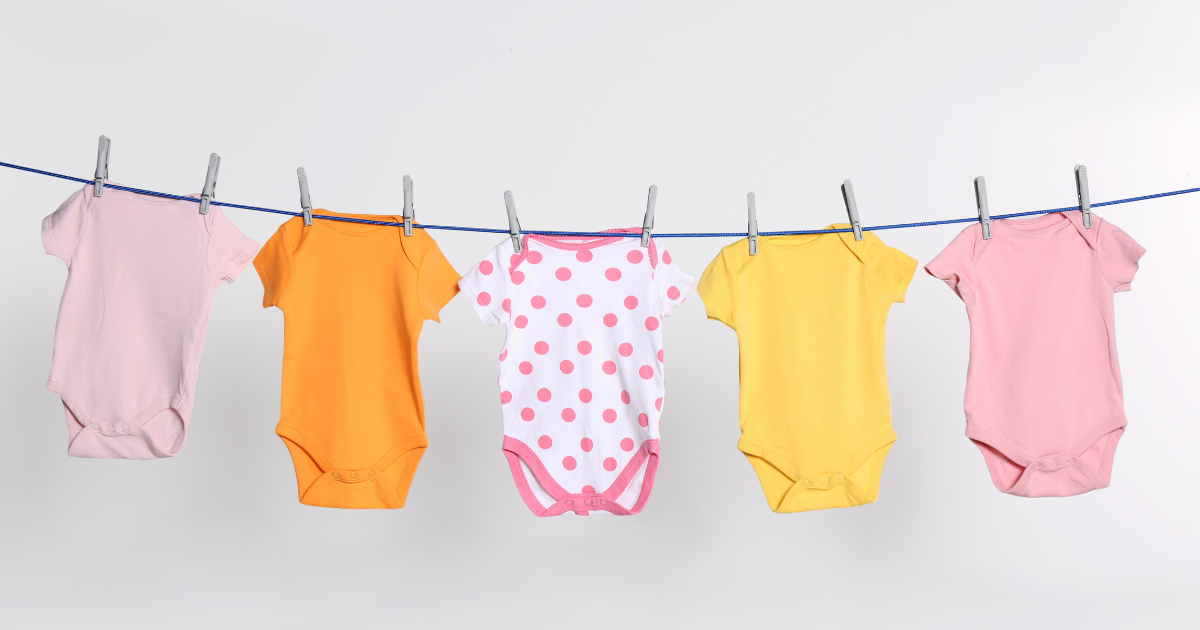
In the contemporary fashion landscape, the “onesie”—a single-piece garment originally derived from infant sleepwear—has undergone a radical transformation. Beyond its functional roots, the onesie represents a fascinating case study in brand extension and niche market penetration. By analyzing the trajectory of this garment, we can observe how specific design aesthetics transition from utilitarian commodities to lifestyle symbols, ultimately defining how brands cultivate consumer identity and market loyalty.
When a brand adopts a product as distinct as the onesie, it is not merely adding an SKU to a catalog; it is making a statement about the brand’s positioning. Whether marketed as luxury loungewear, novelty streetwear, or high-performance athletic gear, the onesie serves as a vehicle for brand expression. The successful integration of such a polarizing item requires a rigorous approach to brand strategy, ensuring that the product reinforces, rather than dilutes, the existing corporate identity.
Defining Brand Identity Through Product Choice
The core of effective brand strategy lies in the alignment of product offerings with the perceived values of the target demographic. When a company decides to manufacture or feature a onesie, it must evaluate how this garment aligns with its established narrative. Is the brand focused on comfort and inclusivity, or does it lean toward bold, disruptive fashion?
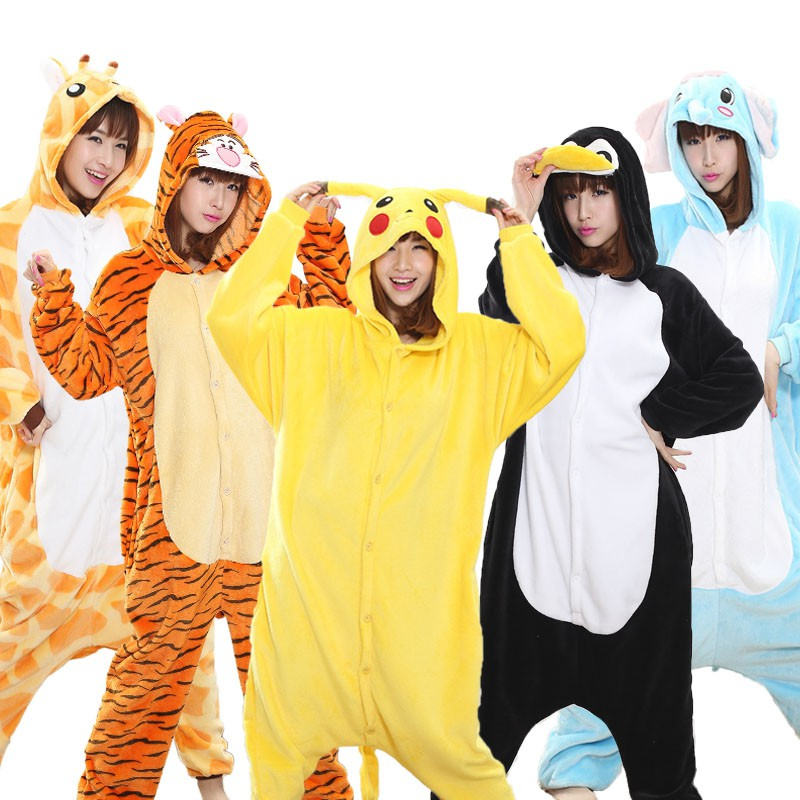
For many lifestyle brands, the onesie has become a focal point for “cozy-core” marketing—a movement that prioritizes home-centric comfort and authentic self-expression. By positioning the onesie as a central piece of their collection, these brands signal to their audience that they prioritize the user’s quality of life. This creates a psychological contract between the brand and the consumer, where the garment acts as a tangible manifestation of the brand’s promise of comfort.
The Psychology of Niche Appeal
A product’s success is rarely accidental. It is the result of careful brand positioning that exploits specific consumer desires. The onesie taps into the desire for convenience, playfulness, and a departure from the rigidity of traditional professional attire. From a branding perspective, this is a masterclass in emotional marketing. By stripping away the need to coordinate separates, the brand offers the consumer a solution that is both practical and psychologically freeing.
Brands that successfully deploy the onesie often leverage “community-led growth.” They encourage customers to showcase the garment in social media spaces, effectively turning the product into a badge of belonging. This strategy moves the item from the category of “clothing” to “lifestyle accessory,” deepening the emotional bond between the user and the brand.
Designing the Consumer Experience
When a brand introduces a product like the onesie into its ecosystem, the design process must go beyond aesthetics. It must integrate seamlessly into the brand’s visual and operational identity. This section explores how strategic design impacts customer perception and brand equity.
Materiality and Brand Perception
The choice of fabric—whether it be organic cotton, technical fleece, or high-end silk—communicates volumes about the brand’s values. A brand positioning itself as an eco-conscious leader will likely utilize sustainable textiles, effectively reinforcing its identity as a steward of the environment. Conversely, a luxury fashion house may use premium synthetic blends to emphasize form, structure, and high-fashion utility.
Consistency is key. If a brand known for durability and outdoor utility introduces a onesie, the materials must reflect that heritage. Using thin, non-durable fabric would result in a disconnect that confuses the consumer and diminishes the brand’s integrity. The onesie must feel like a natural evolution of the brand’s existing product line.
The Aesthetics of Identity
Visual identity, including color palettes, pattern design, and hardware, plays a crucial role in the onesie’s market reception. Brands that utilize signature prints or proprietary color ways can turn a standard onesie into a recognizable piece of brand collateral. This serves as a walking advertisement, reinforcing brand recognition in public spaces.

Furthermore, the silhouette of the onesie provides a unique canvas. It challenges designers to balance comfort with flattery, a difficult technical feat that, when executed well, builds immense brand trust. A well-designed onesie that solves the technical problems inherent in one-piece garments—such as ease of movement and accessibility—positions the brand as an innovative leader in apparel construction.
Strategic Marketing and Lifecycle Management
How a brand launches and sustains a product like the onesie dictates its long-term viability. A haphazard approach leads to a “fad” status, while a strategic rollout establishes the item as a “staple.”
Positioning for Sustainability vs. Trend Cycles
Many brands make the mistake of treating the onesie as a seasonal trend. However, to maximize brand equity, a more effective strategy is to treat the onesie as a core lifestyle garment. This involves:
- Continuous Iteration: Regularly updating features, such as pockets, zippers, or fabric technologies, to keep the product relevant.
- Themed Collections: Linking the onesie to specific brand events or limited-edition drops, which creates urgency and increases perceived value.
- Customer Feedback Loops: Engaging with the user base to determine how they actually use the garment, then incorporating that data into future iterations.
By managing the onesie as a long-term asset, brands avoid the “dump and run” cycle of cheap, novelty goods. This reinforces the brand’s reputation for quality and long-term thinking, which are essential components of a robust corporate identity.
Influencer Synergy and Digital Presence
In the modern marketplace, the digital visibility of a product is paramount. The onesie, due to its unique visual nature, is highly shareable on visual-centric social media platforms. Brands often use this to their advantage by partnering with influencers whose personal brands align with the comfort-first or lifestyle aesthetic.
This is not merely about exposure; it is about alignment. When a brand selects an influencer to represent its onesie line, it is essentially asking the audience to view the garment through the lens of that individual’s personal brand. If the alignment is precise, the marketing efforts feel organic and authentic. If the choice is disconnected, the campaign can appear forced, damaging both the brand’s credibility and the influencer’s standing.
Future-Proofing the One-Piece Phenomenon
As consumer preferences continue to shift toward multipurpose, comfortable, and identity-driven clothing, the onesie is likely to see continued evolution. The brands that will succeed in this space are those that view the garment not as a temporary novelty, but as a permanent fixture in the modern, hybrid-work and leisure-focused wardrobe.
Adapting to the Hybrid Lifestyle
The rise of remote and hybrid work environments has accelerated the demand for garments that transition effortlessly from “work-from-home” professional to “evening-at-home” casual. The onesie is uniquely positioned to bridge this gap. Forward-thinking brands are now experimenting with tailoring and fabric blends that mimic the appearance of structured attire while retaining the comfort of lounge gear.
By anticipating these shifts, brands can solidify their position as innovators. The onesie becomes a tool for professional adaptability, meeting the consumer’s need for clothing that serves multiple roles throughout the day. This type of strategic foresight is what separates market leaders from stagnant competitors.
Conclusion: The Strategic Imperative
The “onesie” is much more than a singular piece of clothing; it is a profound illustration of how apparel functions as a component of broader brand strategy. By carefully aligning design, materials, and marketing, companies can transform a simple concept into a powerful identity marker.
For brands looking to enter or refine their standing in the fashion sector, the lesson is clear: every product introduced must serve the brand’s identity. The onesie, when leveraged with precision and insight, provides a unique opportunity to connect with consumers on a personal level, proving that even the most casual of garments can be an essential pillar of a sophisticated corporate strategy. Whether it is used to capture a new audience or to reinforce existing values, the onesie remains a potent instrument for any brand intent on defining its place in the modern market.
aViewFromTheCave is a participant in the Amazon Services LLC Associates Program, an affiliate advertising program designed to provide a means for sites to earn advertising fees by advertising and linking to Amazon.com. Amazon, the Amazon logo, AmazonSupply, and the AmazonSupply logo are trademarks of Amazon.com, Inc. or its affiliates. As an Amazon Associate we earn affiliate commissions from qualifying purchases.