
The pursuit of a Doctor of Osteopathic Medicine (DO) degree represents not merely an academic endeavor or a vocational calling, but a profound financial investment with far-reaching implications. In a world increasingly driven by economic realities, understanding the financial landscape surrounding a DO degree is crucial for aspiring physicians. This article delves into the monetary aspects of obtaining and practicing with a DO degree, viewing it through the lens of personal finance, investment strategy, and long-term wealth building. It’s a journey that demands meticulous planning, disciplined execution, and a clear understanding of the significant capital outlay required, alongside the substantial, though delayed, financial returns.
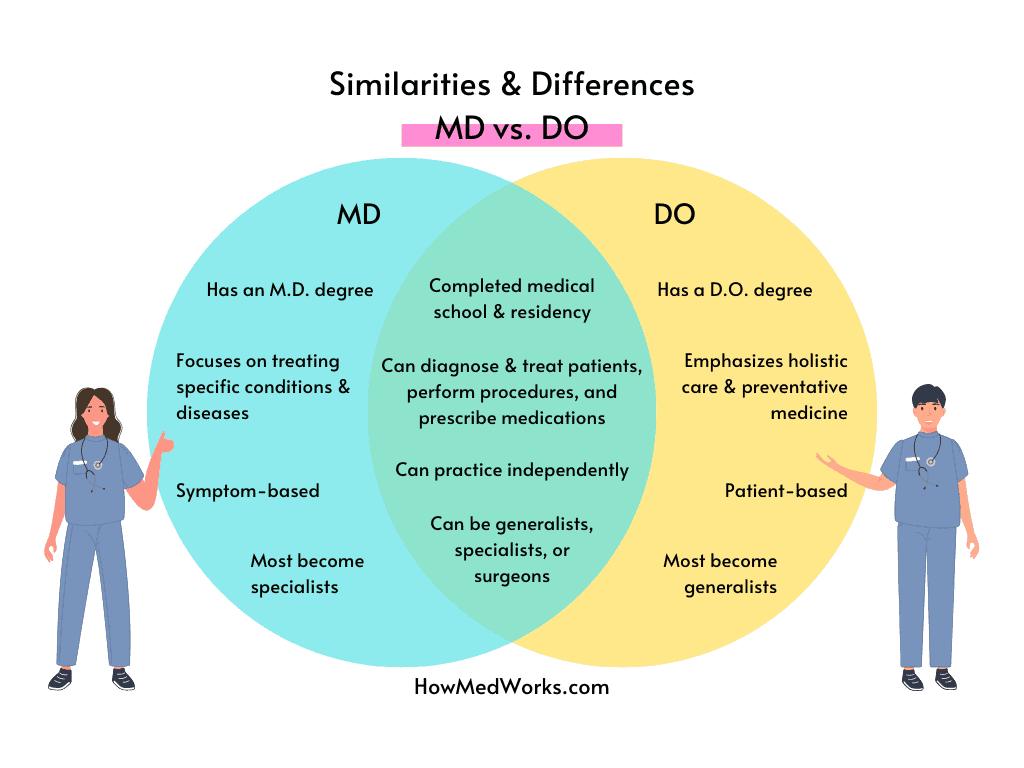
The Financial Landscape of Pursuing a DO Degree
Embarking on the path to becoming an osteopathic physician is a commitment of time, intellectual rigor, and, crucially, capital. The financial outlay begins long before the first patient encounter, shaping the economic trajectory of the individual for decades.
Understanding the Upfront Costs
The most immediate financial hurdle for any prospective DO student is the cost of education. Tuition fees for osteopathic medical schools can range significantly, often comparable to or even exceeding those of allopathic (MD) programs. These costs typically fall between $35,000 and $65,000 per year for tuition alone, depending on whether the institution is public or private, and whether the student is an in-state or out-of-state resident.
Beyond tuition, prospective students must budget for a myriad of other expenses. These include mandatory fees, health insurance, textbooks, medical equipment (like stethoscopes and diagnostic kits), examination fees (such as the MCAT and board exams), and professional organization dues. Furthermore, the cost of living—rent, utilities, food, transportation, and personal expenses—constitutes a significant portion of the annual budget, particularly in urban areas where many medical schools are located.
An often-overlooked financial consideration is the “opportunity cost.” For the four years spent in medical school, and often an additional 3-7 years in residency, individuals are typically not earning a full-time professional salary. This foregone income, which could have been generated in an alternative career, represents a substantial invisible cost that compounds over time. This delay in peak earning potential further underscores the financial gravity of the decision to pursue a DO degree.
Funding Your Medical Education
Given the substantial costs, most DO students rely heavily on a combination of funding sources. Student loans are the primary mechanism for financing medical education. Federal student loans, such as Direct Unsubsidized Loans and Grad PLUS loans, are popular due to their relatively favorable terms, including income-driven repayment options and potential for Public Service Loan Forgiveness (PSLF). However, these loans often accrue significant interest over the years, leading to substantial repayment burdens post-graduation. Private student loans from banks or credit unions can bridge funding gaps but typically come with higher interest rates and fewer borrower protections.
Scholarships and grants offer a critical avenue for reducing debt. These are non-repayable funds awarded based on merit, financial need, or specific criteria (e.g., diversity, research interest, rural medicine commitment). While highly competitive, securing even partial scholarships can alleviate considerable financial pressure. Service commitments, such as those offered by the military (e.g., Health Professions Scholarship Program – HPSP) or the National Health Service Corps (NHSC), provide full tuition and a stipend in exchange for a period of service in underserved areas after residency. These programs offer significant financial relief but come with a binding service obligation that can dictate initial career choices.
The Long-Term Commitment
The financial commitment doesn’t end with medical school graduation. Residency, while providing a modest salary (typically $50,000-$70,000 annually), is often below the living wage for the demanding hours, especially when considering the accumulated student loan interest. Post-residency, physicians face ongoing costs for licensing, board certification exams, continuing medical education (CME) credits, professional liability insurance (malpractice insurance), and professional organization memberships. These recurring expenses are integral to maintaining a medical license and staying current in the field, representing a perpetual financial overhead for any practicing DO.
The Return on Investment (ROI) of a DO Career
Despite the formidable financial barriers, a DO degree generally yields a robust return on investment, primarily through high earning potential and career stability. This ROI, however, materializes over an extended period.
Earning Potential and Salary Expectations
Upon completing residency, DO physicians enter a highly compensated profession. While salaries vary widely based on specialty, geographic location, and practice setting, DOs generally earn comparable salaries to their MD counterparts. According to various medical salary surveys, primary care DOs (family medicine, internal medicine, pediatrics) can expect to earn between $200,000 and $280,000 annually. Specialists, such as surgeons, cardiologists, or dermatologists, often command salaries upwards of $350,000 to over $500,000 per year, with some highly specialized fields exceeding these figures.
These figures represent a significant lifetime earning capacity, far outweighing the initial investment. However, it’s crucial to consider the substantial debt carried into these high-earning years, which can initially offset a portion of the take-home pay.
Career Stability and Demand
The healthcare sector is remarkably resilient to economic downturns, making a career in medicine inherently stable. The demand for physicians, including DOs, is projected to grow significantly due to an aging population, increasing chronic disease burden, and physician retirements. This strong job security ensures a consistent stream of income and provides a safeguard against economic volatility, offering invaluable peace of mind.
Furthermore, the flexibility of a DO degree allows for diverse career paths—from private practice to hospital employment, academic medicine, research, public health, or even consulting. This adaptability enhances career longevity and provides options for modifying one’s professional life to suit changing financial or personal circumstances.
Intangible Returns with Financial Value
While not directly quantifiable in dollars, the intangible benefits of a DO degree often translate into a higher quality of life and a profound sense of purpose, which can indirectly contribute to financial well-being. The autonomy often associated with medical practice, the intellectual stimulation of complex problem-solving, and the deep satisfaction derived from helping patients can reduce burnout and enhance career longevity. A fulfilling career can indirectly improve financial outcomes by reducing the need for costly external sources of gratification and fostering a stable, purposeful existence that supports consistent earning and saving.
Navigating Student Debt and Financial Planning for DOs
The high earning potential of DOs is often coupled with substantial student loan debt. Effective financial planning from day one is paramount to manage this debt and build wealth.
Strategies for Debt Management
The average medical school debt for DO graduates often exceeds $250,000, and can approach $400,000 or more with accumulated interest. Strategic debt management is therefore critical. Income-Driven Repayment (IDR) plans (e.g., PAYE, REPAYE, IBR) can make monthly payments manageable by tying them to a percentage of discretionary income. This is particularly useful during residency when income is lower.
Refinancing, typically pursued post-residency when a higher salary can secure lower interest rates, can significantly reduce the overall cost of the loan. However, refinancing federal loans into private loans means losing federal protections like IDR and PSLF. Public Service Loan Forgiveness (PSLF) offers complete forgiveness of federal student loan debt after 120 qualifying payments while working full-time for a non-profit organization or government entity. This can be a game-changer for DOs who pursue careers in academic medicine, public health, or certain hospital systems.
Early Career Financial Planning
Even with significant debt, establishing sound financial habits early in a DO’s career is vital. Budgeting is fundamental to understanding where money goes and identifying areas for saving. Building an emergency fund, typically 3-6 months of living expenses, provides a financial safety net. Crucial insurance needs include disability insurance (to protect future income in case of illness or injury), malpractice insurance (which is often covered by employers but essential for those in private practice), and life insurance (especially for those with dependents). Starting retirement contributions, even small amounts, as soon as possible takes advantage of compounding interest, a powerful wealth-building tool.
Building Wealth as a Physician
As income increases post-residency, DOs have substantial opportunities for wealth accumulation. Investing strategically in tax-advantaged accounts like 401(k)s, 403(b)s, and Roth IRAs should be prioritized. Maximizing contributions to these accounts reduces taxable income and allows investments to grow tax-free or tax-deferred. Diversified investment portfolios, often comprising low-cost index funds or exchange-traded funds (ETFs), are recommended for long-term growth. Engaging with a financial advisor specializing in physician finances can provide tailored strategies for investment, tax planning, and overall wealth management, leveraging their unique financial situation.
The Entrepreneurial Path: DOs in Private Practice
For some DOs, the allure of autonomy and direct control over patient care leads them to establish their own private practices. This entrepreneurial path introduces a distinct set of financial considerations and opportunities, moving beyond personal finance into the realm of business finance.
Assessing the Financial Viability of Practice Ownership
Opening a private practice is a substantial business investment. Startup costs are extensive and can include real estate acquisition or leasehold improvements, medical equipment, electronic health record (EHR) systems, office furniture, legal fees for practice formation, marketing, and initial operating capital for salaries and supplies before revenue stabilizes. These costs can range from hundreds of thousands to over a million dollars, often requiring significant business loans.
Furthermore, ongoing overhead expenses are considerable: staff salaries and benefits, rent, utilities, medical supplies, insurance (malpractice, property, liability), IT services, and billing/coding services. Revenue generation relies heavily on patient volume, reimbursement rates from insurance companies, and efficient billing practices. A thorough financial projection and business plan are essential to determine the viability and potential profitability of a private practice.
Business Finance and Management Essentials
DOs who own practices must become adept at business finance and management. This includes robust accounting practices to track income and expenses, manage cash flow, and ensure profitability. Payroll management, including understanding tax obligations and employee benefits, is critical. Compliance with healthcare regulations (e.g., HIPAA, Medicare/Medicaid rules) is not only ethical but also financially imperative to avoid penalties. Strategic marketing and patient acquisition efforts are necessary to build and maintain a thriving patient base, from digital presence to community outreach. Understanding the complex landscape of insurance contracts and negotiation is also vital for maximizing reimbursement.
Strategic Financial Decisions for Growth
For a private practice to flourish, DO owners must make strategic financial decisions for growth and sustainability. This could involve expanding services, investing in new technologies (e.g., advanced diagnostic equipment, telemedicine platforms), hiring additional staff or associates, or even acquiring other practices. Succession planning is also a crucial long-term financial consideration, whether selling the practice, bringing in partners, or transitioning ownership. Each decision carries significant financial implications, requiring careful analysis of potential ROI and risk.
Holistic Financial Well-being for the Osteopathic Physician
The financial journey of a DO is intricate, extending beyond mere income and expenses to encompass a holistic view of well-being, where money serves as a tool to achieve personal and professional goals.
Balancing Lifestyle and Financial Goals
The demanding nature of medical practice means that work-life balance is a constant negotiation. Financial decisions should align with personal values and desired lifestyle. Sacrificing all leisure for maximum savings, or conversely, overspending due to professional stress, can lead to burnout or financial strain. Strategic financial planning can help DOs fund desired experiences, hobbies, and family time while still achieving their long-term wealth objectives. This might involve setting aside specific funds for vacations, continuing education, or even early retirement planning, ensuring that financial success supports, rather than detracts from, overall life satisfaction.
Protecting Your Assets and Future
Beyond accumulating wealth, protecting it is equally important. Estate planning ensures that assets are distributed according to one’s wishes and minimizes tax liabilities for heirs. This includes wills, trusts, and advance directives. Asset protection strategies, such as establishing appropriate legal entities for practices or utilizing certain insurance policies, can safeguard personal wealth from potential lawsuits or financial claims, a particular concern in the high-stakes medical profession.

The Continuous Cycle of Financial Growth
The financial world is dynamic, requiring continuous learning and adaptation. Staying informed about economic trends, tax law changes, investment opportunities, and healthcare policy shifts is vital for sustained financial growth. Lifelong financial education, whether through professional advisors, reputable financial publications, or dedicated courses, empowers DOs to make informed decisions that optimize their financial health throughout their careers and into retirement.
In conclusion, a DO degree in medicine is much more than a certification; it is a profound financial commitment and a pathway to significant financial rewards. From managing substantial educational debt to navigating a high-earning career and potentially running a business, the financial acumen of an osteopathic physician is as critical as their clinical skills. By approaching their financial journey with deliberate planning, ongoing education, and strategic decision-making, DOs can not only secure their own financial future but also build a legacy of stability and prosperity.
aViewFromTheCave is a participant in the Amazon Services LLC Associates Program, an affiliate advertising program designed to provide a means for sites to earn advertising fees by advertising and linking to Amazon.com. Amazon, the Amazon logo, AmazonSupply, and the AmazonSupply logo are trademarks of Amazon.com, Inc. or its affiliates. As an Amazon Associate we earn affiliate commissions from qualifying purchases.