
The question “what happened to Kid President?” is more than just idle curiosity; it’s a fascinating lens through which to examine the intricate world of personal branding. In an era saturated with digital personas, viral sensations, and transient fame, the trajectory of a figure like Kid President offers invaluable insights into the lifecycle, challenges, and enduring impact of a high-profile personal brand. It speaks to the universal appeal of authenticity, the complexities of managing public perception, and the strategic choices that determine whether a fleeting moment of internet fame blossoms into a lasting legacy or gracefully fades into memory. This article delves into the “what happened” not as a search for a single, definitive answer about an individual, but as a comprehensive exploration of the branding principles that govern the rise, sustenance, and evolution of any prominent personal brand that captures the collective imagination.

The Phenomenon of “Kid President”: Building a Persona and Capturing Hearts
At its peak, the “Kid President” persona was a masterclass in effective personal branding. It wasn’t merely a character; it was a carefully constructed identity that resonated deeply with a global audience, demonstrating how a clear vision, authentic voice, and compelling message can rapidly establish a powerful brand presence.
Crafting the Core Brand Identity: The Unique Value Proposition and Messaging
The essence of the Kid President brand lay in its unique value proposition: delivering profound, often inspirational messages through the unfiltered, optimistic lens of a child. This combination created a powerful contrast – the gravitas of a president combined with the innocence and directness of a kid – that immediately differentiated it from the sea of online content. The messaging was consistently positive, encouraging, and focused on universal themes of kindness, ambition, and making the world a better place. This clarity of purpose and unwavering message formed the bedrock of its brand identity, making it instantly recognizable and deeply relatable. It wasn’t about politics in the traditional sense, but about the spirit of leadership and community, distilled into an accessible, heartwarming package.
Viral Ascent and Audience Engagement: How the Brand Achieved Widespread Recognition and Connected with Its Audience
The brand’s ascent to viral fame was a testament to its inherent shareability and emotional resonance. Content featuring Kid President was not just watched; it was felt. Videos were short, punchy, and packed with memorable quotes and infectious enthusiasm. This made them ideal for social media sharing, where emotional impact often dictates virality. The brand excelled at engaging its audience not just as passive viewers, but as participants in a larger movement of positivity. Calls to action, such as “make the world more awesome,” empowered the audience and fostered a sense of community around the brand’s values. This active engagement transformed viewers into evangelists, amplifying the brand’s reach exponentially and solidifying its place in the cultural zeitgeist.
The Power of Authenticity and Timeliness: What Made the Brand Resonant During Its Peak
A critical factor in the Kid President brand’s success was its perceived authenticity. The natural charisma and genuine enthusiasm of the individual behind the persona were palpable, preventing the brand from feeling manufactured or cynical. This authenticity built trust and fostered a deep connection with the audience. Furthermore, the brand’s emergence was timely. It provided a much-needed dose of optimism and simple wisdom in an often complex and cynical world. It offered an accessible antidote to adult anxieties, reminding people of fundamental truths through a refreshingly innocent perspective. This combination of genuine spirit and opportune timing created a brand that wasn’t just popular, but truly meaningful to millions, laying a robust foundation for its future, whatever path it might take.
The Inevitable Crossroads: Sustaining a High-Profile Personal Brand
Every high-profile personal brand, regardless of its initial success, eventually reaches a crossroads. The challenge shifts from achieving recognition to sustaining relevance and managing evolution. For a brand like Kid President, which was intrinsically linked to an individual’s age and stage of life, these challenges were amplified, forcing strategic considerations about its future.
Managing Expectations and Brand Evolution: The Challenge of Growing Up or Outgrowing a Persona
One of the most significant hurdles for any personal brand, particularly one built on a specific stage of life or persona, is managing the natural progression of the individual behind it. The “Kid President” brand was inherently tied to the concept of a child dispensing wisdom. As the individual grew older, the very premise of the brand faced an existential threat. How does a “Kid President” transition into a “Teenage President” or an “Adult President” without losing the core magic that made the brand unique? This necessitates careful brand evolution—either adapting the persona to reflect growth while retaining its essence, or acknowledging that the original concept has a natural lifespan. Unmanaged, the disconnect between the evolving individual and the static brand image can lead to audience confusion or disillusionment, highlighting the need for proactive strategic planning.
Diversification vs. Niche Specialization: Strategic Choices for Brand Longevity
For personal brands seeking longevity, a critical decision point is whether to diversify their content and offerings or to double down on their niche. Kid President excelled in a very specific niche: motivational content delivered by a child. While this specificity drove its initial success, it also presented a potential constraint for long-term growth. Diversification might involve expanding into related areas, such as creating content for specific causes, developing educational materials, or even transitioning into broader entertainment. However, diversification carries the risk of diluting the core brand identity and alienating the original audience. Conversely, sticking too rigidly to a niche can limit growth opportunities and make the brand vulnerable to changing trends or audience interests. The optimal strategy often lies in a thoughtful expansion that remains authentic to the brand’s original values while exploring new avenues for engagement and impact.
The Pressure of Public Scrutiny and Brand Fatigue: External Factors Affecting Brand Sustainability
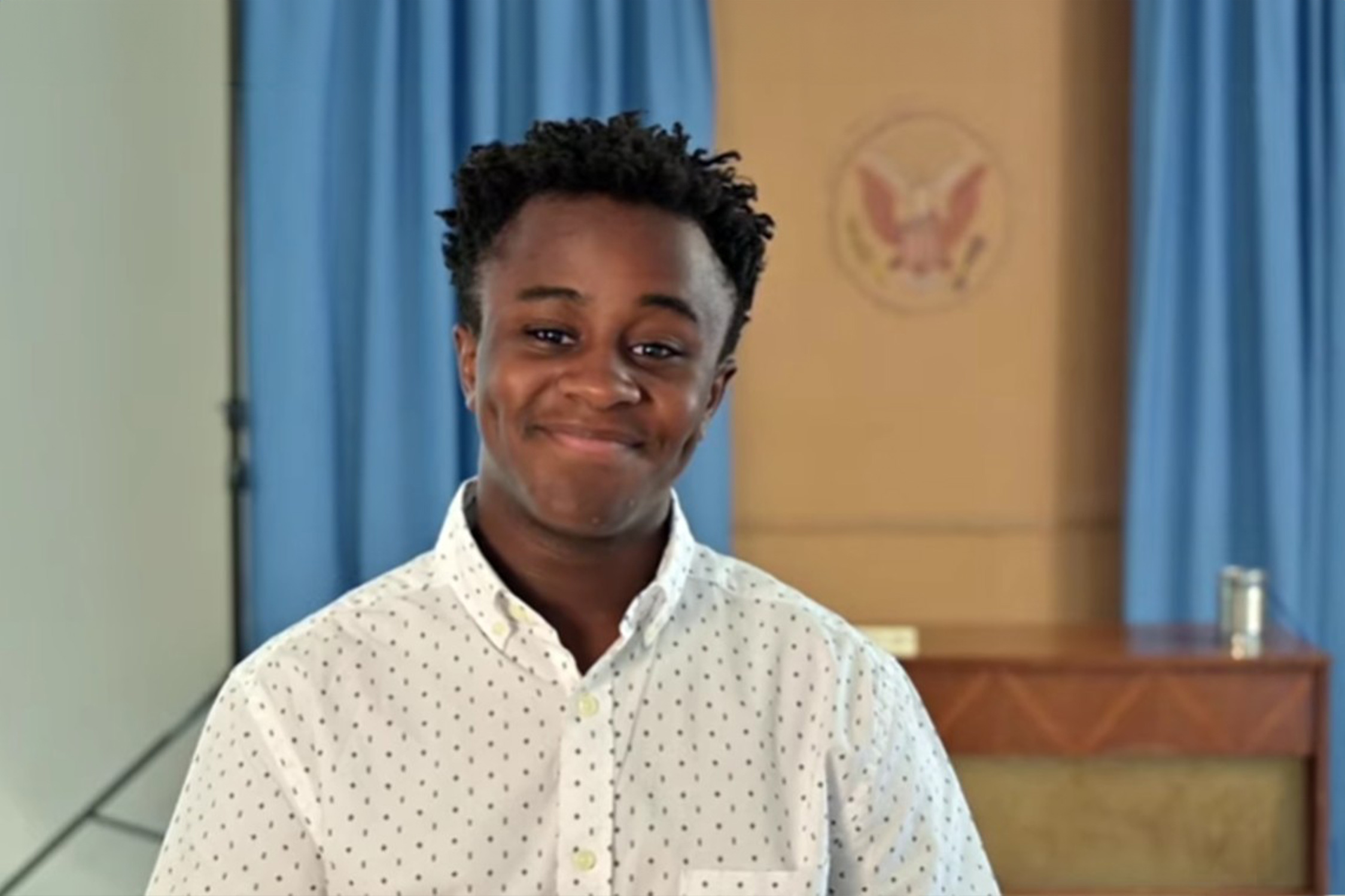
Sustained visibility comes with the immense pressure of public scrutiny. Every action, statement, and personal development of the individual behind a high-profile brand is subject to public opinion and critique. This constant spotlight can be exhausting and limiting, potentially stifling genuine personal growth for fear of misaligning with the established brand image. Furthermore, audiences, particularly in the fast-paced digital landscape, can experience “brand fatigue.” What was once novel and engaging can become repetitive, leading to a decline in interest and engagement. Maintaining audience interest requires continuous innovation, fresh perspectives, and a clear understanding of when to step back, re-evaluate, or even consciously reduce public visibility to prevent burnout and preserve the brand’s integrity. Navigating these external pressures while remaining true to the brand’s core is a delicate balancing act critical for its long-term health.
Strategic Transitions: Rebranding, Reinvention, or Retirement?
When a personal brand like Kid President reaches the limits of its original form, strategic decisions must be made. These choices—rebranding, reinvention, or a graceful retirement—are not failures, but rather deliberate acts of brand management that reflect an understanding of lifecycle, personal growth, and shifting priorities.
The Art of a Soft Exit: Consciously Stepping Back from the Limelight
Not every brand needs to last forever, nor does every public figure need to remain perpetually in the spotlight. For some, a “soft exit” or a conscious stepping back can be the most strategic and authentic path. This involves a planned reduction in public activity, a shift in focus, or a quiet transition away from the primary persona. A soft exit allows the individual to reclaim personal privacy and pursue other interests without the pressure of constant public performance. From a branding perspective, it can preserve the integrity and positive memory of the original brand, preventing it from becoming overexposed or diluted. It respects the audience’s emotional investment by not forcing an uncomfortable or inauthentic evolution, instead allowing the legacy to speak for itself. This often leads to a nostalgic appreciation for what the brand was, rather than criticism for what it failed to become.
Re-aligning Brand Values with Personal Growth: When the Individual Outgrows the Brand
Personal brands are inherently tied to the individual, and individuals grow, mature, and change. The values, interests, and perspectives of a child or young person will naturally evolve into adulthood. A significant challenge arises when the individual’s personal growth diverges from the established brand values or persona. For a brand like Kid President, built on a specific stage of life, this divergence is almost guaranteed. Re-aligning brand values with personal growth can involve a deliberate rebranding effort, where the individual either creates a completely new brand reflecting their current identity or subtly integrates new facets into the existing one. This process requires honesty and courage, as it may mean shedding parts of what made the brand popular in favor of a more authentic, current representation. The success of such a realignment hinges on communicating this evolution clearly to the audience, inviting them to grow with the brand or to appreciate its transformation.
Leveraging Legacy: How Initial Success Can Pave the Way for New Ventures
Even if a brand enters a soft exit or undergoes significant re-alignment, its initial success and established legacy can be a powerful asset for future endeavors. The positive associations, built-in audience, and established credibility gained from the “Kid President” era are not simply discarded; they can be leveraged. This might involve transitioning into roles that utilize the communication skills, inspirational platform, or charitable goodwill cultivated by the original brand, albeit under a new identity or in a different capacity. For example, a former child star might become a motivational speaker, an advocate for youth, or a content creator in a related field. The “what happened to” question then transforms into “what did they do next?” – showcasing how a well-managed brand legacy can provide a springboard for new, mature ventures, allowing the individual to continue making an impact from a different vantage point, still benefiting from the goodwill of their original persona.
The Enduring Impact: The Legacy of “Kid President” on Personal Branding
The story of “Kid President,” regardless of its specific individual trajectory, serves as a powerful case study in the broader landscape of personal branding. It highlights not only the exhilarating highs of viral success but also the fundamental principles that govern enduring influence and the complex interplay between public perception and individual identity.
Inspiring a Generation of Content Creators: The Lessons Learned About Impact
The phenomenon of Kid President undeniably inspired a generation of aspiring content creators and young voices. It demonstrated that impact isn’t solely reserved for adults or traditional figures of authority. A clear, positive message, delivered authentically, could capture global attention and foster significant engagement. This brand taught valuable lessons about the power of optimism, the importance of a unique voice, and the strategic use of digital platforms to disseminate ideas. Its success underscored that genuine connection and emotional resonance are paramount in an increasingly crowded digital space. Future personal brands, particularly those initiated by young people or based on specific personas, continue to draw inspiration from the model set by Kid President, learning how to craft compelling narratives and build communities around shared values.
Redefining “Success” Beyond Continuous Visibility: Measuring Brand Value Differently
One of the most profound lessons from the “Kid President” narrative is the redefinition of “success” for a personal brand. In an age where continuous visibility is often mistakenly equated with enduring success, Kid President illustrates that true brand value can transcend constant public presence. Success might be measured not by sustained virality, but by the depth of positive impact, the inspiration fostered, or the lasting cultural memory created. A brand can achieve its objectives, deliver its message, and inspire its audience, even if it eventually steps back from the perpetual spotlight. The brand’s legacy isn’t about how long it stayed prominent, but how profoundly it mattered when it was. This perspective encourages brand creators to focus on purpose and authenticity over mere metrics of continuous engagement, leading to more sustainable and meaningful brand development.

The Perpetual Question: The Nature of Public Memory and Brand Recall
The very question “what happened to Kid President?” speaks volumes about the nature of public memory and brand recall. Even years after a brand’s peak visibility, its resonance can persist, prompting curiosity and nostalgic reflection. This demonstrates that a strong initial impact can embed a brand deeply within the collective consciousness, leading to enduring recall long after active content production ceases. It highlights the power of emotional branding to create lasting imprints. The continued inquiry also underscores the public’s proprietary relationship with beloved brands; when a brand captures hearts, its audience remains invested in its story, even if that story involves a quiet evolution or transition. This perpetual question is not a sign of a failed brand, but rather a testament to the profound connection it forged, confirming its enduring place in the pantheon of memorable personal brands.
The query “what happened to Kid President?” is a testament to the power and complexity of personal branding. It’s a story not just about an individual, but about the strategic creation, management, evolution, and eventual legacy of a brand that touched millions. Whether through a purposeful transition, a quiet evolution, or a strategic step back, the journey of a high-profile personal brand like Kid President illuminates the intricate dance between authenticity, audience expectation, and the inexorable march of time. What truly “happened” is a nuanced tale of growth, impact, and the enduring resonance of a brand well-built, serving as a beacon for all who seek to create meaning in the digital age.
aViewFromTheCave is a participant in the Amazon Services LLC Associates Program, an affiliate advertising program designed to provide a means for sites to earn advertising fees by advertising and linking to Amazon.com. Amazon, the Amazon logo, AmazonSupply, and the AmazonSupply logo are trademarks of Amazon.com, Inc. or its affiliates. As an Amazon Associate we earn affiliate commissions from qualifying purchases.