
In the intricate world of finance, the phrase “locking in” carries significant weight, referring to the act of securing a rate, price, or term for a financial product, service, or investment. It’s a strategic move employed by individuals, businesses, and investors alike to mitigate risk, gain predictability, or capitalize on favorable market conditions. Far from a casual commitment, locking in involves entering into an agreement that often fixes certain variables for a predetermined period, providing a sense of stability in an otherwise volatile economic landscape.
Whether you’re a first-time homebuyer securing a mortgage rate, an investor protecting their portfolio against market fluctuations, or a business manager budgeting for future expenses, understanding what it means to “lock in” is crucial. This concept underpins many foundational financial decisions, offering both protective benefits and potential limitations. It’s about making a calculated bet on future economic trends, aiming to optimize financial outcomes by fixing variables today. This article will delve into the multifaceted meaning of locking in within the financial realm, exploring its core principles, common applications, inherent advantages, potential drawbacks, and the strategic considerations necessary for making informed decisions.

The Fundamental Concept of Locking In in Finance
At its core, locking in in finance signifies the act of formalizing an agreement that makes a specific financial variable — such as an interest rate, a price, or a set of terms — immutable for a defined duration. This action is distinct from merely observing market rates or prices; it involves a contractual commitment that binds parties to the agreed-upon terms, regardless of how market conditions may shift thereafter. It’s a proactive step taken to establish certainty and control over future financial obligations or returns.
Securing an Interest Rate
One of the most common applications of locking in is seen with interest rates. When you apply for a loan, like a mortgage or a personal loan, the lender typically quotes you an interest rate. “Locking in” this rate means that for a specified period (e.g., 30, 45, or 60 days), the lender guarantees that the rate offered will not change before your loan closes, even if prevailing market rates fluctuate. This provides borrowers with peace of mind, allowing them to budget effectively without the concern that their monthly payments could increase due to rising rates. For savers, locking in an interest rate on a Certificate of Deposit (CD) means their investment will earn a guaranteed return for the CD’s term, irrespective of subsequent drops in market interest rates.
Fixing a Price for Goods or Services
Beyond interest rates, locking in can also apply to prices. Businesses might lock in prices with suppliers for raw materials or services to ensure cost predictability, especially in industries where commodity prices are volatile. Consumers might lock in energy rates with utility providers to guard against seasonal price spikes. This practice is particularly valuable for long-term projects or budget-sensitive operations, where unforeseen price increases could significantly impact profitability or personal finances. The agreement essentially hedges against future price inflation or scarcity, offering a stable financial foundation.
Committing to Investment Terms
In the investment world, locking in refers to committing to specific terms for various financial instruments. This can range from purchasing an annuity that guarantees a fixed income stream in retirement to entering into futures contracts that lock in the price of an asset for future delivery. Even choosing a specific investment strategy that involves holding assets for a long period, impervious to short-term market noise, can be seen as a form of locking in one’s investment philosophy. These commitments are often driven by a desire for predictable returns or a strategy to capitalize on current market valuations, protecting against potential future downturns or unfavorable shifts.
Why Do Investors and Consumers Lock In?
The decision to lock in a rate, price, or term is rarely arbitrary. It stems from a confluence of strategic financial objectives, primarily centered around managing risk, optimizing returns, and establishing financial stability. Understanding these motivations is key to appreciating the role of “locking in” in sound financial planning.
Mitigating Risk and Uncertainty
Perhaps the most compelling reason to lock in is to mitigate financial risk. In a dynamic economic environment, variables like interest rates, inflation, and commodity prices are in constant flux. Locking in acts as a hedge against adverse movements. For example, a homeowner locking in a fixed-rate mortgage eliminates the risk of their monthly payments soaring if interest rates rise. Similarly, a company locking in the price of a crucial input protects itself from unexpected cost increases that could erode profit margins. This proactive risk management provides a critical layer of protection, offering a predictable financial outlook in uncertain times.
Capitalizing on Favorable Conditions
Conversely, locking in can be a strategic move to capitalize on currently favorable market conditions. If interest rates are at historical lows, borrowers might rush to lock in a mortgage or refinance an existing loan to secure a lower payment for years to come. Investors might lock in a high yield on a CD when market rates are attractive, ensuring that return for the duration of their investment even if rates subsequently fall. This forward-thinking approach allows individuals and entities to leverage temporary market advantages, translating them into long-term financial benefits before conditions potentially shift.
Budgeting and Financial Planning Stability
For both personal and business finance, predictability is a cornerstone of effective budgeting and planning. Locking in key financial variables provides this much-needed stability. Knowing precisely what your mortgage payment will be each month, or what your energy costs will be over the next year, simplifies financial forecasting and decision-making. This stability allows for more accurate budgeting, making it easier to save, invest, and plan for future expenses without the constant anxiety of fluctuating costs. For businesses, fixed expenses lead to more reliable profit projections and operational planning.
Common Scenarios for Locking In
The concept of locking in manifests in numerous practical scenarios across personal finance, investing, and business operations. These examples illustrate how individuals and entities utilize this strategy to achieve their financial objectives.
Mortgages and Loans
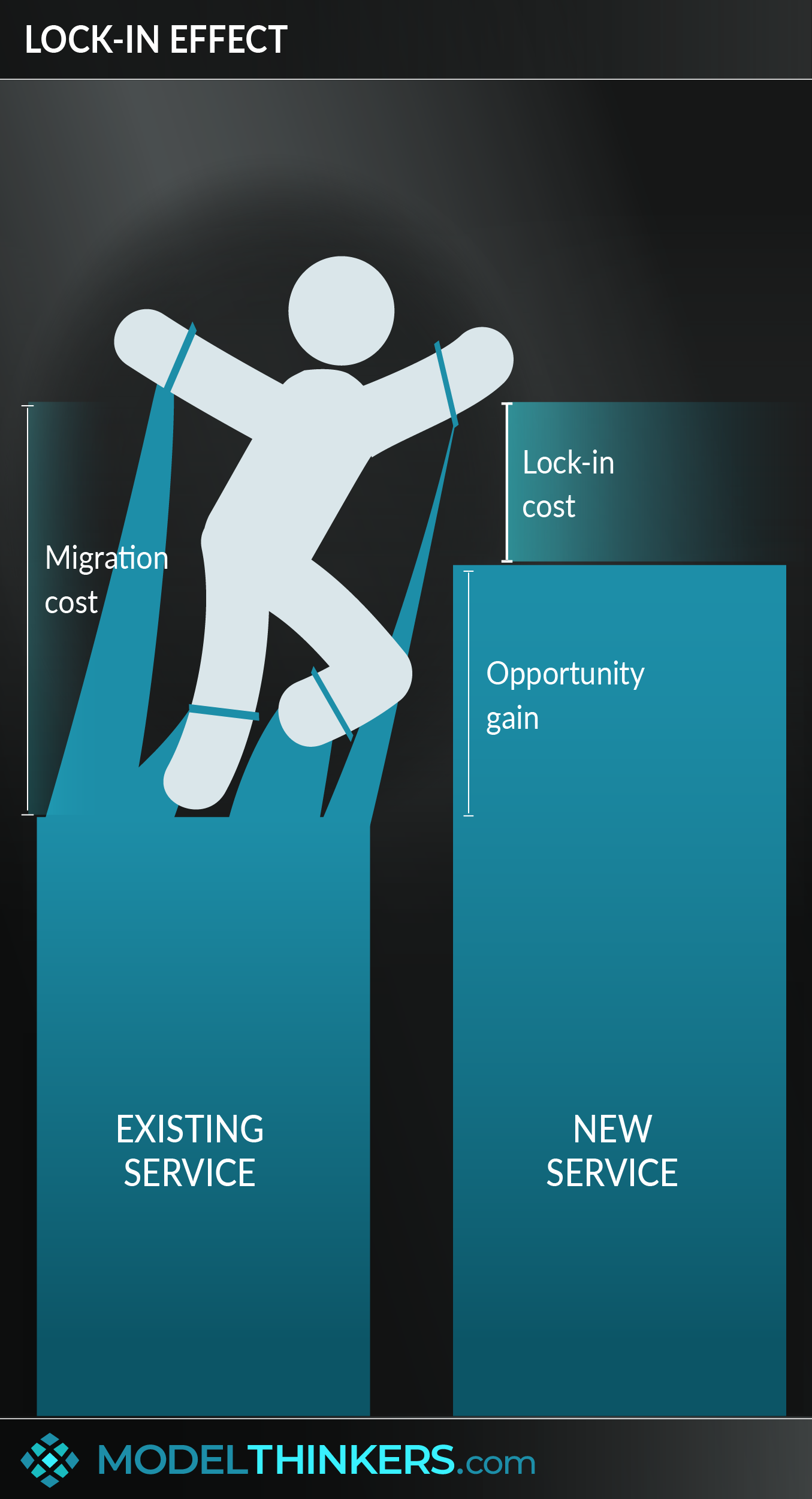
This is arguably the most common and impactful area where locking in plays a crucial role. When applying for a mortgage, borrowers are typically offered the option to lock in their interest rate for a specific period (e.g., 30, 45, or 60 days). This ensures that the interest rate won’t change between the time of application and the closing date, protecting the borrower from potential rate increases. Similarly, some personal loans or business lines of credit might offer an option to lock in a variable rate, converting it to a fixed rate to provide payment stability.
Certificates of Deposit (CDs) and Savings Accounts
CDs are designed around the concept of locking in. When you invest in a CD, you agree to deposit a sum of money for a fixed term (e.g., 6 months, 1 year, 5 years) in exchange for a guaranteed, fixed interest rate. This rate remains constant throughout the CD’s term, regardless of how market interest rates fluctuate. Some high-yield savings accounts might also offer promotional rates that are “locked in” for a certain introductory period, though this is less common for their standard rates.
Energy Contracts and Utilities
Many homeowners and businesses have the option to lock in their electricity or natural gas rates with energy providers. Instead of paying variable rates that can fluctuate with market demand, weather patterns, or fuel costs, consumers can secure a fixed rate per kilowatt-hour or therm for a 12-month or longer contract. This allows for predictable utility bills and protects against sudden price surges, offering significant budgeting advantages.
Investment Strategies (e.g., Annuities, Options)
In the investment realm, locking in takes various forms. Annuities, for example, are financial products often used for retirement planning, where an individual makes a lump-sum payment or a series of payments in exchange for guaranteed future income, typically for life. The income stream is essentially “locked in.” Derivatives like futures and options also allow investors to lock in a price for an asset at a future date, either to buy (call option, long futures) or sell (put option, short futures). This strategy is used for speculation, hedging existing positions, or securing future supply or demand at a known price.
The Upsides and Downsides of Locking In
While locking in offers significant advantages, it’s a double-edged sword that also comes with potential drawbacks. A balanced understanding of both is essential for making judicious financial decisions.
Advantages: Predictability, Protection, Potential Savings
The primary advantage of locking in is predictability. It removes uncertainty from future financial obligations or returns, enabling better budgeting and long-term financial planning. This is invaluable for major commitments like mortgages, where consistent payments are crucial. Secondly, it offers protection against adverse market movements. Locking in an interest rate shields borrowers from rising rates, while locking in a CD rate protects savers from falling rates. For businesses, fixed prices guard against input cost inflation. Lastly, locking in can lead to potential savings if you secure a favorable rate or price that proves to be better than what the market offers later on. This “smart timing” can translate into significant financial benefits over the life of the agreement.
Disadvantages: Missed Opportunities, Lack of Flexibility, Early Withdrawal Penalties
However, locking in comes at a cost, primarily in the form of missed opportunities. If you lock in a mortgage rate at 5% and then market rates drop to 3%, you’re stuck with the higher rate unless you refinance, which incurs additional costs. Similarly, if you lock in a low CD rate and market rates surge, you miss out on earning higher returns elsewhere. This lack of flexibility is another significant drawback. Once you’ve locked in, breaking the agreement can be difficult and costly. Mortgages might have prepayment penalties, energy contracts might charge early termination fees, and CDs often impose substantial penalties for early withdrawal, potentially forfeiting accrued interest or even a portion of the principal. This rigidity can be problematic if your financial circumstances change unexpectedly or if more attractive opportunities arise.
Strategic Considerations Before Locking In
Given the advantages and disadvantages, the decision to lock in requires careful thought and strategic planning. It’s not a universal solution but a tool to be wielded judiciously based on individual circumstances and market outlook.
Market Analysis and Future Outlook
Before locking in, it’s paramount to conduct a thorough market analysis. Is the current interest rate environment low or high relative to historical trends? Are commodity prices expected to rise or fall in the near future? While no one can perfectly predict the future, understanding prevailing economic indicators, central bank policies, and expert forecasts can help inform your decision. For instance, if economists predict rising interest rates, locking in a fixed-rate mortgage now might be a prudent move. Conversely, if rates are expected to fall, waiting or opting for a variable rate might be more advantageous.
Personal Financial Goals and Risk Tolerance
The decision to lock in should always align with your personal financial goals and risk tolerance. Are you prioritizing stability and predictable payments, even if it means potentially missing out on lower rates later? Or are you comfortable with greater risk in exchange for the chance of better returns or lower costs? For someone planning to sell their home in a few years, a short-term adjustable-rate mortgage (ARM) might be more suitable than a 30-year fixed rate, even if fixed rates are low. For a conservative investor, a CD offers guaranteed returns that align with a low-risk profile.

Understanding the Terms and Conditions
Crucially, always meticulously review the terms and conditions of any agreement before locking in. This includes understanding the duration of the lock-in period, any associated fees (e.g., lock-in fees for mortgages), penalties for early withdrawal or termination, and what happens if market conditions change dramatically. For mortgage rate locks, inquire about “float-down” options, which allow you to secure a lower rate if market rates fall significantly before closing. For CDs, understand the early withdrawal penalties. A clear grasp of these details will prevent unpleasant surprises and ensure that the “lock-in” genuinely serves your best interests.
In conclusion, “locking in” in finance is a powerful strategy for managing financial variables, offering a pathway to predictability, risk mitigation, and the ability to capitalize on opportune market conditions. From securing favorable mortgage rates and fixed investment returns to managing business costs, its applications are widespread. However, like any financial tool, it demands careful consideration of both its benefits and its limitations. By understanding the underlying motivations, common scenarios, and critical strategic considerations, individuals and businesses can leverage the concept of locking in to build more stable, predictable, and ultimately, more successful financial futures.
aViewFromTheCave is a participant in the Amazon Services LLC Associates Program, an affiliate advertising program designed to provide a means for sites to earn advertising fees by advertising and linking to Amazon.com. Amazon, the Amazon logo, AmazonSupply, and the AmazonSupply logo are trademarks of Amazon.com, Inc. or its affiliates. As an Amazon Associate we earn affiliate commissions from qualifying purchases.