
In the intricate tapestry of brand strategy, a name is far more than a mere label; it is the cornerstone of identity, a vessel for meaning, and a powerful communicator of values. The question, “What does ‘Duke’ mean?” transcends a simple dictionary definition when viewed through the lens of branding. It invites a deeper exploration into the inherent connotations of a name, how these are intentionally harnessed, and the profound impact they have on consumer perception and market positioning. In the realm of brand strategy, “Duke” is not just a title; it is a rich semantic resource, brimming with historical weight, symbolic power, and strategic potential. Understanding its multifaceted implications is key to appreciating how names shape narratives, evoke emotions, and ultimately define a brand’s unique place in the world.
The Etymology and Core Connotations of “Duke”
To grasp what “Duke” signifies in branding, one must first delve into its origins and the foundational meanings it carries. A name’s historical roots often imbue it with an enduring essence that brands can consciously or unconsciously leverage.
Historical Roots and Nobility
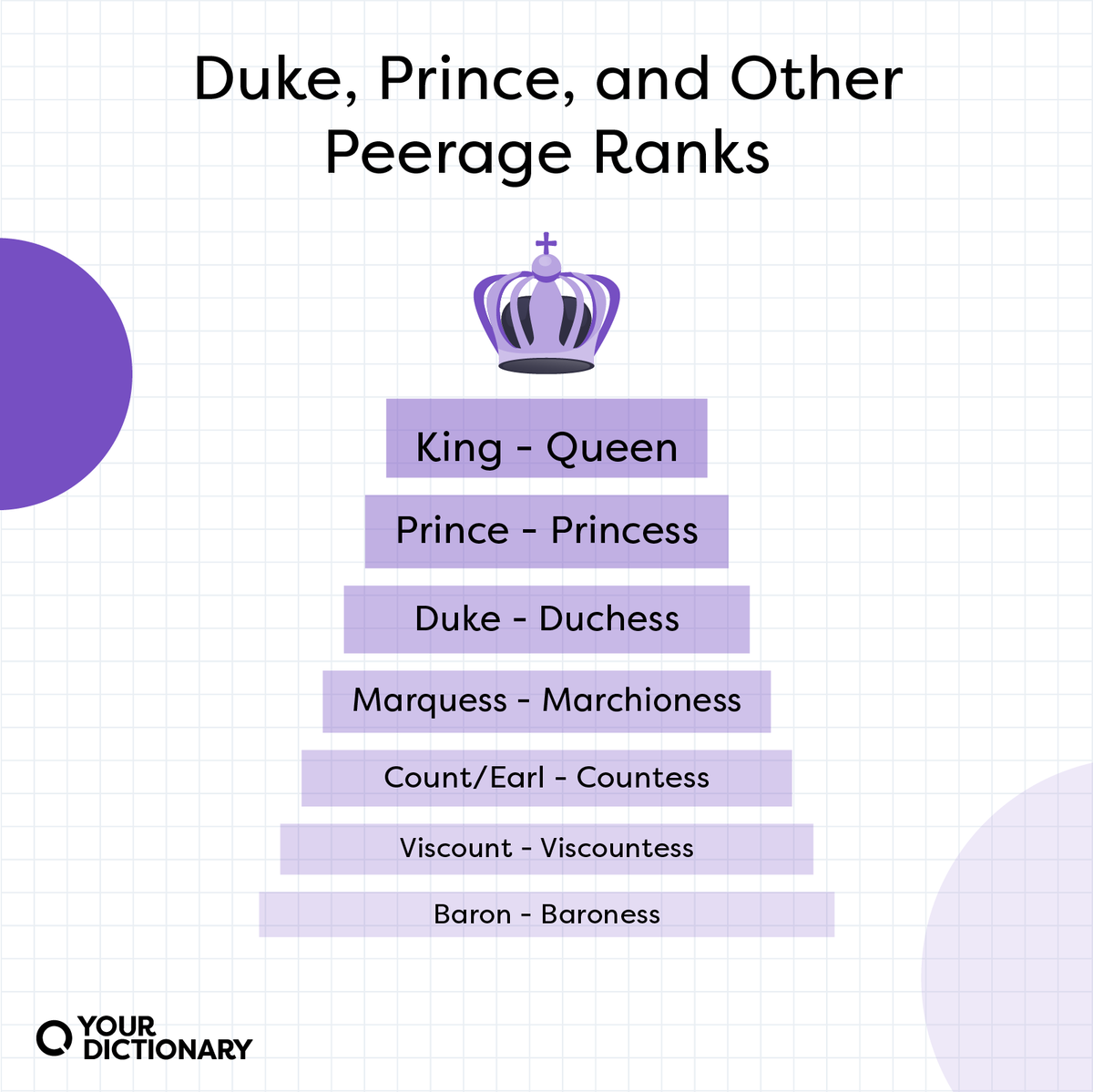
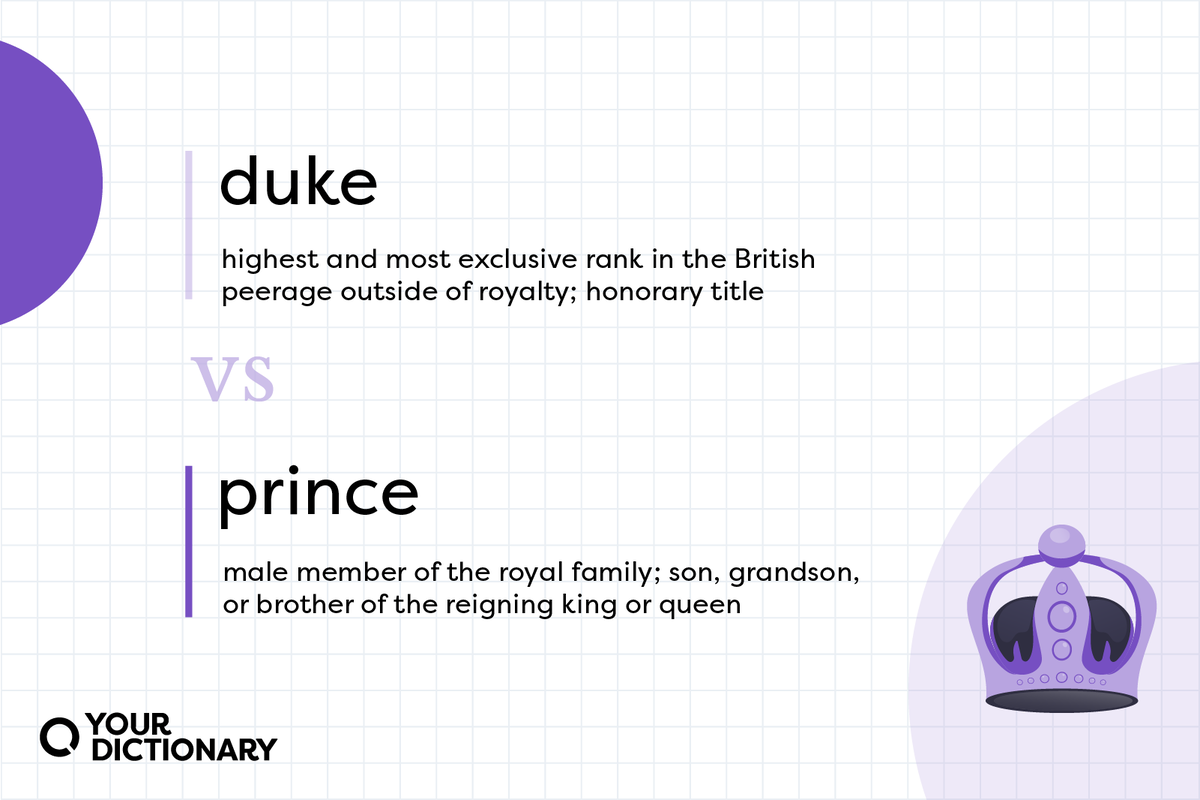
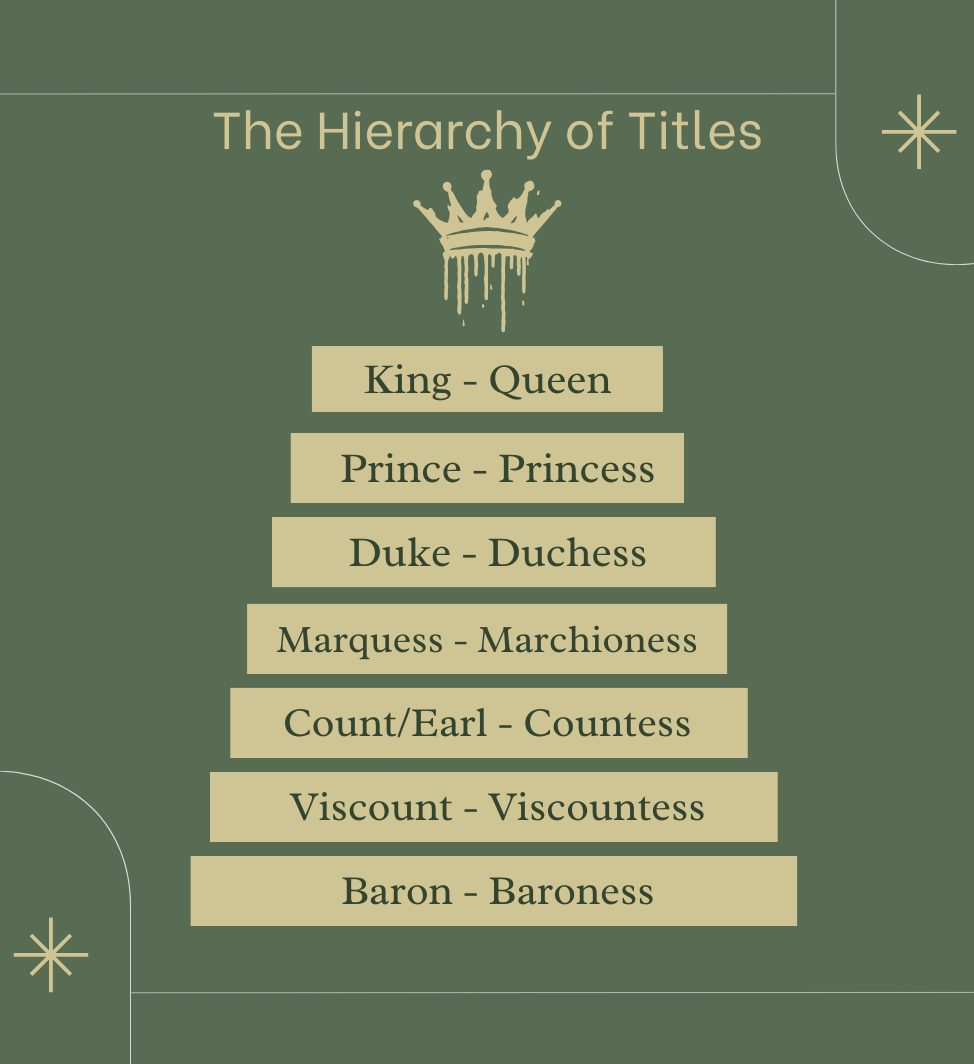
The term “Duke” originates from the Latin dux, meaning “leader.” Historically, it has been a high-ranking noble title, particularly prevalent in European monarchies. Dukes were often regional rulers, military leaders, or close advisors to kings, holding significant power, influence, and territorial dominion. This historical lineage automatically associates the name with concepts of aristocracy, heritage, and established authority. A brand adopting “Duke” thus inherits a legacy of prestige and a connection to a bygone era of elegance and command. This connection can evoke feelings of reliability, tradition, and a certain gravitas that differentiates it from more contemporary or abstract names. The historical weight lends an immediate sense of trustworthiness and permanence, suggesting a brand that has stood the test of time or is built on enduring principles.
Symbolic Attributes
Beyond its noble origins, “Duke” evokes a strong set of symbolic attributes that are highly valuable in branding. These attributes form a psychological framework through which consumers perceive entities bearing the name.
-
Strength and Leadership: The “dux” root, meaning leader, is potent. Brands named “Duke” often convey robust leadership, dominance, and a commanding presence within their respective industries. This might manifest as a brand that is a market leader, an innovator, or simply one that projects an unwavering sense of confidence and capability.
-
Tradition and Heritage: The association with ancient titles and established power structures instills a sense of tradition. This is particularly appealing for brands that wish to emphasize their long history, craftsmanship, or adherence to time-honored practices. It suggests a depth of experience and a commitment to quality that transcends fleeting trends.
-
Sophistication and Exclusivity: Nobility inherently implies a degree of sophistication, refinement, and exclusivity. A “Duke” brand can easily position itself as premium, catering to discerning customers who appreciate quality, luxury, and a refined aesthetic. This isn’t merely about high price points but about a curated experience and a superior product or service.
-
Authority and Trustworthiness: A duke, historically, held authority. This translates into brand perception as reliability, credibility, and expertise. Consumers are more likely to trust brands that project a sense of assured authority, believing they are in capable hands. This can be crucial in sectors requiring high levels of confidence, such as finance, healthcare, or complex services.
Together, these historical and symbolic layers create a powerful semiotic toolkit for any brand considering or already bearing the name “Duke.”
Leveraging “Duke” as a Brand Name: Intentionality and Perception
The decision to name a brand “Duke” is rarely accidental. It typically reflects a deliberate strategic choice to harness its inherent meanings to cultivate a specific brand identity and resonance. This involves a conscious effort to align the name’s connotations with the brand’s actual offerings and desired market position.
Building Brand Personality
A brand’s personality is its human-like characteristics and emotional attributes. “Duke” inherently lends itself to constructing distinct personalities that can resonate deeply with target audiences.
-
Regal and Authoritative: Brands might leverage “Duke” to project a regal and authoritative personality, positioning themselves as industry leaders or providers of premium, high-status products and services. Think of a luxury car brand, a high-end financial advisory firm, or an exclusive members’ club.
-
Traditional and Trustworthy: For brands rooted in heritage or craftsmanship, “Duke” can underscore a personality built on reliability, enduring quality, and a commitment to time-honored values. This is effective for artisan goods, established educational institutions, or legacy service providers.
-
Strong and Dependable: In industrial or utility sectors, the name “Duke” can evoke a personality of unyielding strength, dependability, and robust engineering. This suggests a brand that can be counted on, capable of handling demanding tasks or providing essential, reliable services.
-
Intellectual and Elite: Given its association with certain prestigious institutions, “Duke” can also imply a personality characterized by intellectual rigor, academic excellence, and an elite standard of knowledge or innovation.
The strategic alignment of the name’s inherent personality with the brand’s actual values and operations is paramount to avoid dissonance and build authentic connections.
Target Audience Alignment
The connotations of “Duke” naturally appeal to certain demographics and market segments more than others. Effective branding involves understanding these alignments and tailoring messaging accordingly.
-
Affluent and Discerning Consumers: The themes of sophistication, exclusivity, and premium quality are highly attractive to affluent individuals and those who prioritize prestige and distinction in their purchases. Brands targeting this segment can use “Duke” to signify aspirational value.
-
Traditionalists and Value-Seekers: Consumers who appreciate heritage, stability, and proven reliability are often drawn to names that convey a sense of permanence and trustworthiness. This demographic values longevity and a commitment to established standards.
-
Professionals and Leaders: The leadership and authoritative aspects of “Duke” can resonate with professionals, executives, and individuals who seek solutions that embody strength, expertise, and a no-nonsense approach to problem-solving.
-
Academics and Intellectuals: When linked to education or research, “Duke” can attract students, faculty, and institutions seeking intellectual prowess, rigorous standards, and a legacy of scholarly achievement.
Understanding these audience inclinations allows brands to craft targeted marketing campaigns that effectively leverage the name’s inherent appeal.
Differentiating in a Crowded Market
In today’s saturated market, differentiation is crucial. A name like “Duke,” with its distinct historical and symbolic baggage, offers a powerful tool for standing out.
-
Establishing a Unique Archetype: “Duke” helps a brand carve out a unique archetypal position – perhaps that of the “Ruler,” the “Sage,” or the “Warrior” – immediately setting it apart from competitors with more generic or less evocative names.
-
Creating a Memorable Identity: The name itself is memorable and distinctive, helping consumers recall the brand amidst a sea of choices. Its strong phonetic qualities and clear association make it easily recognizable.
-
Signaling Premium Status: In many industries, “Duke” can serve as an instant signifier of premium status, allowing a brand to command higher price points and attract a clientele that values quality over cost. This implicit signaling reduces the need for extensive explanation.
-
Building Brand Equity: By consistently aligning its offerings and experiences with the elevated connotations of “Duke,” a brand can build significant equity, fostering loyalty and a strong, positive reputation over time.
The deliberate choice of “Duke” as a brand name is thus a strategic declaration of intent, signaling to the market what the brand stands for and who it aims to serve.
Case Studies: “Duke” Brands in Action
While avoiding specific proprietary information, we can conceptualize how the name “Duke” is applied across various sectors, demonstrating its versatility and the strategic intent behind its adoption. These examples illustrate how the inherent meanings are translated into tangible brand identities.
Academic Excellence and Tradition
Consider a hypothetical “Duke University.” The name immediately conveys a sense of established academic prowess, a rich history, and a commitment to intellectual leadership. Such an institution would leverage the name to:
-
Attract Top Talent: Prospective students and faculty are drawn to the prestige, rigorous standards, and the tradition of excellence suggested by “Duke.”
-
Foster a Sense of Belonging: Alumni and current members feel a strong connection to a reputable, time-honored institution, fostering loyalty and a powerful community identity.
-
Signal Research Leadership: The authoritative aspect of “Duke” reinforces the university’s role as a leader in groundbreaking research and intellectual discourse.
-
Appeal to Donors: Philanthropists are more inclined to support institutions that project stability, impact, and a lasting legacy.
The brand messaging would emphasize heritage, innovation within tradition, and an elite, globally recognized standard of education, all underpinned by the “Duke” identity.
Industrial Strength and Reliability
Imagine an “Industrial Duke Corporation” specializing in heavy machinery, energy solutions, or robust infrastructure. Here, the name “Duke” speaks volumes about its core value proposition:
-
Durability and Performance: The inherent strength associated with “Duke” reassures clients about the reliability and longevity of its products and services, crucial in sectors where failure carries significant consequences.
-
Leadership in Technology/Engineering: The leadership connotation positions the company as an innovator or a standard-setter in its field, capable of delivering cutting-edge and dependable solutions.
-
Trust and Stability: For large-scale projects or critical utilities (like an “electric company named Duke”), the name conveys stability, trustworthiness, and a foundational presence that customers can rely on without question.
-
Global Reach and Impact: The historical association with territorial command can subtly suggest a brand with wide-reaching operations and significant impact.
The brand’s visual identity would likely feature strong, bold typography and imagery of robust engineering, reinforcing the message of power, dependability, and authoritative presence.
Premium Goods and Services
Consider a brand like “Duke’s Fine Foods” or “Duke’s Tailoring Co.” specializing in premium consumer goods or bespoke services. In this context, “Duke” elevates the perceived quality and exclusivity:
-
Quality and Craftsmanship: The name implies a dedication to superior ingredients, meticulous processes, and a heritage of artisanal skill, distinguishing it from mass-produced alternatives.
-
Sophistication and Taste: “Duke” suggests a refined palate or an impeccable sense of style, appealing to consumers who seek out luxury, elegance, and products that reflect their discerning taste.
-
Exclusivity and Distinction: The name helps position the brand as offering something special and not universally available, creating an aura of exclusivity that drives desire.
-
Legacy of Excellence: Whether real or aspirational, the brand hints at a long-standing tradition of quality, suggesting products that have been perfected over generations.
Marketing for such brands would focus on storytelling around heritage, the quality of ingredients or materials, and the exclusive experience offered to the “Duke” consumer.
These examples highlight how the same name, “Duke,” can be strategically deployed across vastly different sectors, its core meanings subtly shifting to align with the specific values and propositions of each brand.
Crafting Meaning: Beyond the Name Itself
While “Duke” provides a powerful starting point, the ultimate meaning of a brand is not solely determined by its name. It is a dynamic construct, meticulously built and reinforced through a holistic brand strategy that encompasses storytelling, visual identity, and consistent experience.
Brand Storytelling
A brand’s story breathes life into its name, infusing “Duke” with narratives that resonate emotionally and intellectually with consumers.
-
Origin Stories: Brands can craft compelling origin stories that either genuinely connect to the “Duke” theme (e.g., a founder named Duke, a historical legacy) or symbolically align with its connotations (e.g., a story of rising to leadership, overcoming challenges with strength).
-
Value-Driven Narratives: Storytelling can communicate the brand’s commitment to the values inherent in “Duke”—integrity, excellence, tradition, innovation, or service—through case studies, customer testimonials, or corporate philosophy.
-
Archetypal Journeys: The “Duke” archetype can be woven into the brand’s ongoing narrative, positioning it as a protector, a leader, a visionary, or a custodian of quality, guiding its communication and content strategy.
Effective storytelling transforms “Duke” from a static label into a vibrant, evolving entity that consumers can engage with and believe in.
Visual Identity and Brand Experience
The visual identity and every customer touchpoint are critical in reinforcing and refining the meaning of “Duke.”
-
Logo and Typography: A logo for a “Duke” brand might feature strong, classic typefaces, perhaps with a crest, a shield, or a crown motif to visually echo nobility and authority. Colors like deep blues, greens, gold, or silver can further enhance the perception of prestige and tradition.
-
Design Aesthetics: Packaging, website design, and physical spaces would likely reflect the sophistication and quality implied by “Duke,” using premium materials, elegant layouts, and a refined aesthetic that avoids clutter or garishness.
-
Customer Service: The brand experience must be consistent with the “Duke” ethos. This means offering service that is professional, attentive, efficient, and perhaps even a little exclusive, making customers feel valued and respected.
-
Product Quality: Fundamentally, the products or services themselves must live up to the promise of quality, strength, and distinction that the name “Duke” evokes. Inconsistency here quickly erodes brand trust and meaning.
Every visual cue and interaction acts as a reinforcement, ensuring that the brand’s meaning is experienced rather than merely stated.
Consistency Across Touchpoints
The power of “Duke” as a brand name is amplified exponentially through consistent application of its meaning across all touchpoints. From advertising campaigns to social media presence, from product design to customer support, every interaction should align with the core values and personality that “Duke” embodies. This unwavering consistency builds a cohesive and unmistakable brand image, solidifying its meaning in the minds of consumers. Inconsistency, conversely, can dilute the brand’s power, confuse its audience, and undermine the strategic advantage gained by choosing such a resonant name. The meaning of “Duke” is a living concept, requiring continuous nurturing and unwavering commitment to its strategic definition.
The Evolving Brand Landscape: Sustaining “Duke’s” Relevance
In an ever-changing market, even names with deep historical roots like “Duke” must be managed dynamically to maintain relevance and impact. A strong foundation is crucial, but adaptability ensures longevity.
Adapting to Modern Sensibilities
While “Duke” carries traditional weight, brands must ensure they don’t appear anachronistic. The challenge is to preserve the essence of prestige and strength while also resonating with contemporary values.
-
Modernizing Aesthetics: Updating visual identities to be sleek and sophisticated rather than merely old-fashioned, using modern interpretations of classic design elements.
-
Embracing Innovation: Positioning “Duke” as a brand that leads through innovation, demonstrating that tradition doesn’t preclude progress but rather serves as a solid base for future advancements.
-
Social Responsibility: Aligning the brand with modern expectations of corporate social responsibility, demonstrating that “nobility” in the present age also entails ethical conduct and community engagement.
The goal is to be perceived as timeless, not outdated.
Global Considerations
The meaning of “Duke” can vary slightly across different cultures and languages. Brands with a global presence must be sensitive to these nuances.
-
Cultural Reception: Researching how terms of nobility or leadership are perceived in different markets to ensure the name’s connotations remain positive and desired.
-
Linguistic Nuances: Ensuring “Duke” doesn’t have unintended or negative meanings in other languages where the brand operates.
-
Localized Storytelling: Adapting brand narratives to resonate with specific cultural contexts while maintaining the core “Duke” identity.
A globally aware strategy ensures that the brand’s meaning translates effectively across borders.
Future-Proofing Brand Meaning
Sustaining the meaning of “Duke” over the long term requires proactive strategies that anticipate future trends and challenges.
-
Continuous Brand Audits: Regularly assessing how the brand is perceived and whether its meaning remains aligned with market realities and consumer expectations.
-
Strategic Evolution: Being prepared to subtly evolve the brand’s messaging and offerings to stay relevant without abandoning its core identity.
-
Engagement with New Generations: Developing strategies to introduce the “Duke” brand and its values to younger demographics, ensuring continued appeal.
Ultimately, what “Duke” means for a brand is a dynamic construct—a powerful starting point that is continually shaped, nurtured, and strategically managed to create a lasting legacy of value, trust, and distinction. It is a testament to the enduring power of a name to define, differentiate, and drive a brand’s journey through the complex commercial landscape.
aViewFromTheCave is a participant in the Amazon Services LLC Associates Program, an affiliate advertising program designed to provide a means for sites to earn advertising fees by advertising and linking to Amazon.com. Amazon, the Amazon logo, AmazonSupply, and the AmazonSupply logo are trademarks of Amazon.com, Inc. or its affiliates. As an Amazon Associate we earn affiliate commissions from qualifying purchases.