
In the physical world, “government” refers to the systems and structures that manage nations and citizens. However, as the digital frontier expands to encompass every facet of our lives, a new form of administration has emerged: tech governance. Just as political science defines democracies, autocracies, and republics, the world of technology operates under various organizational frameworks that dictate how software is developed, how data is secured, and how artificial intelligence is regulated.
Understanding the “types of government” within the tech sector is no longer just for developers and CEOs. For users, investors, and policymakers, these structures determine the level of privacy we enjoy, the security of our digital assets, and the ethical trajectory of emerging tools like generative AI. This article explores the primary governance models currently shaping the technological landscape, from the rigid hierarchies of corporate giants to the fluid, decentralized networks of the blockchain era.
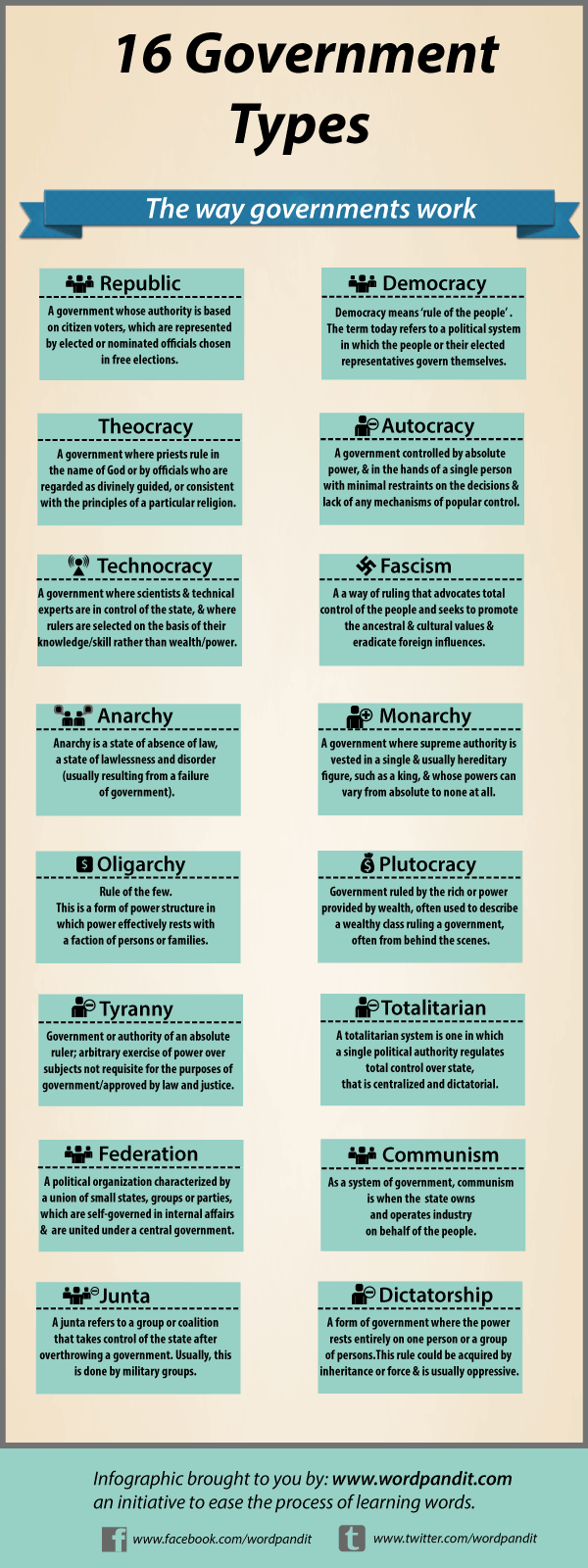
Centralized Governance: The Corporate Hierarchy
The most recognizable type of governance in the tech world is the centralized model. This structure is common among the “Big Tech” firms that dominate our daily interactions. In a centralized system, decision-making power is concentrated at the top of a traditional corporate ladder.
The Monolithic Authority and Proprietary Ecosystems
In centralized governance, a single entity—such as Apple, Google, or Microsoft—holds absolute authority over its platforms. This “government” sets the rules for its App Store, determines the algorithms for its search engines, and establishes the security protocols for its hardware. The primary benefit of this model is efficiency. Decisions can be made quickly, and the user experience remains consistent because every element of the ecosystem is designed to work in harmony under a single vision.
However, this centralization often leads to what critics call “platform authoritarianism.” When a single company governs a digital ecosystem, it has the power to de-platform users, change fee structures overnight, or prioritize its own services over competitors. From a technical perspective, this creates a “walled garden,” where security and innovation are controlled by the central authority, often at the expense of interoperability.
Security and Maintenance in Centralized Systems
Centralized governance offers a distinct advantage in digital security: accountability. When a vulnerability is discovered in Windows or iOS, the central “government” (the corporation) is responsible for deploying a patch to millions of users simultaneously. This top-down approach ensures that updates are mandatory and uniform, reducing the fragmentation that often plagues more open systems. The trade-off, however, is that users must place absolute trust in the central entity to protect their data and respect their privacy.
Decentralized Governance: The Rise of DAOs and Web3
As a direct counter-response to the perceived overreach of centralized tech giants, the industry has seen the rise of decentralized governance. This model, often associated with Web3 and blockchain technology, aims to distribute power among all participants in a network rather than a single board of directors.
Decentralized Autonomous Organizations (DAOs)
A Decentralized Autonomous Organization (DAO) is perhaps the purest form of digital democracy. In this model, the “government” is a set of rules encoded in a smart contract on a blockchain. There is no CEO; instead, stakeholders who hold governance tokens vote on proposals ranging from software upgrades to the allocation of treasury funds.
This “type of government” is revolutionary because it is transparent and permissionless. Every vote is recorded on a public ledger, and the code executes the outcome automatically. This eliminates the need for intermediaries and reduces the risk of corruption. For example, in decentralized finance (DeFi) apps like Uniswap, the community—not a bank—decides the future of the protocol.
Challenges of Pure Democracy in Code
While decentralized governance sounds ideal, it faces significant hurdles. The “tragedy of the commons” often manifests as low voter turnout or “whale” dominance, where a few large token holders exercise disproportionate influence. Furthermore, decentralized systems are notoriously slow to react to crises. In the event of a smart contract exploit, reaching a consensus on how to fix the code can take days, whereas a centralized firm could act in minutes. This highlights the ongoing debate in tech: is the security of decentralization worth the sacrifice of agility?
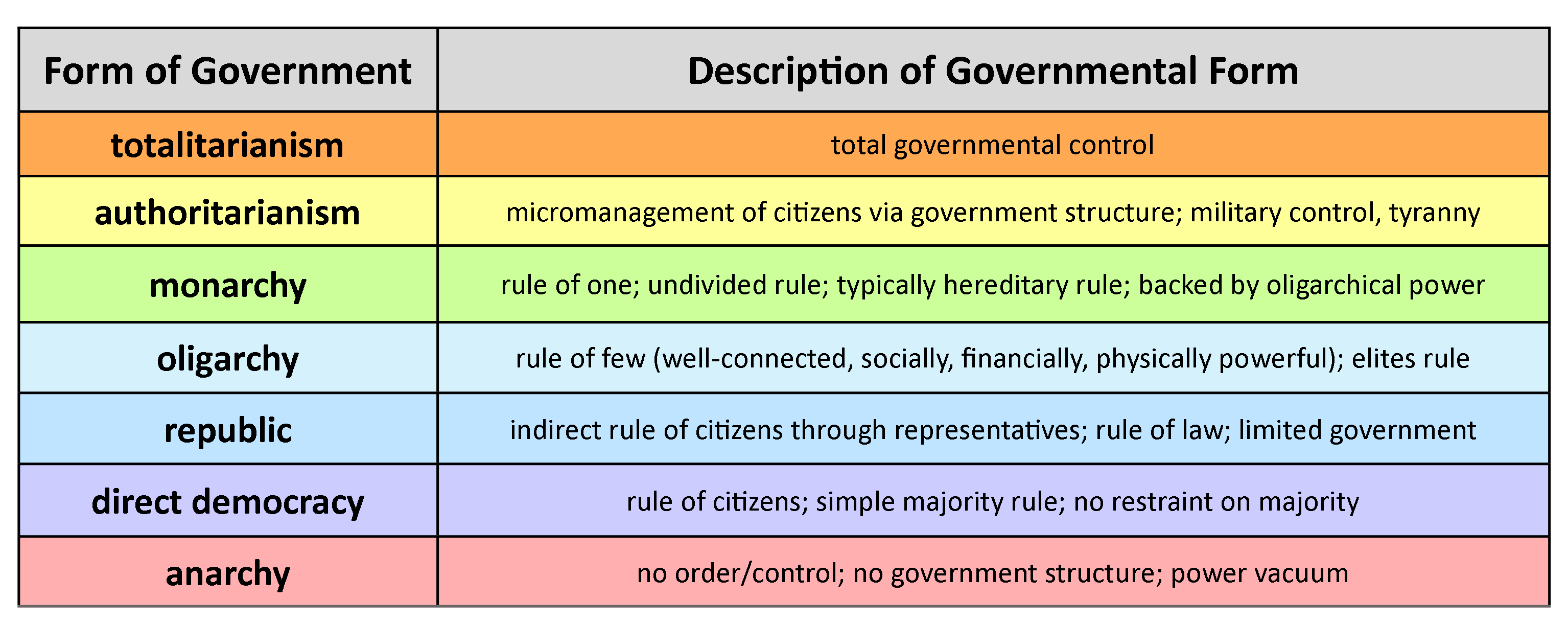
Open Source Governance: The Meritocratic Republic
Long before the blockchain, the open-source community established its own unique types of government. Open-source software (OSS) powers the majority of the world’s servers, and its governance models are built on transparency and meritocracy.
Benevolent Dictators and Core Committees
Many of the most successful tech projects in history began under the “Benevolent Dictator for Life” (BDFL) model. Linus Torvalds, the creator of Linux, is the most famous example. In this system, the community contributes code, but a single leader has the final say on what is integrated into the core project. This provides a balance between community input and a unified technical vision.
As projects mature, they often transition to a “steering committee” or a “foundation” model. Organizations like the Apache Software Foundation or the Linux Foundation act as a constitutional republic. They provide a legal and financial framework, while technical decisions are made by a group of elected or appointed “maintainers” based on the merit of their contributions.
The Power of Forking as a Check on Power
One of the most powerful features of open-source government is the right to “fork.” If the community is unhappy with the direction a project is taking, they can copy the code and start a new version. This serves as a constant check on the “government’s” power. Unlike a centralized app where you are stuck with the company’s decisions, open-source governance ensures that the software remains a public good that can evolve according to the needs of its users.
Algorithmic Governance: The Era of Code as Law
We are entering a new era where “government” isn’t just about people or organizations, but about algorithms. This type of governance—often referred to as “algorithmic regulation”—uses AI and automated systems to enforce rules and manage digital spaces.
Automated Content Moderation and Policy Enforcement
On platforms like YouTube or X (formerly Twitter), the “police” and “judges” are often AI models. These algorithms govern what content is seen, what is demonetized, and what is banned. This is governance at a scale that humans could never achieve, processing millions of data points per second. However, it introduces the problem of “black box” governance. When an algorithm makes a decision, it is often difficult for the user to understand why, leading to calls for “algorithmic transparency.”
AI Guardrails and Constitutional AI
As we develop more powerful Large Language Models (LLMs), tech leaders are experimenting with “Constitutional AI.” This is a governance framework where an AI is given a set of principles (a digital constitution) that it must follow when generating responses or making decisions. Instead of humans hard-coding every rule, the AI is trained to self-govern based on these high-level ethical guidelines. This represents a shift toward a more autonomous, yet principled, form of technological oversight.
The Future of Hybrid Governance and Digital Security
As we look toward the next decade, the most effective tech systems will likely adopt a hybrid approach. The future of technology “government” will involve blending the efficiency of centralization with the transparency and resilience of decentralization.
Interoperability as a New Social Contract
The “governance” of the future will rely heavily on interoperability—the ability for different systems to work together. Governments (in the traditional sense) are increasingly mandating that tech companies allow users to move their data between platforms. This creates a “federated” model of governance, where different “states” (platforms) must adhere to a common set of rules to ensure a seamless experience for the global digital citizen.
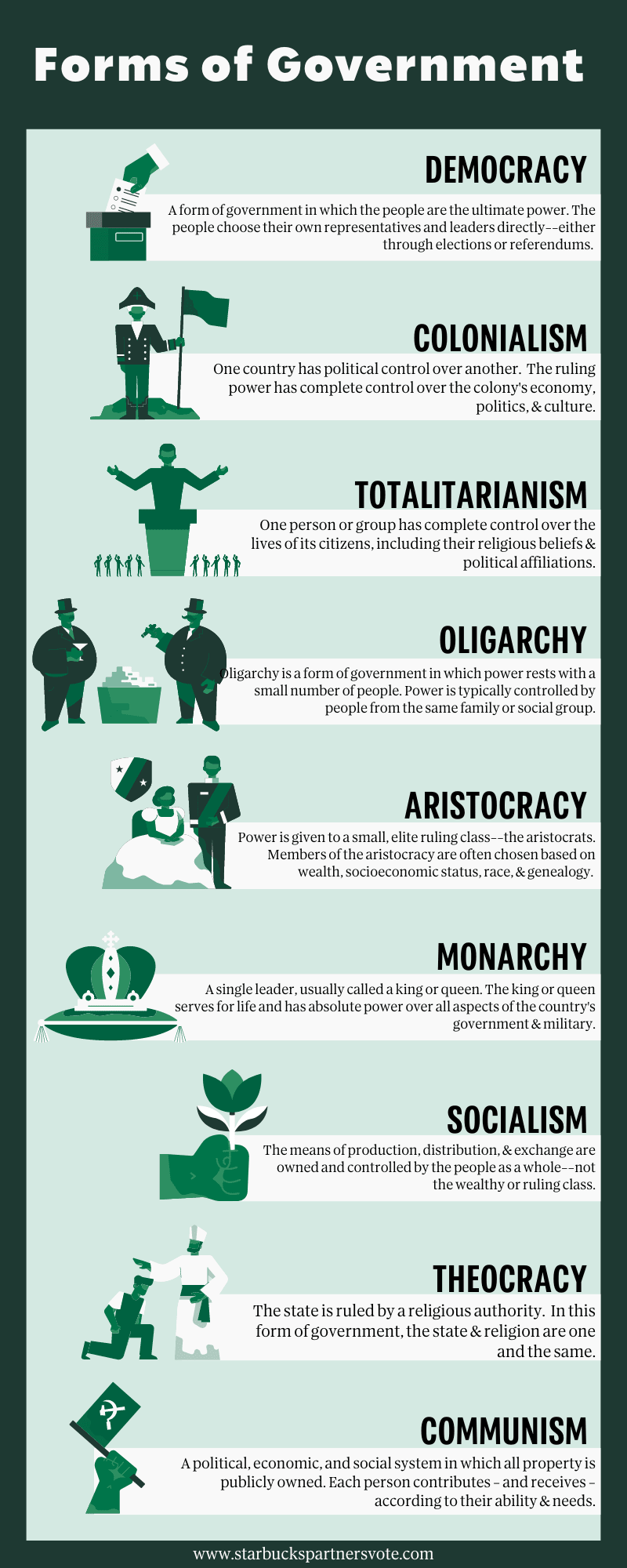
Securing the Digital Republic
In any governance model, security is the paramount duty. As our systems become more complex, the “type of government” we choose will dictate how we defend against cyber threats. A centralized system might offer a strong shield, but a decentralized system offers a more resilient web that has no single point of failure. The ongoing evolution of tech governance is, at its heart, a search for the perfect balance between freedom, efficiency, and security in an increasingly digital world.
In conclusion, the types of government in the tech sector—Centralized, Decentralized, Open Source, and Algorithmic—each offer unique solutions to the challenges of the digital age. By understanding these frameworks, we can better navigate the apps we use, the software we build, and the digital future we are collectively creating. Whether through the code of a DAO or the policy of a tech giant, the governance of our tools will ultimately define the boundaries of our digital lives.
aViewFromTheCave is a participant in the Amazon Services LLC Associates Program, an affiliate advertising program designed to provide a means for sites to earn advertising fees by advertising and linking to Amazon.com. Amazon, the Amazon logo, AmazonSupply, and the AmazonSupply logo are trademarks of Amazon.com, Inc. or its affiliates. As an Amazon Associate we earn affiliate commissions from qualifying purchases.