
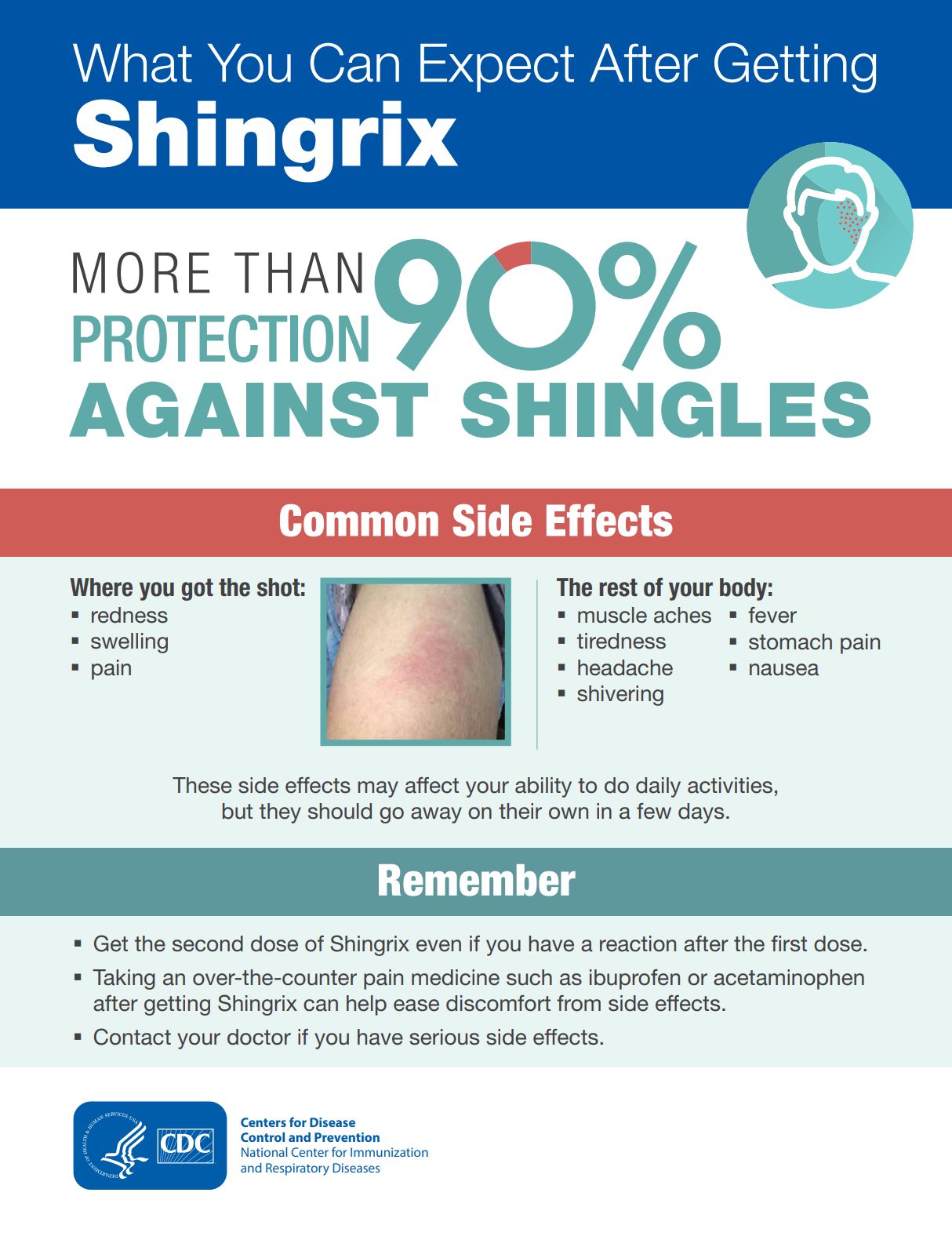
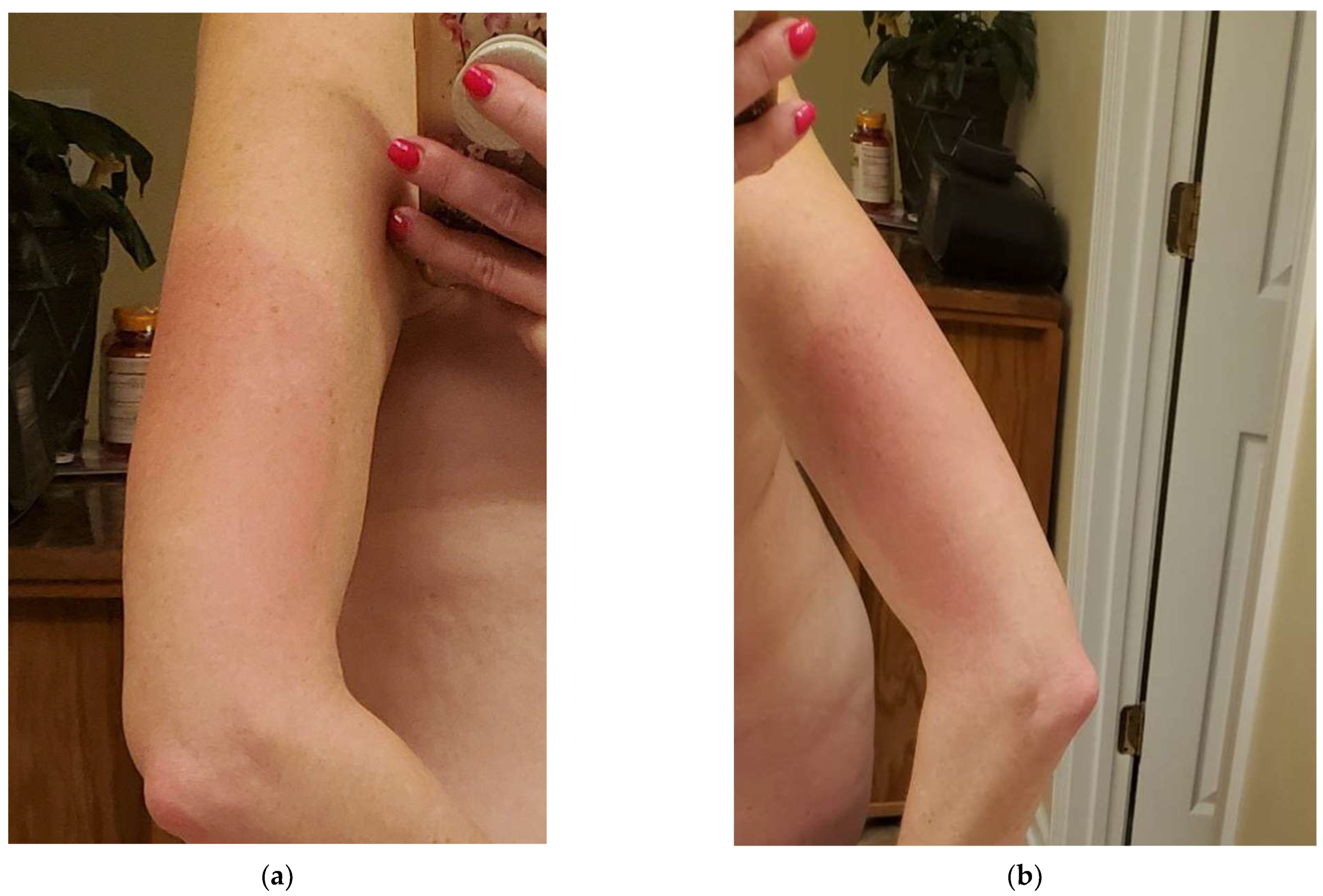
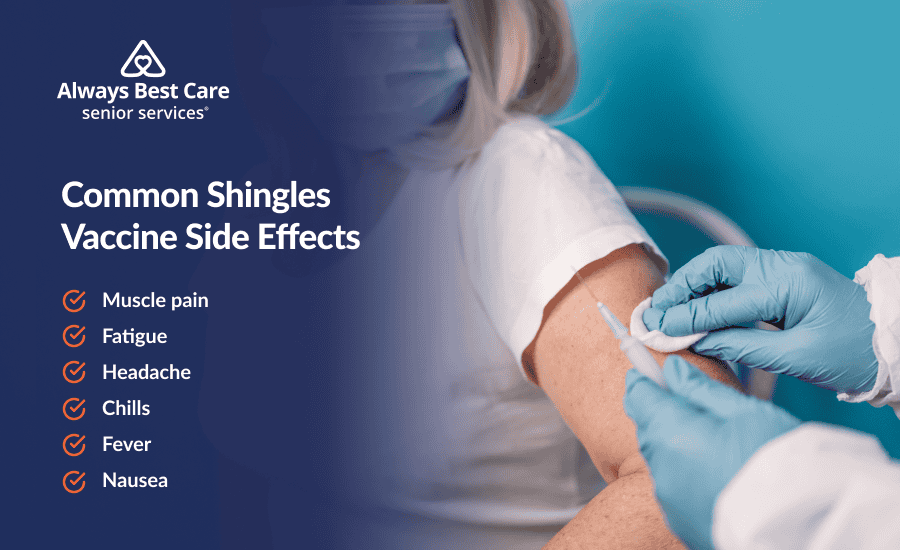
When we discuss the “side effects” of medical interventions like the shingles vaccine, the conversation usually gravitates toward clinical observations: localized swelling, mild fatigue, or a temporary low-grade fever. However, for the modern consumer, the business owner, and the retiree, the shingles shot carries a secondary tier of implications—the financial side effects. In the world of personal finance and corporate economics, every preventative measure is an investment, and every illness is a liability.
Understanding the fiscal repercussions of the shingles vaccine requires moving beyond the pharmacy counter and into the realm of wealth management and economic productivity. From out-of-pocket expenses and insurance nuances to the broader impact on workforce efficiency and long-term retirement planning, the shingles shot is as much a financial decision as it is a health one.
The Direct Fiscal Side Effects: Navigating Out-of-Pocket Expenses
The most immediate “side effect” of the shingles vaccine is the impact on your liquid assets. Unlike many pediatric vaccines that are subsidized through public health initiatives, adult immunizations occupy a complex space in the financial ecosystem, where costs can vary wildly depending on your insurance structure and age bracket.
Understanding Insurance Coverage and Medicare Complexity
For those under the age of 65, the financial impact of the shingles shot is largely dictated by private insurance contracts. Under the Affordable Care Act (ACA), most commercial health plans are required to cover ACIP-recommended vaccines (like Shingrix) without a copayment, provided the provider is in-network. This results in a “net-zero” financial side effect for the consumer.
However, the landscape shifts dramatically for those on Medicare. Historically, the shingles vaccine was covered under Medicare Part D (prescription drug plans) rather than Part B (medical insurance). This led to significant out-of-pocket costs due to deductibles and the infamous “donut hole.” Fortunately, recent legislative changes via the Inflation Reduction Act have eliminated these cost-sharing requirements for Part D-covered vaccines. For the retiree, this financial side effect has transitioned from a significant budgetary hurdle to a manageable, zero-cost preventative measure, representing a major win for fixed-income stability.
The Price of Prevention vs. The Cost of Treatment
When analyzing the shingles shot as a financial instrument, one must weigh the cost of the two-dose series (which can exceed $400 for the uninsured) against the staggering costs of treating shingles and its complications. The “side effect” of not getting the shot is the potential for a high-cost medical event.
Postherpetic Neuralgia (PHN), the most common complication of shingles, can lead to months or years of expensive pain management, specialist visits, and potentially long-term care needs. From a personal finance perspective, paying for the vaccine (even out-of-pocket) is a high-yield insurance policy against the catastrophic financial drain of chronic neurological pain.
Corporate and Economic Side Effects: Productivity and the Bottom Line
The shingles vaccine does not just affect the individual; it has profound side effects on the corporate balance sheet. In an era where human capital is a company’s most valuable asset, the prevalence of preventable illnesses represents a significant drain on corporate finance and overall economic momentum.
Reducing Workplace Absenteeism and Short-Term Disability
For business owners and HR directors, the financial side effect of a shingles outbreak within the workforce is measured in lost man-hours. Shingles typically strikes during an individual’s peak earning and management years (ages 50–65). When a senior leader or specialized employee is sidelined for two to eight weeks due to the debilitating pain of shingles, the “opportunity cost” is immense.
Beyond simple absenteeism, shingles can trigger short-term disability claims. For companies that are self-insured, these claims represent direct hits to the bottom line. By incentivizing or providing shingles vaccinations through corporate wellness programs, businesses experience the positive side effect of “health-related cost avoidance.” This is a proactive financial strategy that mitigates the risk of unexpected labor shortages and reduces the volatility of healthcare spending within the firm.
The Macroeconomic Impact of Preventative Healthcare
On a broader scale, the widespread adoption of the shingles vaccine creates a ripple effect throughout the national economy. Public health experts and economists often cite the “multipliers” of vaccination. When a significant portion of the aging population remains healthy and active, they continue to contribute to the economy through both labor and consumption.
The “side effect” of a highly vaccinated population is a reduction in the “burden of illness” on the public healthcare system. This, in turn, helps stabilize insurance premiums for everyone. In the world of business finance, lower systemic healthcare costs translate to lower overhead for employers and more disposable income for consumers, fueling a more robust economic environment.
Long-Term Financial Planning: Health as an Asset Class
In modern financial planning, health is increasingly viewed as an asset class. The “side effects” of the shingles shot, therefore, must be analyzed through the lens of long-term wealth preservation and retirement strategy.
Factoring Medical Preventatives into Retirement Budgets
A successful retirement plan is not just about the size of the 401(k); it is about the rate of “decumulation” or spending. Medical crises are the primary driver of unexpected portfolio depletion in the later years of life. By securing a shingles vaccination, an individual is effectively de-risking their retirement portfolio.
The financial side effect of the shot here is “predictability.” By eliminating the high probability of a shingles-related medical emergency, retirees can better forecast their annual healthcare expenditures. This allows for more aggressive investment strategies or higher quality-of-life spending, as the “contingency fund” for health emergencies can be more tightly managed.
HSA and FSA Strategies for Vaccine Expenses
For those still in the workforce, the shingles shot offers an opportunity to leverage tax-advantaged financial tools. Health Savings Accounts (HSAs) and Flexible Spending Accounts (FSAs) allow individuals to pay for the vaccine series using pre-tax dollars.
The financial side effect here is a direct tax hit reduction. By using an HSA to cover any remaining costs of the vaccine, a taxpayer effectively reduces their taxable income while investing in a preventative measure that protects their future earning potential. It is a dual-benefit financial maneuver: immediate tax savings coupled with long-term liability reduction.
The Investment Side Effects: Pharmaceutical Markets and Portfolio Growth
Finally, we must look at the “side effects” of the shingles shot from the perspective of an investor. The development, distribution, and dominance of vaccines like Shingrix have reshaped the pharmaceutical sector of the stock market.
Market Dominance and Portfolio Impact
For investors holding shares in major pharmaceutical companies, the success of the shingles vaccine is a primary driver of dividend growth and stock appreciation. The “side effect” of the vaccine’s high efficacy rate is a near-monopoly on the market, creating a reliable, long-term revenue stream for the parent company.
When a product becomes a “gold standard” in healthcare, it provides a “moat” for the company’s valuation. Investors who recognize the demographic shifts—specifically the aging “Baby Boomer” generation—can capitalize on the increasing demand for shingles vaccinations. The financial side effect for the astute investor is the inclusion of a “defensive” asset in their portfolio that thrives regardless of broader market volatility.
The Future of Biotech Investing in Adult Immunizations
The shingles shot serves as a case study for the burgeoning biotech market focused on adult immunizations. The success of this specific vaccine has paved the way for a new wave of preventative treatments for RSV, pneumonia, and other age-related ailments.
The financial side effect of the shingles shot’s success is an influx of venture capital and R&D spending in the “Longevity Tech” sector. For those looking for the next growth engine in the “Money” niche, the infrastructure built around the shingles vaccine distribution—cold-chain logistics, retail pharmacy integration, and insurance billing pathways—represents a massive investment opportunity. We are seeing the birth of a “preventative economy” where the focus shifts from curing disease to maintaining the “human asset” for as long as possible.
Conclusion: The Final Ledger
While the medical community focuses on the biological side effects of the shingles shot, the financial community must remain focused on the fiscal ones. The “shot” is more than a clinical procedure; it is a strategic move in the game of wealth preservation and economic management.
The direct costs are increasingly mitigated by legislative shifts, the corporate benefits are clear in terms of productivity, and the long-term retirement implications suggest that the vaccine is a vital component of a holistic financial plan. Furthermore, as an investment theme, the shingles vaccine exemplifies the profitability of the preventative healthcare sector.
Ultimately, the most significant financial side effect of the shingles shot is the protection of one’s most valuable asset: the ability to live, work, and spend without the interruption of a preventable, high-cost medical crisis. In the final ledger, the ROI on the shingles vaccine is among the highest in both personal and business finance.
aViewFromTheCave is a participant in the Amazon Services LLC Associates Program, an affiliate advertising program designed to provide a means for sites to earn advertising fees by advertising and linking to Amazon.com. Amazon, the Amazon logo, AmazonSupply, and the AmazonSupply logo are trademarks of Amazon.com, Inc. or its affiliates. As an Amazon Associate we earn affiliate commissions from qualifying purchases.