
In the intricate dance of global economics, the availability and utilization of resources dictate the rhythm of industries, shape investment landscapes, and directly influence the financial health of nations and individuals alike. Far from being a mere scientific classification, the distinction between renewable and nonrenewable resources forms the bedrock of our financial systems, driving market trends, informing investment strategies, and determining long-term economic sustainability. Understanding “what these resources are” fundamentally translates to comprehending their financial implications, risks, and opportunities in an ever-evolving global economy.
Understanding the Core: Defining Resources from a Financial Lens
At its heart, a resource, from a financial standpoint, is anything that can be consumed or utilized to generate economic value. The critical differentiator lies in their capacity for replenishment or regeneration within a human timescale, directly influencing their perceived value, price volatility, and long-term financial viability.
Nonrenewable Resources: Finite Assets and Market Volatility
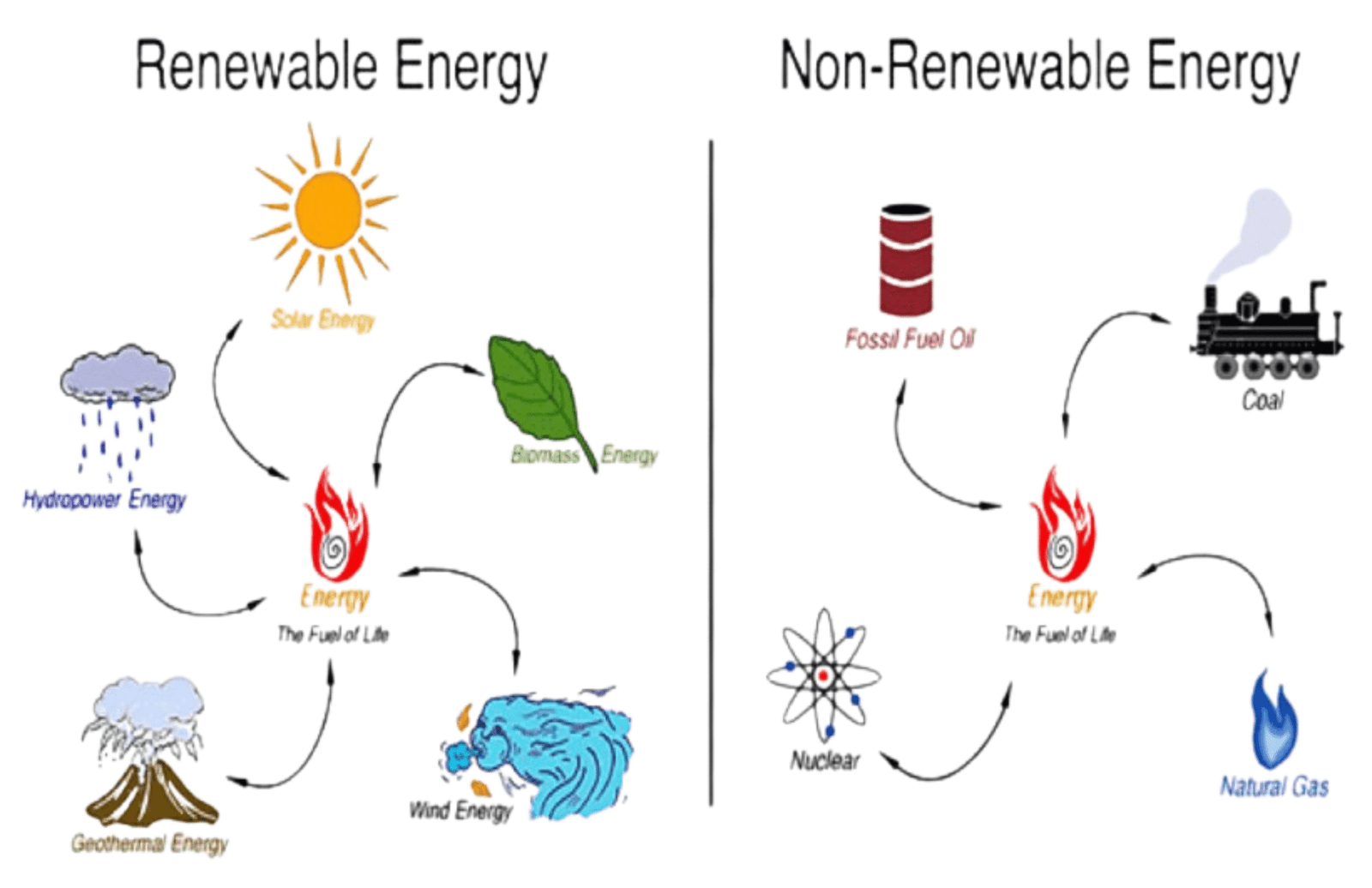
Nonrenewable resources are finite; their stock is limited, and their formation process is so slow that they cannot be replenished within a practical timeframe for human consumption. Financially, this scarcity makes them highly valuable but also inherently volatile. Key examples include fossil fuels (oil, natural gas, coal), nuclear fuels (uranium), and various minerals (iron ore, copper, gold).
From an investment perspective, nonrenewable resources often represent commodity plays. Their prices are subject to global supply and demand dynamics, geopolitical tensions, extraction costs, and technological advancements. Companies involved in the extraction, processing, and distribution of these resources form a significant part of global equity markets, with their valuations heavily tied to commodity price cycles. For instance, an oil price surge can lead to windfall profits for energy companies, boosting stock values and dividend payouts, while a sustained downturn can lead to significant financial distress, job losses, and capital expenditure cuts. Investors seeking exposure to these resources often navigate a landscape characterized by sharp peaks and troughs, requiring astute market timing and risk management. The “peak oil” debate, for example, once centered on the physical limits of extraction, but today, “peak demand” – driven by technological shifts and policy changes – poses a more immediate financial threat to the long-term viability of fossil fuel investments.
Renewable Resources: Infinite Potential and Sustainable Investment
Renewable resources, in contrast, are replenished naturally over relatively short periods, or are virtually inexhaustible. Examples include solar radiation, wind, hydropower, geothermal heat, biomass, and sustainable timber. Financially, their defining characteristic is the potential for long-term, sustainable value generation without depleting the underlying asset.
The economic model for renewable resources often shifts from extraction and depletion to harnessing and managing. Investing in renewables involves deploying capital into infrastructure (solar farms, wind turbines, hydroelectric dams), technology (efficient batteries, smart grids), and services (energy management, sustainable agriculture). While the initial capital expenditure for renewable projects can be substantial, the operational costs are often lower and more predictable once established, largely free from the volatile fuel price fluctuations that plague fossil fuels. This predictability offers a stable revenue stream, making them attractive for long-term institutional investors, pension funds, and green bond markets. Furthermore, the increasing global consensus on climate change, coupled with supportive government policies and technological breakthroughs, has propelled renewable energy into a high-growth sector, promising robust returns and hedging against future carbon-related financial liabilities.
The Financial Impact of Resource Scarcity and Abundance
The fundamental nature of renewable and nonrenewable resources profoundly impacts economic stability, business profitability, and investment risk profiles across various sectors.
Commodity Markets and Investment Risks
Nonrenewable resources dominate global commodity markets. The price of oil, copper, or wheat (a renewable but market-sensitive agricultural commodity) can trigger inflationary pressures, affect manufacturing costs, and influence central bank policies. Investors in commodity futures or ETFs face significant risks related to price volatility driven by geopolitical events, natural disasters, or unexpected shifts in supply and demand. For example, a conflict in a major oil-producing region can send crude prices skyrocketing, impacting airline profitability and consumer spending, or a drought in key agricultural areas can cause food price inflation, disproportionately affecting lower-income households and potentially leading to social unrest. The financial sector has developed sophisticated instruments to manage these risks, but exposure to commodity price swings remains a critical consideration for portfolios.
Energy Costs and Business Profitability
For businesses, particularly in energy-intensive sectors like manufacturing, transportation, and agriculture, the cost of energy—predominantly derived from nonrenewable fossil fuels—is a major determinant of profitability. Fluctuations in these costs can erode profit margins, force price increases, or necessitate strategic adjustments like relocating production or investing in energy-efficient technologies. Shifting towards renewable energy sources offers businesses the potential for greater cost stability, reduced exposure to volatile fossil fuel markets, and enhanced brand reputation, which can translate into higher market valuations and consumer loyalty. This transition, however, requires significant upfront investment, posing a financial hurdle for many smaller enterprises.
Geopolitical & Economic Dependencies
Reliance on nonrenewable resources can create significant geopolitical dependencies and vulnerabilities. Nations heavily reliant on imported oil or minerals face risks of supply disruptions, price manipulation, and adverse trade balances. This can lead to currency depreciation, inflation, and economic instability. Conversely, countries rich in these resources often wield significant economic and political influence. The financial implications are vast, impacting national budgets, international relations, and the risk premium associated with investing in particular regions. The shift towards renewable energy offers a path to greater energy independence for many nations, potentially stabilizing domestic economies and reducing geopolitical leverage tied to fossil fuel endowments.
Investing in the Future: Opportunities in the Energy Transition
The global imperative to transition away from fossil fuels towards a sustainable, low-carbon economy presents one of the most significant financial shifts of our time, creating both immense opportunities and substantial risks.

Renewable Energy Investments: Stocks, Funds, and Green Bonds
The renewable energy sector is a burgeoning field for investors. Opportunities abound in publicly traded companies specializing in solar panel manufacturing, wind turbine production, smart grid technologies, and energy storage solutions. Dedicated clean energy exchange-traded funds (ETFs) and mutual funds offer diversified exposure to the sector, mitigating individual company risk. Green bonds, specifically designed to finance environmentally friendly projects, have emerged as a popular instrument for both institutional and retail investors seeking to align their portfolios with sustainability goals while earning competitive returns. These investments are driven by strong policy support (subsidies, tax incentives), technological innovation driving down costs, and increasing corporate demand for clean energy.
The Decline of Fossil Fuels: Financial Risks and Stranded Assets
Conversely, continued investment in traditional fossil fuel companies carries increasing financial risks. Stricter environmental regulations, carbon taxes, and declining demand as renewables become more competitive can devalue fossil fuel reserves and infrastructure, leading to “stranded assets.” These are assets that lose economic value or turn into liabilities prematurely due to factors like climate change policies or technological disruption. Banks and financial institutions face growing pressure to divest from fossil fuel holdings, and investors must critically assess the long-term viability of companies whose business models are heavily reliant on extracting and burning nonrenewable resources. This poses a significant challenge for pension funds and endowments with historical allocations to traditional energy sectors.
Beyond Energy: Sustainable Resource Management as an Investment Theme
The financial implications of resource management extend beyond energy. Investments in sustainable forestry, water purification technologies, waste management, and circular economy initiatives are gaining traction. These areas focus on maximizing the value of renewable resources, minimizing waste, and reducing dependence on finite nonrenewable inputs. Companies leading in these spaces often demonstrate resilience, innovation, and a strong competitive advantage in a world increasingly valuing resource efficiency and environmental stewardship, translating into attractive financial returns for forward-thinking investors.
Business Strategy and Financial Resilience
For businesses navigating the complexities of resource availability and cost, strategic resource management is not just about environmental responsibility; it’s a direct driver of financial resilience and long-term competitiveness.
Supply Chain Management and Resource Security
Businesses relying on specific nonrenewable resources (e.g., rare earth minerals for electronics, specific metals for manufacturing) face supply chain vulnerabilities. Geopolitical tensions, trade disputes, or resource depletion can disrupt supply, drive up costs, and halt production, leading to significant financial losses. Strategic supply chain management, including diversification of suppliers, securing long-term contracts, and exploring alternatives or recycled materials, becomes crucial for mitigating financial risk and ensuring operational continuity. Investing in the circular economy, where resources are reused and recycled, offers a path to greater resource security and cost stability.
Carbon Pricing and Regulatory Financial Impact
The introduction of carbon pricing mechanisms (carbon taxes, cap-and-trade systems) directly imposes a financial cost on carbon emissions, disproportionately affecting businesses heavily reliant on fossil fuels. Companies with high carbon footprints face increased operational expenses, which can erode profit margins or require them to pass costs onto consumers, potentially impacting demand. Conversely, businesses that have invested in renewable energy, energy efficiency, or sustainable practices stand to gain financially, either through reduced carbon liabilities or by selling carbon credits. Understanding and proactively managing this regulatory financial impact is essential for corporate financial planning and risk assessment.
Innovation and Efficiency: Driving Down Costs, Increasing Returns
Innovation in resource utilization and energy efficiency is a powerful financial lever. Investing in technologies that reduce energy consumption, minimize waste, or enable the use of renewable alternatives directly translates into lower operating costs and improved profitability. For example, a manufacturing plant upgrading to more energy-efficient machinery not only reduces its carbon footprint but also lowers its electricity bills, providing a clear financial return on investment. Furthermore, developing new products or services that utilize renewable resources or promote resource circularity can unlock new revenue streams and market opportunities.
Personal Finance in a Resource-Constrained World
The distinction between renewable and nonrenewable resources also permeates personal finance, influencing household budgets, investment choices, and long-term financial security.
Energy Bills and Household Budgeting
For individuals, the cost of energy, primarily from nonrenewable sources, is a significant component of household budgets. Fluctuations in gasoline prices, electricity rates, and heating costs directly impact disposable income. Investing in energy-efficient homes, appliances, or personal renewable energy solutions (like rooftop solar panels) can lead to substantial long-term savings, insulating households from volatile energy markets. This shift represents a financial investment that pays dividends through reduced utility bills.

Sustainable Consumption and Personal Investment Choices
As awareness of resource limitations grows, individuals are increasingly making consumption and investment choices aligned with sustainability. Opting for products made with recycled materials, choosing public transportation, or reducing overall consumption can lead to personal savings while contributing to a more sustainable economy. Moreover, individuals have the power to direct their investments towards companies and funds that champion renewable resources and sustainable practices, aligning their financial goals with their values. This includes choosing ethical investment platforms, investing in green bonds, or selecting companies with strong ESG (Environmental, Social, and Governance) ratings, which are increasingly correlated with long-term financial performance.
In conclusion, the discourse around “what are renewable and nonrenewable resources” transcends mere environmental definitions. It is a profound financial narrative that underpins global markets, shapes corporate strategy, and influences every individual’s financial well-being. From volatile commodity prices to stable green investments, and from business operational costs to personal energy bills, the financial implications of our resource choices are undeniable. Recognizing these distinctions is not just academically insightful; it is financially imperative for investors, businesses, and individuals navigating the complex economic landscape of the 21st century.
aViewFromTheCave is a participant in the Amazon Services LLC Associates Program, an affiliate advertising program designed to provide a means for sites to earn advertising fees by advertising and linking to Amazon.com. Amazon, the Amazon logo, AmazonSupply, and the AmazonSupply logo are trademarks of Amazon.com, Inc. or its affiliates. As an Amazon Associate we earn affiliate commissions from qualifying purchases.