
In the rapidly evolving landscape of consumer electronics, telecommunications, and professional audio engineering, few terms are as ubiquitous yet as frequently misunderstood as the “decibel” (dB). Whether you are browsing the specifications of a high-end pair of noise-canceling headphones, optimizing a home theater system, or configuring digital signal processing (DSP) software, the decibel is the primary unit of measurement you will encounter.
To the uninitiated, the decibel may seem like a simple linear measurement of “loudness.” However, in the realm of technology, it represents a sophisticated logarithmic ratio used to describe everything from electrical signals and radio frequency (RF) power to the dynamic range of a high-fidelity digital audio workstation (DAW). Understanding decibels is not just about measuring volume; it is about understanding the physics of information transmission and the limits of human perception.
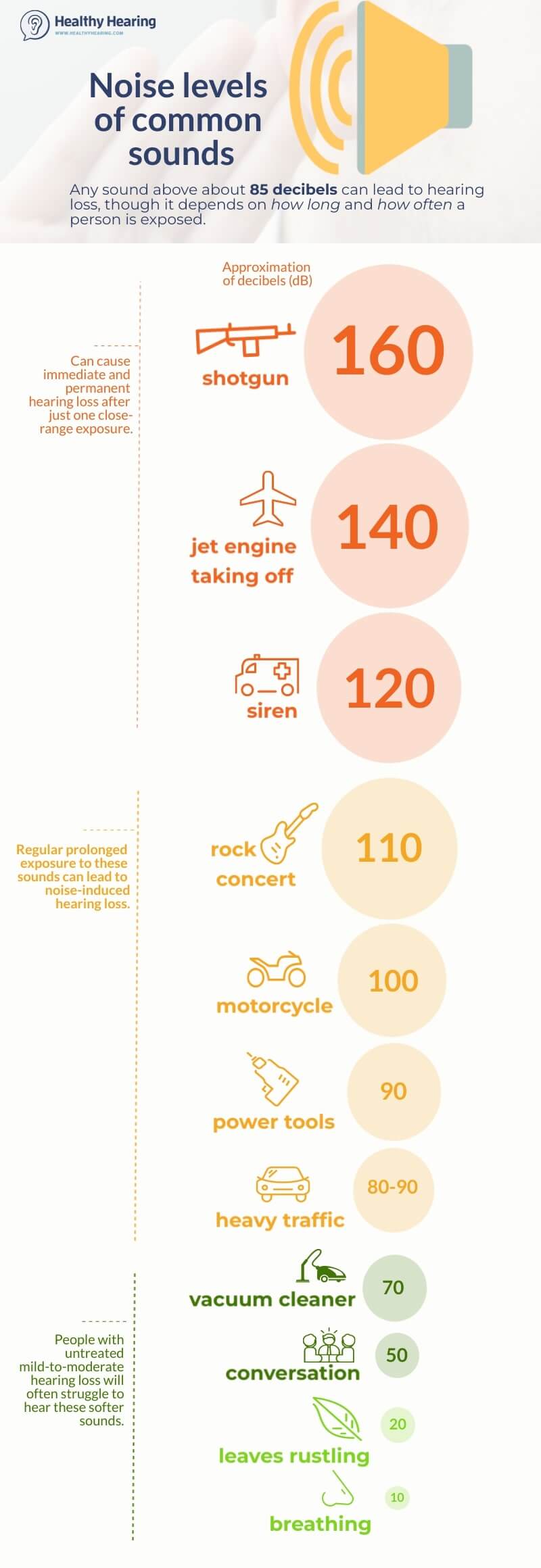
The Science of Sound: Defining the Decibel in a Technical Context
At its core, the decibel is not an absolute unit of measurement like a meter or a gram. Instead, it is a dimensionless ratio between two values—typically a measured value and a reference value. The term originates from “Bel,” named after Alexander Graham Bell, but because the Bel was too large for practical use, the “deci-bel” (one-tenth of a Bel) became the industry standard.
The Logarithmic Logic Behind dB
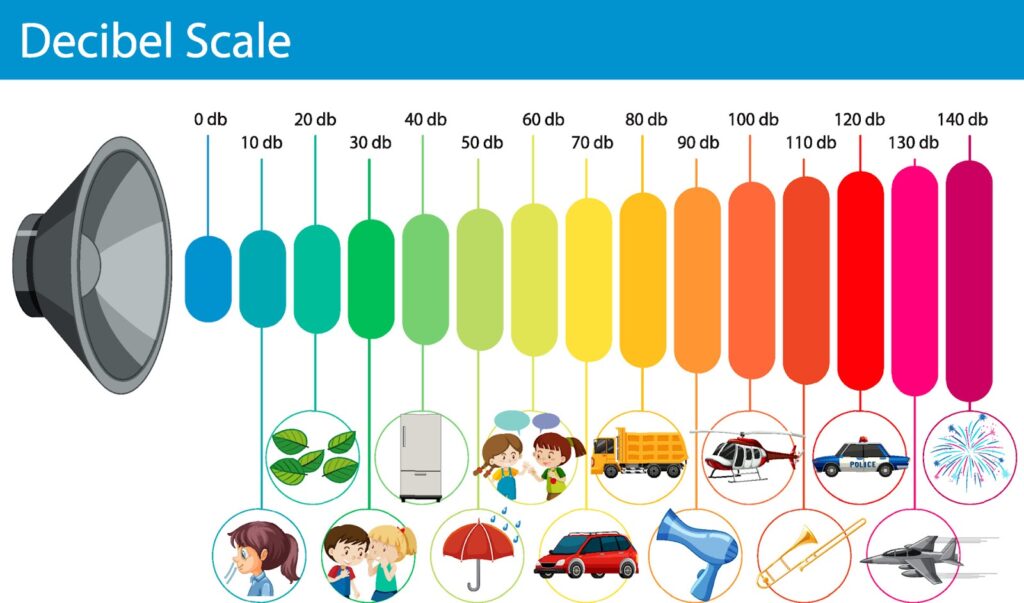
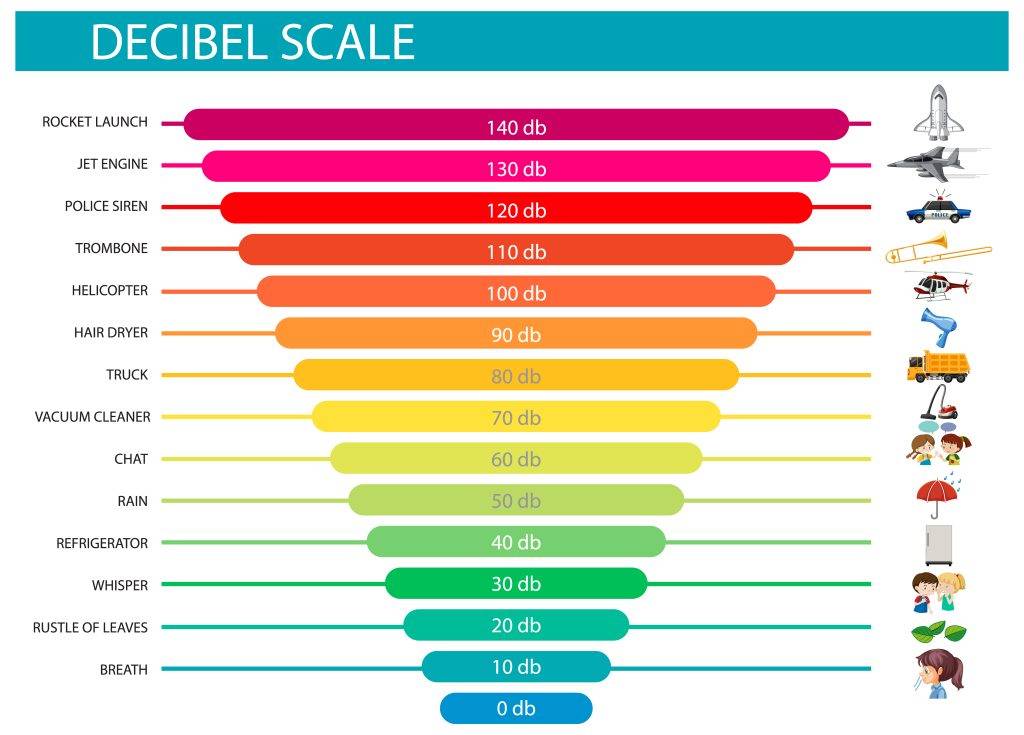
The most critical aspect of the decibel is that it is logarithmic rather than linear. Human senses, particularly hearing and vision, do not process information linearly. If you double the physical energy of a sound wave, the human ear does not perceive it as being twice as loud. To account for this, the decibel scale allows us to represent massive ranges of intensity in manageable numbers.
In technical terms, an increase of 3 dB represents a doubling of power, while an increase of 10 dB represents a tenfold increase in power. This logarithmic scaling is why a 100-watt amplifier is not “ten times louder” than a 10-watt amplifier; in fact, to the human ear, it is only roughly twice as loud. For tech enthusiasts and engineers, mastering this ratio is essential for calculating system headroom and signal efficiency.
Power vs. Pressure: Understanding dBm and dBSPL
In the tech world, we use different reference points for decibels depending on the medium.
-
dBm (Decibel-milliwatts): This is used extensively in telecommunications and RF engineering to measure absolute power levels. 0 dBm is defined as 1 milliwatt of power. It is a crucial metric for evaluating the strength of Wi-Fi signals or cellular reception.
-
dBSPL (Sound Pressure Level): This measures the physical pressure of sound waves in the air relative to the human threshold of hearing (20 micropascals). This is the “dB” people refer to when talking about the loudness of a concert or the noise floor of a server room.
Decibels in Modern Gadgetry and Hardware Engineering
When evaluating hardware—be it smartphones, gaming headsets, or smart speakers—decibels serve as the primary indicator of performance quality and safety. Manufacturers use these metrics to communicate the capabilities of their hardware to savvy consumers.
Audio Fidelity and the Signal-to-Noise Ratio (SNR)
One of the most important specifications in digital audio hardware is the Signal-to-Noise Ratio (SNR). Measured in decibels, SNR describes the ratio of the desired signal (the music or game audio) to the unwanted background noise (electronic hiss or thermal noise).
A higher SNR value indicates a cleaner, more precise audio experience. For example, a high-end Digital-to-Analog Converter (DAC) might boast an SNR of 120 dB, whereas a budget integrated sound card might only manage 80 dB. In a professional tech context, understanding these decibel ratings allows buyers to differentiate between professional-grade gear and consumer-grade toys.
Sensitivity and Efficiency in Headphones and Speakers
Hardware reviewers often cite “Sensitivity” (measured in dB/mW). This tells the user how much sound pressure a pair of headphones will produce for every milliwatt of power supplied. High-sensitivity headphones (around 100 dB/mW) are easy to drive with a smartphone, while low-sensitivity audiophile headphones (85 dB/mW) require a dedicated amplifier to reach sufficient volumes. For the tech-focused consumer, knowing the decibel sensitivity is key to building an efficient hardware ecosystem.
The Digital Domain: Bit Depth and Dynamic Range
As we move from hardware to software and digital signal processing, the decibel remains the gold standard for measurement, but the rules change slightly. In the digital world, we operate within a finite space defined by the software’s architecture.
Clipping and the 0 dBFS Threshold
In digital audio technology, we use dBFS (Decibels relative to Full Scale). Unlike the physical world, where sounds can theoretically get louder indefinitely, digital audio has a “ceiling.” This ceiling is 0 dBFS.
When a digital signal exceeds 0 dBFS, it results in “clipping”—a harsh, distorted sound where the peaks of the waveform are flattened because the software cannot represent a value higher than the maximum bit depth allows. Modern software tools, such as limiters and compressors, are designed specifically to manage decibel levels to stay as close to 0 dBFS as possible without crossing it, maximizing “loudness” while maintaining clarity.
Software Normalization and Gain Staging
For software developers and content creators, “Gain Staging” is the process of managing decibel levels at every stage of the digital signal path. Whether it is an AI-driven voice modulator or a video editing suite, maintaining a consistent decibel level (usually normalizing to around -12 dB or -6 dB) ensures that the final output is compatible with various platforms like YouTube or Spotify, which have their own decibel-based “Loudness Units” (LUFS) requirements.
Decibels and Digital Security: The Role of Acoustic Analysis
A burgeoning niche in the tech world involves the intersection of decibels and cybersecurity. Information is no longer just “data”; it is physical energy that can be measured and exploited.
Identifying Vulnerabilities through Sonic Signatures
Researchers in digital security have developed “Acoustic Side-Channel Attacks.” By using high-sensitivity microphones to measure the decibel variations and frequency shifts of a computer’s cooling fans or the high-pitched “coil whine” of a processor, attackers can sometimes deduce what kind of computations a machine is performing.
Sophisticated algorithms can analyze the decibel patterns of a keyboard’s clicks to reconstruct what a user is typing with surprising accuracy. For security professionals, understanding the decibel output of hardware is becoming a necessary component of physical security protocols and TEMPEST (Telecommunications Electronics Material Protected from Emanating Spurious Transmissions) shielding.
The Future of Decibel Management in AI and Smart Environments
As we move toward a world of “Ambient Intelligence,” the management of decibels is becoming automated through artificial intelligence and advanced machine learning.
Adaptive Noise Cancellation (ANC) Algorithms
The tech behind modern Active Noise Cancellation (ANC) is a marvel of decibel manipulation. Built-in microphones sample the ambient noise (in dBSPL), and an onboard processor generates an “anti-noise” signal of the exact same decibel level but with inverted phase. The result is “destructive interference,” which effectively lowers the decibel level of the environment before it reaches the user’s eardrum. AI is now making this more adaptive, recognizing specific decibel patterns—like a human voice vs. a jet engine—to selectively filter sounds.
Smart Home Integration and Sound Monitoring
The Internet of Things (IoT) has introduced smart sound sensors that monitor the decibel levels of a household. These devices can alert homeowners to a break-in (a sudden decibel spike), a smoke alarm, or even a leaking pipe (sustained low-decibel hiss). Furthermore, smart cities are beginning to use networked decibel meters to monitor “noise pollution” in real-time, using data to optimize traffic flow and urban planning.
In conclusion, decibels are far more than a measure of volume. They are the language of signal strength, the boundary of digital accuracy, and a critical metric in the future of hardware and security. Whether you are an engineer, a gamer, or a tech enthusiast, a firm grasp of the decibel allows you to navigate the complexities of the digital age with precision and insight.
aViewFromTheCave is a participant in the Amazon Services LLC Associates Program, an affiliate advertising program designed to provide a means for sites to earn advertising fees by advertising and linking to Amazon.com. Amazon, the Amazon logo, AmazonSupply, and the AmazonSupply logo are trademarks of Amazon.com, Inc. or its affiliates. As an Amazon Associate we earn affiliate commissions from qualifying purchases.