
In the traditional lexicon of sociobiology and pop psychology, the term “Beta Male” has often been relegated to a secondary, or even derogatory, status. However, in the sophisticated world of brand strategy, corporate identity, and personal branding, the “Beta” archetype is undergoing a profound and profitable transformation. As we move away from the aggressive, winner-takes-all “Alpha” marketing of the late 20th century, a new landscape is emerging—one where empathy, collaboration, and emotional intelligence take center stage.
To understand what “Beta Males” are in a professional branding context is to understand the evolution of the modern consumer. This article explores how brand strategists are redefining masculinity and reliability to build deeper connections with an audience that prizes authenticity over dominance.
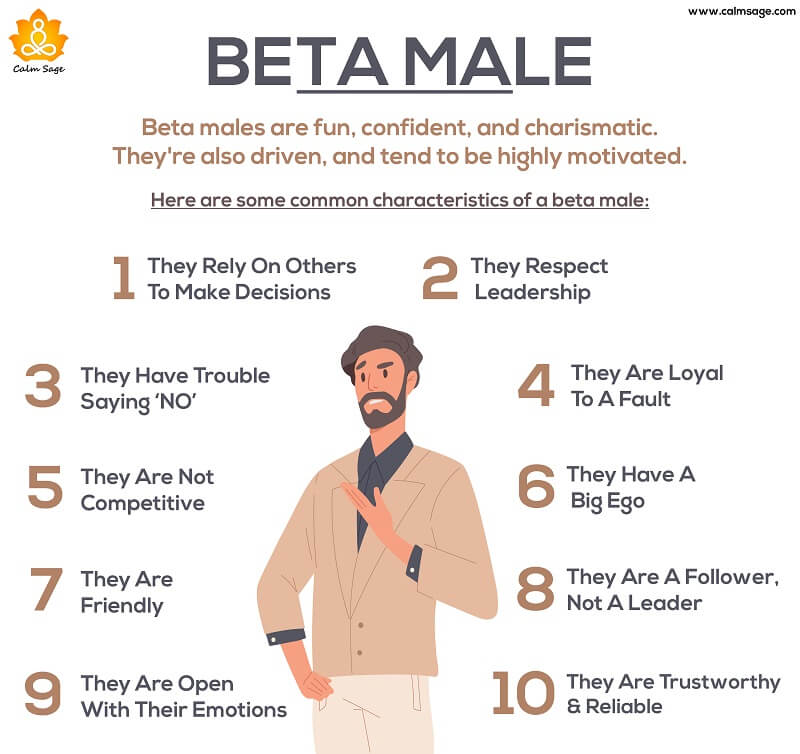
The Evolution of the Masculine Archetype in Marketing
For decades, the “Alpha” was the gold standard of masculine branding. From the Marlboro Man to the high-powered Wall Street executive in classic tailoring, brands projected an image of stoicism, competition, and hierarchy. This was a reflection of a corporate culture that valued individual triumph above all else. However, as cultural values shifted, these archetypes began to lose their resonance.
From Alpha Dominance to Beta Relatability
In the modern market, the “Alpha” archetype often feels disconnected and performative. Today’s consumers—across all genders—are increasingly skeptical of the hyper-masculine, “perfect” lifestyle. What was once seen as the “Beta” trait—vulnerability, teamwork, and a focus on domestic or community life—has become a powerful tool for brand relatability.
The “Beta” in branding represents the “Everyman.” This is an archetype that doesn’t need to be at the top of the pyramid to feel successful. By focusing on relatability, brands can create a sense of belonging rather than a sense of inferiority in their customers. When a brand identifies its target as the “Beta,” it is targeting the person who values the journey and the community over the trophy.
The Rise of the “Everyman” in Global Campaigns
We see this shift clearly in global advertising campaigns. Brands like Dove, with their “Men+Care” line, and Patagonia, with their focus on environmental stewardship over conquest, have leaned heavily into “Beta” traits. These campaigns don’t focus on defeating an opponent; they focus on caring for a family, preserving a forest, or being a reliable friend. This strategy recognizes that the majority of the population identifies more with the supportive, consistent “Beta” role than the outlier “Alpha” role. By validating this identity, these brands secure a loyal, long-term customer base.
Why “Beta” Branding is Outperforming “Alpha” Strategies
The shift toward “Beta” branding isn’t just a cultural trend; it is backed by consumer psychology and market data. In an era of “cancel culture” and high transparency, the aggressive tactics of Alpha-centric branding can often backfire, appearing arrogant or out of touch.
The Psychology of Consumer Trust and Vulnerability
Trust is the most valuable currency in modern brand strategy. Psychology tells us that we trust those who show vulnerability and consistency. The “Beta” archetype embodies these traits. In branding, a “Beta” strategy involves admitting flaws, highlighting the collaborative process, and focusing on the “we” rather than the “I.”
When a company adopts a “Beta” corporate identity, it positions itself as a partner to the consumer. This reduces the friction in the sales funnel. Instead of a brand “convincing” a consumer to be like an elite icon, the brand “invites” the consumer to join a community of like-minded individuals. This pivot from aspirational to inspirational is the cornerstone of successful 21st-century marketing.
Case Studies: Brands Redefining the Modern Male
Consider the rebranding of Old Spice. It moved from a purely Alpha, “smell like a man” (in a traditional sense) approach to a surreal, humorous, and self-aware persona. This self-awareness is a classic “Beta” trait—the ability to not take oneself too seriously.

Similarly, the rise of “Dad-brand” aesthetics in the fashion and lifestyle sectors highlights a preference for comfort, reliability, and approachability. Brands like New Balance have leaned into the “Dad shoe” trend, effectively reclaiming a space that was once considered uncool or “Beta” and turning it into a high-fashion statement. This proves that when a brand embraces the “Beta” characteristics of stability and utility, it can capture a massive market share that values substance over showmanship.
Personal Branding in the Age of Empathy
The concept of the “Beta Male” is perhaps most transformative within the realm of personal branding. For entrepreneurs, influencers, and corporate leaders, the old playbook of “faking it until you make it” and projecting an image of invincible success is being replaced by a more nuanced approach.
Building Authority through Collaboration, Not Competition
In personal branding, the “Beta” leader is one who leads through service and expertise rather than through intimidation. This is the “Servant Leadership” model applied to brand identity. By positioning oneself as a collaborator or a mentor (Beta roles) rather than a commander (Alpha role), a personal brand becomes much more magnetic.
In the digital space, “Beta” personal brands often focus on educational content, sharing the “how-to” behind their successes, and being open about their failures. This transparency builds a “parasocial” relationship with the audience that is rooted in genuine respect. The audience doesn’t want to be under you; they want to be with you.
Content Strategies for the Relatable Professional
To build a successful “Beta-focused” personal brand, the content strategy must prioritize engagement over broadcast. This includes:
-
Behind-the-scenes content: Showing the messiness of the creative or business process.
-
User-generated content (UGC): Elevating the voices of the community to show that the brand is part of a larger ecosystem.
-
Active listening: Using social platforms to respond to feedback and adapt based on community needs.
By adopting these “Beta” traits, a professional can build a resilient brand that isn’t dependent on being the “loudest voice in the room,” but rather the most trusted one.
Leveraging Data to Target the Modern Masculine Segment
For brand managers and marketers, identifying and targeting the “Beta” segment requires a sophisticated use of data and psychographic segmentation. It is no longer enough to target “men aged 18-35”; brands must look at values, interests, and behavioral patterns.
Market Research and Psychographic Segmentation
Modern market research tools allow brands to see beyond demographics. We can now identify “Beta” cohorts through their affinity for community-based platforms (like Discord or Reddit), their preference for sustainable and ethically sourced products, and their high engagement with long-form, educational content.
Psychographic segmentation reveals that the “Beta” consumer is often the primary decision-maker in households and has a high lifetime value (LTV). They are less likely to jump on every passing trend but are incredibly loyal once they find a brand that aligns with their values of stability and quality. Brand strategy, therefore, must focus on the “long game”—building a foundation of quality and service that appeals to this pragmatic sensibility.

Future Trends: Beyond Binary Archetypes
As we look toward the future of brand strategy, the binary between “Alpha” and “Beta” is likely to blur further. We are moving toward a more holistic understanding of identity where brands must be “Alpha” in their innovation and “Beta” in their delivery and customer care.
The “Beta Male” as a consumer archetype is a reminder that the world is moving toward a more empathetic, collaborative, and sustainable model of business. Brands that continue to chase the outdated Alpha ghost risk alienating a generation of consumers who value “being real” over “being best.”
In conclusion, “What are Beta males?” In the context of modern brand strategy, they are the backbone of the contemporary market. They are the reliable, emotionally intelligent, and community-focused consumers and leaders who are redefining what it means to be successful in the 21st century. For any brand looking to survive and thrive, embracing the “Beta” traits of empathy and reliability isn’t just an option—it’s a strategic necessity.
aViewFromTheCave is a participant in the Amazon Services LLC Associates Program, an affiliate advertising program designed to provide a means for sites to earn advertising fees by advertising and linking to Amazon.com. Amazon, the Amazon logo, AmazonSupply, and the AmazonSupply logo are trademarks of Amazon.com, Inc. or its affiliates. As an Amazon Associate we earn affiliate commissions from qualifying purchases.