
The streaming landscape has undergone a seismic shift over the last decade, transitioning from a luxury convenience to a fragmented ecosystem of subscription-based silos. In this crowded marketplace, Tubi has emerged not merely as a repository for licensed content, but as a technical marvel in the Advertising-based Video on Demand (AVOD) space. While the casual user might simply ask “what to watch on Tubi,” the more profound inquiry lies in the technological framework that enables a library of over 50,000 movies and television shows to be served seamlessly, for free, to millions of concurrent users.
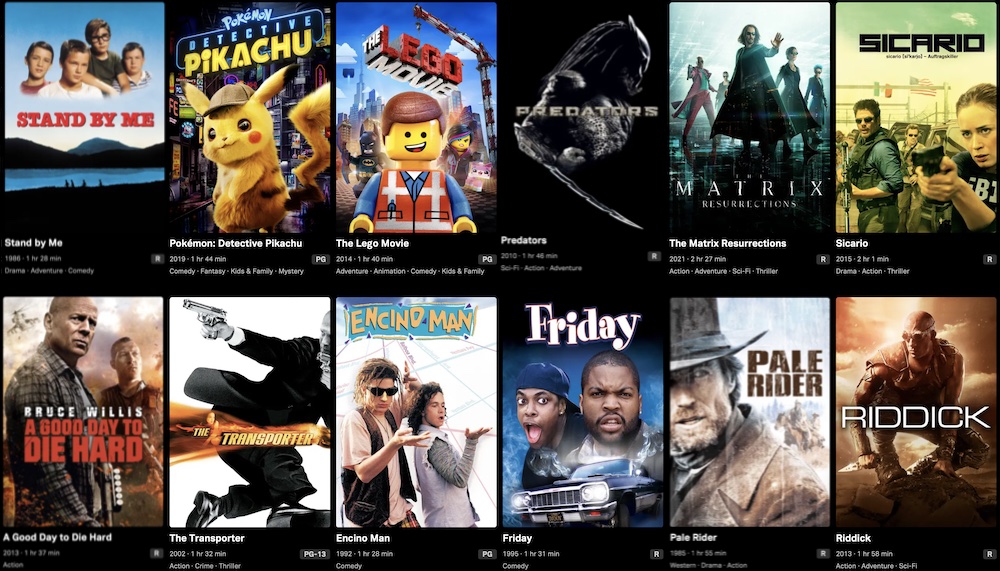
Understanding the “what” of Tubi requires an examination of the “how.” From sophisticated recommendation engines to a robust cloud-based infrastructure, the platform represents a significant evolution in how software manages massive data sets and user engagement. This article explores the technological pillars that define the Tubi experience, analyzing the software trends and digital tools that make it a leader in the AVOD sector.
1. The Algorithmic Curation: How Tech Defines Your Feed
At the heart of the Tubi experience is a sophisticated recommendation engine that differentiates it from traditional linear television. Unlike cable, where content is pushed to a passive audience, Tubi utilizes advanced machine learning (ML) to pull content towards specific user profiles.
The Power of Machine Learning in Content Discovery
Tubi’s recommendation system is built on a foundation of collaborative filtering and deep learning models. When a user asks “what to watch,” the software isn’t just looking at the most popular titles; it is analyzing thousands of data points including viewing duration, “click-through” rates on thumbnails, and genre affinity. This allows the platform to surface “hidden gems” from its massive library that might otherwise go unnoticed. By utilizing high-dimensional embeddings, Tubi’s tech can group content not just by broad categories like “Action” or “Comedy,” but by hyper-specific micro-niches, ensuring that the user finds relevant content within seconds of opening the app.
Metadata Enrichment and Search Optimization
A significant technical challenge for any streaming service is the quality of its metadata. Tubi employs a blend of automated AI tagging and human curation to enrich its content database. This metadata goes beyond title and cast; it includes emotional tone, pacing, and visual style. This data-driven approach to content organization ensures that the “search” function is highly responsive. The technology behind the search bar utilizes natural language processing (NLP) to understand intent, meaning even vague queries can yield accurate results, drastically reducing the “decision fatigue” often associated with large digital libraries.
Real-Time Personalization Engines
The “Home” screen on Tubi is not static. It is a dynamic interface generated in real-time. The backend architecture utilizes distributed computing to update user feeds based on the most recent interactions. If a user watches ten minutes of a 1970s horror film, the algorithm immediately adjusts the weights of the recommendation clusters to prioritize similar vintage cinema. This low-latency personalization is a hallmark of modern software engineering, requiring a highly optimized data pipeline to ensure that the user experience feels intuitive and responsive.
2. Infrastructure and Scalability: The Backend of Free Streaming
Delivering high-definition video to millions of devices simultaneously without a subscription fee requires a masterclass in cloud infrastructure and cost-efficient scaling. Tubi’s technical stack is designed to handle massive traffic spikes while maintaining a “buffer-free” experience.
Cloud-Native Content Delivery Networks (CDNs)
Tubi leverages a multi-CDN strategy to ensure content is delivered from the server closest to the user. This reduces latency and prevents the bottlenecks that often plague smaller streaming apps. By using cloud-native technologies, Tubi can scale its bandwidth up or down instantaneously. This is particularly important for their “Live TV” feature, which requires real-time data ingestion and distribution. The tech stack allows for seamless transitions between on-demand files and live streams, a feat of digital engineering that maintains a consistent user interface across all content types.
Cross-Platform Software Compatibility
One of Tubi’s greatest technical achievements is its ubiquity. The app is available on everything from high-end gaming consoles to low-power smart TV sticks and legacy mobile devices. This requires a highly flexible codebase. Tubi developers utilize cross-platform frameworks that allow for a unified core logic while optimizing the UI for specific hardware limitations. Whether it’s an Android-based tablet or a proprietary Roku OS, the software is engineered to minimize memory usage and maximize CPU efficiency, ensuring that the app remains snappy even on older gadgets.
Video Encoding and Compression Standards
To offer a free service, Tubi must manage its data egress costs meticulously. This is achieved through cutting-edge video encoding. By utilizing codecs like HEVC (High-Efficiency Video Coding) and AV1, Tubi can deliver high-quality visuals at lower bitrates. This doesn’t just save the company money on server costs; it significantly improves the user experience for those on limited data plans or slower internet connections. The technology dynamically adjusts the stream quality based on real-time network conditions, a process known as Adaptive Bitrate Streaming (ABR), which is essential for maintaining viewer retention in the digital age.
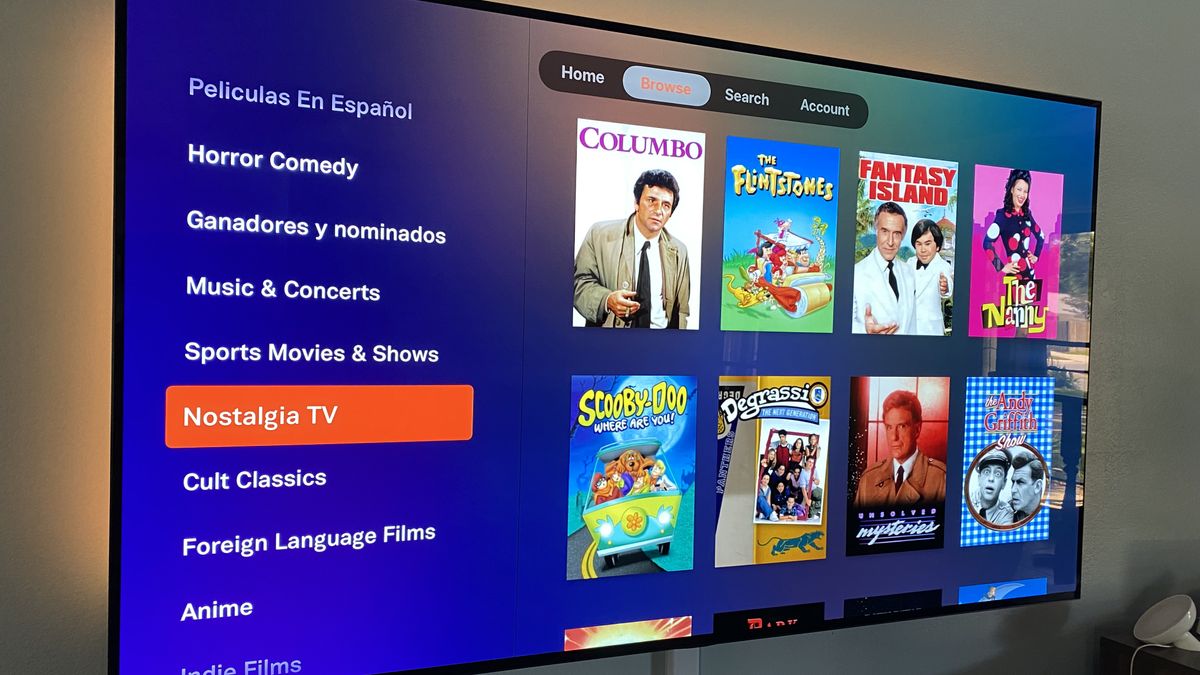
3. The Tech of Monetization: SSAI and the Ad-Experience
The most common question regarding Tubi is how it remains free. The answer lies in its “Ad-Tech” stack. Tubi has pioneered several technologies in Server-Side Ad Insertion (SSAI), which allows for a television-like experience without the technical glitches often associated with digital advertisements.
Server-Side Ad Insertion (SSAI) vs. Client-Side
Many free apps suffer from “ad-buffering,” where the video pauses to load a commercial, breaking the immersion. Tubi utilizes SSAI, a technology where the advertisement is “stitched” directly into the video stream on the server before it ever reaches the user’s device. This makes the transition from the movie to the commercial break seamless. From a technical standpoint, this requires a sophisticated “Ad-Decisioning Engine” that communicates with ad servers in milliseconds to pick the right commercial for the right viewer at the right moment.
Data Privacy and Targeted Advertising
In the realm of digital security and privacy, Tubi must balance personalization with user protection. The platform uses anonymized data identifiers to serve relevant ads without compromising individual identities. This involves sophisticated encryption and data-handling protocols that comply with global regulations like GDPR and CCPA. The software ensures that while advertisers can reach their target demographics—such as “tech enthusiasts” or “movie buffs”—the underlying personal data remains secure and siloed within the platform’s encrypted ecosystem.
Optimizing Ad Load via AI
Too many ads drive users away; too few make the business model unsustainable. Tubi uses AI tools to determine the “optimal ad load” for each session. The software analyzes user engagement metrics to find the sweet spot—maximizing revenue while minimizing churn. This data-centric approach to monetization is what allows Tubi to maintain a library that rivals paid services like Netflix or Hulu, proving that a robust tech strategy can successfully disrupt traditional media business models.
4. The Future of Streaming Tech: AI and Interactive Interfaces
As we look toward the future of what to watch on Tubi, the role of AI and emerging software trends will only grow. The platform is currently exploring ways to make the viewing experience more interactive and technologically integrated.
Generative AI and UI Customization
Generative AI holds the potential to revolutionize the browsing experience. Future iterations of the Tubi app may feature AI-generated trailers or summaries tailored to a specific user’s interests. For example, if a user prefers “Action,” the AI might highlight the stunts in a movie’s thumbnail, whereas a “Romance” fan might see a thumbnail focusing on the lead characters’ chemistry. This level of algorithmic customization represents the next frontier in app development and user engagement.
Enhanced Accessibility through Software
Technology is also being used to make Tubi more inclusive. Automated closed-captioning powered by AI, voice-command navigation, and high-contrast UI modes are becoming standard. By integrating these tools into the core software, Tubi ensures that its massive library is accessible to users with different needs, fulfilling the “free for everyone” promise through inclusive design and robust engineering.
Integration with the Smart Home Ecosystem
As the Internet of Things (IoT) expands, Tubi’s software is evolving to integrate more deeply with the smart home. We are seeing a trend where streaming apps act as hubs within a larger digital ecosystem—syncing with smart lighting for an “ambient cinema” experience or integrating with mobile devices for a “second screen” experience. Tubi’s focus on a lightweight, API-driven architecture makes it uniquely positioned to lead this trend in the AVOD space.
Conclusion: The Digital Engine of Modern Entertainment
When a user sits down to decide what to watch on Tubi, they are interacting with one of the most sophisticated pieces of software in the modern entertainment landscape. Tubi is not just a “free movie app”; it is a high-performance digital platform built on a foundation of machine learning, cloud-native infrastructure, and innovative ad-tech.
By prioritizing the tech behind the content, Tubi has solved the problem of discovery in an age of infinite choice. It has proved that through smart engineering and data-driven strategy, a platform can offer high-quality, accessible entertainment without the need for a subscription fee. As AI and cloud computing continue to evolve, the technology powering Tubi will likely set the standard for how we consume digital media in the decades to come. For the tech-savvy viewer, the real “show” is the incredible software architecture that makes every click, search, and stream possible.
aViewFromTheCave is a participant in the Amazon Services LLC Associates Program, an affiliate advertising program designed to provide a means for sites to earn advertising fees by advertising and linking to Amazon.com. Amazon, the Amazon logo, AmazonSupply, and the AmazonSupply logo are trademarks of Amazon.com, Inc. or its affiliates. As an Amazon Associate we earn affiliate commissions from qualifying purchases.