
For decades, the answer to the question “What time does the YMCA open?” was found on a printed placard taped to a glass door or via a brief phone call to a front-desk receptionist. However, in the current digital-first era, the “opening time” of a community institution like the YMCA is no longer a static data point. It is a dynamic, tech-driven output generated by a complex ecosystem of Cloud-based management software, Application Programming Interfaces (APIs), and Internet of Things (IoT) infrastructure.
As urban centers transition into smart cities and consumer expectations shift toward instant gratification, the technology behind facility access has undergone a massive transformation. Providing accurate, real-time operating hours across thousands of locations requires a sophisticated technological backbone that integrates local branch data with global search algorithms and mobile platforms.

1. The Digital Gateway: How Mobile Apps and APIs Answer the “Open” Question
In the modern tech landscape, the primary way a user interacts with the YMCA is through a screen. Whether it is a smartphone app or a search engine result, the “opening time” is the product of seamless data synchronization.
The Role of Gym Management Software (GMS) and SaaS
At the core of the YMCA’s operational tech stack is specialized Gym Management Software (GMS), such as Daxko or Active Network. These Software-as-a-Service (SaaS) platforms act as the “single source of truth” for facility data. When a local branch manager updates holiday hours or emergency closures in the backend, the SaaS platform pushes that data through an API to various endpoints. This ensures that the time displayed on the local branch website matches the time stored in the central database.
API Integration with Search Engines and Maps
One of the most critical tech components is the integration with Google Business Profiles and Apple Maps. Through API hooks, the YMCA’s central database communicates directly with search engine crawlers. This prevents “data drift,” where a user might see one opening time on a website and another on a map. By utilizing structured data (Schema markup), the YMCA’s web developers ensure that search engines can “read” operating hours as specific code rather than just plain text, allowing for the “Open Now” or “Closing Soon” tags to appear accurately in search results.
2. Smart Access Systems: The IoT Behind 24/7 YMCA Operations
The question “What time does the YMCA open?” is increasingly becoming obsolete as many locations move toward a 24/7 access model. This shift is not managed by hiring more staff, but by deploying sophisticated Internet of Things (IoT) and security technology.
Biometric Entry and RFID Integration
Modern YMCA facilities are increasingly utilizing RFID (Radio Frequency Identification) and biometric scanners to manage entry. When a member scans their key fob or mobile barcode at 4:00 AM, the IoT-enabled turnstile or door lock communicates with the cloud server to verify membership status in milliseconds. This system logs the entry time, contributing to “big data” analytics that help the organization understand peak usage times and optimize energy consumption.
Remote Monitoring and AI-Enhanced Security
Operating a facility outside of traditional “open” hours requires a robust digital security layer. AI-driven video analytics play a crucial role here. Smart cameras equipped with computer vision can detect unusual behavior or medical emergencies in unstaffed areas. If a member experiences a fall or if an unauthorized individual attempts to tail-gate into the building, the system can automatically trigger an alert to a central monitoring station or local law enforcement. This tech-enabled safety net allows the “opening hours” to effectively extend to 24 hours a day without proportional increases in labor costs.
3. AI and Predictive Analytics: Moving Beyond Static Schedules
While knowing when a building opens is helpful, modern users want to know when it is best to visit. This is where Artificial Intelligence (AI) and predictive modeling enter the fitness tech space.
Algorithmic Traffic Forecasting
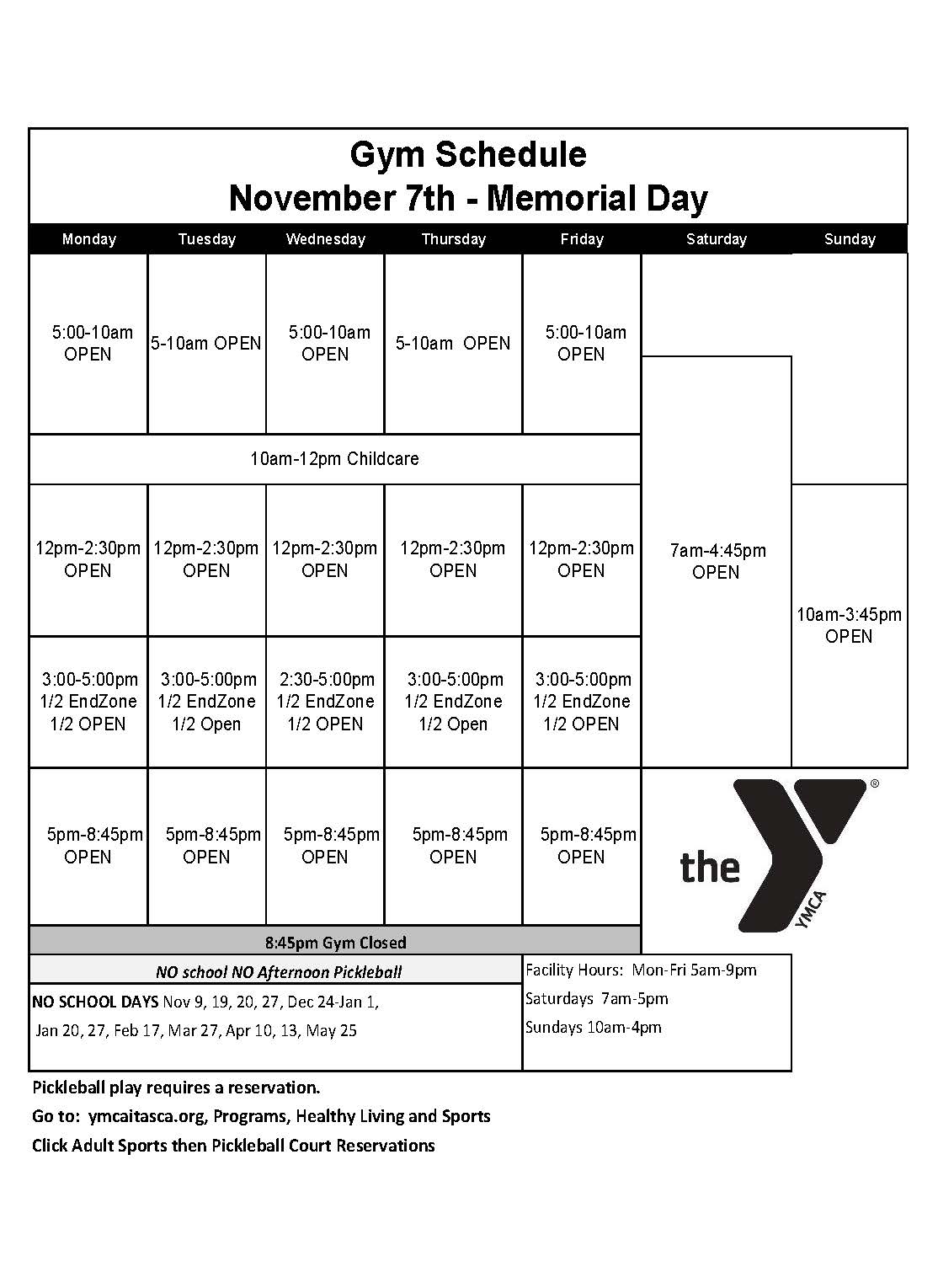
By analyzing years of historical check-in data, AI algorithms can predict facility congestion with remarkable accuracy. Many YMCA digital platforms now feature a “Live Busy-ness” meter. This technology uses real-time Wi-Fi pings and IoT sensor data to estimate how many people are currently in the building. For the tech-savvy member, the question isn’t just “What time does it open?” but “What time will the squat racks be available?”
Voice AI and Natural Language Processing (NLP)
The rise of Voice-as-User-Interface (VUI) has changed how information is retrieved. When a user asks an AI assistant like Alexa or Siri, “What time does my local YMCA open?”, the query is processed via Natural Language Processing (NLP). The AI assistant must then navigate the YMCA’s digital architecture to find the specific location tied to the user’s GPS coordinates. This requires a high degree of interoperability between the YMCA’s internal databases and external AI ecosystems, highlighting the importance of clean, accessible data structures.
4. The Backend Revolution: From Legacy Systems to Unified Platforms
To provide a seamless experience for members checking hours or booking classes, the YMCA has had to undergo a significant digital transformation, moving away from fragmented legacy systems toward unified digital platforms.
Centralized Database Management and Redundancy
In the past, each YMCA branch might have operated its own local server, leading to inconsistent information. The transition to centralized, cloud-native databases (hosted on platforms like AWS or Microsoft Azure) has revolutionized data reliability. These systems utilize geo-redundancy, meaning that even if a server in one region goes down, the information regarding opening hours and facility status remains accessible from another node. This high availability is essential for a service that the community relies on for health and childcare.
The Shift to Mobile-First UX Design
User Experience (UX) design is a critical tech discipline that determines how easily a member can find information. Modern YMCA web portals are designed with a “mobile-first” philosophy, recognizing that most queries about opening times happen on the go. Developers use responsive design frameworks and Progressive Web Apps (PWAs) to ensure that the interface is lightning-fast. Features like “Quick-Tap” scheduling and geofencing—which can send a push notification with the day’s pool hours as a member drives within a certain radius of the facility—are becoming the new standard in member engagement.
5. Future Horizons: Wearables, AR, and Hyper-Personalization
The technology governing “what time a YMCA opens” is set to become even more integrated into the personal tech ecosystem of the user.
Syncing Schedules with Wearable Tech
We are entering an era where your smartwatch will know the YMCA’s schedule better than you do. Through deep integration with health platforms like Apple HealthKit or Google Fit, the YMCA’s scheduling API could automatically suggest a workout time based on when the facility opens and when your calendar is clear. If a branch decides to open an hour early for “Senior Swim” or “Power Lifting,” your wearable device could proactively notify you based on your user profile and preferences.
Augmented Reality (AR) and Virtual Concierges
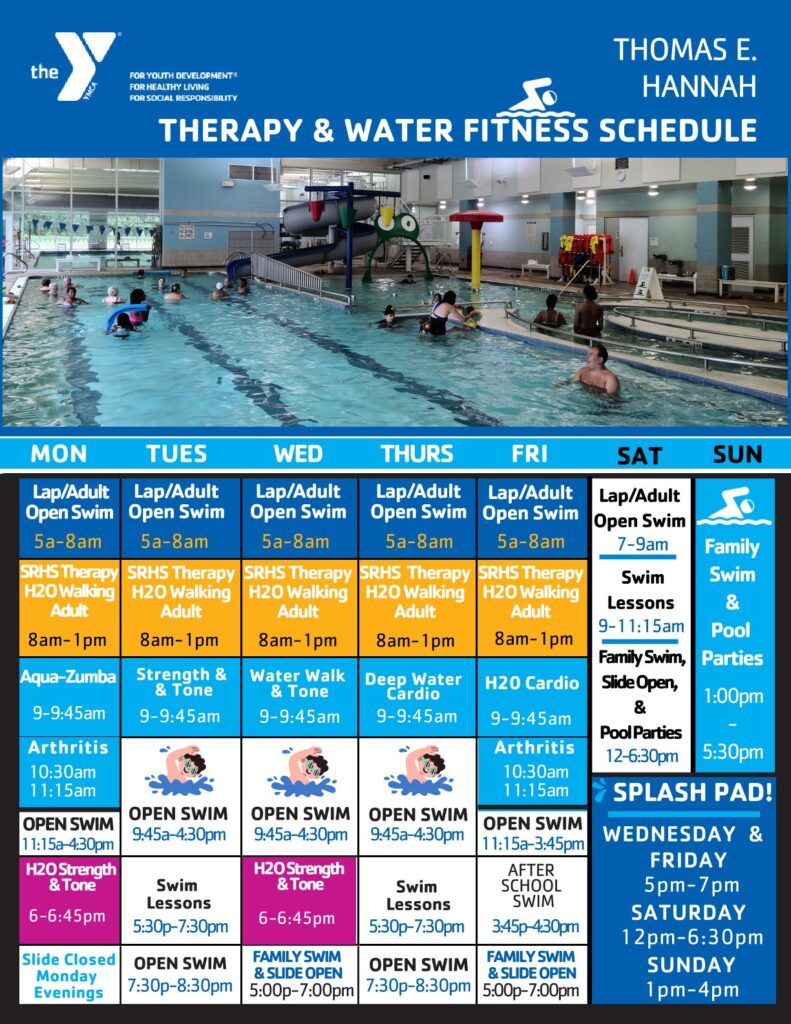
In the near future, the concept of a physical front desk may be supplemented by Augmented Reality. Imagine holding your phone up to the YMCA entrance after hours; an AR overlay could display not just the opening times, but a 3D heat map of which gym floors are currently most active. Virtual concierges, powered by Large Language Models (LLMs), could provide instant answers to complex queries, such as “Is the lap pool open late tonight for the holiday, and are there lanes available?”
Conclusion: The Tech-Enabled Community
The question “What time does the YMCA open?” serves as a gateway to a much larger discussion about how traditional non-profits are adopting cutting-edge technology. It is no longer about a clock on the wall; it is about a sophisticated network of APIs, IoT sensors, AI predictors, and Cloud infrastructure working in harmony.
By leveraging these technological tools, the YMCA ensures that it remains a vital, accessible part of the community. In a world where data is the new currency, the ability to provide accurate, real-time, and predictive information is what keeps the doors—both physical and digital—open for everyone. The digital transformation of the YMCA proves that even the most historic institutions can lead the way in tech adoption, ensuring that community service and high-tech efficiency go hand-in-hand.
aViewFromTheCave is a participant in the Amazon Services LLC Associates Program, an affiliate advertising program designed to provide a means for sites to earn advertising fees by advertising and linking to Amazon.com. Amazon, the Amazon logo, AmazonSupply, and the AmazonSupply logo are trademarks of Amazon.com, Inc. or its affiliates. As an Amazon Associate we earn affiliate commissions from qualifying purchases.