
In today’s dynamic business landscape, where corporate identity and reputation are paramount, the role of a manager extends far beyond mere task delegation and oversight. A truly effective manager is not just an operational cog; they are a critical architect of the company’s brand—both internally and externally. They embody its values, shape its culture, and directly influence how the organization is perceived by employees, customers, and the wider market. Understanding “what makes a good manager” thus becomes a deep dive into the very essence of brand building and sustainment. This article explores how exceptional leadership translates into tangible brand assets, cementing a company’s standing as a desirable employer, a trusted partner, and an impactful entity in its industry.

The Manager as a Brand Ambassador: Internal and External Impact
A manager stands at the nexus of strategy and execution, often serving as the most direct point of contact between employees and the overarching corporate vision. Their daily interactions, decisions, and leadership style are powerful determinants of the brand’s health and integrity.
Living the Brand Values
At its core, a brand is a promise—a set of values and an identity that a company projects. Good managers don’t just understand these values; they live them. They are the frontline interpreters of the company’s mission, vision, and ethical guidelines, translating abstract corporate statements into tangible actions and behaviours. When a manager consistently demonstrates integrity, transparency, and a commitment to quality, they reinforce the brand’s authenticity. Conversely, a manager who deviates from these principles can quickly erode trust and damage the brand’s internal credibility, leading to cynicism and disengagement among employees. By embodying the brand’s essence, managers create an environment where values are not just preached but practiced, making the brand’s narrative feel real and relatable to every team member. This internal consistency is vital, as it empowers employees to genuinely connect with the brand, transforming them into authentic advocates.
Beyond the Org Chart: Every Manager, a PR Touchpoint
The impact of a manager as a brand ambassador extends far beyond the confines of internal operations. Every interaction a manager has—whether with a client, a vendor, a potential hire, or even during a casual industry networking event—contributes to the company’s public perception. A professional, articulate, and empathetic manager enhances the brand’s reputation for excellence and reliability. Their ability to represent the company’s interests while demonstrating respect and understanding reflects positively on the brand’s character. In essence, managers are continuous public relations touchpoints. They are living testimonials to the brand’s culture and operational standards. A manager’s ethical conduct, problem-solving skills, and interpersonal finesse in external dealings directly shape how the market perceives the company’s reliability, trustworthiness, and overall brand equity.
The Ripple Effect of Leadership: From Team to Market
The leadership style of a manager creates a ripple effect that emanates from their immediate team outwards. A supportive, inspiring, and effective manager fosters a high-performing team. This team, in turn, delivers superior results, whether in customer service, product development, or marketing execution. These positive outcomes directly contribute to the brand’s market reputation. Satisfied customers become loyal patrons, positive word-of-mouth spreads, and the brand gains a competitive edge. Furthermore, when managers empower their teams, they cultivate an environment of ownership and pride. This translates into employees who are more invested in the company’s success and more likely to champion the brand in their professional and personal lives. This organic advocacy is invaluable, providing authentic, credible endorsements that resonate far more powerfully than any marketing campaign.
Shaping Corporate Identity: Leadership as the Foundation of Culture
Corporate identity is not merely a logo or a colour palette; it’s the sum total of how an organization presents itself, operates, and interacts. At its heart lies the corporate culture, and it is here that good managers play their most formative role, sculpting the very DNA of the brand.
Defining the Cultural Blueprint
Managers are the primary architects of team culture, which, in aggregate, forms the broader corporate identity. They set the tone, establish norms, and influence the unwritten rules of engagement. A manager who prioritizes collaboration, open communication, and psychological safety creates a culture where employees feel valued and empowered. This cultural blueprint directly informs how the brand is perceived internally. A strong, positive internal culture, fostered by good management, becomes a unique selling proposition for the company, making it an attractive place to work. Conversely, a toxic or disorganized team culture, often a symptom of poor management, can swiftly undermine the corporate identity, leading to high turnover, low morale, and a significant drain on productivity and reputation.
Fostering Brand-Centric Communication
Effective managers are masters of communication, ensuring that all internal messaging reinforces the core tenets of the brand. They translate high-level corporate strategies into clear, actionable goals for their teams, ensuring that every individual understands their contribution to the brand’s overall mission. This alignment is crucial for maintaining a consistent brand voice and experience. Managers are responsible for communicating successes, challenges, and changes in a way that aligns with the brand’s values – for instance, demonstrating transparency in times of difficulty or celebrating achievements that embody the brand’s spirit. By ensuring that communication is not just informative but also inspiring and consistent with the brand’s narrative, managers cement the connection between individual effort and collective brand success.
Empowering Brand Advocates
A critical function of a good manager is to transform employees into passionate brand advocates. This isn’t achieved through mandates but through empowerment, recognition, and fostering a sense of shared purpose. When managers actively listen to their teams, provide opportunities for growth, and celebrate individual and collective achievements, they instill a sense of pride and ownership. Employees who feel respected and invested in are far more likely to champion the brand, both internally and externally. They become authentic storytellers of the brand’s journey, sharing positive experiences with friends, family, and professional networks. This organic advocacy strengthens the brand’s voice and reach, building a reservoir of goodwill that is invaluable in a competitive market.
Building the Employer Brand: Attracting and Retaining Top Talent
In the war for talent, a company’s employer brand—its reputation as a place to work—is as crucial as its consumer brand. Good managers are arguably the most significant factor in cultivating a compelling employer brand, directly impacting a company’s ability to attract, develop, and retain top talent.
The Managerial Experience: Key to Employee Loyalty
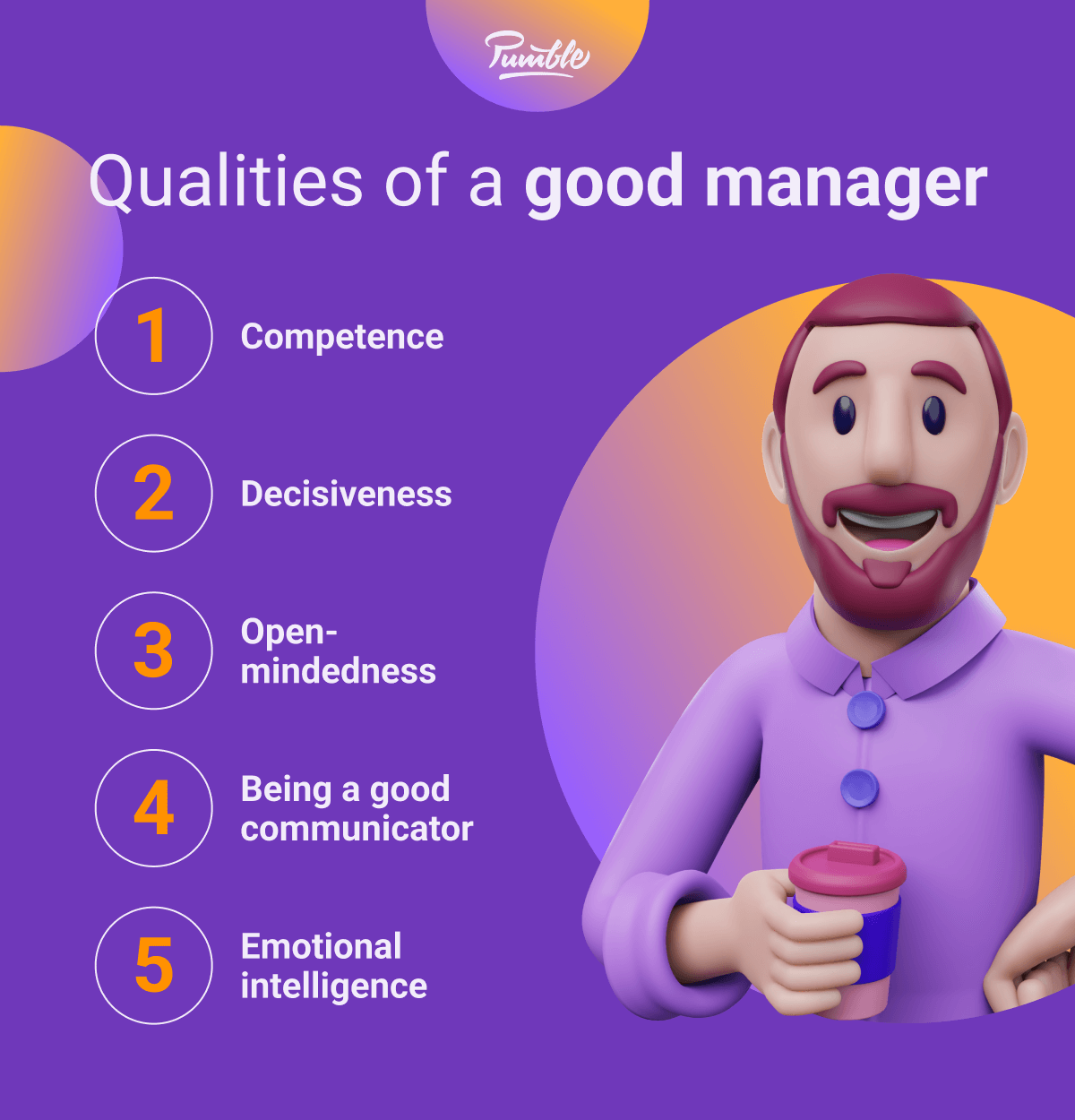
Employee retention is inextricably linked to the quality of management. Studies consistently show that people leave managers, not companies. A supportive, fair, and inspiring manager creates a positive daily work experience that significantly contributes to employee loyalty. These managers foster environments where employees feel challenged, supported, and valued. They provide clear direction, constructive feedback, and opportunities for development, making employees feel invested in their career progression within the company. This positive managerial experience reinforces the employer brand’s promise of a great workplace, reducing turnover and preserving valuable institutional knowledge. It signals to prospective candidates that this is a company where personal and professional growth are genuinely supported.
From Recruitment to Retention: Storytellers of the Brand Journey
Managers play a pivotal role throughout the talent lifecycle, from initial recruitment to long-term retention. In the hiring process, managers are often the first direct human connection a candidate has with the company beyond HR. Their ability to articulate the team’s vision, the company culture, and growth opportunities effectively can make or break a candidate’s decision. They are the initial storytellers of the brand’s journey, painting a vivid picture of what it’s truly like to work there. Once hired, good managers continue this narrative, integrating new hires into the existing brand culture, providing mentorship, and ensuring a smooth transition. Their personal success stories and those of their team members become powerful testimonials, enhancing the employer brand’s allure and solidifying the company’s reputation as an employer of choice.
Developing Talent, Elevating Reputation
A distinguishing characteristic of good managers is their commitment to talent development. They identify potential, provide training, offer challenging assignments, and guide their team members towards achieving their full capabilities. This investment in employee growth is a powerful statement about the company’s values and directly enhances its employer brand. When a company is known for developing strong leaders and skilled professionals, it attracts ambitious individuals seeking similar opportunities. Moreover, as developed employees progress—whether within the company or moving on to new roles—they carry the company’s brand with them, serving as living proof of its commitment to excellence and growth. This outward projection of talent development significantly elevates the company’s overall reputation and strengthens its position in the competitive talent market.
Strategic Communication and Brand Alignment: Guiding the Narrative
For a brand to resonate effectively, its message must be clear, consistent, and aligned across all touchpoints. Managers are critical conduits for strategic communication, ensuring that the brand’s narrative is not just articulated but also enacted at every level of the organization.
Translating Vision into Action: The Brand’s Operational Link
Executive leadership typically sets the brand’s overarching vision and strategic direction. However, it is the managers who translate this grand vision into concrete, actionable steps for their teams. They serve as the operational link, ensuring that daily tasks and project objectives are aligned with the brand’s strategic goals and core promise. For example, if a brand promises unparalleled customer service, a good manager instills this principle in every team member, setting clear expectations for interaction quality, response times, and problem-solving approaches. This meticulous alignment ensures that the brand’s promise is consistently delivered, strengthening its credibility and customer loyalty. Without effective managerial translation, strategic visions often remain abstract, leading to inconsistencies that dilute the brand’s impact.
Crisis Management and Brand Resilience
No brand is immune to crises, whether they stem from product failures, public relations missteps, or internal controversies. During such challenging times, the actions and communication of managers are pivotal in protecting and restoring brand reputation. Good managers demonstrate calm under pressure, communicate transparently with their teams, and act decisively to mitigate damage. They ensure that all internal messaging remains consistent with the brand’s values, preventing misinformation and maintaining employee trust. Externally, their ability to manage team responses and coordinate with leadership helps present a unified, responsible front to customers and stakeholders. By demonstrating resilience, integrity, and a commitment to resolution during crises, managers not only safeguard the brand but also often strengthen its perceived reliability and trustworthiness in the long run.
Feedback Loops and Brand Evolution
A vibrant brand is one that continually learns, adapts, and evolves. Good managers facilitate vital feedback loops, acting as critical conduits between the front lines and strategic leadership. They encourage employees to share insights from customer interactions, market observations, and operational challenges. By actively listening to this feedback and effectively communicating it upwards, managers enable the brand to adapt to changing market conditions, customer needs, and internal dynamics. This iterative process of listening, learning, and adjusting is fundamental to brand relevance and longevity. Managers who cultivate an environment where feedback is welcomed and acted upon empower the brand to stay agile, innovative, and deeply connected to its audience, ensuring its continuous evolution and enduring appeal.
Innovation and Adaptability: Future-Proofing the Brand Through Dynamic Leadership
In a rapidly evolving global marketplace, a static brand is a dying brand. What makes a good manager in this context is their ability to foster an environment of innovation, embrace change, and guide the brand towards new horizons, effectively future-proofing its relevance and competitive edge.
Cultivating a Culture of Brand Innovation
Good managers are not afraid of new ideas; they actively solicit and champion them. They understand that brand longevity is tied to continuous innovation—whether in product development, service delivery, or marketing approaches. By creating a psychologically safe environment where experimentation is encouraged and failure is viewed as a learning opportunity, managers empower their teams to think creatively and challenge the status quo. This culture of innovation ensures that the brand remains fresh, relevant, and capable of surprising and delighting its audience. A manager who encourages diverse perspectives and invests in research and development contributes directly to the brand’s ability to stay ahead of market trends, develop breakthrough solutions, and maintain its reputation as a forward-thinking leader in its industry.
Navigating Change: Leading the Brand Through Transformation
Change is constant, and organizations frequently undergo transformations—be it technological upgrades, market pivots, or structural reorganizations. During these periods, managers are the essential anchors who guide their teams through uncertainty. A good manager communicates the rationale behind changes transparently, addresses concerns proactively, and provides the necessary support and resources for adaptation. Their ability to lead with empathy and conviction ensures that the team remains focused on the brand’s core mission even amidst disruption. By effectively managing change, managers minimize resistance, maintain morale, and ensure that the brand’s identity and values remain consistent throughout the transition, reinforcing its stability and adaptability in the eyes of employees and external stakeholders alike.

Embracing New Brand Horizons
Exceptional managers possess a forward-looking perspective, constantly scanning the horizon for new opportunities that can expand the brand’s reach and impact. This might involve exploring new technologies, identifying emerging markets, or championing sustainable practices that resonate with evolving consumer values. They encourage strategic risk-taking and empower their teams to develop initiatives that can open new avenues for brand growth. By fostering a proactive and adaptable mindset, good managers ensure that the brand doesn’t just respond to change but actively shapes its future. Their leadership in embracing new horizons positions the brand as a pioneer, enhances its market relevance, and secures its long-term viability and influence in an ever-changing world.
Ultimately, a good manager is far more than an individual contributor with leadership responsibilities. They are the living embodiment of a company’s brand, its cultural architects, talent magnets, communication champions, and innovation catalysts. Their influence permeates every layer of the organization, shaping not just productivity and morale, but the very essence of how the brand is perceived, both now and in the future. Investing in strong, brand-aligned managerial leadership is, therefore, not merely an operational necessity but a strategic imperative for any organization committed to building an enduring and impactful brand.
aViewFromTheCave is a participant in the Amazon Services LLC Associates Program, an affiliate advertising program designed to provide a means for sites to earn advertising fees by advertising and linking to Amazon.com. Amazon, the Amazon logo, AmazonSupply, and the AmazonSupply logo are trademarks of Amazon.com, Inc. or its affiliates. As an Amazon Associate we earn affiliate commissions from qualifying purchases.