
The journey into a rewarding healthcare career often begins with a fundamental question: “What can I expect to earn?” For aspiring diagnostic medical sonographers, understanding the financial landscape of this profession is crucial for career planning, education investment, and long-term financial stability. Diagnostic medical sonography is a vital field, utilizing sophisticated ultrasound technology to create images of the human body’s internal structures, aiding physicians in diagnosis and treatment. This role demands a unique blend of technical skill, medical knowledge, and compassionate patient care. As the demand for skilled healthcare professionals continues to grow, particularly in diagnostic imaging, the financial prospects for sonographers remain robust, making it an attractive career path for many.

This comprehensive guide will delve into the factors that influence a sonographer’s starting salary, provide national benchmarks, and offer strategies for new graduates to maximize their earning potential. We will explore how geographical location, education, specialization, and the type of employer can significantly impact initial compensation, offering aspiring sonographers a clear roadmap for their financial future in this critical medical field.
Understanding the Diagnostic Medical Sonographer Role and Its Value
To fully appreciate the salary potential of a diagnostic medical sonographer, it’s essential to first understand the scope and importance of their work. This is not merely a technical job; it’s a patient-facing role that requires precision, critical thinking, and empathy, contributing directly to patient outcomes.
The Critical Function of Sonography in Healthcare
Diagnostic medical sonographers are the eyes behind many diagnoses. They operate complex ultrasound equipment to produce images, or sonograms, of organs, soft tissues, and blood flow. These images are indispensable for diagnosing a wide range of conditions, from pregnancy monitoring and cardiac issues to abdominal pathologies and vascular diseases. Unlike other imaging modalities like X-rays or CT scans, ultrasound does not use ionizing radiation, making it a safe and versatile tool, particularly for sensitive populations such such as pregnant women and children. This non-invasive nature, coupled with its diagnostic accuracy, makes sonography an increasingly preferred imaging modality, cementing the sonographer’s indispensable role in modern healthcare teams. Their ability to interact directly with patients, explain procedures, and ensure comfort while capturing high-quality diagnostic images adds immense value to the diagnostic process, directly impacting the speed and accuracy of medical interventions.
Essential Skills and Qualifications for Sonographers
Becoming a diagnostic medical sonographer requires a specific set of skills and a rigorous educational path. Typically, candidates pursue an associate’s degree or a bachelor’s degree in diagnostic medical sonography. For those with existing healthcare backgrounds, a post-secondary certificate program is also an option. Core coursework includes anatomy, physiology, medical terminology, physics of ultrasound, instrumentation, and patient care. Beyond academic qualifications, successful sonographers possess strong hand-eye coordination, critical thinking skills, attention to detail, excellent communication abilities, and a high degree of empathy.
Crucially, certification is paramount for employability and often for higher earning potential. The American Registry for Diagnostic Medical Sonography (ARDMS) offers various certifications, such as Registered Diagnostic Medical Sonographer (RDMS), Registered Diagnostic Cardiac Sonographer (RDCS), and Registered Vascular Technologist (RVT). While not always legally mandated, ARDMS certification is widely recognized and preferred by employers, signaling a high level of competency and professionalism. New graduates who achieve these certifications immediately after graduation are often more competitive in the job market and may command higher starting salaries.
Factors Influencing a Sonographer’s Starting Salary
The starting salary for a diagnostic medical sonographer is not a fixed figure but rather a dynamic range influenced by several key variables. Understanding these factors can help new graduates strategically position themselves for optimal compensation.
Geographic Location: Urban vs. Rural & Cost of Living
Where a sonographer chooses to practice plays a significant role in their starting salary. Salaries tend to be higher in metropolitan areas and states with a higher cost of living. Major cities and their surrounding suburbs often have a greater demand for healthcare services, including diagnostic imaging, leading to more competitive salaries. Conversely, rural areas might offer slightly lower pay, though they may compensate with a lower cost of living and potentially a less saturated job market. States with particularly high demand for healthcare professionals, or those with strong union representation for healthcare workers, often report higher average salaries. For instance, a sonographer starting in California or New York might expect a higher initial offer than one starting in a state like Mississippi or Arkansas, even for the same level of experience and certification.
Education, Certification, and Specialization
As mentioned, educational attainment and professional certification are critical. Graduates with a bachelor’s degree might slightly edge out those with an associate’s degree in starting salary negotiations, particularly in larger institutions. More importantly, holding ARDMS certifications, especially multiple ones (e.g., RDMS with an additional specialty like Vascular Technology – RVT), significantly boosts a new graduate’s earning potential. Employers value the demonstrated expertise and commitment that these certifications represent. Specializations also command different pay scales. While general diagnostic medical sonography is well-compensated, niche areas like cardiac sonography (echocardiography) or vascular sonography often have higher starting salaries due to the specialized knowledge and skills required, and sometimes a smaller pool of qualified professionals.
Type of Employer: Hospitals, Clinics, and Private Practices
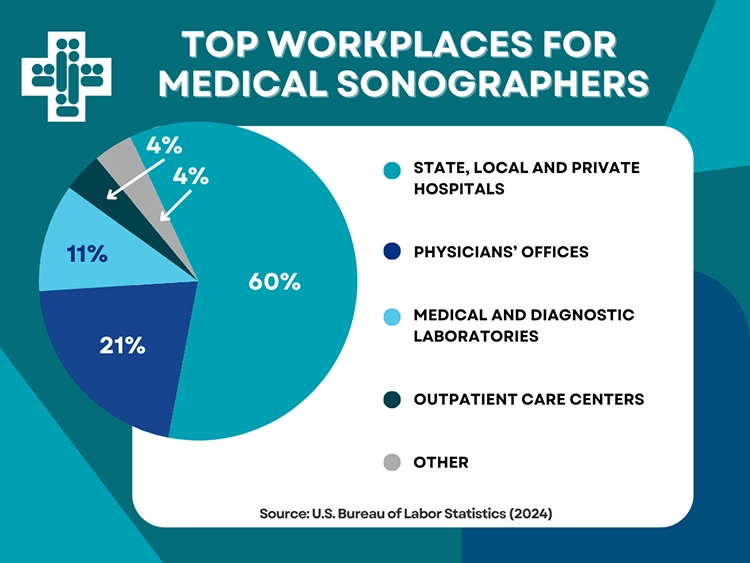
The type of healthcare facility also impacts starting pay. Large hospital systems, particularly academic medical centers or those in highly competitive markets, often offer the most comprehensive benefits packages and potentially higher starting salaries due to their scale and resources. Smaller private clinics, outpatient imaging centers, or physician offices might offer slightly less in base salary but could provide a more consistent schedule or a different work environment. Government facilities, such as VA hospitals, may offer competitive salaries and excellent benefits, but often have a more structured pay scale. Understanding the pros and cons of each employer type, both financially and professionally, is key for a new graduate.
Experience Level and Internship Impact
While the focus here is on “starting salary,” any relevant clinical experience gained during education can positively influence initial offers. Extensive internship or externship hours, particularly in diverse settings or with high-volume patient exposure, can make a new graduate more attractive to employers. Demonstrating practical proficiency and a readiness to hit the ground running can lead to a stronger negotiating position. Some programs even integrate paid internships, providing valuable experience and a small income during training, effectively reducing the time it takes to become fully productive upon graduation.
National Averages and Entry-Level Salary Expectations
To provide a concrete understanding, let’s look at the national picture and what new sonographers can realistically expect in their first few years.
Benchmarking Against Industry Data
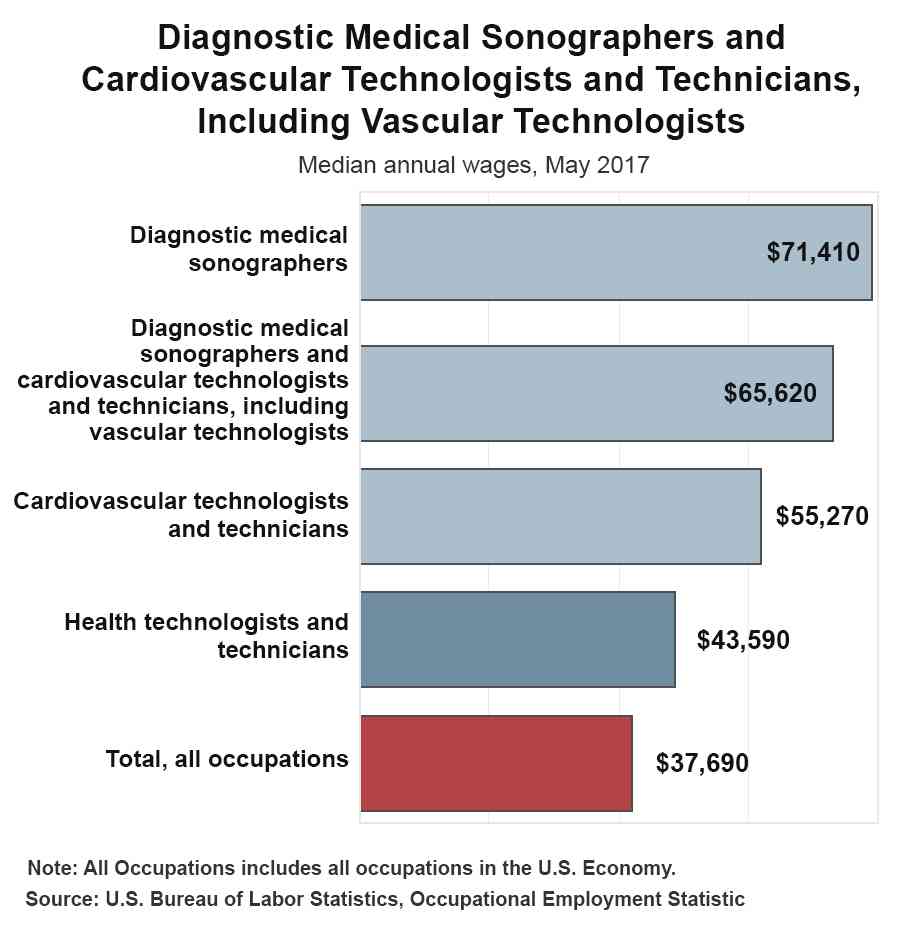
According to the U.S. Bureau of Labor Statistics (BLS), the median annual wage for diagnostic medical sonographers was approximately $84,410 in May 2022. This figure represents the midpoint of all sonographer salaries, meaning half earned more and half earned less. For entry-level positions, the starting salary typically falls within the lower percentiles of this range. For instance, the lowest 10 percent earned less than $64,370, while the highest 10 percent earned more than $108,080. It’s important to remember that these are national averages, and individual experiences will vary based on the factors discussed above.
Entry-Level Ranges: What to Expect in Your First Years
For a new graduate with an associate’s or bachelor’s degree and ARDMS certification, a realistic starting salary often ranges from $60,000 to $75,000 annually. This can be higher in high-demand metropolitan areas or for those with specialized certifications immediately out of school. For example, a new cardiac sonographer in a major city could start closer to the $70,000-$80,000 mark. Conversely, a general sonographer in a rural setting might start at the lower end of the $60,000-$65,000 range. These figures typically do not include potential overtime pay, on-call compensation, or shift differentials, which can further boost total annual earnings.
How to Research Local Salary Data
For the most accurate picture, aspiring sonographers should conduct thorough local market research. Websites like Indeed, Glassdoor, Salary.com, and LinkedIn often provide salary estimates based on reported data for specific regions and job titles. Professional organizations, such as the Society of Diagnostic Medical Sonography (SDMS), also publish salary surveys that can offer valuable insights. Networking with current sonographers in desired geographic areas can also provide anecdotal yet highly relevant information regarding local pay scales and working conditions. This granular approach ensures that expectations are aligned with the realities of the specific job market being targeted.
Maximizing Your Earning Potential as a New Sonographer
Entering the workforce as a new sonographer doesn’t mean settling for the lowest offer. There are proactive steps graduates can take to enhance their financial outlook from day one and beyond.
The Power of Advanced Certifications
While a basic ARDMS certification is usually a prerequisite, pursuing additional specialized certifications early in one’s career can significantly boost earning potential. For example, a Registered Diagnostic Cardiac Sonographer (RDCS) or a Registered Vascular Technologist (RVT) often command higher salaries due to the specialized demand and expertise required. Employers are frequently willing to pay more for candidates who can perform a wider range of diagnostic procedures, reducing the need for multiple specialists or offering greater flexibility within the department. Investing time and effort into these additional credentials immediately after or even during your initial educational program can yield substantial financial dividends.
Strategic Job Search and Negotiation Tactics
A strategic job search involves more than just applying to every open position. It means targeting employers known for competitive salaries and good benefits, preparing a strong resume that highlights all relevant clinical experience and certifications, and practicing interview skills. When an offer is extended, new graduates should be prepared to negotiate. While extensive negotiation may be challenging with no prior professional experience, discussing salary within a reasonable range (informed by your local research) and clarifying benefits like health insurance, retirement contributions, tuition reimbursement, and paid time off can make a significant difference to the total compensation package. Don’t underestimate the value of a robust benefits package, which can add thousands of dollars in hidden value annually.
Exploring Overtime and On-Call Opportunities
Many sonography roles, particularly in hospital settings, offer opportunities for overtime and on-call shifts. These can significantly augment a new sonographer’s base salary. Overtime is typically paid at 1.5 times the hourly rate, and on-call pay often includes a standby rate plus additional pay if called in. While these hours can be demanding, they represent an immediate way for new graduates to increase their income, pay down student loans faster, or build savings. It’s important to balance these opportunities with personal well-being, but they are a readily available avenue for financial growth in the early stages of a career.
Long-Term Financial Outlook and Career Growth
The starting salary is just the beginning. Diagnostic medical sonography offers a career with strong long-term financial stability and excellent opportunities for salary progression and professional advancement.
Salary Progression with Experience
As sonographers gain experience, their salaries typically increase. The BLS data indicates that experienced sonographers can earn well over $90,000 to $100,000 annually. With 5-10 years of experience, a sonographer can expect to move into the higher echelons of the salary range, especially if they continue to acquire new skills, maintain multiple certifications, or take on leadership roles. Experience not only enhances technical proficiency but also improves diagnostic interpretation skills, patient management, and efficiency, making experienced sonographers invaluable assets to any healthcare facility.
Specializations with Higher Pay Scales
Beyond initial certifications, further specialization can unlock even higher earning potential. Advanced roles might include becoming a lead sonographer, an educator for new students, a clinical applications specialist for ultrasound equipment manufacturers, or even moving into management positions within an imaging department. Each of these paths typically comes with a significant increase in salary due to the added responsibilities, expertise, or strategic value they bring. For instance, a sonographer who transitions into a managerial role could see their salary climb well into six figures.
The Stability and Demand of the Sonography Profession
The job outlook for diagnostic medical sonographers is exceptionally strong. The BLS projects a growth rate of 10% from 2022 to 2032, which is much faster than the average for all occupations. This translates into approximately 7,100 new job openings each year. This robust demand is driven by an aging population requiring more diagnostic imaging, the increasing preference for non-invasive diagnostic procedures, and ongoing advancements in ultrasound technology. This high demand ensures job security and continuous opportunities for professional development and financial growth, making diagnostic medical sonography a wise investment for a stable and prosperous career.
In conclusion, while the starting salary of a diagnostic medical sonographer typically ranges from $60,000 to $75,000, this figure is highly influenced by location, education, certification, and employer type. By understanding these variables, pursuing advanced certifications, and engaging in strategic career planning, new graduates can maximize their initial earnings and set themselves on a path toward a financially rewarding and impactful career in healthcare. The profession offers not only competitive compensation but also significant long-term growth potential and job security, making it an excellent choice for those looking to combine a passion for patient care with a stable financial future.
aViewFromTheCave is a participant in the Amazon Services LLC Associates Program, an affiliate advertising program designed to provide a means for sites to earn advertising fees by advertising and linking to Amazon.com. Amazon, the Amazon logo, AmazonSupply, and the AmazonSupply logo are trademarks of Amazon.com, Inc. or its affiliates. As an Amazon Associate we earn affiliate commissions from qualifying purchases.