
The concept of the “richest city in the world” is more nuanced than a simple tally. It’s a dynamic title influenced by a confluence of economic indicators, human capital, and strategic financial positioning. While many might instinctively name cities synonymous with wealth and luxury, pinpointing the single wealthiest urban center requires a deep dive into various metrics beyond surface-level observations. From the density of billionaires and millionaires to the volume of financial transactions, foreign direct investment, and the overall economic output, a city’s true financial might is a complex mosaic. This exploration delves into what defines urban wealth in the 21st century, highlights the leading contenders for this prestigious title, and examines the underlying financial strategies and economic drivers that propel these cities to the zenith of global prosperity. Understanding this landscape is crucial not just for economists and investors, but for anyone seeking to grasp the fundamental forces shaping the global financial ecosystem.
Defining Urban Wealth: Beyond Traditional Metrics
To accurately identify the richest city, we must first establish a comprehensive framework for what constitutes urban wealth. Relying solely on conventional economic measures can be misleading, as they often fail to capture the full spectrum of a city’s financial vibrancy and depth.
The Limitations of Traditional Metrics
Traditionally, a city’s economic strength has often been assessed through metrics like Gross Domestic Product (GDP) per capita or Gross National Income (GNI). While useful for national or regional comparisons, these figures can be inadequate at the city level. For instance, GDP per capita might inflate the wealth of small city-states with concentrated industries and small populations, or conversely, dilute the impact of vast wealth within larger, more populous metropolises. Moreover, these metrics don’t always reflect the distribution of wealth, the cost of living, or the sheer volume of financial activity that defines a global economic powerhouse. A city could have a high GDP but suffer from significant wealth disparity, making its “richest” status contentious from a broader financial health perspective. They also don’t account for the intangible assets like intellectual capital, innovation ecosystems, or the quality of financial infrastructure, which are vital for attracting and retaining wealth.
Comprehensive Economic Indicators
A more robust evaluation necessitates a multi-faceted approach, incorporating a broader array of financial indicators. One of the most telling measures is the concentration of High-Net-Worth Individuals (HNWIs) and Ultra-High-Net-Worth Individuals (UHNWIs) – individuals with investable assets exceeding $1 million and $30 million, respectively. A high density of these affluent individuals indicates a thriving investment climate, robust business opportunities, and a strong accumulation of private wealth. This isn’t just about residents; it also includes the presence of global investors and business leaders who choose a city as their operational base or preferred investment destination.
Furthermore, a critical indicator is the volume of Foreign Direct Investment (FDI) a city attracts. High FDI signals confidence from international businesses and investors in the city’s economic stability, growth prospects, and regulatory environment. It reflects an active and attractive market for capital. The concentration of key financial institutions – global banks, investment funds, stock exchanges, and venture capital firms – also speaks volumes. These institutions are the engines of financial markets, facilitating transactions, capital formation, and wealth management on a massive scale. Lastly, the presence of dominant industries like finance, technology, luxury goods, or advanced manufacturing, which generate substantial revenue and create high-paying jobs, significantly contributes to a city’s overall economic prosperity. These sectors often create powerful ripple effects, fostering a vibrant ecosystem of ancillary businesses and services that further enhance the city’s financial standing.
The Role of Financial Ecosystems
Beyond raw numbers, the quality and sophistication of a city’s financial ecosystem are paramount. This includes the legal and regulatory framework that ensures transparency and protects investments, the depth and liquidity of its capital markets, the availability of specialized financial services (like asset management, private banking, and fintech innovation), and access to a highly skilled workforce in finance and related sectors. Cities with robust financial ecosystems act as magnets for global capital, offering unparalleled opportunities for investment, wealth creation, and financial innovation. They foster environments where capital can flow freely, ideas can be financed, and businesses can thrive, making them central to the global financial network.
The Contenders: A Look at Leading Global Wealth Hubs
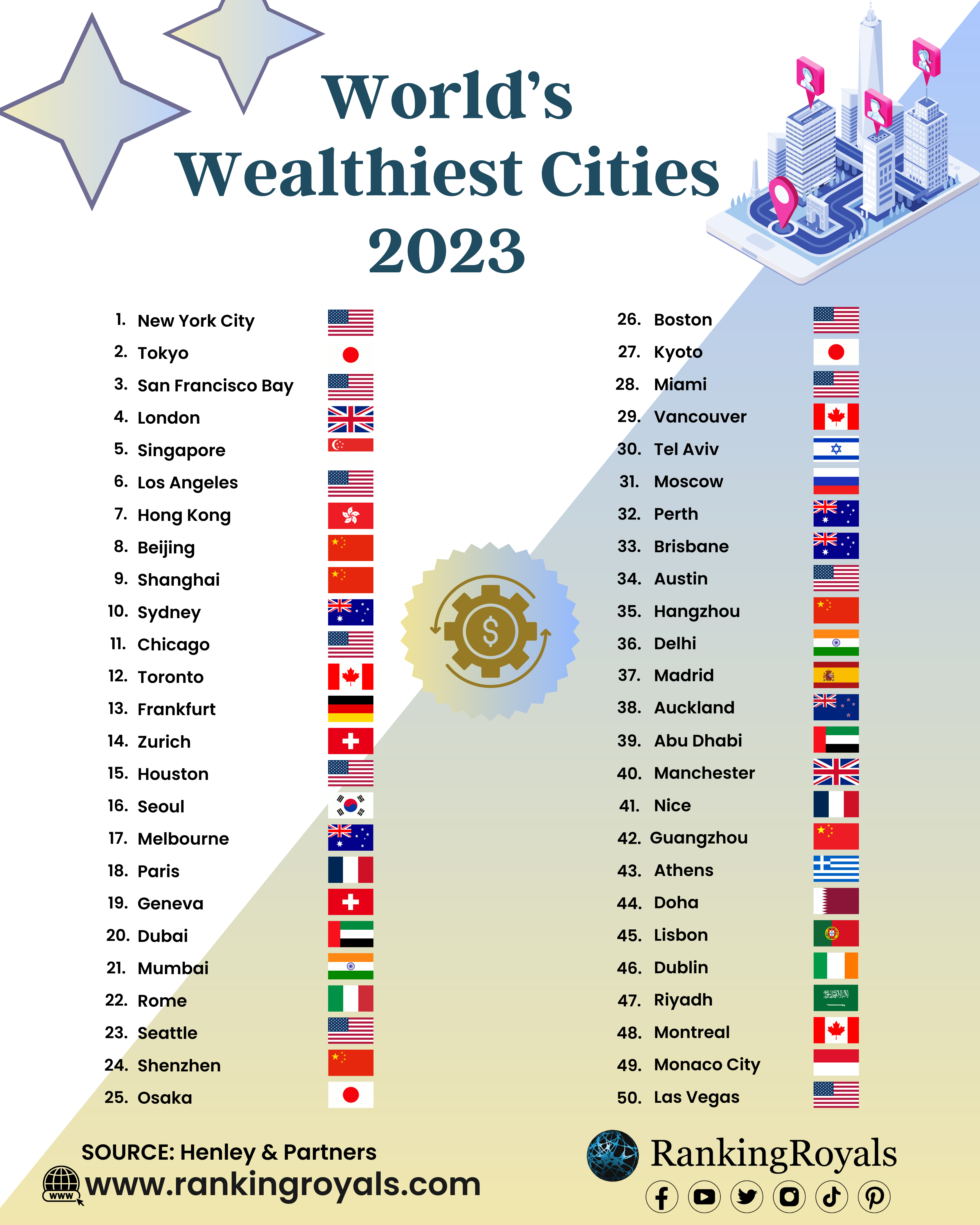
When applying these comprehensive metrics, a few cities consistently emerge at the forefront, each distinguished by its unique blend of economic strengths and financial magnetism.
New York City: A Financial Powerhouse
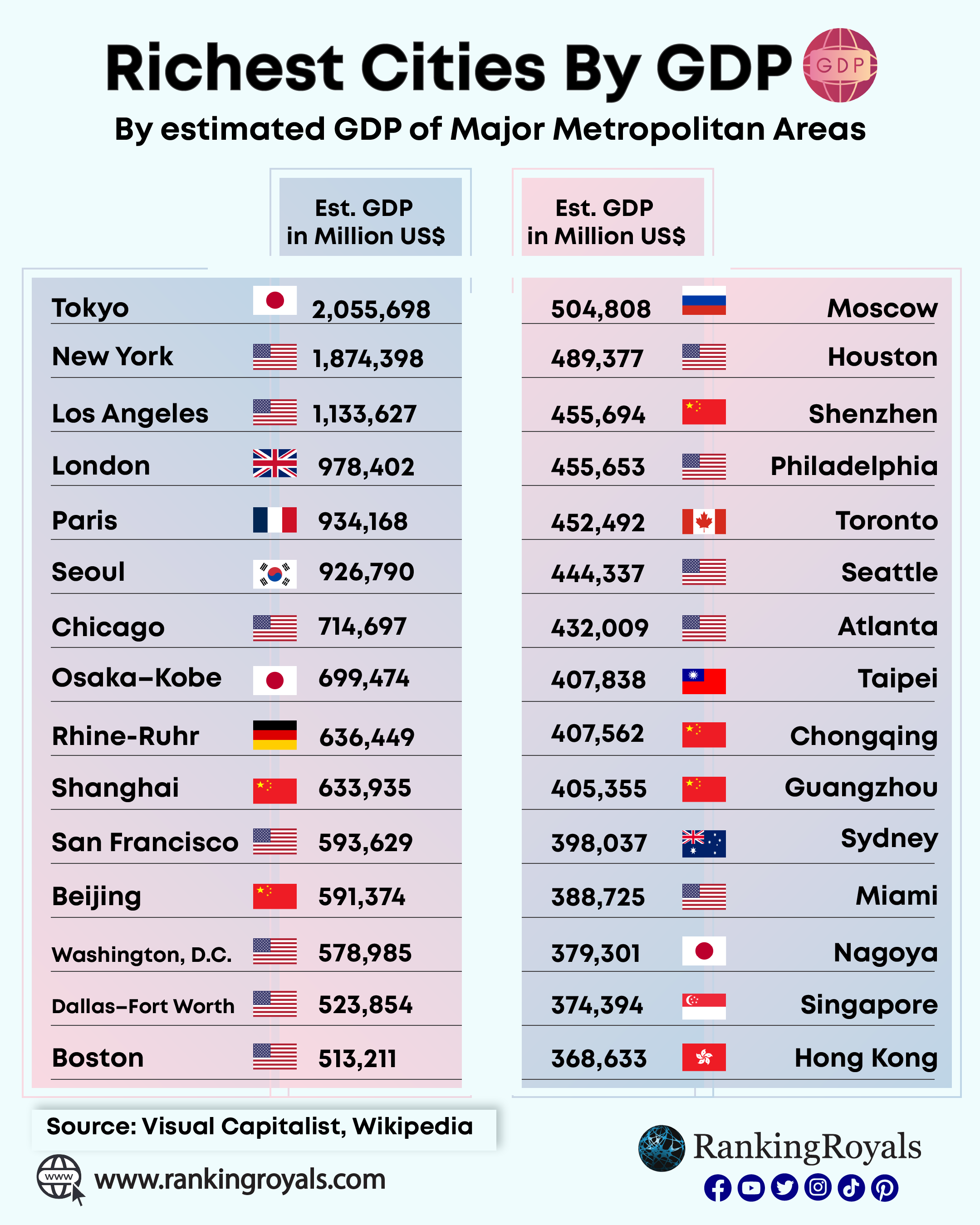
New York City unequivocally stands as a titan in the global financial landscape. Home to Wall Street, the New York Stock Exchange (NYSE), and NASDAQ, it is the undisputed capital of global finance. The city boasts the highest concentration of billionaires and millionaires in the world, along with an unparalleled density of investment banks, hedge funds, and private equity firms. Its economic might is fueled by a diverse array of industries, including finance, media, technology, and fashion, attracting massive domestic and international investment. The sheer volume of financial transactions, capital markets activity, and wealth management services makes NYC a perpetual leader. Its robust legal framework and deep talent pool further solidify its position as a primary hub for global capital.
Tokyo: Resilience and Innovation in Finance
Tokyo, while sometimes overshadowed by Western counterparts, remains a formidable economic powerhouse, especially in Asia. It consistently ranks high in terms of millionaire population and boasts one of the world’s largest stock exchanges (JPX). Its wealth is underpinned by a resilient domestic economy, strong manufacturing base, and a burgeoning tech sector. Tokyo’s financial institutions are deeply integrated into global markets, and its economy benefits from substantial corporate wealth and a high savings rate. While perhaps less flashy than New York, Tokyo’s steady economic growth, technological innovation, and a large, affluent population ensure its continued presence among the world’s richest cities.
The Bay Area (San Francisco): Tech-Driven Riches
The San Francisco Bay Area, encompassing Silicon Valley, represents a distinct model of wealth generation driven by technological innovation. While its overall population and traditional financial institutions might not rival New York, it possesses an extraordinary concentration of wealth generated by the tech industry. It is the epicenter of venture capital funding, home to countless tech giants and innovative startups that consistently generate new billionaires and HNWIs. The region’s wealth is characterized by rapidly appreciating tech company valuations, substantial IPOs, and a culture of entrepreneurship that continuously attracts global talent and investment. Its economic influence extends far beyond its geographic borders, shaping global industries and creating immense capital.
London: Europe’s Enduring Financial Centre
Despite recent geopolitical shifts, London maintains its status as a critical global financial hub. It boasts a thriving fintech scene, robust capital markets, and a significant presence of international banks, insurance companies, and asset management firms. London’s strength lies in its time zone advantage, connecting Asian and American markets, and its deep pool of highly skilled financial professionals. It is a magnet for foreign investment, serving as a gateway to European markets and a global center for wealth management, legal services, and luxury goods. The city’s extensive financial ecosystem and strong international connections ensure its enduring role as a top contender for urban wealth.
Singapore: Asia’s Ascent as a Wealth Magnet
Singapore has rapidly ascended as a premier global wealth management hub, particularly for Asia’s growing affluent population. Its strategic location, pro-business policies, political stability, and attractive tax regime have made it a magnet for HNWIs and UHNWIs seeking a secure and efficient environment for their assets. The city-state has invested heavily in its financial infrastructure and regulatory framework, fostering a dynamic environment for private banking, asset management, and fintech. Its diverse economy, strong trade links, and status as a regional corporate headquarters further bolster its financial standing, positioning it as a key node in the global financial network.
What Makes a City Rich? Key Economic Drivers
Beyond simply identifying rich cities, it’s vital to understand the underlying economic engines that fuel their prosperity. These drivers are often interconnected, forming a virtuous cycle of growth and wealth accumulation.
Concentrated Industries and Innovation
The presence of highly productive, high-value-added industries is fundamental. Cities that specialize in sectors like finance, technology, advanced manufacturing, biotechnology, or luxury goods tend to generate significant wealth. These industries often have high profit margins, attract substantial investment, and create well-paying jobs. Moreover, a culture of innovation, where research and development are encouraged and new businesses are constantly emerging, is a powerful wealth generator. This constant creation of new value and intellectual property ensures long-term economic vitality.
Human Capital and Talent Attraction
A rich city is almost always a city rich in talent. Access to a highly educated, skilled, and diverse workforce is a critical asset. This includes top-tier professionals in finance, engineering, law, and business, as well as a robust ecosystem of universities and research institutions that continuously feed new talent into the economy. The ability to attract and retain global talent, through competitive wages, quality of life, and career opportunities, is a key differentiator, making these cities centers for expertise and intellectual capital.
Stable Governance and Business-Friendly Policies
Political stability, transparent legal systems, and predictable regulatory environments are foundational for attracting and retaining capital. Investors are more likely to commit resources to cities where their assets are secure and where the rules of engagement are clear and consistent. Business-friendly policies, such as competitive tax rates, ease of doing business, and supportive economic development initiatives, further enhance a city’s appeal to corporations and entrepreneurs, fostering an environment where wealth can be created and managed efficiently.
Infrastructure and Connectivity
Modern, efficient infrastructure is not just a convenience; it’s an economic imperative. World-class transportation networks (airports, ports, public transit), reliable digital infrastructure (high-speed internet), and high-quality public services are essential for supporting complex economic activities. Connectivity, both physical and digital, ensures that businesses can operate seamlessly and that talent can access opportunities, making the city an attractive hub for global commerce and finance.
The Impact of Urban Wealth: Opportunities and Challenges
The accumulation of immense urban wealth brings with it both significant opportunities for economic advancement and critical challenges related to social equity and sustainability.
Economic Growth and Job Creation
A city’s wealth acts as a powerful engine for broader economic growth. High levels of investment, flourishing businesses, and a concentration of HNWIs lead to job creation across various sectors – not just in finance and tech, but also in supporting services, retail, hospitality, and construction. This creates a vibrant economic ecosystem that can generate opportunities for a wide range of residents and contribute significantly to national GDP. The wealth created can also fund public services, infrastructure projects, and cultural institutions, enriching the overall urban experience.
Investment Opportunities and Market Dynamics
For investors, rich cities offer unparalleled opportunities. Deep and liquid capital markets, a diverse array of investment vehicles, and access to cutting-edge financial products provide avenues for wealth preservation and growth. The presence of numerous institutional and private investors also creates dynamic market conditions, where capital is readily available for both established companies and innovative startups. This financial dynamism drives market efficiency and encourages continuous innovation in investment strategies and financial tools.
Addressing Wealth Disparity and Affordability
However, the concentration of immense wealth often exacerbates wealth disparity within a city. Rapid economic growth and the influx of high-income earners can drive up the cost of living, particularly housing, making the city unaffordable for lower and middle-income residents. This can lead to social stratification, displacement, and a decline in overall quality of life for a significant portion of the population. Rich cities face the ongoing challenge of implementing policies that promote inclusive growth, such as affordable housing initiatives, investment in public education, and support for small businesses, to ensure that prosperity is shared more equitably and the city remains vibrant and diverse. Managing the societal impact of extreme wealth concentration is a critical aspect of sustainable urban development.
The Future of Urban Wealth: Shifting Tides and Emerging Centers
The landscape of global urban wealth is not static. Geopolitical shifts, technological advancements, and evolving economic priorities mean that the list of “richest cities” is always in flux, with new contenders rising and established ones adapting.
The Rise of Asian Megacities
While New York, London, and Tokyo remain stalwarts, the 21st century has witnessed a dramatic shift towards Asia. Cities like Singapore, Hong Kong (despite recent challenges), Shanghai, and Beijing are rapidly accumulating wealth, driven by vast populations, surging economic growth, and increasing integration into global financial markets. These cities are becoming crucial nodes in the global supply chain, centers for technological innovation, and magnets for both domestic and international capital. Their strategic geographical positions and proactive economic policies suggest they will continue to play an ever more dominant role in defining urban wealth.
Sustainability and Inclusive Growth as Future Metrics
Looking ahead, the definition of a “rich city” might broaden beyond purely financial metrics to include aspects of sustainability and inclusive growth. Cities that can demonstrate environmental resilience, social equity, and a high quality of life for all residents, alongside financial prosperity, may increasingly be seen as truly “wealthy.” Investors and talent are increasingly factoring these qualitative aspects into their decisions, pushing cities to adopt more holistic development strategies. Financial tools and investments geared towards green infrastructure, social impact bonds, and equitable development will likely gain prominence.
The Digital Economy’s Influence
The digital economy is fundamentally reshaping how wealth is created and distributed. Cities that foster robust digital infrastructure, embrace fintech innovation, and cultivate a strong ecosystem for e-commerce, AI, and blockchain technologies are well-positioned for future wealth generation. Remote work capabilities and digital nomadism also pose interesting questions about the future of urban density and the concentration of human capital, potentially distributing wealth generation more broadly or creating new types of digital wealth hubs. The cities that successfully integrate and leverage these digital transformations will likely be the richest cities of tomorrow, defining wealth not just by physical assets but by intellectual property and digital capital.
Ultimately, the richest city in the world is not a fixed title but a reflection of evolving global economic forces. While current indicators point to established financial giants like New York City, the landscape is continuously reshaped by innovation, strategic financial planning, and the dynamic interplay of global capital and talent. Understanding these forces offers invaluable insights into the future of global finance and urban development.
aViewFromTheCave is a participant in the Amazon Services LLC Associates Program, an affiliate advertising program designed to provide a means for sites to earn advertising fees by advertising and linking to Amazon.com. Amazon, the Amazon logo, AmazonSupply, and the AmazonSupply logo are trademarks of Amazon.com, Inc. or its affiliates. As an Amazon Associate we earn affiliate commissions from qualifying purchases.