
In the modern business landscape, the difference between a brand that thrives and one that merely survives often comes down to its core philosophy. Many organizations mistake “marketing” for “advertising” or “selling.” However, at the heart of every successful corporate identity lies a much deeper principle: the marketing concept. This concept represents a fundamental shift in how businesses operate, moving away from a focus on the product and toward a focus on the customer.
The marketing concept is the philosophy that firms should analyze the needs of their customers and then make decisions to satisfy those needs, better than the competition. In today’s hyper-competitive environment, where brand loyalty is hard-won and easily lost, understanding this concept is not just an academic exercise—it is a requirement for strategic brand survival.

The Evolution of Marketing Philosophy
To truly understand the marketing concept, one must look at how business strategies have evolved over the last century. Branding did not start with customer-centricity; it reached that point through a series of tactical shifts.
The Production and Product Eras
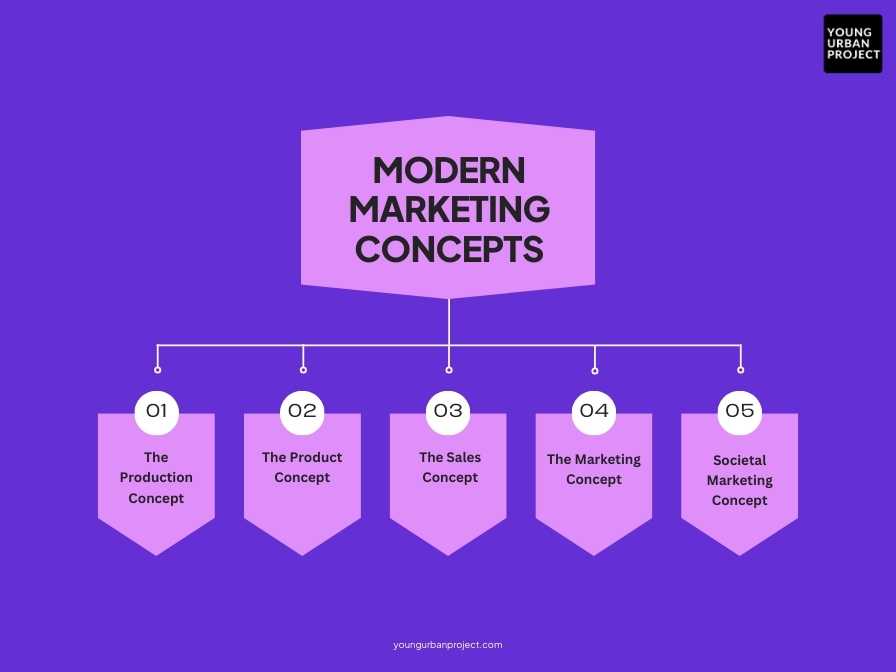
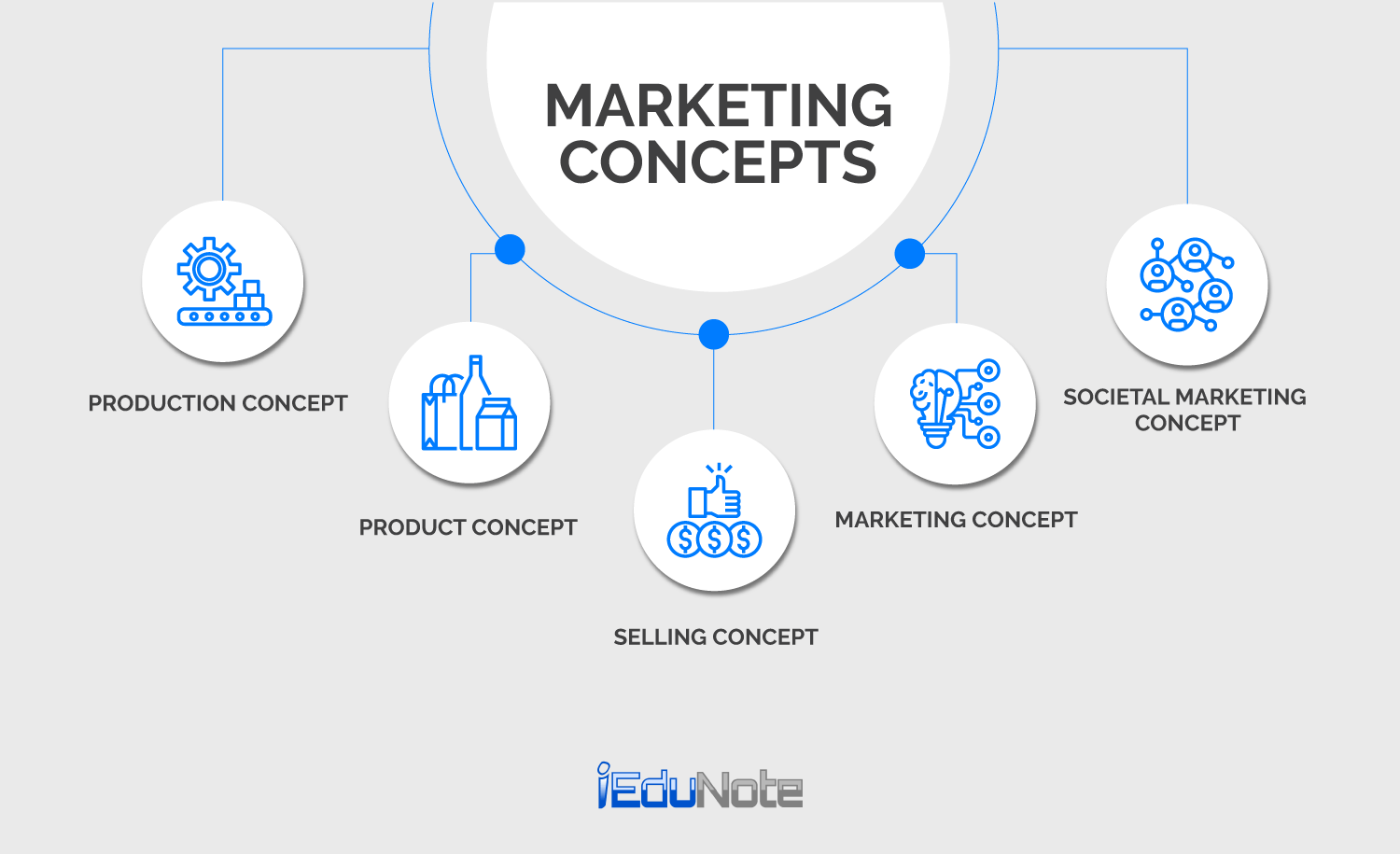
In the early 20th century, the prevailing mindset was the production concept. This was the era of “if we build it, they will come.” The focus was on mass production and efficiency. Henry Ford’s famous quip that customers could have a car in any color “so long as it is black” epitomizes this era. Following this was the product concept, where the belief was that consumers would favor products that offered the most quality, performance, or innovative features. While this led to better goods, it often resulted in “marketing myopia,” where companies focused so much on the product that they lost sight of what the customer actually needed.
The Sales Era
As competition increased, the sales concept took hold. Companies realized that even a good product wouldn’t sell itself. This era was defined by aggressive selling and promotion. The goal was to sell what the company made, rather than making what the market wanted. This “inside-out” perspective focused on short-term transactions rather than long-term brand building.
The Emergence of the Marketing Concept
Post-World War II, as consumer choices exploded, the marketing concept emerged. Brands realized that aggressive selling wasn’t sustainable if the product didn’t solve a real problem or fulfill a desire. The perspective flipped from “inside-out” to “outside-in.” Instead of looking at the factory and asking, “How can we sell this?”, brands started looking at the market and asking, “What do they need?”
The Four Pillars of the Marketing Concept
The marketing concept is built upon four foundational pillars that guide a brand’s strategy. When these pillars are aligned, they create a cohesive corporate identity that resonates with consumers.
1. Target Market Focus
No brand can be all things to all people. A core tenet of the marketing concept is the identification of a specific target market. By narrowing the focus, a brand can tailor its messaging, design, and product features to a specific demographic or psychographic profile. This precision allows for a more “human” brand connection, as the consumer feels the brand truly “gets” them.
2. Customer Orientation
This pillar requires a deep, empathetic understanding of customer needs—both stated and unstated. It involves rigorous market research and data analysis. A brand following the marketing concept doesn’t just deliver a product; it delivers a solution. For example, a luxury skincare brand isn’t just selling “soap”; it is selling confidence, self-care, and a premium experience. Understanding these emotional drivers is the essence of customer orientation.
3. Integrated Marketing
Marketing is not a department; it is a way of doing business. Integrated marketing means that every touchpoint—from the customer service representative’s tone of voice to the packaging design and the ease of the website’s UI—must communicate the same brand promise. If the marketing team promises “innovation” but the product is outdated, the marketing concept has failed. Every part of the organization must work in harmony to deliver customer satisfaction.
4. Profitability through Customer Satisfaction
Unlike the sales concept, which focuses on profit through sales volume, the marketing concept focuses on profit through customer satisfaction and long-term loyalty. The logic is simple: a satisfied customer returns, spends more over their lifetime, and becomes a brand advocate. This shifts the focus from a single transaction to the Lifetime Value (LTV) of the customer.
Implementing the Marketing Concept in Brand Strategy
Transitioning from a product-led to a marketing-led brand requires a systemic change in strategy. It involves moving beyond the surface level of logos and slogans and into the realm of strategic brand positioning.
Conducting Deep Market Research
The first step in implementing the marketing concept is listening. Brands must move beyond basic demographics and dive into “jobs-to-be-done” frameworks. Why are people “hiring” your brand? What pain points are they trying to alleviate? This research forms the “outside-in” data that informs everything from R&D to brand voice.
Developing a Unique Value Proposition (UVP)
Once the customer’s needs are identified, the brand must craft a Unique Value Proposition. This is the intersection of what the customer wants and what the brand does best. In the context of the marketing concept, the UVP is not about being “the best” in a general sense; it is about being the most relevant to the target audience. A brand like Patagonia doesn’t just sell outdoor gear; it sells environmental activism and durability, which perfectly matches the values of its specific target market.
Building Brand Equity through Trust
The marketing concept relies heavily on trust. Because the focus is on satisfaction, any breach of that satisfaction—such as a product failure or a PR scandal—damages the brand more than it would a sales-focused company. Therefore, brand strategy must include a commitment to transparency and consistency. Trust is the currency of the marketing concept, and it is built through the repeated delivery of promised value.
Marketing Concept vs. Selling Concept: The Critical Differences
It is common for businesses to confuse these two ideologies, but for a brand strategist, the distinction is clear and vital.
Starting Points and Perspectives
The selling concept starts with the factory and existing products. It looks for ways to push those products onto consumers through heavy promotion. The marketing concept starts with a well-defined market and the customer’s needs. It is proactive rather than reactive.
The “Push” vs. “Pull” Dynamics
The selling concept is a “push” strategy. It uses sales tactics to push items through the distribution channel. The marketing concept creates a “pull” effect. By creating products that perfectly meet customer needs, the brand generates organic demand. The customer seeks out the brand because it offers the specific value they are looking for.
Long-term vs. Short-term Horizon
The selling concept is inherently short-term. It cares about this quarter’s numbers. The marketing concept is a long-term play. It recognizes that it might cost more to acquire a customer today by providing superior service or quality, but that investment pays off over years of repeated business. For high-value brands, the long-term relationship is always more valuable than a one-off sale.
The Future: The Societal Marketing Concept
As we move further into the 21st century, the marketing concept is evolving into the societal marketing concept. This adds a fifth pillar: the well-being of society and the environment.
Balancing Three Interests
Modern branding now requires a delicate balance between three often-conflicting interests: company profits, consumer want-satisfaction, and public interest. A brand can no longer claim to be customer-centric if its manufacturing processes harm the community or the planet. The modern consumer—particularly Gen Z and Millennials—views the brand’s ethics as part of the “product” they are buying.
Ethical Branding as a Competitive Advantage
In this new iteration, the marketing concept dictates that a brand’s identity must be rooted in purpose. Brands that adopt a societal marketing approach often see higher levels of brand advocacy. When a brand takes a stand on sustainability or social justice, it isn’t just “doing good”; it is applying the marketing concept at its highest level by satisfying the customer’s need to feel that their purchases contribute to a better world.
Conclusion
The marketing concept is more than just a business definition; it is a roadmap for building a resilient, relevant, and respected brand. By shifting the focus from the “what” (the product) to the “who” (the customer), organizations can create a corporate identity that transcends transactional relationships. In an age of infinite choice, the brands that win are those that stop trying to find customers for their products and start creating products for their customers. This philosophy remains the ultimate foundation for strategic brand excellence.
aViewFromTheCave is a participant in the Amazon Services LLC Associates Program, an affiliate advertising program designed to provide a means for sites to earn advertising fees by advertising and linking to Amazon.com. Amazon, the Amazon logo, AmazonSupply, and the AmazonSupply logo are trademarks of Amazon.com, Inc. or its affiliates. As an Amazon Associate we earn affiliate commissions from qualifying purchases.