
When identifying the longest river in Europe, the answer is unequivocally the Volga. Stretching approximately 3,530 kilometers (2,193 miles) through the heart of Russia, the Volga is not merely a geographic landmark; it is a gargantuan financial engine. For centuries, this waterway has served as the primary tectonic plate upon which the regional economy shifts, facilitating trade, powering industry, and serving as a corridor for billions of dollars in annual revenue. In the world of finance and investment, understanding the “Blue Economy” of the Volga is essential for any professional looking at the intersection of logistics, energy, and emerging market infrastructure.
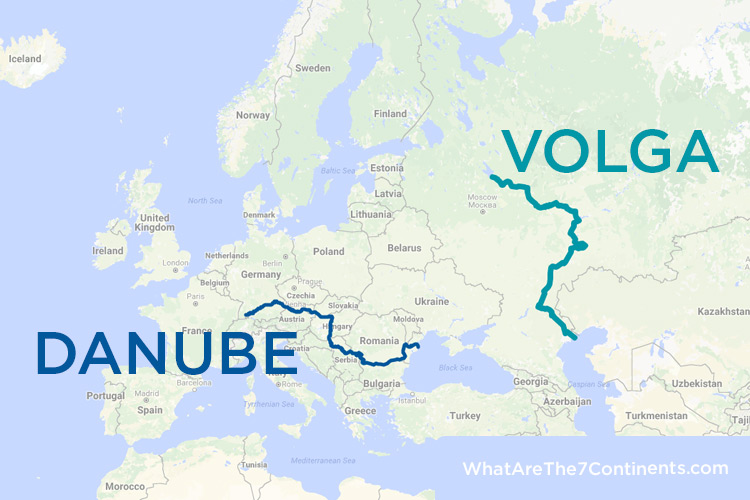
This article explores the Volga through the lens of business finance and investment, examining how Europe’s longest river functions as a critical asset for international trade, energy production, and the evolving landscape of sustainable finance.
The Volga as a Financial Artery: Understanding the Macroeconomics of European Waterways
The economic significance of the Volga cannot be overstated. It drains a basin that covers nearly one-third of European Russia, an area that produces over 50% of the region’s total industrial and agricultural output. For investors, the Volga represents a concentrated zone of productivity where capital flows as freely as the water itself.
The Infrastructure of Trade and Commodities
The Volga-Baltic Waterway and the Volga-Don Canal transform the river into a pivotal link in the “Five Seas” system, connecting the Caspian Sea, the Black Sea, the Baltic Sea, the White Sea, and the Sea of Azov. This connectivity is the backbone of the region’s commodity trade. Massive quantities of oil, natural gas, timber, and grain move along these routes.
From a business finance perspective, the efficiency of this riverine transport system offers a significant cost advantage over rail or road transport. For bulk commodities, shipping via the Volga reduces overhead costs by nearly 30% compared to overland alternatives. This margin is critical for the profitability of major agricultural and energy firms operating within the basin.
Energy Production and Industrial Revenue
The Volga is home to the “Volga-Kama Cascade,” a series of massive hydroelectric power stations. These facilities represent some of the most significant fixed assets in the European energy sector. The revenue generated from these plants does not only come from direct electricity sales but also from the industrial clusters that gravitate toward cheap, reliable power.
For those interested in corporate finance, the capitalization of the utility companies managing these dams provides a lesson in long-term asset management. These sites power heavy industries, including automotive manufacturing and chemical processing, creating a high-velocity “money ecosystem” where energy production directly fuels secondary and tertiary economic sectors.
Investing in the “Blue Economy”: Opportunities in European Inland Shipping
As global supply chains become increasingly volatile, the “Blue Economy”—economic activities related to oceans and rivers—has seen a resurgence in investment interest. The Volga, as Europe’s longest river, is at the forefront of this trend, particularly concerning modernized logistics and fleet management.
Modernizing the Logistics Chain
The current investment landscape for the Volga involves a massive push toward fleet modernization. Much of the existing river fleet consists of aging vessels that lack the fuel efficiency of modern “green” tankers. This creates a prime opportunity for private equity and venture capital to enter the maritime tech space.
Investing in high-capacity, shallow-draft vessels allows companies to navigate the river even during seasonal fluctuations in water levels. Furthermore, the integration of digital logistics platforms—essentially “Uber for freight”—on the Volga is streamlining how small and medium-sized enterprises (SMEs) access river transport, opening up new streams of online income for logistics tech providers.
Sustainable Finance and Green Shipping Initiatives
There is a growing trend in the financial world toward ESG (Environmental, Social, and Governance) investing. The Volga’s role in this is twofold. First, river transport is inherently more carbon-efficient than trucking. Second, there is a push to decarbonize the river fleet through LNG (Liquefied Natural Gas) and electric propulsion systems.
Financial institutions are increasingly offering “Green Loans” with preferential interest rates for companies that invest in sustainable river infrastructure. This shift in the credit market is encouraging a new wave of capital expenditure focused on making the Volga a cleaner, more efficient corridor for 21st-century trade.

Real Estate and Tourism: The Revenue Streams of the Riverbanks
While the Volga is an industrial powerhouse, it also represents a significant frontier for real estate development and the high-end hospitality market. The “riverfront effect” on property values is a well-documented phenomenon in personal finance and urban planning, and the Volga is no exception.
Waterfront Development Projects
In major cities along the river, such as Nizhny Novgorod, Samara, and Volgograd, there is a burgeoning market for luxury residential and commercial real estate. Developers are capitalizing on the aesthetic appeal of the Volga to command premium prices. For real estate investors, these developments offer high ROI (Return on Investment) potential, driven by the urbanization of the Russian middle class and the demand for mixed-use “live-work-play” environments.
The financing of these projects often involves complex syndicates, blending local government grants with private development capital. As these cities modernize, the appreciation of land value along the Volga remains one of the most stable long-term investment plays in the region.
The Cruise Industry and Hospitality ROI
The Volga is the premier destination for river cruising in Europe. This sector represents a multi-million dollar industry that caters to both domestic and international tourists. From a business finance perspective, the river cruise industry is characterized by high initial capital expenditure (buying the ships) but extremely high margins during the peak season.
The hospitality ecosystem surrounding these cruises—boutique hotels, high-end dining, and cultural excursions—creates a “multiplier effect” in local economies. For entrepreneurs, the Volga offers a platform for niche service businesses that tap into the constant flow of high-net-worth travelers moving from Moscow to Astrakhan.
Navigating Risks: The Financial Implications of Climate Change on River Trade
In any discussion of business finance, risk management is paramount. The Volga, despite its size and power, faces significant challenges that have direct financial consequences for investors and stakeholders.
Droughts and Low-Water Surcharges
The primary risk to the Volga’s economic output is the fluctuation of water levels. In recent years, lower-than-average precipitation has led to “low-water” periods, which force vessels to carry lighter loads to avoid running aground. This inefficiency results in “low-water surcharges,” increasing the cost of goods and cutting into the profit margins of shipping companies.
For investors in the commodities market, these seasonal risks must be priced into the cost of grain or oil. Understanding the hydrological cycles of the Volga is as important for a financial analyst as understanding the interest rate hikes of a central bank.
Risk Management and Insurance in Maritime Finance
The complexity of navigating Europe’s longest river requires sophisticated insurance products. Maritime insurance for the Volga covers everything from hull damage to cargo loss and environmental liability. For the insurance industry, the Volga presents a unique set of actuarial challenges, particularly regarding the aging infrastructure of certain locks and canals.
However, where there is risk, there is also financial opportunity. The development of “parametric insurance”—policies that pay out automatically based on water level data rather than a manual claims process—is a burgeoning field in fintech that is finding a practical application along the Volga.

Conclusion: The Long-Term Value of the Volga
The Volga is much more than a geographic answer to a trivia question. It is a massive, liquid asset that underpins the financial stability and industrial growth of a significant portion of the European continent. From the hydroelectric cascades that power cities to the tankers that transport the world’s grain, the river is a testament to how natural resources can be leveraged for sustained economic gain.
For the modern investor, the Volga offers a diverse portfolio of opportunities:
-
Infrastructure: Modernizing the “Five Seas” connectivity.
-
Logistics: Capitalizing on the cost-efficiencies of inland shipping.
-
Real Estate: High-yield waterfront developments.
-
ESG: Participating in the greening of the Blue Economy.
As we look toward the future of global trade, the longest river in Europe will remain a central figure in the narrative of wealth creation and industrial evolution. Whether through direct investment in maritime assets or the indirect financing of the industries it supports, the Volga continues to flow as a river of gold for those who know how to navigate its currents.
aViewFromTheCave is a participant in the Amazon Services LLC Associates Program, an affiliate advertising program designed to provide a means for sites to earn advertising fees by advertising and linking to Amazon.com. Amazon, the Amazon logo, AmazonSupply, and the AmazonSupply logo are trademarks of Amazon.com, Inc. or its affiliates. As an Amazon Associate we earn affiliate commissions from qualifying purchases.