
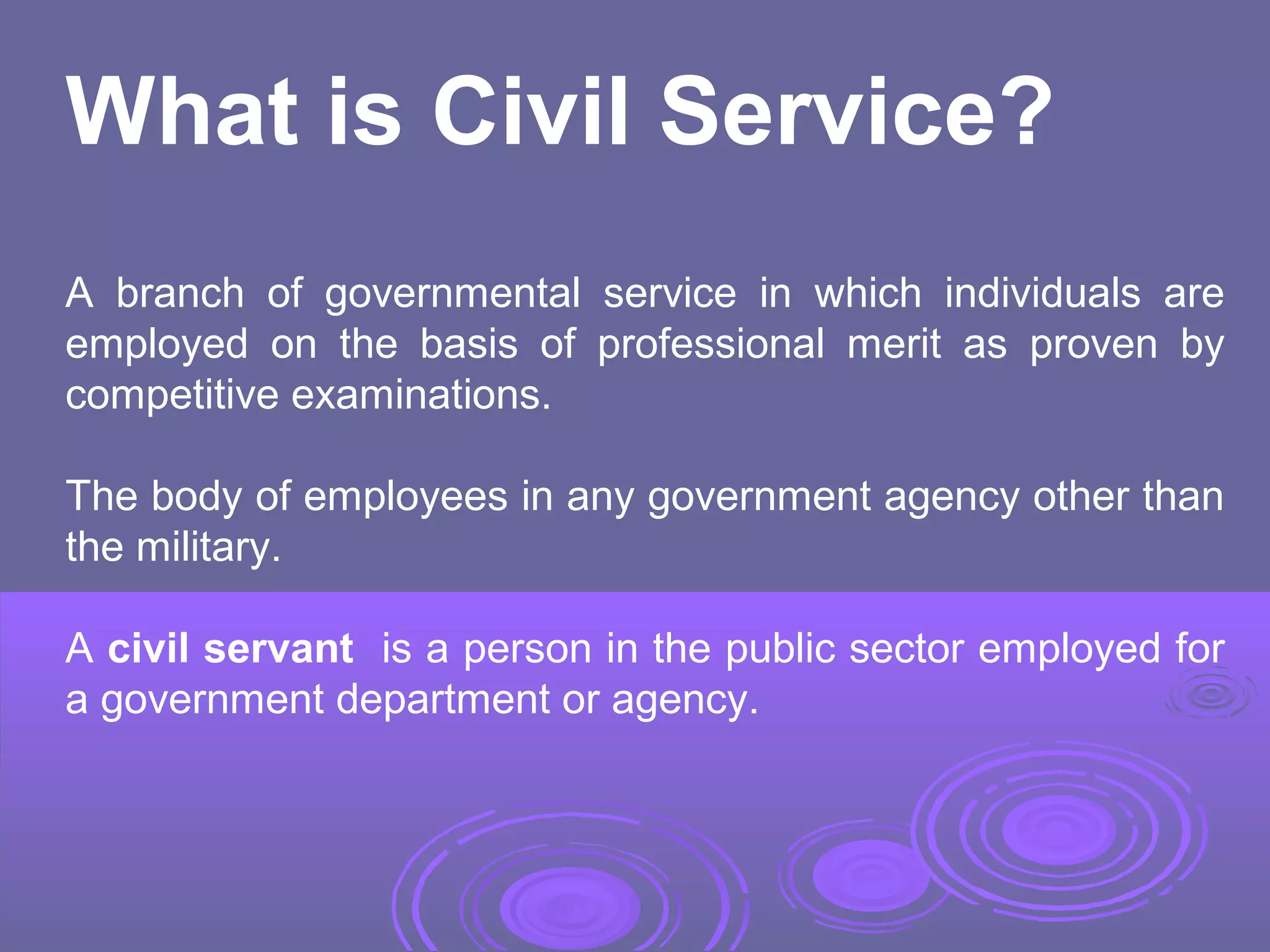
The civil service, often perceived as a vast and complex bureaucratic machinery, is in essence the professional, non-political workforce that serves the government of a country. Far from being a mere administrative body, it forms the backbone of public administration, responsible for implementing policies, delivering public services, and advising elected officials. While its functions are diverse, from healthcare administration to environmental protection, a fundamental yet often overlooked aspect of the civil service lies within the domain of “Money.” It is an institution deeply intertwined with national finances, public spending, economic policy, and the personal finances of its vast workforce. Understanding the civil service, therefore, requires a keen appreciation of its profound financial implications and its pivotal role in the fiscal health of a nation.
The Economic Engine of Public Service: Funding and Fiscal Responsibility
At its core, the civil service is a monumental economic entity, fueled by taxpayer money and responsible for the prudent management of national resources. Its operations represent a significant portion of a country’s Gross Domestic Product (GDP), both through direct spending and its indirect economic ripple effects. The efficiency and effectiveness with which the civil service operates directly impact the financial well-being of a nation, influencing everything from budget deficits to the quality of public infrastructure.
Taxation and Budget Allocation
The most direct financial link to the civil service is its funding mechanism: taxation. Every citizen and business contributes to the national coffers, and a substantial portion of these funds is allocated to sustain the civil service and its myriad functions. Government budgets, meticulously planned and debated, dictate how much money each department, agency, and program receives. This allocation process is a critical exercise in financial prioritization, balancing competing needs such as healthcare, education, defense, and social welfare. The civil service is then tasked with executing these budgetary mandates, ensuring that funds are spent as intended and for the maximum public benefit. Mismanagement or inefficient allocation of these funds can lead to fiscal strain, requiring difficult choices between increased taxation, borrowing, or cuts to essential services. Thus, the financial stewardship of the civil service is paramount to maintaining fiscal stability and public trust.
Accountability and Prudent Spending
Given the scale of public money entrusted to the civil service, accountability is not merely a bureaucratic buzzword but a fundamental financial imperative. Civil servants are expected to adhere to strict financial regulations, procurement guidelines, and audit processes designed to prevent waste, fraud, and corruption. This involves everything from tendering for large-scale infrastructure projects to managing departmental operational costs. Every expenditure, whether for office supplies or multi-billion-dollar defense contracts, must be justified, transparent, and offer demonstrable value for money. The mechanisms of accountability, including parliamentary oversight, independent audit bodies, and internal financial controls, are crucial for ensuring that public funds are used prudently and effectively, safeguarding the financial interests of the taxpayers. Without robust financial governance, the potential for fiscal leakage and inefficient resource utilization would be immense, eroding the public’s confidence in government.
Investment in Public Infrastructure and Services
Beyond its operational costs, the civil service plays a critical role in the financial health of a nation through its management of investment in public infrastructure and services. Decisions made by various civil service departments regarding roads, hospitals, schools, communication networks, and environmental projects represent significant long-term financial commitments. These investments, while costly in the short term, are designed to generate economic returns and societal benefits over decades, improving productivity, health outcomes, and overall quality of life. The financial planning, risk assessment, and project management capabilities within the civil service are essential for ensuring that these investments are sound, delivered on budget, and achieve their intended financial and social objectives. Poor investment choices or inefficient project delivery can result in significant financial losses and missed opportunities for economic growth.
A Career in Public Finance: Salaries, Pensions, and Benefits
For the millions of individuals globally who constitute the civil service, it represents more than just a job; it’s a career path with distinct financial characteristics. Working for the government often comes with a different set of financial considerations compared to the private sector, particularly concerning salaries, long-term financial security, and employee benefits.
Competitive Salaries and Compensation Structures
While often perceived as offering lower salaries than the top echelons of the private sector, civil service compensation is typically competitive, especially at entry and mid-levels, and is often designed to attract and retain talent in a diverse range of specialized fields. Salary structures are usually transparent, based on pay grades, experience, and qualifications, rather than individual negotiation. This standardized approach aims for fairness and reduces pay disparities. Compensation packages are influenced by public sector wage policies, economic conditions, and the need to balance fiscal constraints with the requirement to attract skilled professionals. Furthermore, civil service salaries contribute significantly to local and national economies through consumer spending and tax revenues, creating a direct financial feedback loop from the public purse back into the economy.

Defined-Benefit Pension Schemes
One of the most significant financial advantages of a civil service career historically has been the provision of robust, often defined-benefit pension schemes. Unlike many private sector schemes that have shifted to defined-contribution models (where the final payout depends on investment performance), traditional civil service pensions guarantee a specific income stream in retirement, usually linked to years of service and final salary. This offers a substantial degree of financial security and predictability for employees planning their retirement. While many governments are reforming these schemes due to their long-term financial liabilities and sustainability concerns, the principle of providing a secure retirement remains a cornerstone of civil service employment. For an individual, this can translate into tens or hundreds of thousands of dollars in guaranteed lifetime income, representing a significant financial asset.
Job Security and Long-Term Financial Planning
The civil service is renowned for its relative job security, particularly compared to the more volatile private sector. While not immune to restructurings or budget cuts, civil servants are generally protected by robust employment laws and a merit-based system that discourages political interference in hiring and firing. This stability translates into significant financial benefits for employees, allowing for more confident long-term financial planning, such as mortgage acquisition, family budgeting, and saving for major life events. The reduced risk of unemployment or sudden income loss provides a stable financial foundation, which, while intangible, has a very real monetary value in terms of peace of mind and reduced financial stress.
Beyond Bureaucracy: The Civil Service’s Role in Financial Regulation and Economic Policy
The influence of the civil service extends far beyond internal financial management and employee compensation. It plays a crucial, often unseen, role in shaping the broader economic landscape through its involvement in financial regulation and the implementation of economic policy. These functions directly impact businesses, markets, and the personal finances of every citizen.
Implementing Economic Policy
When a government formulates economic policies – be it tax reforms, inflation targets, trade agreements, or stimulus packages – it is the civil service that translates these high-level objectives into actionable programs and regulations. Economists and policy analysts within treasury departments, finance ministries, and other agencies provide critical data, analysis, and recommendations to political leaders. Once policies are decided, other civil service departments are tasked with their implementation: tax authorities administer new tax codes, trade departments negotiate and enforce agreements, and regulatory bodies oversee compliance. This operationalization of economic policy by the civil service has direct and profound financial consequences for businesses’ profitability, consumer purchasing power, investment climates, and national economic growth.
Financial Oversight and Regulatory Compliance
A healthy economy relies on robust financial regulation and oversight to ensure fair competition, protect consumers, and maintain stability. The civil service houses the regulatory bodies that enforce laws pertaining to banking, financial markets, consumer protection, competition, and corporate governance. Agencies responsible for overseeing financial institutions, for instance, play a vital role in preventing crises, combating financial crime, and ensuring the solvency of banks, which directly protects savers and investors. Similarly, competition authorities prevent monopolies and ensure market fairness, indirectly benefiting consumers through lower prices and greater choice. These regulatory functions, carried out daily by civil servants, are fundamental to the financial integrity and trustworthiness of a nation’s economy.
Crisis Management and Economic Resilience
In times of economic crisis – be it a recession, a financial crash, or a pandemic – the civil service often leads the operational response. During the 2008 financial crisis or the recent COVID-19 pandemic, civil servants across various departments were instrumental in designing and administering emergency financial relief programs, unemployment benefits, business support schemes, and economic recovery plans. They managed the immense logistical and financial challenges of distributing aid, maintaining essential services, and stabilizing markets. This capacity for rapid, coordinated, and financially significant intervention highlights the civil service’s critical role in building and maintaining a nation’s economic resilience, mitigating financial hardship for individuals and businesses, and guiding the economy back towards stability.
The Civil Service: A Cornerstone of Financial Stability and Public Prosperity
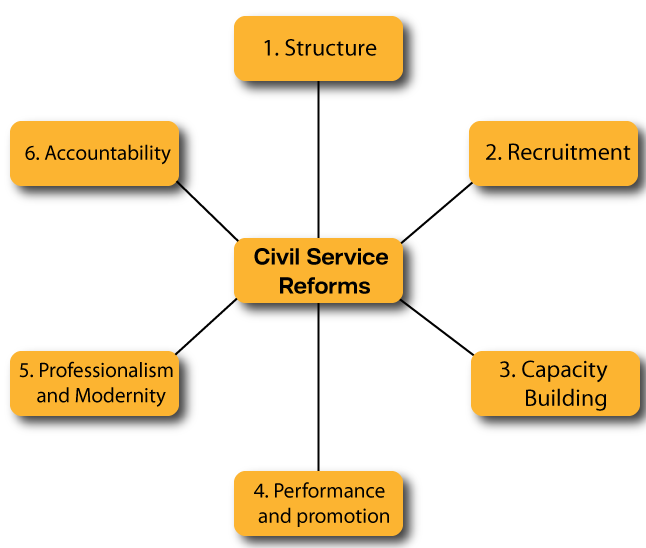
In conclusion, the civil service, while multifaceted in its responsibilities, is an undeniable cornerstone of a nation’s financial stability and public prosperity. Its role as a major recipient and manager of public funds necessitates rigorous accountability and prudent fiscal stewardship. As a significant employer, it offers career paths with distinct financial characteristics, including competitive compensation, robust pension schemes, and valuable job security, contributing to the personal finances of millions. Furthermore, through its implementation of economic policy and its vital functions in financial regulation and crisis management, the civil servants exert a profound and continuous influence on the broader economic landscape, impacting every business, market, and individual’s financial well-being. Understanding “what is the civil service” therefore demands a recognition of its deep and pervasive connection to the world of money, making it a pivotal institution in the fiscal architecture of any modern state.
aViewFromTheCave is a participant in the Amazon Services LLC Associates Program, an affiliate advertising program designed to provide a means for sites to earn advertising fees by advertising and linking to Amazon.com. Amazon, the Amazon logo, AmazonSupply, and the AmazonSupply logo are trademarks of Amazon.com, Inc. or its affiliates. As an Amazon Associate we earn affiliate commissions from qualifying purchases.