
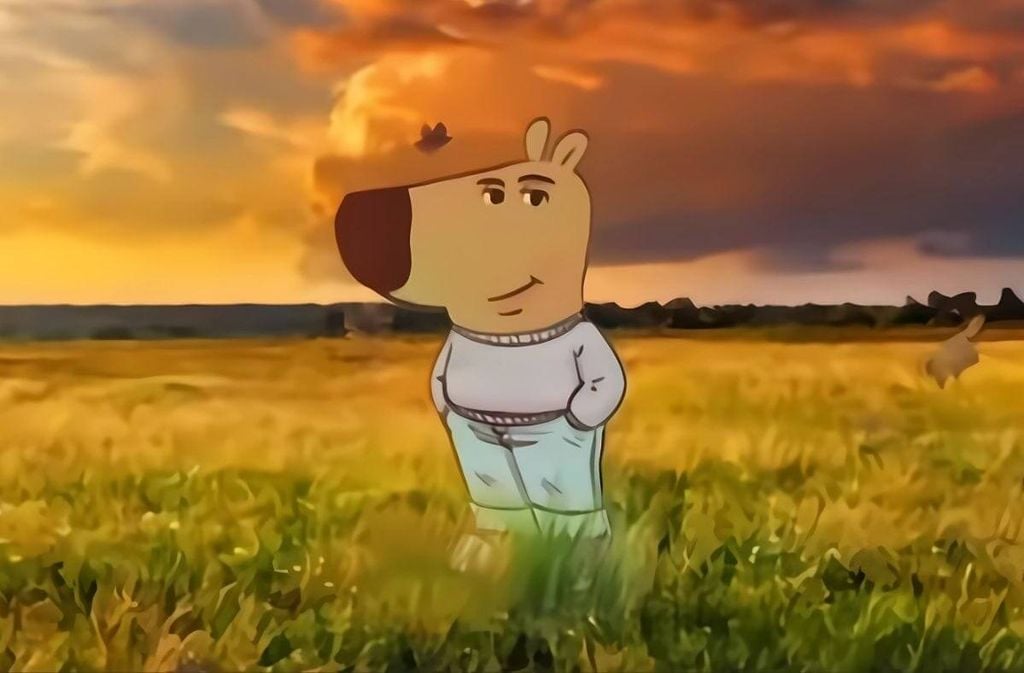
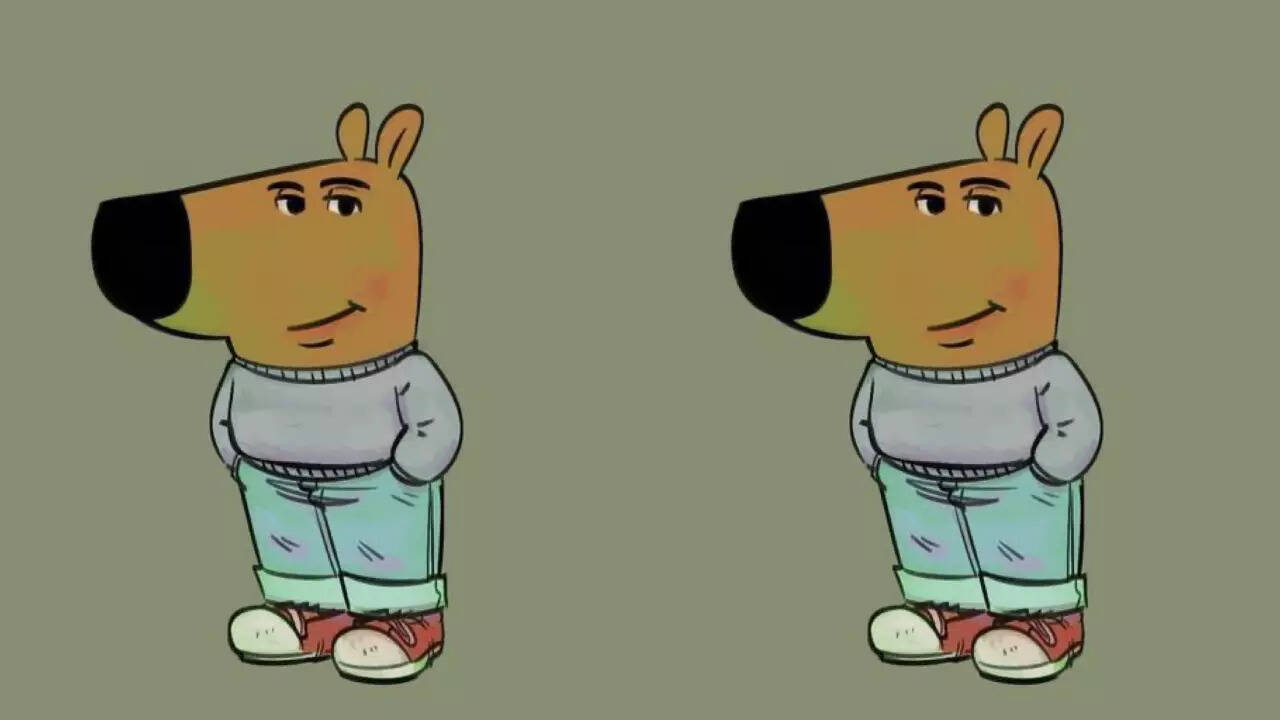
In the volatile landscape of internet culture, where trends are born and discarded in the span of a single afternoon, the “Chill Guy” meme has emerged as a fascinating case study in brand identity and organic virality. Originally a simple illustration of an anthropomorphic dog wearing a sweater, jeans, and sneakers with his hands in his pockets, the character has transcended its origins to become a universal shorthand for a specific psychological state: being entirely unbothered. For brand strategists and marketing professionals, the rise of the “Chill Guy” is more than just a fleeting TikTok trend; it represents a significant shift in how visual identity and emotional resonance function in the digital age.
The Origin Story: From Artistic Expression to Digital Identity
To understand the branding power of the “Chill Guy,” one must first look at its genesis. The character, officially known as “My New Character,” was created by artist Phillip Banks (known online as @9000_volts) in late 2023. The design was intentionally low-stakes—a relaxed, bipedal canine with a slight smile and a posture that suggests zero anxiety. Unlike many memes that rely on high-energy humor or shock value, “Chill Guy” found its niche through an aesthetic of radical calmness.
Phillip Banks and the Birth of a Low-Stakes Mascot
The creation of the “Chill Guy” was not a calculated attempt at a viral marketing campaign, which is precisely why it succeeded. In branding, authenticity is a currency that cannot be manufactured. Banks designed the character as a personal creative exercise, yet it possessed the fundamental elements of a successful brand mascot: high recognizability, a clear personality, and an adaptable silhouette. In the world of corporate identity, companies spend millions trying to develop “relatable” mascots; Banks achieved this organically by tapping into a collective cultural exhaustion. The “Chill Guy” isn’t trying to sell anything; he is simply existing, which is perhaps the most desirable brand trait in a hyper-consumerist era.
Visual Simplicity as a Branding Asset
From a design perspective, the “Chill Guy” adheres to the principles of effective iconography. The muted color palette—the tan of the dog, the gray of the sweater, and the blue of the jeans—creates a visual “neutrality” that allows the character to be placed in almost any context without clashing. In branding, this is known as “modular design.” Because the character’s expression is subtle, users can project their own narratives onto him. Whether the context is failing a test, witnessing a chaotic event, or navigating a difficult corporate environment, the “Chill Guy” remains a stable, unchanging visual anchor. This versatility is exactly what modern brands strive for when developing a visual language that needs to work across multiple platforms and demographics.
The Evolution of “Chill Guy” into a Global Marketing Phenomenon
As the meme migrated from niche artist circles to the mainstream feeds of TikTok and Instagram, it underwent a transformation from a piece of art into a “brand vessel.” This is the stage where organic virality meets corporate interest. Brands today are no longer just competing with other brands; they are competing with memes for the user’s attention. When a character like the “Chill Guy” achieves a high “vibe-share,” corporate entities inevitably attempt to “rent” that cultural equity by integrating the character into their own social media strategies.
How Corporate Brands Leveraged the Aesthetic
We have seen a significant “vibe shift” in corporate marketing, moving away from polished, high-production advertisements toward “lo-fi” content that mimics the user experience. Major brands—ranging from sports franchises to tech giants—began using the “Chill Guy” to signal that they were “in on the joke.” By placing their logo next to the character or using the character to respond to customer inquiries, these brands attempted to borrow the character’s unbothered aura. This is a strategic move to humanize the corporate identity, suggesting that the brand, like the “Chill Guy,” is approachable and relaxed rather than rigid and profit-driven.
The Risks of “Cringe” in Real-Time Marketing
However, the intersection of brand strategy and meme culture is fraught with risk. The “cringe factor” occurs when a brand adopts a meme too late or uses it in a way that feels forced. For a brand to successfully utilize the “Chill Guy,” it must understand the nuance of the “chill.” If a financial institution uses the meme to deflect legitimate complaints about service outages, the brand equity is damaged because the use of the meme feels dismissive rather than relatable. Successful brand integration requires “social listening”—the ability to gauge the pulse of the community and participate in the conversation without attempting to hijack it for a hard sell.
Intellectual Property and the Monetization of Organic Virality
The “Chill Guy” phenomenon highlights a growing tension in the world of brand management: the battle between organic ownership and legal intellectual property (IP). As the character became a global icon, Phillip Banks faced the challenge of protecting his creation in an environment where “copy-paste” is the default setting. This brings to the forefront the complex nature of personal branding for creators and the legal hurdles of maintaining a brand in the digital commons.
The Creator’s Struggle: Owning the Narrative
Phillip Banks has been vocal about his desire to control the commercial use of his character, particularly regarding unauthorized merchandise and the creation of “Chill Guy” themed cryptocurrency tokens. In the realm of branding, “brand dilution” occurs when a symbol is used in too many contradictory ways, losing its original meaning. Banks’ attempt to issue takedown notices against commercial exploitations is a move to protect the “brand integrity” of his creation. For professional brand strategists, this serves as a reminder that even in a decentralized internet, the origin of a brand matters. Ownership is not just about revenue; it is about who gets to define what the brand stands for.
Licensing vs. Derivative Works in the Digital Age
The “Chill Guy” case study raises important questions about the future of licensing. In a traditional model, a brand like Disney would strictly control every iteration of a character. In the meme economy, the character’s value actually increases the more it is remixed and shared. The challenge for modern IP holders is to find the “sweet spot” between allowing derivative works that drive brand awareness and preventing commercial exploitation that drains the brand’s value. The “Chill Guy” exists in a legal gray area where it is simultaneously a public icon and a private asset, a situation that more and more brands will face as the line between “content” and “advertisement” continues to blur.
Strategic Takeaways for Brand Identity in the Meme Economy
What can professional brand strategists learn from a dog in a gray sweater? The “Chill Guy” meme provides a blueprint for building a brand that resonates in a distracted, high-stress world. It suggests that the future of branding lies not in being the loudest voice in the room, but in being the most consistent and relatable one.
Building “Relatability” Without Forced Engagement
The “Chill Guy” teaches us that relatability is rooted in psychology, not just aesthetics. The meme’s success is a reaction to the “hustle culture” and “outrage culture” that dominated the previous decade. Brands that want to capture this energy should focus on “low-friction” engagement. This means creating brand touchpoints that feel effortless and calming rather than demanding. Whether it is through a simplified user interface, a more conversational tone of voice, or a visual identity that prioritizes whitespace and soft colors, brands can adopt the “Chill Guy” philosophy to build deeper emotional loyalty with their audience.

Longevity vs. Virality: Can “Chill Guy” Become a Legacy Brand?
The ultimate question for any viral sensation is whether it can transition from a “meme” to a “legacy brand.” Most memes have a half-life of a few weeks. However, characters that represent a fundamental human emotion—like the “Chill Guy” represents stoic acceptance—have a much higher chance of longevity. For a brand to survive past the initial wave of virality, it must evolve. It must move beyond the single image and become a world-building exercise. Whether Phillip Banks decides to expand the “Chill Guy” universe through animation, apparel, or storytelling will determine if this character remains a footnote in internet history or becomes a permanent fixture in the pantheon of digital mascots.
In conclusion, the “Chill Guy” meme is a masterclass in modern brand dynamics. It demonstrates that in an era of complexity, simplicity is a superpower. It shows that authenticity cannot be faked and that the most powerful brands are often the ones that don’t seem to be trying at all. As we move forward, the lessons of the “Chill Guy” will continue to influence how marketers, designers, and creators approach the art of the icon. Sometimes, the best brand strategy is simply to put your hands in your pockets, take a deep breath, and just be a chill guy.
aViewFromTheCave is a participant in the Amazon Services LLC Associates Program, an affiliate advertising program designed to provide a means for sites to earn advertising fees by advertising and linking to Amazon.com. Amazon, the Amazon logo, AmazonSupply, and the AmazonSupply logo are trademarks of Amazon.com, Inc. or its affiliates. As an Amazon Associate we earn affiliate commissions from qualifying purchases.