
The intersection of medical science and information technology has ushered in an era of “Health Tech 4.0,” where biological data is no longer just a notation in a paper file but a critical component of a digital ecosystem. One of the most vital data points in this ecosystem is the Creatine Kinase (CK) blood test. While traditionally viewed through a purely clinical lens, the modern CK test is a masterpiece of biotechnology, automated laboratory software, and predictive data analytics.
In this deep dive, we explore the CK blood test not just as a medical procedure, but as a technological marvel that utilizes advanced sensors, machine learning, and integrated health platforms to monitor human performance and pathology.
1. The Technological Evolution of the CK Assay
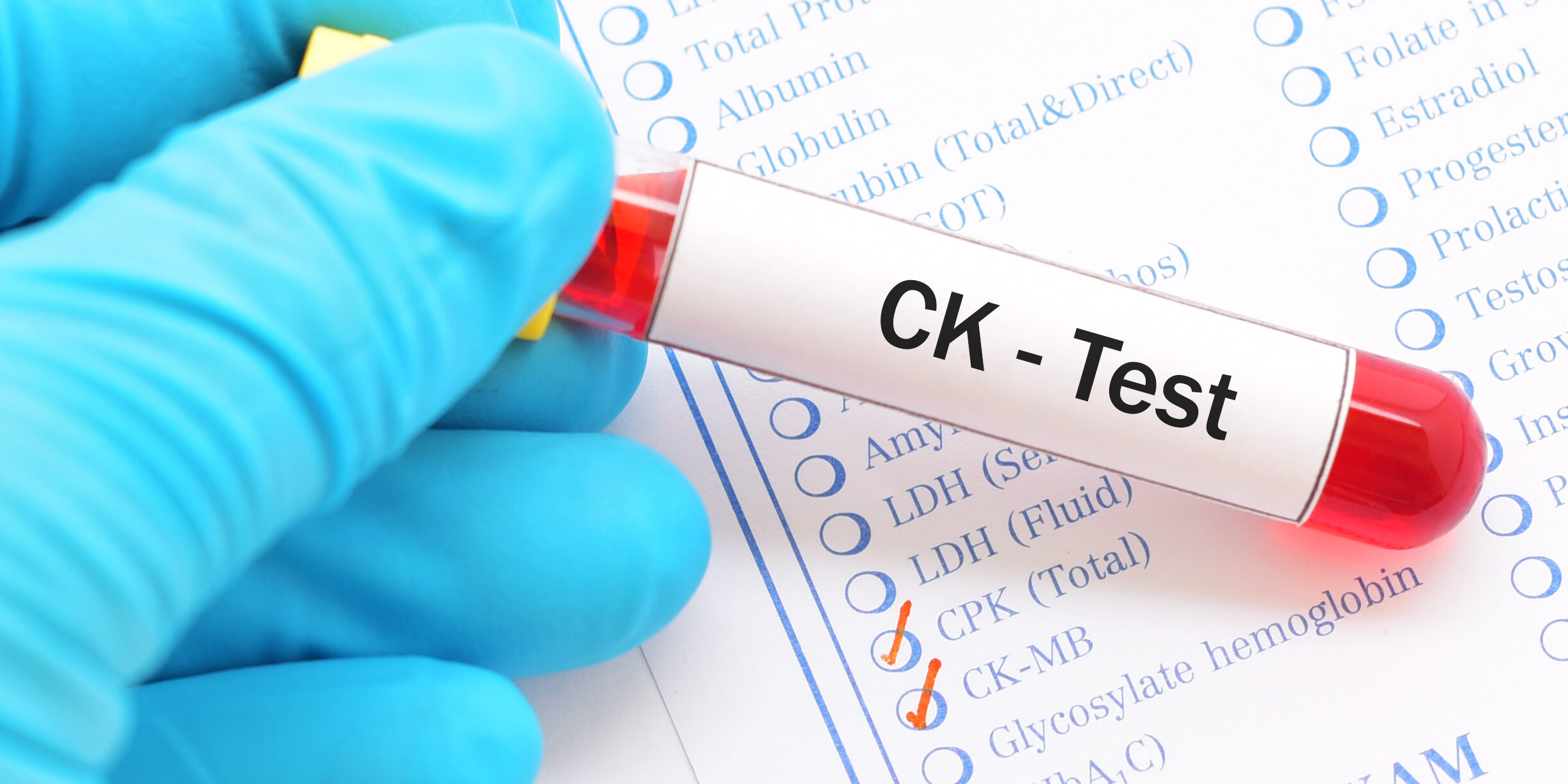
The Creatine Kinase (CK) test measures the levels of an enzyme found primarily in the heart, brain, and skeletal muscles. When these tissues experience stress or damage, they release CK into the bloodstream. Historically, measuring this required manual, time-consuming chemical reactions. Today, the process is driven by sophisticated laboratory hardware and software integration.
The Mechanics of Automated Immunoassay Systems
Modern diagnostic laboratories utilize high-throughput automated analyzers—complex robotic systems designed to process hundreds of samples per hour with surgical precision. These machines use spectrophotometry and chemiluminescence technology to detect CK levels. The “tech” behind this involves light-sensitive sensors that measure the intensity of a color change or light emission in a sample, converting chemical reactions into digital data points. This automation reduces human error to nearly zero, ensuring that the “data” being fed into a patient’s electronic health record (EHR) is accurate.
Software-Driven Normalization
One of the most significant tech advancements in blood testing is the software used to normalize results. CK levels vary wildly based on age, gender, race, and activity level. Advanced laboratory information systems (LIS) now use algorithms to automatically flag “abnormal” results relative to a specific demographic profile. This isn’t just a simple threshold check; it is a sophisticated data-filtering process that ensures clinicians are alerted only when a data point deviates from a statistically significant norm.
2. AI and Predictive Analytics in Muscle Health Diagnostics
The true power of modern technology lies in its ability to interpret raw data. A high CK level could indicate anything from a strenuous gym session to a life-threatening myocardial infarction (heart attack). Distinguishing between these requires the diagnostic intelligence of AI-driven platforms.
Machine Learning for Isoenzyme Differentiation
Creatine Kinase is comprised of three different isoenzymes: CK-MM (skeletal muscle), CK-MB (heart muscle), and CK-BB (brain tissue). In the past, separating these was a tedious manual process. Today, AI-enhanced electrophoresis and automated chromatography software can rapidly fractionate these isoenzymes.
Machine learning algorithms can analyze the “signature” of these isoenzymes in real-time. By comparing a patient’s current CK-MB levels against a massive database of cardiac events, AI can help predict the likelihood of an acute coronary syndrome before clinical symptoms become catastrophic. This is a prime example of predictive technology saving lives by turning biochemical markers into actionable intelligence.
Big Data and Personalized Baselines
In the niche of high-performance sports tech, the CK test is used to monitor “internal load” and recovery. Professional sports organizations now use big data platforms to track the baseline CK levels of athletes throughout a season.
By integrating CK blood test results with GPS tracking data, sleep metrics, and heart-rate variability (HRV) from wearables, data scientists can create a digital twin of an athlete. If the CK levels spike beyond a certain algorithmic threshold, the software triggers an alert for “overtraining syndrome,” allowing coaches to adjust workloads based on biological data rather than intuition.
3. Wearable Tech and the Shift to Point-of-Care Testing (POCT)
We are currently witnessing a shift from the “centralized lab” model to “decentralized diagnostic tech.” The CK blood test is at the forefront of this movement through the development of Point-of-Care Testing (POCT) devices and biosensors.

Lab-on-a-Chip and Microfluidics
The next frontier in health tech is the “lab-on-a-chip.” These are handheld devices that utilize microfluidics—the manipulation of fluids at a sub-millimeter scale—to perform a CK test with just a drop of blood from a finger prick. These devices interface via Bluetooth or USB-C with smartphones and tablets, bringing the power of a diagnostic laboratory to the patient’s home or a remote clinic.
This technology is particularly vital in rural areas or in emergency response scenarios. For instance, a first responder could use a portable CK-MB tester to determine if a patient is experiencing cardiac distress, instantly uploading that data to the hospital’s cloud-based triage system before the ambulance even arrives.
Integration with Consumer Health Ecosystems
As consumer tech companies like Apple, Google, and Samsung push further into the medical space, we are seeing the emergence of integrated health dashboards. While we aren’t yet at the stage of “smartwatches measuring CK” through the skin, the digital infrastructure is being built to ingest this data.
Third-party apps now allow users to upload their blood test PDFs, which use Optical Character Recognition (OCR) to extract the CK values and plot them on a long-term wellness graph. This allows users to see how their biology responds to different technological interventions, such as new recovery gadgets or AI-generated fitness programs.
4. Digital Security and the Ethics of Bio-Data
As the CK blood test becomes a digital asset, the focus shifts toward digital security and the protection of sensitive biological information. In the tech world, a blood test result is more than a medical report; it is “protected health information” (PHI) that requires robust encryption.
Cybersecurity in Diagnostic Pipelines
The journey of a CK test result from the analyzer to the cloud is fraught with cybersecurity risks. Labs must utilize end-to-end encryption and secure API (Application Programming Interface) protocols to ensure that muscle health data isn’t intercepted. In an age of digital transformation, a breach of laboratory data could lead to “bio-identity” theft, where a person’s genetic and enzymatic predispositions are sold or used maliciously.
Blockchain for Medical Record Integrity
One of the most exciting tech trends in diagnostics is the use of blockchain technology to store blood test results. By using a decentralized ledger, a patient’s CK history can be stored in a way that is immutable and transparent.
This ensures that the “data integrity” of a patient’s health history remains intact throughout their life. Whether they move cities or change doctors, their biological data remains accessible to authorized parties via a secure digital key, preventing the loss of critical diagnostic history that could occur with traditional, siloed database systems.
5. The Future: Real-Time Biosensors and In-Vivo Monitoring
Looking ahead, the goal of the tech industry is to move from “reactive” CK testing to “proactive” monitoring. We are entering the era of the “Internal Internet of Things” (IIoT).
Continuous Enzyme Monitoring
Research is currently underway into implantable or transdermal biosensors that could monitor enzyme levels like CK in near real-time. Much like Continuous Glucose Monitors (CGMs) have revolutionized diabetes tech, continuous CK monitors could revolutionize the management of neuromuscular diseases and cardiac health. These sensors would stream data to a cloud-based AI that monitors for sudden spikes, providing a “check engine light” for the human body.
Digital Therapeutics (DTx) and CK Data
The rise of Digital Therapeutics (software used to treat medical conditions) will likely utilize CK data to tailor treatments. For example, a patient recovering from a muscle injury might use a DTx app that adjusts their physical therapy routine based on their weekly CK test results. If the data shows high levels of muscle breakdown, the app’s algorithm would automatically pivot the user to lower-intensity, restorative exercises.

Conclusion: The Convergence of Biology and Bitrate
The question “what is the blood test ck” is no longer just a medical inquiry; it is a question about the status of a biological system’s data. In the modern tech landscape, the CK test serves as a critical bridge between the physical body and the digital world.
Through the use of automated laboratory hardware, AI-driven predictive analytics, and the burgeoning field of portable biosensors, we have transformed a simple enzyme measurement into a sophisticated tool for human optimization and life-saving diagnostics. As we continue to integrate our biological selves with our technological tools, the CK test will remain a cornerstone of the data-driven approach to health and performance.
aViewFromTheCave is a participant in the Amazon Services LLC Associates Program, an affiliate advertising program designed to provide a means for sites to earn advertising fees by advertising and linking to Amazon.com. Amazon, the Amazon logo, AmazonSupply, and the AmazonSupply logo are trademarks of Amazon.com, Inc. or its affiliates. As an Amazon Associate we earn affiliate commissions from qualifying purchases.