
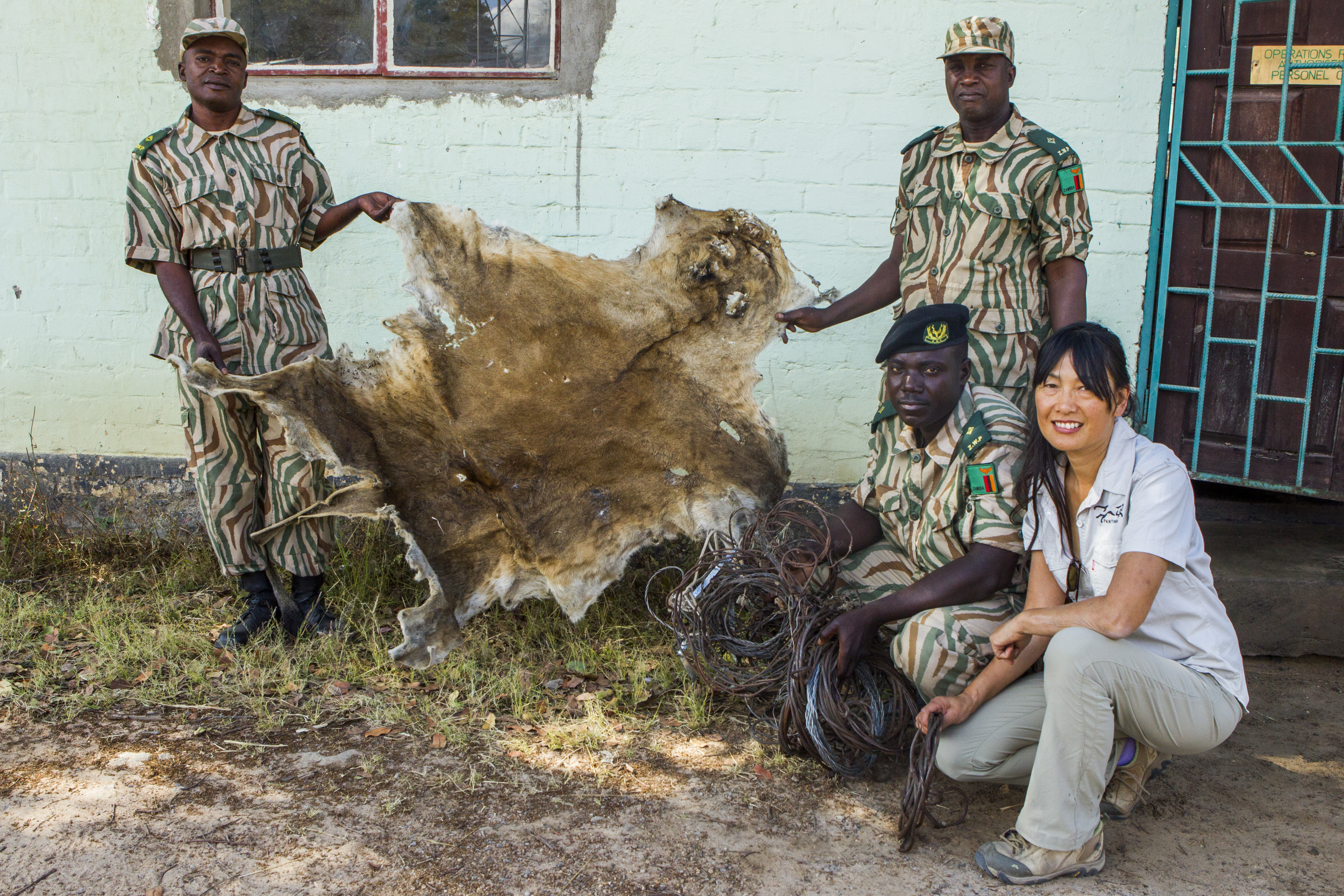
In the traditional sense, a “poacher” is someone who illegally hunts or catches game on land that does not belong to them. However, in the rapidly evolving landscape of the technology sector, the term has taken on a sophisticated, digital, and corporate meaning. To be a poacher in the tech world is to engage in the aggressive acquisition of resources—be they human talent, proprietary data, or digital intellectual property—from competitors.
As software becomes the backbone of the global economy, the stakes for “poaching” have never been higher. Whether it is a startup luring away a lead engineer from Google or an AI firm scraping vast amounts of data from a proprietary platform, poaching is a practice that sits at the intersection of innovation, ethics, and digital security. This article explores the various dimensions of poaching within the tech industry, the mechanisms used by these actors, and the strategies companies employ to protect their digital assets.
The War for Talent: Talent Poaching in the Silicon Age
In the technology sector, the most valuable asset is not a server or a piece of hardware; it is human capital. Talent poaching refers to the practice of one company specifically targeting and hiring high-performing employees from a competitor. While recruitment is a standard part of any business, “poaching” implies a more aggressive, targeted strategy designed to weaken a rival or gain an immediate technological advantage.
The Ethics of Recruitment in a Scarcity Economy
The tech industry is characterized by a perpetual shortage of specialized skills. Whether it is machine learning engineers, cybersecurity experts, or full-stack developers, there are often more open roles than there are qualified individuals to fill them. This scarcity drives the “poaching” culture.
From a professional standpoint, talent poaching is often seen as a byproduct of a healthy, competitive market. It drives up wages and forces companies to improve their workplace culture. However, ethical dilemmas arise when companies use poaching to gain trade secrets or disrupt a competitor’s product launch. In the early 2010s, Silicon Valley faced a major scandal when it was revealed that several tech giants had entered into “no-poaching” agreements—clandestine deals to not hire each other’s staff—to keep wages suppressed. Today, the pendulum has swung the other way, with aggressive headhunting being the norm.
How Tech Giants Protect Their Human Intellectual Property
To defend against talent poachers, tech firms have moved beyond simple salary increases. They now utilize a combination of legal, financial, and cultural “moats.”
-
Restrictive Covenants: While non-compete clauses are facing increasing legal scrutiny and bans in jurisdictions like California, many firms still use non-solicitation agreements and strict confidentiality clauses to ensure that departing employees cannot take sensitive data or entire teams with them.
-
Golden Handcuffs: This involves stock options and RSUs (Restricted Stock Units) that vest over several years. If a “poacher” wants to lure an employee away, they often have to offer a massive “sign-on bonus” to buy out the equity the employee is leaving behind.
-
Intellectual Property Protections: Tech companies invest heavily in documenting their internal processes so that if a key developer is poached, their knowledge remains within the company’s internal wiki and codebase, rather than walking out the door.
Data Poaching and the Rise of AI Scrapers
As the tech world shifts its focus toward Artificial Intelligence (AI), the definition of poaching has expanded to include “data poaching.” In this context, a poacher is an entity—often a bot or an automated script—that harvests vast amounts of information from a website or application without the owner’s explicit permission.
The Mechanism of Automated Data Extraction
Data poaching, often referred to as web scraping or data crawling, is the process of using software to extract information from the web. In the era of Large Language Models (LLMs), data has become the “new oil.” AI companies need billions of data points to train their models, leading them to poach data from social media platforms, news sites, and specialized forums.
Technologically, these poachers use headless browsers and rotating proxy networks to bypass traditional security measures. By mimicking human behavior, they can bypass rate limits and “scrape” content that was intended for human consumption only. For example, a travel tech startup might poach real-time pricing data from an airline’s website to offer a competing comparison tool, effectively leveraging the airline’s infrastructure for their own gain.

Legal and Technical Guardrails Against Digital Poaching
The tech industry is currently in a legal “gray zone” regarding data poaching. While some courts have ruled that scraping public data is legal, many platforms are fighting back.
-
Technical Defenses: Companies use advanced bot-detection software (like Cloudflare or Akamai) that analyzes mouse movements, IP reputation, and browser fingerprints to distinguish between a human user and a data poacher.
-
API Paywalls: To control data poaching, many platforms (such as Twitter/X and Reddit) have moved toward strictly controlled, paid APIs. This forces poachers to either pay for the data or find increasingly complex ways to bypass security.
-
Legal Precedents: The “terms of service” (ToS) of many websites now explicitly forbid automated data extraction. Recent lawsuits have seen companies successfully sue data poachers for “breach of contract” rather than copyright infringement.
Intellectual Property Poaching: Clones and Code Theft
In the software development world, a poacher may also be someone who steals the “logic” or “user experience” of a successful product. This is particularly prevalent in the mobile app marketplace and the world of Software as a Service (SaaS).
Clones, Reskins, and Code Theft
IP poaching occurs when a developer analyzes a successful app, “poaches” its core features, and releases a “clone” or a “reskin.” In some extreme cases, this involves the actual theft of source code through social engineering or exploiting vulnerabilities in a company’s GitHub or GitLab repositories.
This type of poaching is devastating for startups. A small team might spend years perfecting a unique algorithm or a frictionless UI, only for a larger “poacher” with more resources to copy the feature and integrate it into a platform with a much larger distribution network. This “Sherlocking”—a term coined when Apple integrates third-party app features directly into macOS—is a form of ecosystem poaching that keeps independent developers on constant alert.
Strategies for Securing Your Tech Stack
To prevent IP poaching, tech companies must be proactive in their digital security and legal strategies:
-
Obfuscation: Developers often use code obfuscation tools to make their source code unreadable to anyone who might try to reverse-engineer it.
-
Patenting Algorithms: While software patents are controversial, they provide a legal shield against rivals poaching unique technical solutions.
-
Rapid Iteration: The best defense against an IP poacher is speed. By the time a poacher has copied a feature, the original creator should already be onto the next version, making the poached version obsolete.
The Economic and Security Implications of Tech Poaching
Poaching is not just a competitive nuisance; it has significant financial and security implications for the technology sector. When a “poacher” strikes, the victimized company faces both direct and indirect costs.
Financial Loss and Security Vulnerabilities
The financial impact of poaching is twofold. First, there is the “replacement cost.” In the tech industry, losing a senior developer can cost a company up to 200% of that employee’s annual salary when factoring in recruitment fees, onboarding, and lost productivity.
Second, poaching often leads to security vulnerabilities. When a disgruntled employee is poached by a competitor, there is a high risk of “insider threat.” Even without malicious intent, the transfer of knowledge regarding a company’s specific security protocols, backdoors, or unpatched vulnerabilities can give the poaching company—or any third-party hackers—an advantage. Furthermore, data poaching (scraping) can put an immense load on a company’s servers, leading to downtime and increased cloud infrastructure costs.

Building a Culture of Retention to Combat External Threats
The ultimate defense against becoming a victim of poaching—whether of talent or ideas—is to build a resilient internal culture and a robust technological framework.
-
For Talent: Companies must foster a culture of “psychological safety” and ownership. Employees who feel they are part of a mission and have a stake in the company’s success are much less likely to respond to a poacher’s LinkedIn message.
-
For Data: Moving toward “Zero Trust” architectures ensures that even if a poacher gains access to one part of a system, they cannot “scrape” the entire database.
-
For Innovation: Maintaining a “First-Mover” advantage through continuous R&D ensures that the company stays ahead of the imitators.
In conclusion, a “poacher” in the modern tech landscape is a complex actor. They are a catalyst for competition and a threat to stability. Whether they are hunting for the best engineers, the most valuable data, or the next big software feature, poachers represent the aggressive nature of a world driven by digital innovation. For tech leaders, understanding the mechanics of poaching is no longer optional—it is a fundamental requirement for survival in the digital age.
aViewFromTheCave is a participant in the Amazon Services LLC Associates Program, an affiliate advertising program designed to provide a means for sites to earn advertising fees by advertising and linking to Amazon.com. Amazon, the Amazon logo, AmazonSupply, and the AmazonSupply logo are trademarks of Amazon.com, Inc. or its affiliates. As an Amazon Associate we earn affiliate commissions from qualifying purchases.