
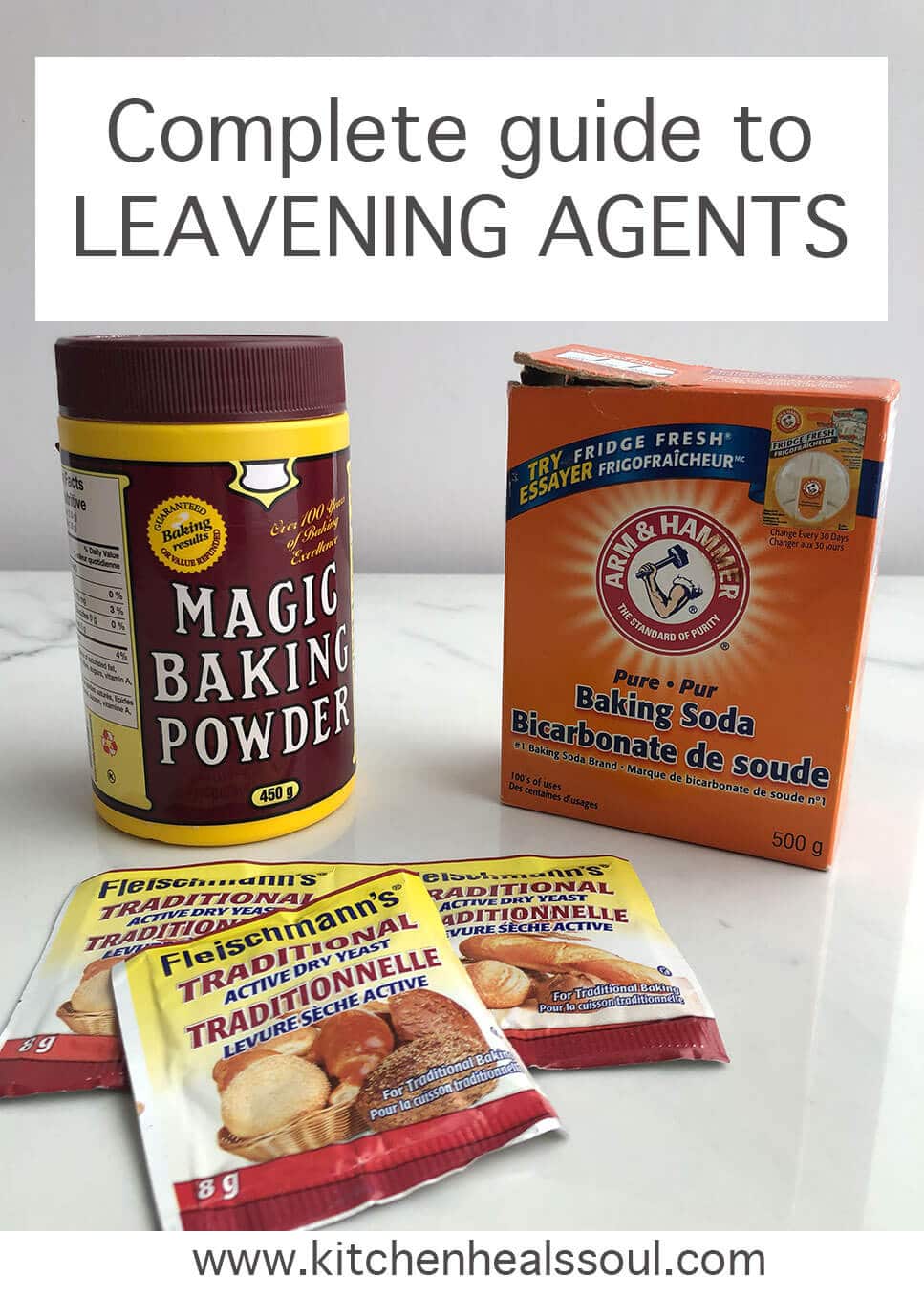
In the world of culinary arts, a leavening agent is the critical ingredient—whether yeast, baking powder, or steam—that causes dough to rise, creating texture, volume, and lightness. Without it, the finest ingredients remain a dense, unappealing mass. In the competitive landscape of corporate identity and marketing, we must ask: what is the “leavening agent” for a brand?
In a business context, a leavening agent is the strategic catalyst that transforms a static corporate entity into a living, breathing brand that expands its market share and rises above the noise of the competition. It is the combination of purpose, differentiation, and storytelling that provides the “lift” necessary for a brand to scale. Understanding how to identify and activate this agent is the difference between a brand that stagnates and one that achieves exponential growth.
The Core Concept: Defining Your Brand’s Leavening Agent
At its heart, brand leavening is about the infusion of value. Just as a baker uses a catalyst to create air pockets in bread, a brand strategist uses core identity elements to create space in a crowded market. Without a clear leavening agent, a brand suffers from “density”—it is too heavy with features and too light on benefits, making it difficult for consumers to digest.
Purpose as the Strategic Yeast
In organic leavening, yeast requires time and the right environment to ferment and produce gas. In branding, “Purpose” serves this exact function. A brand’s purpose is its “why”—the fundamental reason it exists beyond making a profit. When a brand’s purpose is authentic and well-communicated, it creates a slow-burning, sustainable expansion. This isn’t just a mission statement on a wall; it is the biological engine of the brand. Employees become more engaged, and customers become advocates, providing a natural “rise” to the brand’s reputation without the need for constant, expensive external pressure.
Value Proposition: Creating the “Air Pockets” of Differentiation
If purpose is the yeast, the value proposition is the structure that holds the air. Differentiation is what allows a brand to occupy a unique space in the consumer’s mind. To identify your leavening agent, you must determine what unique problem you solve that no one else can. This differentiation creates “pockets” in the market—niches where your brand can expand without immediate resistance from competitors. A brand that tries to be everything to everyone lacks a leavening agent; it remains flat because it has no internal pressure to push outward into a specific territory.
Types of Brand Leaveners: Organic vs. Chemical Growth
Just as there are different ways to make bread rise, there are different strategic “leaveners” used to grow a brand. Choosing the right one depends on your resources, your industry, and your long-term goals.
Organic Leavening: Community and Trust
Organic growth is the most durable form of brand expansion. This leavening agent relies on the “fermentation” of trust over time. It is driven by word-of-mouth, high-quality customer experiences, and community building. While organic leavening takes longer—much like a sourdough starter—the resulting brand “crust” is resilient. Brands that use community as their leavening agent, such as Harley-Davidson or Notion, find that their growth is self-sustaining. The consumers themselves become part of the leavening process, spreading the brand’s influence through their own networks.
Mechanical and Chemical Leavening: Scaling through Capital and Reach
In the business world, “chemical” leavening refers to rapid-growth catalysts such as venture capital, aggressive digital marketing, and influencer partnerships. These agents provide an immediate, explosive rise. For a startup looking to disrupt a market, these tools are essential. However, much like using too much baking powder, if a brand rises too quickly without a solid internal structure (strong corporate identity and operational excellence), it risks collapsing under its own weight. High-speed scaling requires a precise balance; the “heat” of the market can quickly scorch a brand that hasn’t properly integrated its leavening agents into its core product.
The Chemistry of Market Activation: When Strategy Meets Opportunity

A leavening agent remains dormant until it is activated by heat or moisture. In brand strategy, activation occurs when a well-defined identity meets the “heat” of market demand and the “moisture” of creative execution.
Visual Identity: The Crust of First Impressions
While the leavening agent works from the inside, the visual identity is what the world sees as the brand expands. Design is the “crust” that forms as a result of the internal rise. A professional, cohesive corporate identity signals to the market that the brand is mature and “well-baked.” If the visual identity is inconsistent, it suggests that the internal leavening—the strategy—is flawed. High-tier branding ensures that as the company grows, its external appearance reflects the quality of its internal components.
Storytelling: The Heat that Activates Growth
Narrative is the energy source of brand expansion. You can have the best product (the flour) and a great purpose (the yeast), but without the “heat” of effective storytelling, the brand will never rise. Storytelling activates the emotional connection between the brand and the consumer. It explains why the rise is happening and why the consumer should want to be part of it. Strategic storytelling focuses on the transformation of the customer, positioning the brand as the catalyst for that change. When a brand tells a story that resonates, it creates a thermal effect that speeds up the leavening process across all marketing channels.
Avoiding the Flat Brand: Common Failure Points in Brand Activation
Not every attempt at leavening is successful. In branding, as in baking, many factors can cause a project to fall flat. Understanding these failure points is essential for any marketing executive or brand manager.
Over-leavening: The Risk of Overpromising
In the quest for rapid growth, many brands suffer from “over-leavening”—making promises that their “dough” (the actual product or service) cannot support. This often happens in the tech and brand strategy sectors when marketing outpaces development. When a brand overpromises, it creates a massive, hollow structure. The moment the consumer bites into the experience and finds it empty, the brand collapses. Authentic brand strategy requires that the “rise” of your marketing is always supported by the “substance” of your delivery.
Under-leavening: The Static Brand Trap
Conversely, many legacy brands suffer from being “under-leavened.” They have the ingredients, the history, and the quality, but they have lost their catalyst. They become dense, resistant to change, and difficult for new generations of consumers to engage with. To fix an under-leavened brand, leadership must re-inject a new catalyst—perhaps a rebrand, a new digital strategy, or a pivot in corporate identity—to start the rising process once again.
Measuring the Rise: KPIs for Strategic Success
How do you know if your brand’s leavening agent is working? In brand strategy, volume is not the only metric. We must look at the quality of the expansion.
Sentiment Analysis and Brand Equity
One of the most effective ways to measure “rise” is through brand equity and sentiment analysis. Is the brand’s perceived value increasing? As the brand expands, is it maintaining its “texture,” or is it becoming diluted? A successful leavening agent should increase the price premium a brand can command. If you are growing in volume but losing your profit margin, your leavening agent may be artificial and unsustainable.

Market Penetration and Expansion Velocity
Finally, we must measure the velocity of the rise. Effective brand strategy creates a momentum that makes subsequent growth easier. This is the “compounding effect” of a good leavening agent. As the brand becomes more recognizable and trusted, the friction of acquiring new customers decreases. Monitoring market penetration rates alongside brand awareness provides a clear picture of whether your strategic catalysts are producing the intended structural growth.
In conclusion, when we ask “what is a leavening agent” in the context of branding, we are looking for the soul of the business. It is the invisible force that turns a commodity into a category leader. By carefully selecting your catalysts—be they purpose-driven organic growth or capital-driven rapid scaling—and activating them through design and storytelling, you ensure that your brand doesn’t just exist, but rises to meet its full potential.
aViewFromTheCave is a participant in the Amazon Services LLC Associates Program, an affiliate advertising program designed to provide a means for sites to earn advertising fees by advertising and linking to Amazon.com. Amazon, the Amazon logo, AmazonSupply, and the AmazonSupply logo are trademarks of Amazon.com, Inc. or its affiliates. As an Amazon Associate we earn affiliate commissions from qualifying purchases.