
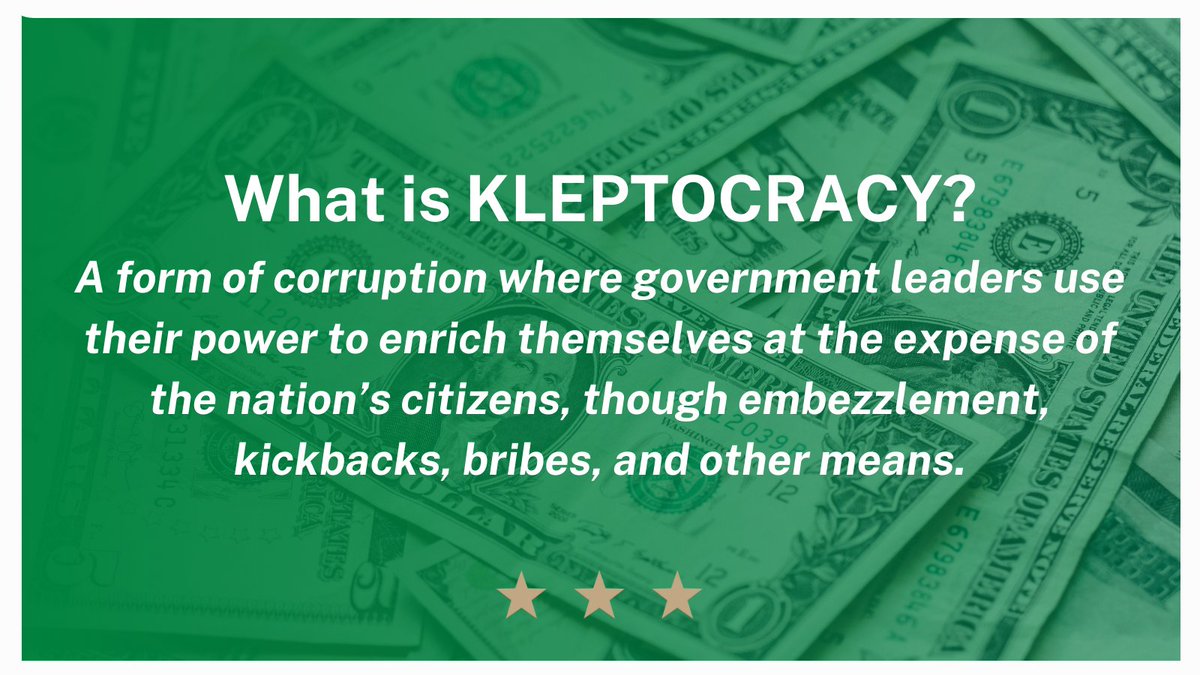
In the modern financial landscape, the term “kleptocracy” has evolved from a niche political science concept into a critical factor for investors, business leaders, and financial analysts. Derived from the Greek words for “thief” (kleptes) and “rule” (kratos), a kleptocracy is a system of government where leaders exercise power to increase their personal wealth and political influence at the expense of the wider population. However, from a strictly financial perspective, a kleptocracy is more than just a corrupt government; it is a sophisticated economic engine designed to siphon public resources into private offshore accounts.
For those involved in international business finance, investing, and personal wealth management, understanding the mechanics of kleptocracy is essential. It represents a systemic risk that can destabilize markets, trigger sudden regulatory crackdowns, and lead to the total loss of capital. This article explores the financial underpinnings of kleptocratic systems, how they interact with the global banking infrastructure, and the implications for modern investors.
The Financial Mechanics of a Kleptocratic System
At its core, a kleptocracy functions as a massive, state-sponsored embezzlement scheme. Unlike traditional corruption, which might involve isolated incidents of bribery, kleptocracy is systemic. The financial flows are integrated into the very fabric of the nation’s economy, making it difficult to distinguish between legitimate state spending and the enrichment of the ruling elite.
Embezzlement and the Misuse of Public Funds
The primary revenue stream for a kleptocracy is the direct theft of public funds. This often occurs in nations rich in natural resources, such as oil, minerals, or timber. In these “rentier states,” the government controls the extraction and sale of assets. Instead of the revenue flowing into the national treasury for infrastructure, education, or healthcare, it is diverted through a series of “middleman” companies owned by the leaders or their associates.
From a business finance perspective, this creates a “shadow budget.” While the official budget may show expenditures for public works, the actual contracts are awarded to shell companies at inflated prices. This practice, known as “over-invoicing,” allows the kleptocrat to move large sums of money out of the country under the guise of legitimate business transactions.
The Role of State-Owned Enterprises (SOEs)
State-Owned Enterprises are often the primary vehicles for kleptocratic wealth accumulation. Because these entities sit at the intersection of government policy and commercial activity, they lack the transparency required of publicly traded companies. Kleptocrats frequently appoint loyalists or family members to head these organizations.
These SOEs serve two financial purposes for the ruling elite. First, they provide a source of “legal” income through exorbitant salaries and bonuses. Second, they act as a revolving credit line. SOEs can take out massive international loans backed by the state’s sovereign credit. Once the funds are received, they are often mismanaged or “invested” into projects that provide kickbacks to the leadership, leaving the nation’s taxpayers to foot the bill for the original debt.
Global Money Laundering and the “Professional Enablers”
Stolen wealth is of little use if it remains within the borders of a volatile or failing state. To enjoy their riches and ensure their financial security, kleptocrats must move their capital into the stable financial systems of the West. This process relies on a global network of “professional enablers”—lawyers, accountants, and wealth managers who provide the tools necessary to scrub “dirty” money.
Offshore Tax Havens and Shell Companies
The foundation of kleptocratic finance is the anonymous shell company. By establishing entities in jurisdictions with high levels of corporate secrecy (often referred to as offshore tax havens), kleptocrats can obscure the true ownership of their assets. These companies do not conduct actual business; their only purpose is to hold bank accounts, real estate, or investment portfolios.
For the personal finance enthusiast, it is important to understand that this isn’t just a matter of avoiding taxes. It is about “layering”—the second stage of money laundering. By moving money through a complex web of shell companies across multiple jurisdictions, the kleptocrat makes it nearly impossible for forensic accountants or law enforcement to trace the funds back to the original act of theft.
Real Estate as a Money Laundering Vehicle
Once money has been successfully moved through offshore accounts, it needs to be “integrated” into the legitimate economy. High-end real estate in “gatekeeper” cities like London, New York, Miami, and Vancouver is a preferred destination for kleptocratic capital.

Real estate is an attractive asset class for several reasons. It is a stable store of value, it can be purchased through anonymous entities (in many jurisdictions), and it allows for the movement of massive amounts of capital in a single transaction. This influx of “dark money” often distorts local markets, driving up property values and making housing unaffordable for the local population. For real estate investors, the presence of kleptocratic money creates an artificial bubble that is highly sensitive to changes in anti-money laundering (AML) legislation.
The Impact on Global Markets and Personal Finance
The existence of kleptocracies is not just a moral or political issue; it is a profound economic one. For the individual investor or the corporate treasurer, kleptocracy introduces a specific set of risks that can compromise a portfolio or a business strategy.
Market Distortions and Sovereign Risk
Kleptocracies are inherently unstable. Because the system relies on the personal power of a few individuals rather than the rule of law, the transition of power is often violent or chaotic. When a kleptocratic regime falls, the subsequent government often defaults on its international debts, claiming they were “odious debts” incurred without the consent of the people.
For bondholders and international lenders, this represents a significant sovereign risk. Furthermore, kleptocracies lack a fair playing field. In these markets, success is determined by political connections rather than efficiency or innovation. This stifles competition and leads to market distortions that can trap investors in underperforming or fraudulent assets.
Why Investors Must Care About Governance Scores
In the world of modern investing, ESG (Environmental, Social, and Governance) criteria have become a standard metric for evaluating risk. While the “E” and “S” get much of the headlines, the “G” (Governance) is the most critical factor when dealing with potential kleptocracies.
Poor governance scores are a leading indicator of kleptocratic behavior. Investors who ignore these metrics risk being caught in “regulatory “contagion.” When a major kleptocratic scandal breaks—such as the 1 Malaysia Development Berhad (1MDB) scandal—the resulting investigations can freeze billions of dollars in assets, implicate major global banks, and cause the stock prices of involved companies to plummet. Understanding the link between poor governance and kleptocracy is a vital tool for capital preservation.
Financial Defense: Navigating Investment in High-Risk Jurisdictions
While many investors choose to avoid high-risk jurisdictions altogether, the globalized nature of the economy means that many portfolios have exposure to emerging markets where kleptocratic tendencies may be present. Protecting one’s capital requires a rigorous approach to due diligence and a deep understanding of financial transparency tools.
Due Diligence and Enhanced Vetting
For business finance professionals, traditional “Know Your Customer” (KYC) protocols are often insufficient when dealing with potential kleptocracies. Instead, “Enhanced Due Diligence” (EDD) is required. This involves looking beyond the immediate paperwork to identify “Politically Exposed Persons” (PEPs).
A PEP is an individual who is or has been entrusted with a prominent public function. Because of their position, they pose a higher risk of being involved in bribery or corruption. If a business partner or a major shareholder in an investment target is a PEP, or has close ties to one, the financial risk increases exponentially. Proactive investors use specialized forensic databases to map out these connections before committing capital.
The Future of Anti-Money Laundering (AML) Regulations
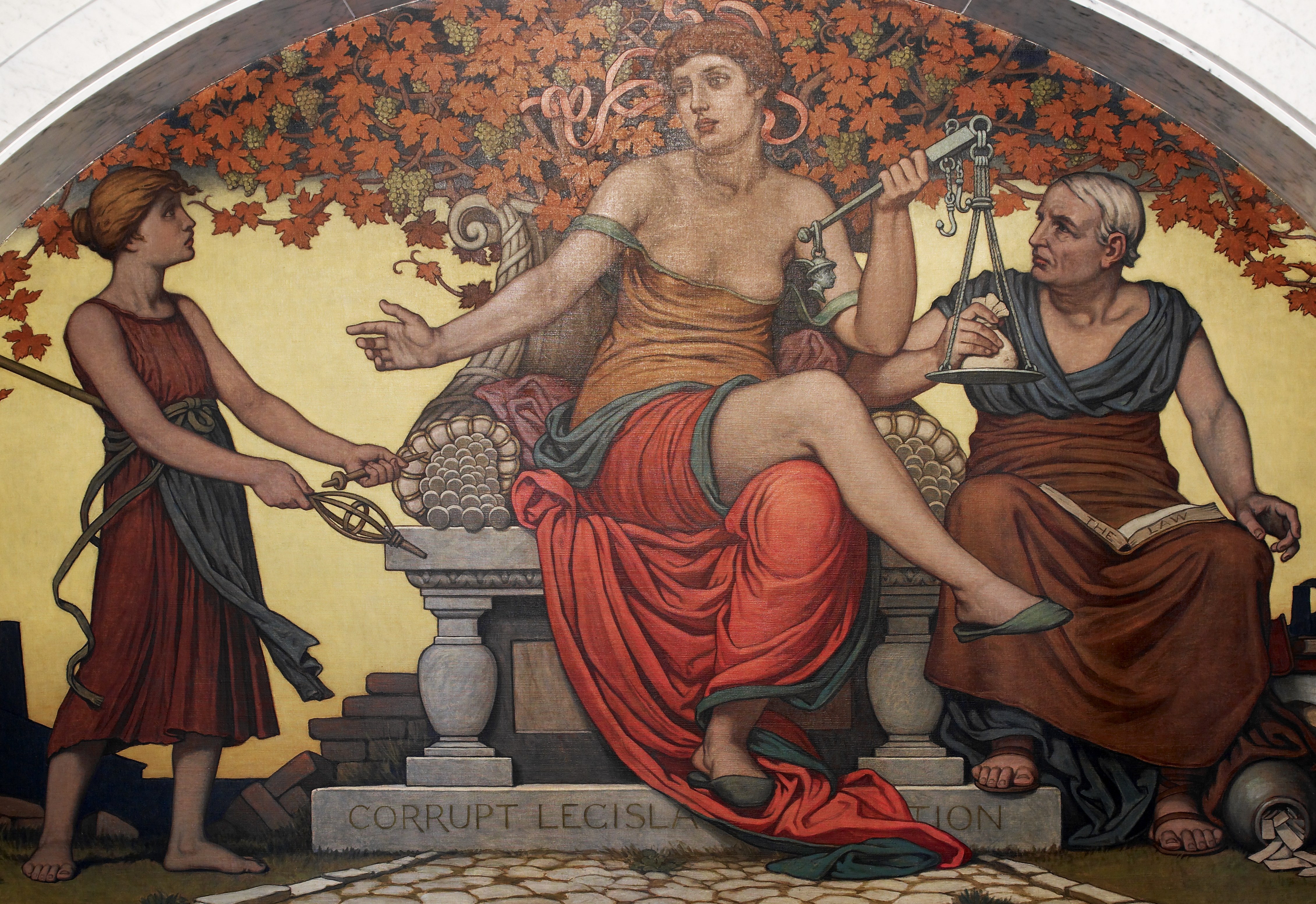
The global financial community is increasingly fighting back against kleptocratic flows. New regulations, such as the Corporate Transparency Act in the United States and the EU’s Anti-Money Laundering Directives, are making it harder to hide behind anonymous shell companies. These laws require companies to disclose their “beneficial owners”—the actual human beings who profit from the entity.
For those in the financial sector, staying ahead of these regulatory shifts is both a compliance necessity and a strategic advantage. As transparency increases, the “risk premium” for investing in kleptocratic-leaning states will rise, potentially leading to a massive reallocation of global capital. Investors who can identify these shifts early will be better positioned to protect their assets and capitalize on the transition to more transparent market structures.
In conclusion, a kleptocracy is more than just a political failing; it is a sophisticated financial predator. By understanding how these systems steal, hide, and spend money, investors and business leaders can better navigate the complexities of the global market. In an era where financial transparency is becoming the new gold standard, recognizing the mechanics of kleptocracy is not just an exercise in ethics—it is a fundamental requirement for sound financial management.
aViewFromTheCave is a participant in the Amazon Services LLC Associates Program, an affiliate advertising program designed to provide a means for sites to earn advertising fees by advertising and linking to Amazon.com. Amazon, the Amazon logo, AmazonSupply, and the AmazonSupply logo are trademarks of Amazon.com, Inc. or its affiliates. As an Amazon Associate we earn affiliate commissions from qualifying purchases.