
When Meta (then Facebook) announced the launch of Facebook Dating in 2019, the tech world braced for a seismic shift. With a user base of billions and a treasure trove of personal data, it seemed inevitable that Mark Zuckerberg’s foray into romance would dismantle the dominance of Match Group and Bumble. Unlike its competitors, Facebook Dating didn’t require a separate app download; it was built directly into the existing Facebook architecture, promising a seamless transition from social networking to romantic matching.
However, years after its rollout, many users find themselves asking: what actually happened to Facebook Dating? While the service is far from dead, it has occupied a strange, almost invisible space in the app ecosystem. This article explores the technical evolution of the platform, the algorithmic hurdles it faced, and why its integration-heavy strategy hasn’t yet led to total market disruption.
The Architecture of an “Invisible” Dating App
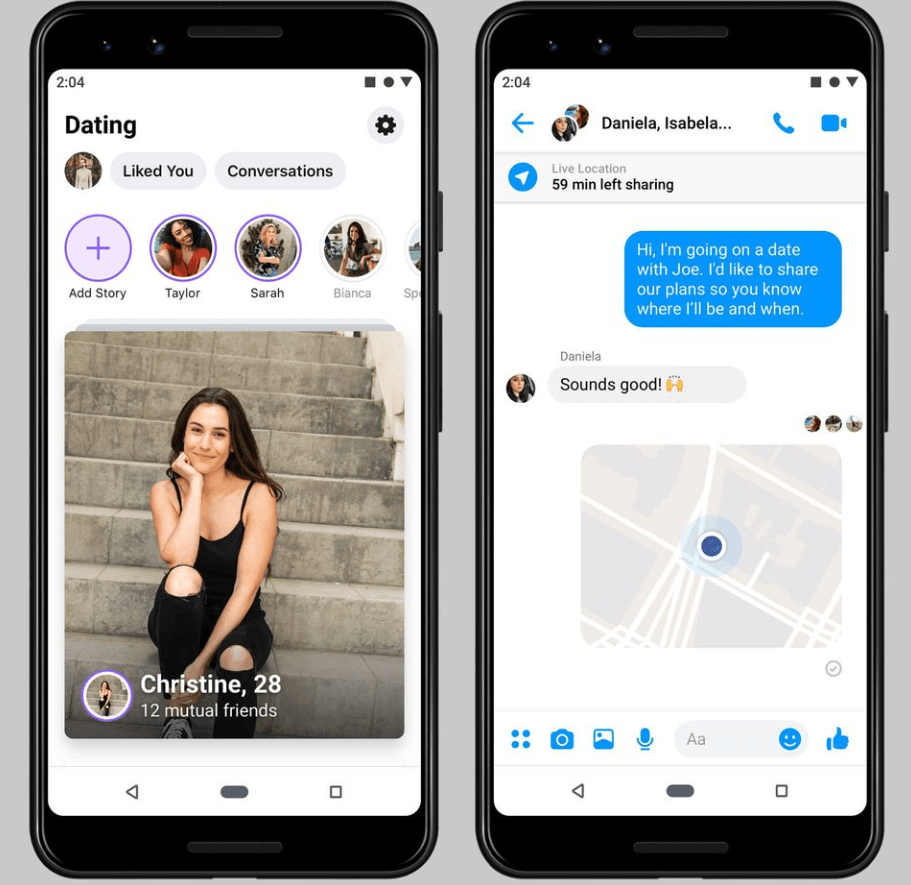
One of the most significant technical decisions Meta made was to embed Facebook Dating within the core Facebook mobile application rather than launching it as a standalone product. This architectural choice was designed to lower the barrier to entry, but it created a unique set of technical and UX challenges.
Integration vs. Isolation: The Opt-in Model
From a software engineering perspective, Facebook Dating operates as a “walled garden” within the larger Facebook ecosystem. While it leverages the main app’s database for user verification and basic profile info, the dating profile is technically isolated. Your Facebook friends cannot see your dating activity unless you specifically opt-in to certain features. This isolation was a necessary technical hurdle to overcome the “creepiness factor” associated with mixing family, work colleagues, and romantic interests on the same platform.
The “Secret Crush” and Cross-Platform Synergy
One of the unique technical features introduced was “Secret Crush.” This feature allows users to select up to nine Facebook friends or Instagram followers they are interested in. If both parties add each other to their list, they are notified. This required a complex cross-platform integration between Facebook and Instagram’s social graphs—a feat of data mapping that most dedicated dating apps cannot replicate. Despite the technical sophistication, the feature struggled to gain traction, largely because the user interface (UI) buried these options three or four layers deep within the settings menu.
The Algorithm and User Experience Evolution
At its heart, any dating app is only as good as its matching algorithm. Facebook entered the fray with a massive advantage: the Social Graph. While Tinder relies on proximity and Hinge relies on specific profile prompts, Facebook Dating uses a multidimensional data set to suggest matches.
Matching Logic: Using the Social Graph
The Facebook Dating algorithm doesn’t just look at who you swipe on; it looks at what you do across the entire Meta suite. It considers the Facebook Groups you join, the Events you mark as “Interested,” and the pages you like. Technically, this allows for much more granular “interest-based” matching. If two users are both members of a local hiking group and have five mutual friends, the algorithm prioritizes that connection. This “friends-of-friends” logic was intended to bring a level of accountability and safety to online dating that anonymous apps lack.
UI/UX Friction and Feature Stagnation
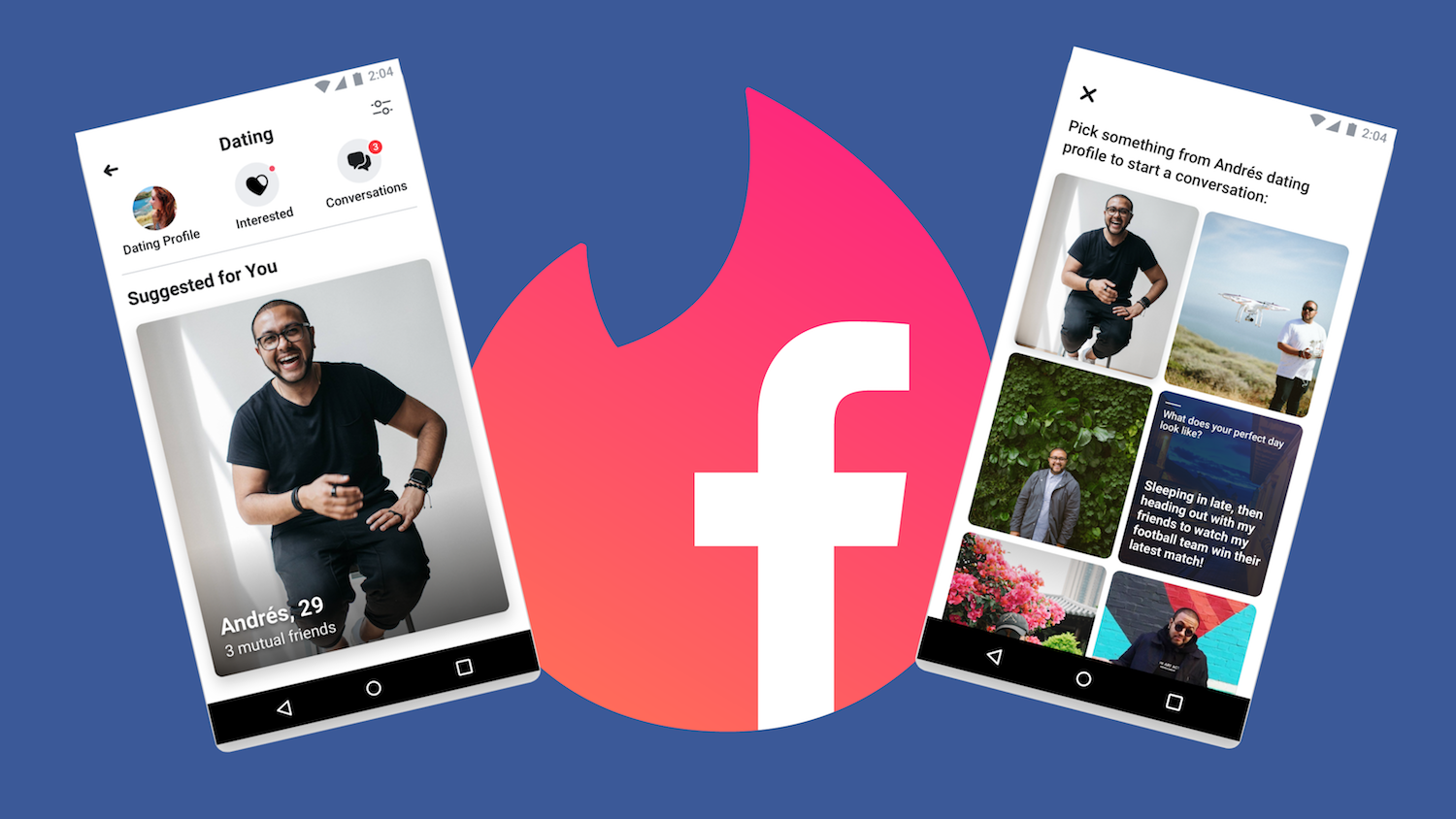
Despite the power of the Social Graph, the user experience of Facebook Dating has often been criticized for feeling “clunky” compared to the sleek, gamified interfaces of its rivals. The “swipe” mechanic is present, but the overall design language often feels like an afterthought. Furthermore, while Tinder and Bumble frequently experiment with new technical features like video speed-dating or AI-driven “Opening Moves,” Facebook Dating has seen relatively few major updates since its inception. The technical debt of being tethered to the massive, legacy Facebook app means that Dating cannot pivot as quickly as a nimble, standalone competitor.
Privacy Protocols and Digital Security Challenges

For a company that has faced numerous data privacy scandals, launching a dating service was a bold move. The technical infrastructure of Facebook Dating had to be built with “Privacy by Design” to convince a skeptical public to trust Meta with their romantic lives.
The Data Privacy Paradox
Technically, Meta maintains a strict “firewall” between dating data and the primary social feed. Dating activity is not supposed to influence the ads you see on the main Facebook app, nor is it supposed to appear in your News Feed. However, the “Data Privacy Paradox” remains: users want better matches (which requires more data) but are increasingly wary of how that data is stored and used. Meta’s response was to implement robust blocking tools and the ability to report profiles easily, but the reputational shadow of past data breaches has served as a technical and psychological barrier to user growth.
Anti-Scam Measures and Identity Verification
Because Facebook Dating is tied to a primary Facebook account, it possesses a built-in layer of identity verification that apps like Tinder struggle with. It is much harder to “catfish” on Facebook Dating because the system requires an active, aged Facebook profile to function. Meta’s AI-driven security tools monitor for “bot-like” behavior—such as sending the same message to 100 people in five minutes—and can shadowban or suspend accounts instantly. This technical gatekeeping makes the platform significantly safer than many competitors, even if it makes the onboarding process slightly more restrictive.
Competitive Displacement in the App Economy
To understand what happened to Facebook Dating, one must look at the broader landscape of the app economy. The “Generalist” platform vs. the “Specialist” app is a classic tech battle, and in this case, the specialists are currently winning.
The Dominance of the Match Group Monolith
Match Group (which owns Tinder, Hinge, and Match.com) has successfully segmented the market. Tinder is for casual dating, Hinge is “designed to be deleted,” and Match is for serious relationships. Facebook Dating attempted to be all things to all people, which often results in a diluted brand identity. From a technical standpoint, Match Group apps have optimized their “monetization loops”—the subtle UI nudges that encourage users to buy “Super Likes” or “Boosts.” Facebook Dating remains largely free and unmonetized, which sounds like a win for users but often means the app receives less internal R&D funding compared to Meta’s revenue-generating departments.
Why Niche Apps are Winning Over Generalist Platforms
The current trend in dating tech is moving toward hyper-niche communities. Apps like Raya (for creatives), Thursday (for one-day-a-week dating), or specialized religious dating apps are thriving. Facebook’s “everything app” approach feels counter-intuitive to the modern user who wants a curated, specific experience. While Facebook Dating has the technical capacity to create these niches through “Group-based matching,” the execution has been hindered by the general decline in Facebook usage among Gen Z, the primary demographic for new dating services.
The Future: AI Integration and the Meta Ecosystem
The story of Facebook Dating isn’t over; it is likely entering a new phase defined by Artificial Intelligence and the “Metaverse.” As Meta pivots toward these technologies, the dating feature is poised for a significant technical overhaul.
AI Integration and Large Language Models
The most likely “next step” for Facebook Dating is the integration of Meta AI. We are already seeing Meta deploy AI assistants across WhatsApp and Instagram. In a dating context, AI could be used to help users write more engaging bios, suggest “ice-breaker” questions based on mutual interests, or even vet potential matches more effectively. Imagine a technical feature where an AI “wingman” analyzes your profile and suggests the best photo order to maximize engagement—this is well within Meta’s current technical capabilities.
From Mobile Screens to the Metaverse
While “dating in the Metaverse” currently feels like a niche concept, Meta’s long-term strategy involves moving social interactions into VR and AR. Facebook Dating could eventually serve as the identity layer for romantic interactions in Horizon Worlds. Technically, this would involve creating 3D avatars that are linked to Dating profiles, allowing for “virtual dates” in immersive environments. While this is years away from mainstream adoption, it represents the only path where Facebook Dating could leapfrog its competitors by offering a hardware-integrated experience that Tinder and Bumble cannot match.
In summary, Facebook Dating didn’t “fail” in the traditional sense; it simply became a quiet utility rather than a cultural phenomenon. Its growth has been hampered by a lack of UI innovation and the broader “rebranding” of Facebook as a platform for older demographics. However, as a piece of technical infrastructure, it remains a powerful example of how social graph data can be repurposed. For Facebook Dating to reclaim the spotlight, it will likely need to shed its “legacy app” feel and embrace the AI-driven, privacy-centric future of the Meta ecosystem.
aViewFromTheCave is a participant in the Amazon Services LLC Associates Program, an affiliate advertising program designed to provide a means for sites to earn advertising fees by advertising and linking to Amazon.com. Amazon, the Amazon logo, AmazonSupply, and the AmazonSupply logo are trademarks of Amazon.com, Inc. or its affiliates. As an Amazon Associate we earn affiliate commissions from qualifying purchases.