
In the rapidly evolving landscape of healthcare technology, the intersection of biology and innovation has given rise to a specialized sector known as FemTech. For decades, the biological functions of the female reproductive system were relegated to clinical settings with limited patient-facing data. Today, we are witnessing a paradigm shift. When we ask, “What does the cervix do?” from a technological perspective, we are no longer just describing a biological gatekeeper. We are identifying a critical data point in the Internet of Medical Things (IoMT).
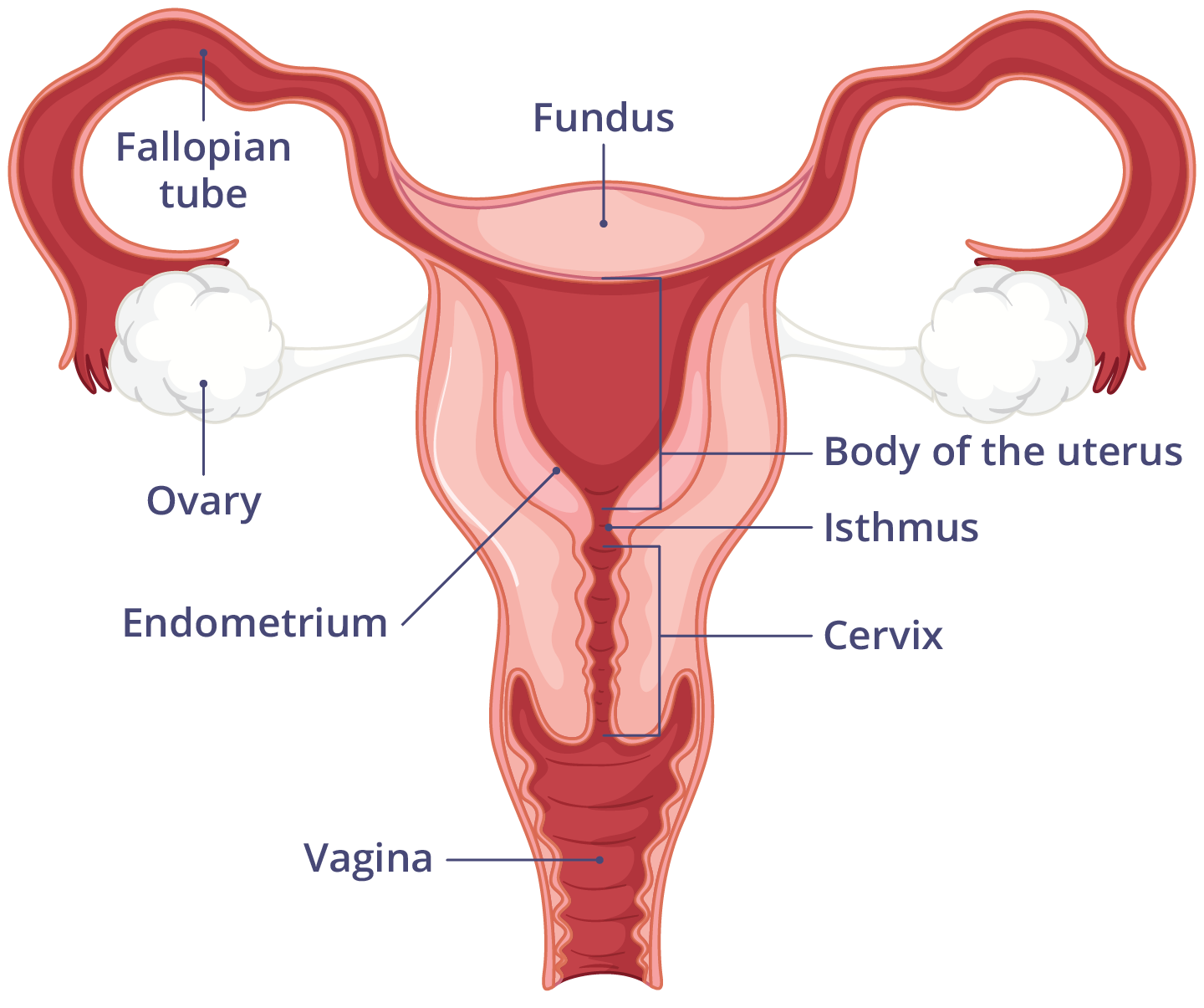
The cervix serves as the structural and functional bridge between the external world and the internal reproductive environment. In the tech world, this “bridge” is being digitized, monitored, and analyzed through advanced software, AI-driven diagnostics, and smart hardware. This article explores how modern technology is decoding the functions of the cervix to revolutionize preventative care, fertility tracking, and digital health security.
1. The Gateway to Health: AI-Powered Cervical Diagnostics
The primary biological role of the cervix is to act as a physical barrier and a canal for passage. Historically, monitoring this area required invasive procedures and subjective human analysis, such as the traditional Pap smear or colposcopy. However, the integration of Artificial Intelligence (AI) and Machine Learning (ML) is transforming the cervix into a source of high-fidelity diagnostic data.
AI in Cervical Cancer Screening
Automated Visual Evaluation (AVE) is a breakthrough AI tool currently being refined by global tech innovators. By using deep-learning algorithms, software can analyze digital images of the cervix to identify precancerous lesions with higher accuracy than a human clinician using a standard microscope. These AI tools are trained on datasets containing millions of images, allowing the software to recognize subtle vascular patterns and cellular changes that indicate the early stages of cervical cancer. This technology reduces the “human error” factor and provides instantaneous results, which is a significant leap from the weeks-long wait times associated with traditional labs.
Digital Colposcopy and Imaging Software
Modern gadgets have miniaturized the colposcope—the tool used to examine the cervix. New-age portable devices connect directly to smartphones or tablets, utilizing high-resolution sensors and cloud-based software. This “MedTech” allows practitioners in remote areas to capture images and run them through diagnostic software in real-time. These apps use edge computing to process data locally, ensuring that even in low-bandwidth environments, the “gatekeeper” function of the cervix is monitored with precision.
The Rise of At-Home HPV Testing Kits
The consumer-tech market has seen a surge in “Direct-to-Consumer” (DTC) diagnostic kits. These are not just simple swabs; they are integrated into a digital ecosystem. Users collect a sample and register their kit via a mobile app. The “tech” here lies in the backend logistics and the bioinformatics used to sequence DNA for High-Risk HPV strains. The integration of these results into a user’s personal health dashboard allows for long-term data tracking, a core component of modern digital wellness.
2. Real-Time Monitoring: Wearables and the IoMT
The cervix undergoes significant changes throughout the menstrual cycle and during pregnancy. It changes position, firmness, and produces varying types of cervical mucus. In the niche of fertility tech and pregnancy management, these physical shifts are being translated into digital signals through sophisticated hardware and software tutorials.
Smart Sensors and Fertility Tracking
While many apps rely on manual input of cervical observations, a new generation of internal wearables is emerging. These gadgets, often designed as smart rings or inserts, monitor the biochemical properties of the cervical environment. By measuring pH levels and electrical conductivity in the cervical fluid, these sensors sync with proprietary apps to predict the ovulation window with pinpoint accuracy. This is a move away from the “guesswork” of traditional calendar methods toward a data-driven approach to reproductive health.
Monitoring Cervical Competence via Remote Gadgets
In the context of pregnancy, the cervix plays the vital role of remaining closed until the final stages of labor. “Cervical insufficiency” is a significant medical risk that tech is now addressing. Emerging MedTech includes non-invasive ultrasonic sensors that can be used at home to monitor cervical length and density. This data is transmitted to an obstetrician’s dashboard, allowing for “Remote Patient Monitoring” (RPM). This use of the IoMT ensures that any premature changes in what the cervix “does” are flagged by software alerts before they become a clinical emergency.
Software Tutorials for Body Literacy
Modern FemTech apps are more than just trackers; they are educational platforms. Through interactive UI/UX design, apps like Clue or Natural Cycles provide tutorials on how to interpret cervical signals. These platforms use data visualization—graphs, heat maps, and trend lines—to help users understand their biological rhythms. By gamifying body literacy, these software tools empower users to understand the “gatekeeper” function of their own anatomy.
3. Digital Security and Data Privacy in Reproductive Tech
As we digitize the functions of the cervix—tracking its changes, storing images of it, and recording its biological markers—we create a massive repository of highly sensitive data. In the current digital landscape, security is as important as the health insights themselves.
Encryption of Sensitive Health Data
Because reproductive data is among the most private information a person can share, FemTech companies are adopting “Zero-Knowledge Architecture.” This means the service provider does not have the keys to decrypt the user’s data; only the user does. When an app records data about cervical health, that data is encrypted at the device level before being sent to the cloud. For users, understanding these security protocols is a vital part of choosing which digital health tools to trust.
The Ethics of Data Monetization
The tech industry is currently facing a reckoning regarding “Big Data.” In the niche of FemTech, there is a strict movement toward “Data Sovereignty.” Leading software developers are now building platforms where users can opt-out of data sharing with third-party researchers or pharmaceutical companies. As the cervix becomes a “data point,” digital security tutorials are becoming standard features in health apps, teaching users how to manage permissions and protect their digital footprint.
Blockchain in Reproductive Records
Some innovative startups are looking to blockchain technology to store cervical health records. By using a decentralized ledger, a patient’s diagnostic history—from Pap smears to AI-screenings—can be stored securely and shared only with authorized medical professionals. This prevents the “siloing” of data and ensures that the history of what a patient’s cervix “has done” over a decade is accessible, immutable, and private.
4. The Economic and Social Impact of FemTech Innovation
The technological focus on the cervix is not just a medical advancement; it is a booming sector of the tech economy. Investors are pouring billions into startups that specialize in the “Digital Cervix,” recognizing that reproductive health is a primary driver of the global healthcare market.
Scaling Solutions via SaaS Models
Software-as-a-Service (SaaS) models are being applied to cervical health platforms. Clinics can subscribe to AI diagnostic suites, reducing the need for expensive, in-house laboratory equipment. This “democratization of tech” allows smaller practices to offer high-end diagnostic services, effectively bridging the gap between urban and rural healthcare quality.
Bridging the Global Health Gap with Low-Cost Gadgets
One of the most profound impacts of this tech is in developing nations. Low-cost, battery-operated digital colposcopes, paired with smartphone AI, are being used to screen thousands of women for cervical issues in regions where doctors are scarce. This is a prime example of “Frugal Innovation” in the tech world—using existing gadgets (smartphones) and sophisticated software (AI) to solve a global health crisis.
The Future: 3D Printing and Lab-on-a-Chip
Looking ahead, the next frontier for the cervix in tech involves bio-printing. Scientists are currently using 3D bioprinters to create “Cervix-on-a-Chip” models. These are microfluidic chips lined with living human cervical cells. Tech companies use these chips to test new drugs or study how the cervix reacts to different stimuli without the need for human trials. This convergence of hardware engineering and biological science is the ultimate answer to what the cervix “does” in a laboratory setting—it acts as a blueprint for the future of personalized medicine.

Conclusion: The Digital Evolution of Reproductive Health
What does the cervix do? Biologically, it protects, filters, and connects. In the world of technology, it does so much more. It serves as a vital source of diagnostic data, a metric for fertility tracking, and a catalyst for advancements in AI and digital security.
As we move further into the decade, the distinction between “health” and “tech” will continue to blur. The gadgets we wear and the software we use are giving us an unprecedented look at the intricate functions of our bodies. By turning the biological gatekeeper into a digital asset, FemTech is not only saving lives through early detection but is also empowering individuals with the tools and tutorials needed to master their own reproductive journeys. The future of the cervix is digital, and the innovations we see today are only the beginning of a more informed and technologically integrated approach to women’s health.
aViewFromTheCave is a participant in the Amazon Services LLC Associates Program, an affiliate advertising program designed to provide a means for sites to earn advertising fees by advertising and linking to Amazon.com. Amazon, the Amazon logo, AmazonSupply, and the AmazonSupply logo are trademarks of Amazon.com, Inc. or its affiliates. As an Amazon Associate we earn affiliate commissions from qualifying purchases.