
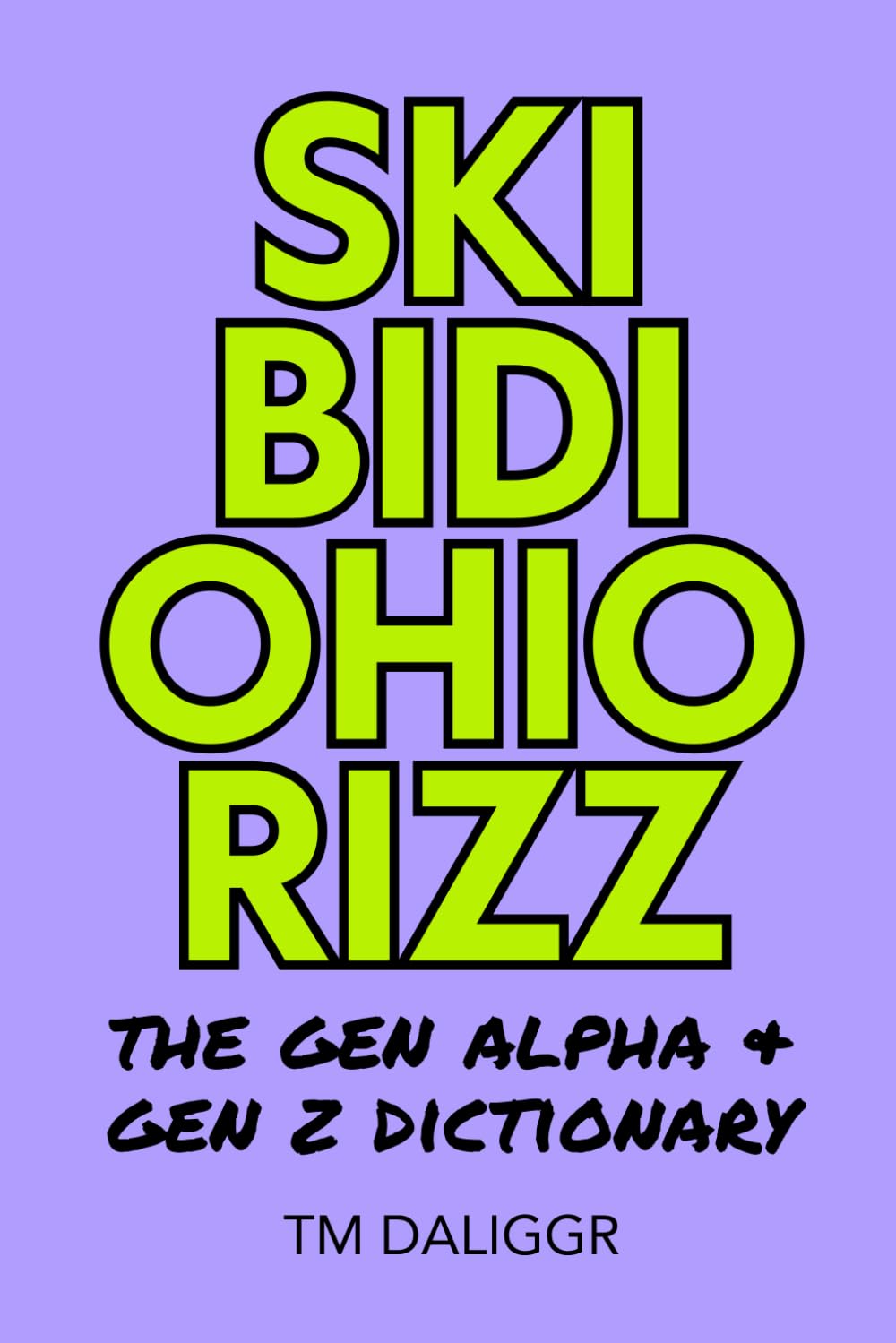
In the rapidly evolving landscape of digital communication, the bridge between consumer culture and corporate strategy has never been more influenced by the linguistic whims of the youngest generations. For brand managers, marketers, and executive leaders, phrases like “Skibidi Ohio Rizz” may initially appear as nonsensical “brain rot”—a term used to describe the surreal, often incoherent nature of Gen Alpha and late Gen Z humor. However, beneath the surface of these seemingly absurd syllables lies a sophisticated evolution of cultural capital.
Understanding “Skibidi Ohio Rizz” is not merely about learning new slang; it is about decoding the mechanics of virality, the acceleration of the trend cycle, and the shifting paradigms of brand relevance in a post-ironic digital age. For a brand to survive and thrive in the current attention economy, it must understand how these linguistic markers function as social currency.

The Anatomy of Modern Slang: Decoding the Vernacular of Gen Alpha
To understand the strategic implications, one must first deconstruct the phrase itself. While “Skibidi Ohio Rizz” sounds like a chaotic string of buzzwords, each component represents a specific pillar of contemporary digital identity.
“Skibidi”: From Surrealism to Cultural Recognition
The term “Skibidi” originates from “Skibidi Toilet,” a YouTube series featuring heads emerging from toilets singing a specific remix. To the uninitiated, it is absurd. To a brand strategist, it represents the power of visual and auditory hooks. “Skibidi” has evolved into a general-purpose adjective or intensifier, often signifying something chaotic, viral, or “evil.” For brands, this illustrates the shift toward non-linear storytelling where the “hook” is more important than the narrative.
“Ohio”: The Geometry of Modern Meme Geography
In the context of modern memes, “Ohio” no longer refers to the U.S. state. Instead, it has become a shorthand for “weird,” “chaotic,” or “dystopian.” This semantic shift is a masterclass in rebranding through community consensus. It shows how a legacy “brand” (a geographic location) can be completely redefined by digital sentiment. For corporate entities, this serves as a warning: your brand identity is no longer entirely in your hands; it is shaped by the collective meme-making of your audience.
“Rizz”: The Evolution of Personal Branding as Archetype
Derived from the word “charisma,” “rizz” refers to one’s ability to attract or charm others. It is, essentially, personal brand equity. When a consumer speaks of someone having “rizz,” they are evaluating their social value and influence. In a professional context, “rizz” is the intangible quality of a brand’s voice that makes it magnetic to its target demographic. It is the pinnacle of the modern “cool” factor.
The Speed of Culture: Algorithmic Trends and Brand Relevance
The emergence of “Skibidi Ohio Rizz” highlights a critical challenge for brand strategists: the hyper-acceleration of the trend cycle. Traditionally, cultural trends took months or years to move from the fringe to the mainstream. Today, thanks to the TikTok and YouTube Shorts algorithms, a trend can peak and become “cringe” within a matter of weeks.
The Hyper-Acceleration of the Trend Cycle
In the past, a brand could plan a quarterly campaign around a popular cultural reference. Today, that reference might be obsolete by the time the creative assets are approved. The “Skibidi Ohio Rizz” phenomenon demonstrates that brands must move away from static planning toward agile content creation. If your brand is just now learning what these terms mean, you are likely too late to use them directly. The goal is not to copy the slang, but to understand the speed at which your audience’s language is evolving.
Content Saturating the “Attention Economy”
We are currently operating in an “attention economy” where the greatest scarcity is human focus. Slang like “Skibidi” acts as a cognitive shortcut—a way for users to identify “in-group” content instantly. Brands that fail to recognize these shortcuts will find their content filtered out by the mental ad-blockers of younger consumers. To capture attention, brands must either participate in the conversation with genuine fluency or create their own linguistic “hooks” that resonate with the same level of intensity.
The “Brain Rot” Paradox: Strategic Risks and Opportunities
The term “brain rot” is often used to describe the consumption of low-substance, high-stimulation content. While it carries a negative connotation, it represents a massive opportunity for brands to engage in “low-stakes” marketing that prioritizes engagement over traditional conversion metrics.
The Perils of the “Fellow Kids” Trap
The greatest risk for any brand attempting to utilize “Skibidi Ohio Rizz” is the “Fellow Kids” phenomenon—the perceived inauthenticity of a corporation trying too hard to be hip. When a multi-billion dollar corporation uses Gen Alpha slang incorrectly or too late, it doesn’t just fail; it actively damages its brand equity. It signals that the brand is out of touch and desperate for relevance. The strategy, therefore, should not be imitation, but informed observation.
Authenticity in Surrealist Marketing
There is a growing trend of “surrealist marketing” where brands embrace the chaos of modern meme culture without directly copying it. This involves adopting a brand voice that is self-aware, slightly absurd, and deeply attuned to the internet’s sense of humor. Brands that can navigate this space—such as Duolingo or Nutter Butter on social media—demonstrate a high “cultural IQ.” They aren’t just using the slang; they are participating in the spirit of the slang.
Case Studies in Meme Integration: Mastering the Chaotic Social Persona
Several brands have successfully navigated the transition from traditional corporate communication to the chaotic, meme-driven landscape inhabited by the “Skibidi” generation.
Mastering the Chaotic Social Persona
The Duolingo Owl is perhaps the most prominent example of a brand building a persona that fits into the “Skibidi” era. By leaning into chaotic, sometimes threatening, and always absurd humor, Duolingo has moved beyond being a “language learning app” to becoming a “character” in the digital ecosystem. They don’t need to say “Skibidi Ohio Rizz” because their entire brand persona embodies the energy that those terms represent.
Balancing Corporate Identity with Viral Absurdity
RyanAir is another example of a brand that has mastered the “brain rot” aesthetic. By using low-budget filters, trending audios, and self-deprecating humor, they have built a massive following among younger demographics who usually despise airline brands. Their strategy involves stripping away the corporate veneer and speaking the visual language of the platform. They understand that on TikTok, a shaky video with a “rizz” joke is often more effective than a million-dollar polished advertisement.
Future-Proofing the Brand Identity in the Age of Post-Irony
As Gen Alpha enters their teenage years and gains more purchasing power, the linguistic patterns of “Skibidi Ohio Rizz” will continue to influence mainstream commerce. Brands must prepare for a future where traditional marketing logic is consistently subverted.
Building a Flexible Brand Voice
The brands that will survive the next decade are those with a flexible identity. This does not mean changing your logo every year; it means having a brand voice that can pivot between “professional and authoritative” and “playful and absurd” depending on the platform and the context. A rigid brand guide is a liability in a world where culture moves at the speed of a scroll.

Investing in Cultural Intelligence
For brands to truly understand the next “Skibidi Ohio Rizz,” they must invest in cultural intelligence (CQ). This means hiring creators who are native to these digital spaces, not just as social media managers, but as strategic consultants. It means moving beyond data analytics to perform “digital ethnography”—observing how communities form, how language evolves, and how trust is built in decentralized digital spaces.
In conclusion, “Skibidi Ohio Rizz” is more than just a collection of nonsensical words. It is a signal of a profound shift in how humans communicate, identify, and consume. For a brand, the goal isn’t to speak the slang, but to understand the why behind it. By recognizing the power of surrealism, the speed of algorithmic culture, and the necessity of authentic engagement, brands can transcend the “brain rot” and build lasting connections with the most digitally literate generation in history. Success in the modern market requires more than just a good product; it requires the “rizz” to command attention in an increasingly chaotic world.
aViewFromTheCave is a participant in the Amazon Services LLC Associates Program, an affiliate advertising program designed to provide a means for sites to earn advertising fees by advertising and linking to Amazon.com. Amazon, the Amazon logo, AmazonSupply, and the AmazonSupply logo are trademarks of Amazon.com, Inc. or its affiliates. As an Amazon Associate we earn affiliate commissions from qualifying purchases.