
In the landscape of brand architecture and corporate identity, the concept of a “Palm Sunday” serves as a profound metaphor for the triumphant entry of a brand into a new market or the launch of a revolutionary product. Historically, the event represents a moment of public recognition, symbolic gestures, and the high-stakes positioning of a leader. In the professional world of brand strategy, what Palm Sunday represents is the “Grand Unveil”—the critical juncture where a brand’s promise meets public perception for the first time.
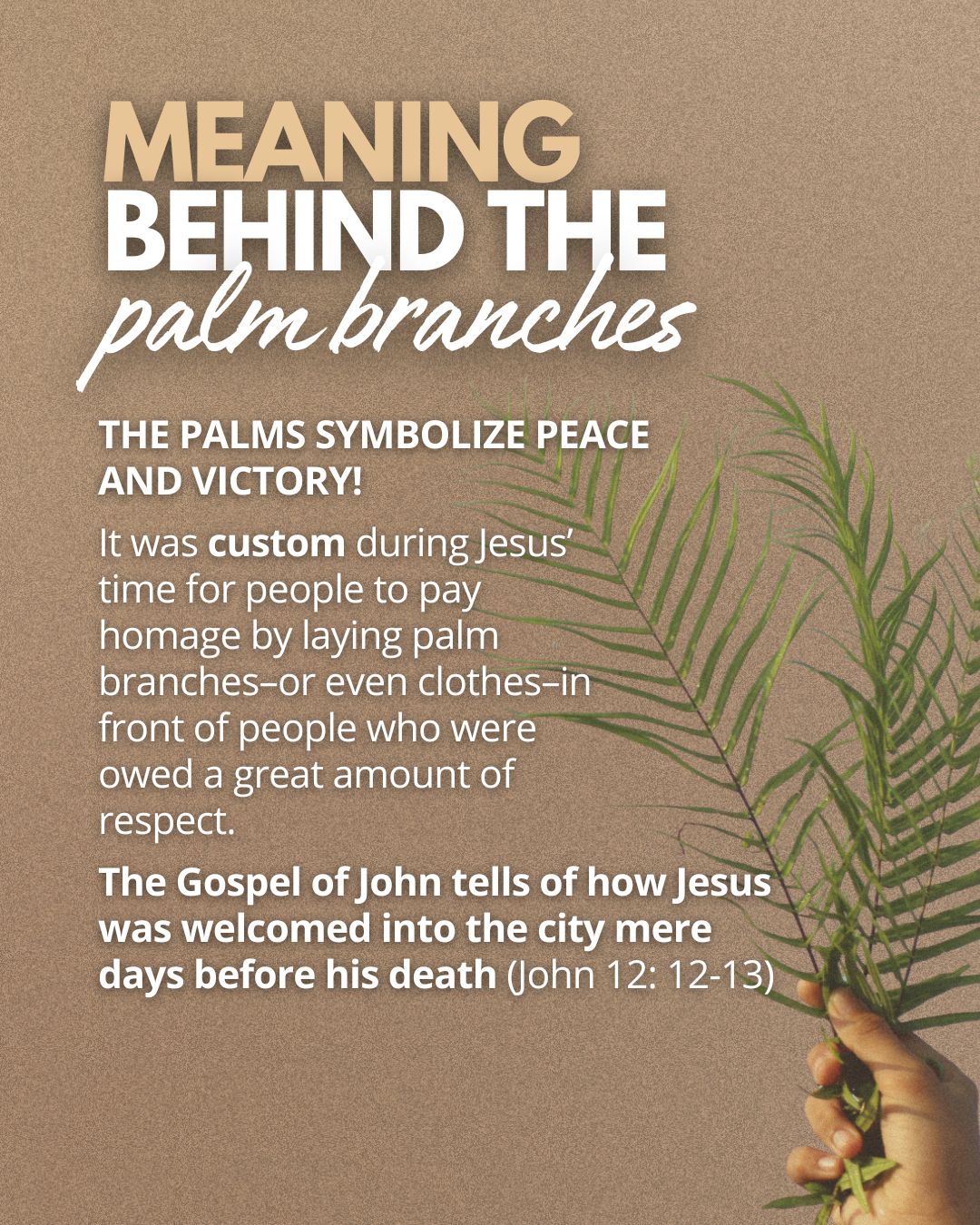
When a brand orchestrates its market entry, it is doing more than selling a service; it is establishing a representation of values, a vision for the future, and a psychological contract with its audience. Understanding the strategic depth of this “triumphant entry” is essential for any marketing professional or brand strategist aiming to create a legacy rather than a mere footnote in industry history.
The Symbolism of the Grand Entrance: Defining Your Brand’s “Palm Sunday” Moment
In branding, representation is everything. Every visual cue, every press release, and every social media interaction acts as a “palm branch” laid before the consumer. This section explores how the initial representation of a brand dictates its long-term trajectory.
Identifying the Core Representation
A brand’s representation is the sum of its parts—logo, voice, ethics, and utility. For a brand to have a successful “Palm Sunday” moment, it must first define what it stands for. Is it a disruptor? A caregiver? A sage? This identification process is the bedrock of corporate identity. When a company like Apple or Nike launches a new campaign, they aren’t just showing a product; they are representing a lifestyle and a set of ideals. This representation must be authentic, or the “triumphant entry” will quickly turn into a reputational crisis.
The Psychology of the First Impression
The initial entry into the market triggers a psychological response in the consumer known as the “halo effect.” If the brand’s representation during the launch is perceived as high-value, innovative, and trustworthy, consumers will subconsciously attribute those qualities to all future products from that brand. Strategically, this means the first major public appearance—the “Palm Sunday” of the brand’s lifecycle—must be meticulously curated to ensure the representation is flawless.
Symbolism Through Visual Identity
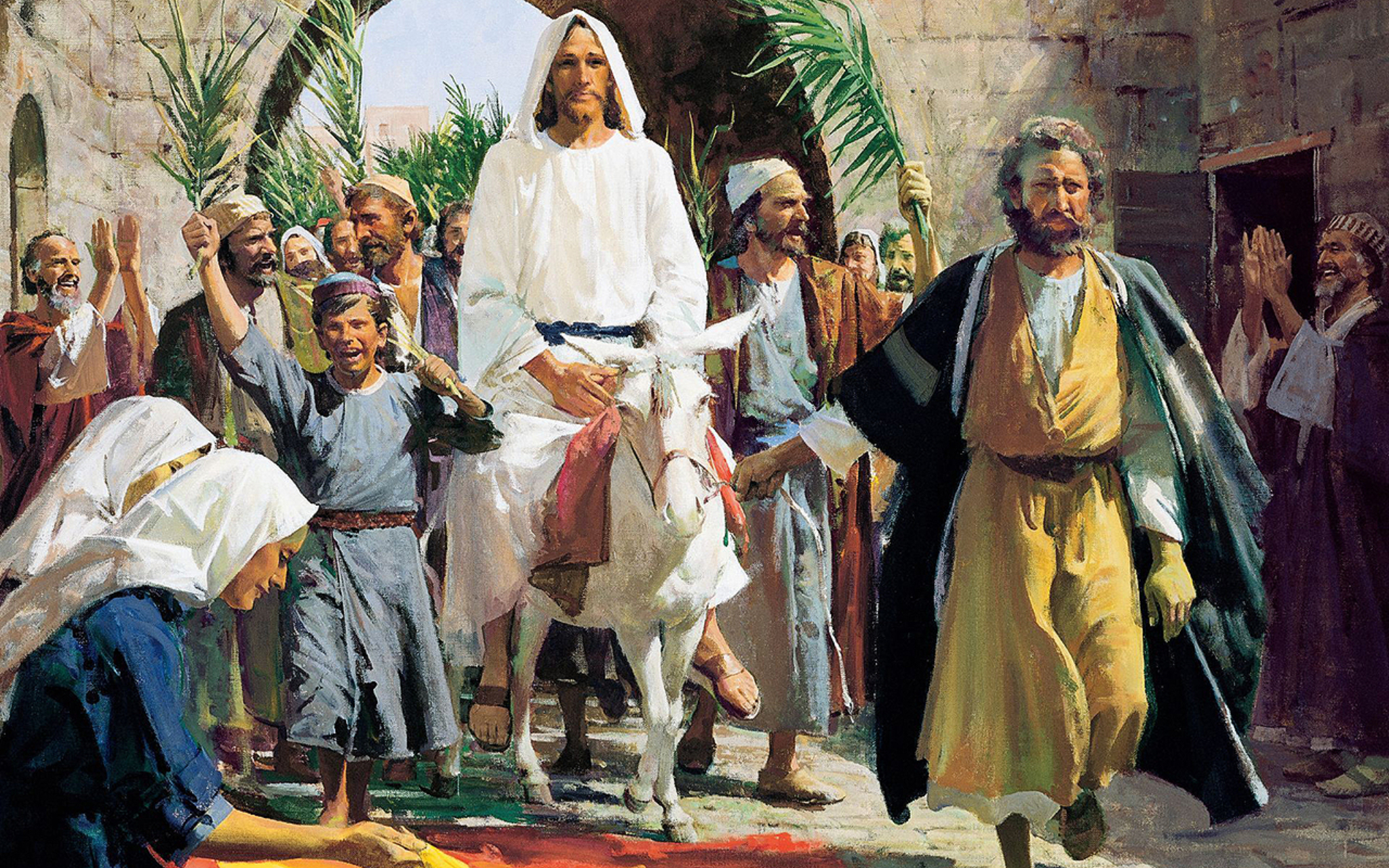
Just as the historical context of Palm Sunday relied on specific symbols to convey a message of peace and kingship, modern brands use visual language to represent their status. Minimalism might represent sophistication and transparency, while vibrant, chaotic designs might represent energy and disruption. The symbols chosen for the launch are the signals that tell the audience how to feel about the brand before they even engage with its products.
Crafting the Narrative: Representation Through Symbolic Messaging
Narrative is the engine of brand strategy. A brand’s “Palm Sunday” represents the beginning of a story that the consumer is invited to participate in. To do this effectively, the brand must align its internal values with its external messaging.
Aligning Values with Visual Identity
A brand strategy is only as strong as its consistency. If a brand represents itself as eco-friendly, every aspect of its “grand entry”—from packaging to the energy used at the launch event—must reflect that. Inconsistency at this stage is fatal. The representation must be a holistic experience. When a brand successfully aligns its values with its visual identity, it creates a “sacred” bond with its community, where the brand becomes a symbol of the consumer’s own identity.
The Role of Community Acclaim in Brand Longevity
The historical “Palm Sunday” was characterized by the crowds’ reception. In modern branding, this translates to community engagement and social proof. A brand’s representation is no longer dictated solely by the company; it is co-authored by the audience. Strategic brand management involves fostering a “crowd” that will champion the brand’s entry. This is achieved through community building, influencer partnerships, and the creation of “brand evangelists” who spread the narrative across digital and physical spaces.
Messaging as a Promise
The entry of a brand is essentially a promise of things to come. What the brand represents at this moment is a commitment to solve a problem or fulfill a desire. Professional branding ensures that this message is not just heard, but felt. The narrative should be insightful and engaging, moving beyond the technical specifications of a product to the emotional transformation it offers the consumer.

Beyond the Hype: Sustaining the Representation Post-Launch
One of the most critical lessons in what Palm Sunday represents for brands is the volatility of public acclaim. A triumphant entry is only the beginning. The real challenge lies in maintaining that representation when the initial excitement fades and the brand enters the “working” phase of its lifecycle.
Avoiding the Transition from Hosanna to Obscurity
In the world of marketing, “hype cycles” are common. A brand may have a spectacular “Palm Sunday” entry only to be forgotten or scrutinized months later. Sustaining a brand’s representation requires a shift from the “spectacle” of the launch to the “substance” of the service. Brand strategy must include a “Phase Two” that reinforces the initial representation through consistent performance, customer support, and iterative innovation.
Strategic Pivot and Emotional Resonance
As markets change, a brand’s representation may need to evolve. However, the core identity established during the “triumphant entry” should act as a North Star. A successful brand knows how to pivot its tactics while remaining true to what it represents. This creates emotional resonance—a deep, lasting connection with the consumer that transcends transactional relationships.
The Lifecycle of Brand Trust
Trust is the currency of modern branding. The initial representation builds interest, but only the delivery of the brand promise builds trust. Strategically, brands must use their “Palm Sunday” as a foundation for a long-term trust-building exercise. This involves transparent communication, especially during times of crisis, and a relentless focus on the consumer’s needs.
Case Studies: Brands that Mastered the Art of the Triumphant Entry
To understand what Palm Sunday represents in a corporate context, we can look at industry leaders who have turned product launches into cultural moments, effectively “entering the city” to the cheers of a global audience.
Apple’s Product Unveils: A Masterclass in Symbolism
Apple is perhaps the best example of a brand that understands the “Palm Sunday” dynamic. Each “Keynote” is more than a technical briefing; it is a ritual. The symbolism of the black turtleneck, the “one more thing” phrase, and the minimalist stage design all contribute to a representation of Apple as a leader in innovation and design. They don’t just launch a phone; they invite the world to witness a new era of human connectivity.
Tesla’s Disruptive Debut: Reimagining Industry Standards
When Tesla entered the automotive market, its “Palm Sunday” moment was the unveiling of the original Roadster. It represented a shift in the global perception of electric vehicles—from “slow and boring” to “high-performance and desirable.” Elon Musk’s strategy was to represent the future, making the entry of the brand a symbol of the transition away from fossil fuels. The acclaim was not just for the car, but for the vision it represented.
Airbnb’s Representation of Belonging
Airbnb’s “Belong Anywhere” campaign was a strategic masterstroke in brand representation. By moving away from the technicalities of booking a room to the emotional concept of “belonging,” Airbnb transformed its market entry into a movement. They represented a new way of living and traveling, turning every host and guest into a participant in their triumphant narrative.
Conclusion: The Strategic Integration of Representation
In conclusion, when we ask “what does Palm Sunday represent” through the lens of brand strategy, we find a blueprint for market dominance and cultural impact. It represents the moment of maximum influence, where a brand’s identity is solidified in the minds of the public.
A successful brand entry requires more than just a good product; it requires a deep understanding of symbolism, narrative, and consumer psychology. By treating a launch as a “triumphant entry,” brand strategists can create a sense of occasion that resonates far beyond the initial reveal. The goal is to ensure that what the brand represents on day one is not just a temporary hype, but a permanent pillar of its corporate identity.
In a world saturated with fleeting digital impressions, the brands that endure are those that understand the power of their “Palm Sunday”—the moment they stopped being a company and started representing an idea. Through professional strategy, insightful messaging, and a commitment to authenticity, any brand can turn its market entry into a lasting legacy of influence and trust.
aViewFromTheCave is a participant in the Amazon Services LLC Associates Program, an affiliate advertising program designed to provide a means for sites to earn advertising fees by advertising and linking to Amazon.com. Amazon, the Amazon logo, AmazonSupply, and the AmazonSupply logo are trademarks of Amazon.com, Inc. or its affiliates. As an Amazon Associate we earn affiliate commissions from qualifying purchases.