
In the competitive landscape of modern marketing, a symbol is more than just a graphic mark; it is a vessel for a company’s values, history, and promises. Among the most enduring and recognizable icons in the world of visual identity is the fleur-de-lis. While its origins are rooted in ancient heraldry and French royalty, its contemporary application within the “Brand” niche has transformed it into a potent tool for communicating prestige, heritage, and sophistication.
To understand what the fleur-de-lis symbol means in a professional branding context, one must look beyond the literal “lily flower” and examine its semiotic power. For brand strategists and designers, the fleur-de-lis represents a bridge between historical authority and modern luxury.

The Historical Foundation of the Fleur-de-lis in Identity Design
The fleur-de-lis is perhaps the oldest example of “corporate identity” in Western civilization. Long before modern logos existed, European monarchies used heraldic symbols to establish ownership, lineage, and authority. In this context, the fleur-de-lis was the ultimate trademark of the French Crown.
From Monarchy to Market Authority
In the early days of branding, symbols were used to denote quality and origin. The fleur-de-lis, specifically associated with the French monarchy since the 12th century, carried an immediate connotation of “divine right” and “top-tier status.” For a modern brand, adopting this symbol is a strategic move to borrow that historical weight. When a consumer sees a fleur-de-lis on a product—whether it’s a bottle of artisanal perfume or a high-end furniture line—the brain subconsciously registers a sense of “provenance.” It suggests that the brand did not emerge yesterday but is the successor to a long line of excellence.
Establishing Instant Heritage for New Brands
One of the greatest challenges in brand strategy is establishing “brand heritage” for a startup or a relatively young company. Strategists often use the fleur-de-lis to create an “instant legacy.” By integrating this symbol into a visual identity, a brand can position itself as a “classic” choice, even if its products are revolutionary. This is a common tactic in the luxury goods sector, where the appearance of antiquity acts as a signal for long-term value and craftsmanship.
The Brand Psychology of the Lily: Purity, Power, and Prestige
In branding, every line and curve of a logo triggers a psychological response. The fleur-de-lis is unique because its tripartite (three-petaled) structure offers a balanced visual harmony that translates well across various media.
Associations with Luxury and Exclusivity
In the hierarchy of symbols, the fleur-de-lis sits alongside crowns and crests. For brands operating in the premium or ultra-luxury space, the symbol functions as a shorthand for exclusivity. It tells the consumer that the brand belongs to a certain “social class.” This is why you often see the symbol utilized by boutique hotels, private clubs, and luxury real estate firms. The meaning shifts from “flower” to “excellence.”
The Semiotics of the Three Petals
In traditional heraldry, the three petals were often said to represent the three social estates: those who worked, those who fought, and those who prayed. In a modern brand strategy context, these three petals are often repurposed to represent a brand’s “Triple Bottom Line” or its three core pillars—such as Quality, Service, and Integrity. This geometric symmetry provides a sense of stability and reliability, which are critical psychological drivers for consumer trust.
Strategic Implementation: Case Studies in Corporate Identity

The versatility of the fleur-de-lis is evident in how it has been successfully localized and modernized by major organizations. It is not just a “French” symbol; it is a global icon of community and identity.
Regional Branding: The New Orleans Saints and Cultural Identity
Perhaps the most famous modern use of the fleur-de-lis is by the NFL’s New Orleans Saints. In this case, the symbol serves a dual purpose: it honors the city’s French heritage while acting as a “battle crest” for the sports franchise. Following the devastation of Hurricane Katrina, the Saints’ fleur-de-lis logo became a symbol of resilience and rebirth for the entire region. This demonstrates the “Community Branding” power of the symbol; it moved beyond being a corporate logo to becoming a cultural emblem that fostered deep emotional loyalty—the holy grail of brand marketing.
The Boy Scouts of America: Values-Based Branding
The Boy Scouts of America (and the global Scouting movement) use a stylized fleur-de-lis to represent the three parts of the Scout Oath. Here, the branding strategy is not about luxury, but about “Direction and Virtue.” The symbol resembles a compass needle, pointing the way toward moral character. This is a masterclass in how a historical symbol can be recontextualized to fit a brand’s specific mission statement while maintaining its recognizable form.
Design Principles: Modernizing the Fleur-de-lis for Digital Platforms
For a brand to remain relevant, its symbols must be adaptable to modern design requirements, including mobile app icons, favicons, and social media avatars. The fleur-de-lis, while traditionally intricate, offers significant opportunities for “minimalist” redesign.
Simplification and Geometric Minimalism
Traditional fleur-de-lis designs are often “busy,” featuring ornate flourishes and shading. Modern brand designers often strip these away to create a “flat design” version. By focusing on the silhouette, the symbol becomes more scalable and legible at small sizes. This process of “distilling the essence” allows a brand to keep the prestige of the symbol while appearing contemporary and tech-savvy.
Color Theory and Brand Perception
The meaning of the fleur-de-lis can be drastically altered by its color palette.
-
Gold/Yellow: Traditionally signifies royalty and wealth. When used on a dark navy or black background, it screams “Premium.”
-
Monochrome (Black/White): Suggests modernism, fashion, and high-end editorial design.
-
Natural Greens/Blues: Can pivot the symbol toward organic luxury or “heritage” sustainability.
Choosing the right color is essential for ensuring the fleur-de-lis aligns with the brand’s specific market positioning.
The Future of Heritage Symbols in the Digital Branding Age
As we move further into a digital-first economy, the question arises: is a medieval symbol still relevant? The answer lies in the human desire for “Authenticity.”
Navigating the “Generic” Trap
Because the fleur-de-lis is a public domain symbol, there is a risk of a brand looking “generic” if the design isn’t sufficiently customized. A successful brand strategy involves adding a unique twist to the symbol—perhaps by integrating a hidden letter, adjusting the proportions, or combining it with modern typography. This creates “Proprietary Identity,” ensuring the brand can be trademarked and distinguished from competitors.
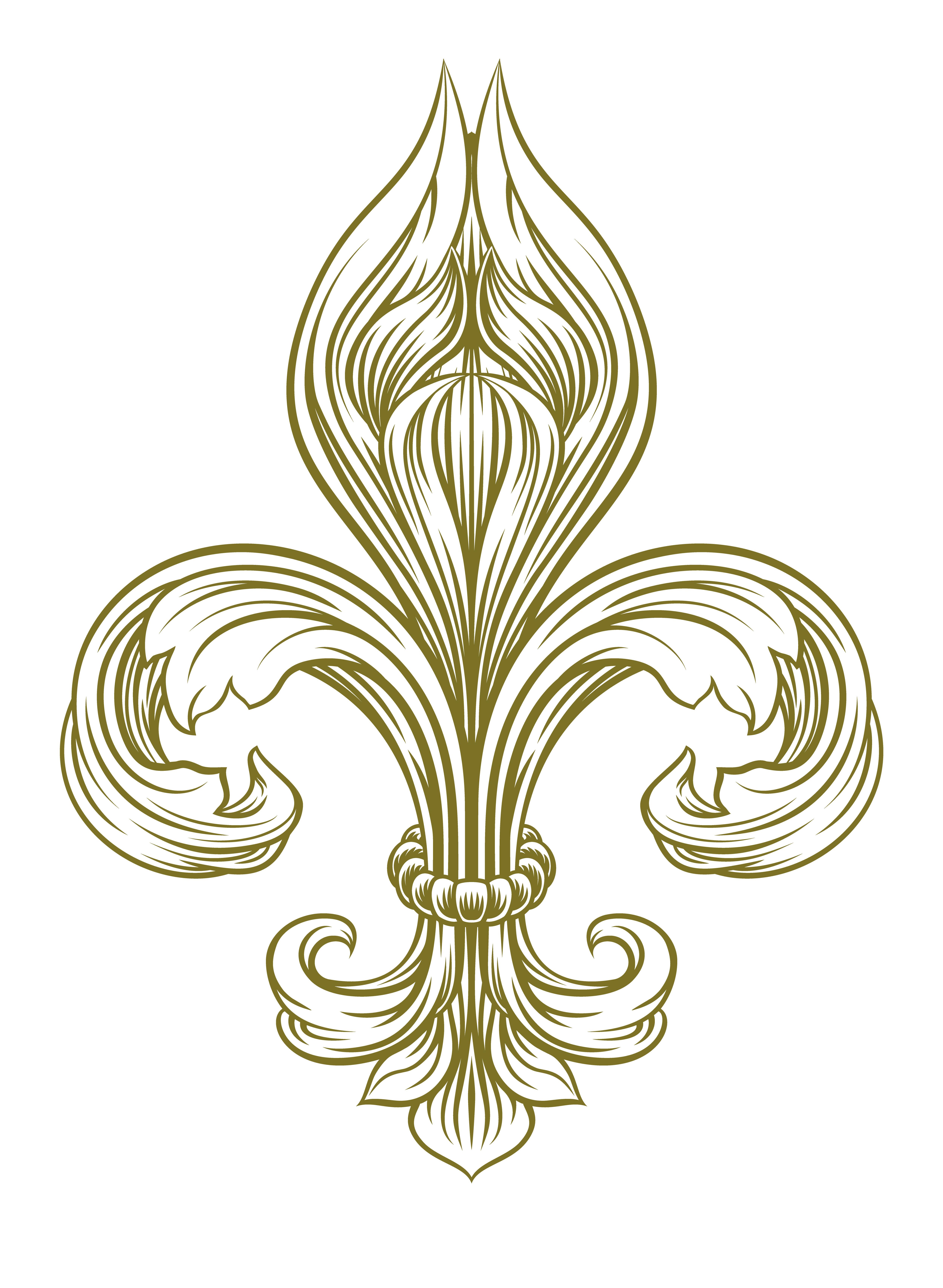
Balancing Tradition with Innovation
The brands that will thrive in the next decade are those that can balance “the old and the new.” The fleur-de-lis provides a “foundation of trust” upon which innovative brands can build. Whether it’s an AI startup using a stylized fleur-de-lis to suggest “Modern Mastery” or a fintech company using it to represent “Institutional Security,” the symbol’s meaning continues to evolve.
In conclusion, the fleur-de-lis is much more than a historical artifact. In the world of brand strategy, it is a sophisticated tool for communicating a narrative of quality, heritage, and status. By understanding its psychological impact and historical weight, brands can leverage this iconic symbol to build a visual identity that is both timeless and deeply resonant with their target audience. When asked “what does the fleur-de-lis symbol mean,” the modern brand strategist’s answer is simple: it means legacy, refined.
aViewFromTheCave is a participant in the Amazon Services LLC Associates Program, an affiliate advertising program designed to provide a means for sites to earn advertising fees by advertising and linking to Amazon.com. Amazon, the Amazon logo, AmazonSupply, and the AmazonSupply logo are trademarks of Amazon.com, Inc. or its affiliates. As an Amazon Associate we earn affiliate commissions from qualifying purchases.