
In the landscape of modern pop culture, a brand is rarely built solely on the merit of a product; it is built on the narrative, the aesthetic, and the “hook” that captures the public imagination. When DNCE released their debut single, “Cake by the Ocean,” in 2015, it was more than just a rhythmic summer anthem. It was a masterclass in brand positioning, identity transition, and the power of distinctive vernacular. To understand what “Cake by the Ocean” means is to understand how a specific creative “mistake” can be polished into a global brand asset that resonates across demographics.

While the phrase itself has become synonymous with a certain brand of carefree, neon-soaked hedonism, its origins and its strategic implementation offer profound insights into how brands can leverage ambiguity to drive engagement. This article explores the branding mechanics behind DNCE’s breakout success, examining how a mistranslated phrase became a cornerstone of a multi-platinum corporate identity.
The Power of Distinctive Brand Vernacular
In a crowded marketplace, whether in music, tech, or retail, the ability to own a specific phrase or “vernacular” is a significant competitive advantage. For DNCE, “Cake by the Ocean” served as a linguistic trademark that differentiated them from the high-gloss, manufactured feel of traditional boy bands.
Creating a Niche Language
Brand loyalty is often built through “insider” knowledge. When a consumer or a fan encounters a phrase like “Cake by the Ocean,” their first instinct is curiosity. The phrase doesn’t have an immediate, literal meaning in English. This creates what marketers call a “curiosity gap.” By the time the audience learns that the phrase was a Swedish producer’s mistranslation of the cocktail “Sex on the Beach,” they have already engaged deeply with the brand. This accidental neologism became a unique identifier that no other artist could claim, effectively carving out a niche in a saturated pop market.
Establishing the “Happy-Go-Lucky” Brand Persona
The choice of “Cake by the Ocean” as a lead single was a strategic move to establish the brand’s emotional resonance. In brand strategy, “archetypes” are often used to define a persona. DNCE positioned themselves as “The Jester”—a brand archetype defined by living in the moment, using humor to connect, and breaking conventional rules. The nonsensical nature of the title reinforced this persona. It told the audience that this brand wasn’t meant to be taken too seriously, which was a refreshing pivot from the more serious, polished brands of the mid-2010s.
Visual Identity and Aesthetic Consistency
A brand is not just heard; it is seen. The “meaning” of “Cake by the Ocean” was reinforced through a rigorous visual strategy that aligned the song’s quirky lyrics with a specific, high-energy aesthetic. This consistency is what allows a brand to move from being a “one-hit wonder” to a recognizable corporate identity.
The Visual Language of the Music Video
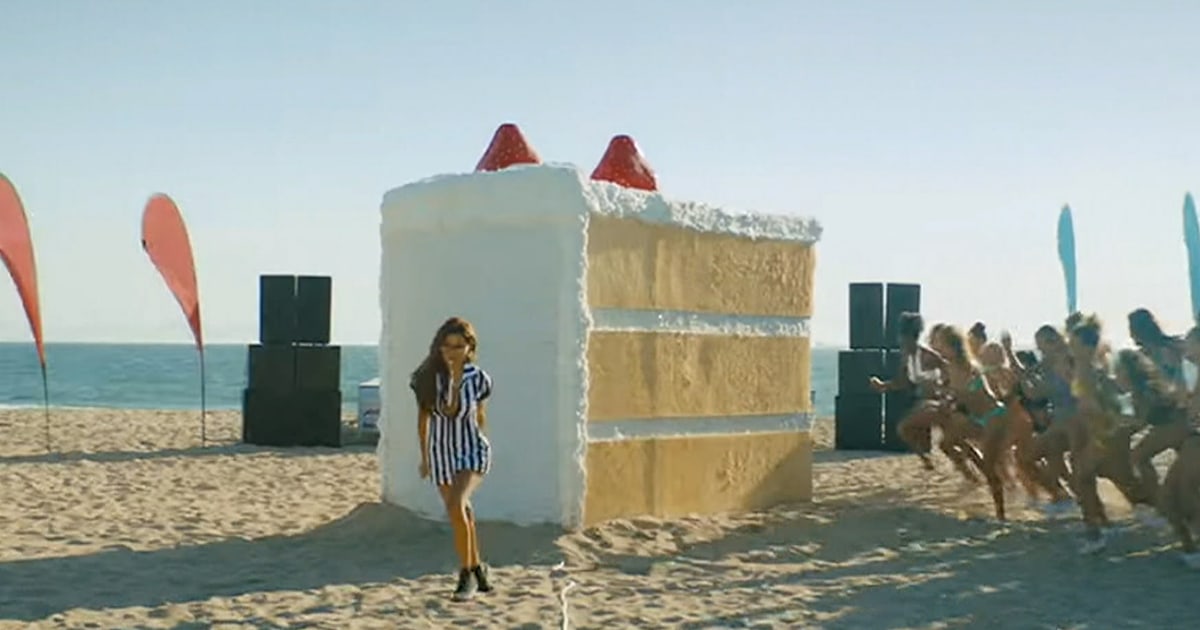
The music video for “Cake by the Ocean” served as the brand’s visual manifesto. Directed by Gigi Hadid and Black Coffee, the video featured a massive cake-throwing contest on a beach. This literal interpretation of the nonsensical title helped solidify the brand’s visual markers: bright colors, chaotic energy, and a retro-summer vibe. For a brand to be successful, its visual communication must match its verbal messaging. The video ensured that whenever a consumer heard the phrase, they visualized the same vibrant, messy, and celebratory imagery.
Leveraging Personal Brand Equity: The Joe Jonas Transition
One of the greatest challenges in branding is “rebranding” a known entity. Joe Jonas, the front man of DNCE, carried the significant brand equity of the Jonas Brothers—a brand associated with purity rings and Disney-adjacent wholesome pop. “Cake by the Ocean” acted as the “disruptor” product needed to pivot his personal brand. It was edgy enough to suggest maturity (given its metaphorical meaning) but playful enough to retain his existing fan base. This transition is a classic example of “Brand Extension,” where an established figure uses a new sub-brand to explore a different market segment without alienating the core audience.

Viral Marketing and the “Sticky” Factor
In the digital age, a brand’s value is often measured by its “stickiness”—how easily it stays in the consumer’s mind and how likely they are to share it. The ambiguity of “Cake by the Ocean” was a primary driver of this viral potential.
The Curiosity Gap in Modern Branding
When “What does DNCE Cake by the Ocean mean?” became a trending search query, it represented a massive win for the brand’s SEO and digital footprint. Brands that provide all the answers upfront often fail to sustain long-term interest. By leaning into a phrase that required explanation, DNCE forced the audience to interact with their story. This interaction—searching for the meaning, discussing it on social media, and sharing the “origin story” of the Swedish mistranslation—turned passive listeners into active brand ambassadors.
Cross-Platform Brand Synergy
The success of the “Cake by the Ocean” brand wasn’t limited to radio. Its rhythmic consistency and catchy hook made it a prime asset for licensing and partnerships. From dessert brands to travel agencies, the song provided a pre-packaged “vibe” that other companies wanted to associate with. This is the pinnacle of brand strategy: when your brand’s core asset (the song) becomes a shorthand for a specific lifestyle or feeling that other brands are willing to pay to use. It transformed from a song title into a lucrative lifestyle brand.
From Mistranslation to Brand Masterclass
The most fascinating aspect of the “Cake by the Ocean” meaning is its origin. The story goes that Swedish producers Mattman & Robin were attempting to refer to the “Sex on the Beach” cocktail but got the words mixed up. Instead of correcting the mistake, the band leaned into it. This is a vital lesson in brand agility.
Turning Mistakes into Brand Assets
Many corporate brands are terrified of mistakes, often over-sanitizing their image to the point of blandness. DNCE did the opposite. By embracing a linguistic error, they injected authenticity into their brand. It felt human, spontaneous, and relatable. In a marketplace where consumers are increasingly skeptical of “perfect” corporate identities, the “Cake by the Ocean” story provided a layer of transparency that felt genuine. It proved that a brand’s “meaning” doesn’t have to be profound to be impactful; it just has to be memorable.
Longevity Through Brand Reinvention
While “Cake by the Ocean” was the entry point, the brand’s survival depended on its ability to evolve. The “meaning” of the song eventually transcended the literal “cake” or the “ocean.” It became a symbol for the band’s entire creative philosophy: “Fun at all costs.” This philosophy allowed them to launch subsequent singles and tours with a pre-established expectation of what the brand stood for. They didn’t just sell a song; they sold an experience.
Conclusion: The Business of “The Vibe”
In the final analysis, “Cake by the Ocean” is a case study in how a brand can capitalize on a singular, distinctive asset to build a global presence. It wasn’t just a mistranslation of a cocktail; it was a strategic pivot point for Joe Jonas, a visual identity anchor for a new musical group, and a viral hook that leveraged the curiosity of millions.
By understanding the “meaning” of the phrase through the lens of brand strategy, we see that its value lies in its ambiguity. It allowed DNCE to define themselves on their own terms, creating a brand that was colorful, slightly irreverent, and undeniably catchy. For any professional looking to build a brand in the modern era, the lesson of DNCE is clear: find your “Cake by the Ocean”—that unique, slightly off-beat hook—and own it with such consistency and visual flair that the world has no choice but to ask what it means. When they ask the question, you’ve already won the brand war.
aViewFromTheCave is a participant in the Amazon Services LLC Associates Program, an affiliate advertising program designed to provide a means for sites to earn advertising fees by advertising and linking to Amazon.com. Amazon, the Amazon logo, AmazonSupply, and the AmazonSupply logo are trademarks of Amazon.com, Inc. or its affiliates. As an Amazon Associate we earn affiliate commissions from qualifying purchases.