
Real estate is often the single largest financial investment an individual or business will ever make. Whether it is the acquisition of a primary residence, the expansion of a commercial portfolio, or the strategic divestment of property assets, the financial stakes are immense. In this high-stakes environment, a real estate lawyer serves as more than just a legal representative; they are a critical architect of financial security and a gatekeeper against fiscal risk. Understanding what a real estate lawyer does is essential for anyone looking to navigate the complexities of property ownership through the lens of personal and business finance.
Protecting Your Largest Financial Asset: The Core Functions of a Real Estate Lawyer
At its core, the work of a real estate lawyer is centered on the protection of equity and the mitigation of financial liability. When a property changes hands, the legal framework surrounding that transaction dictates the long-term viability of the investment.
Contract Drafting and Financial Review
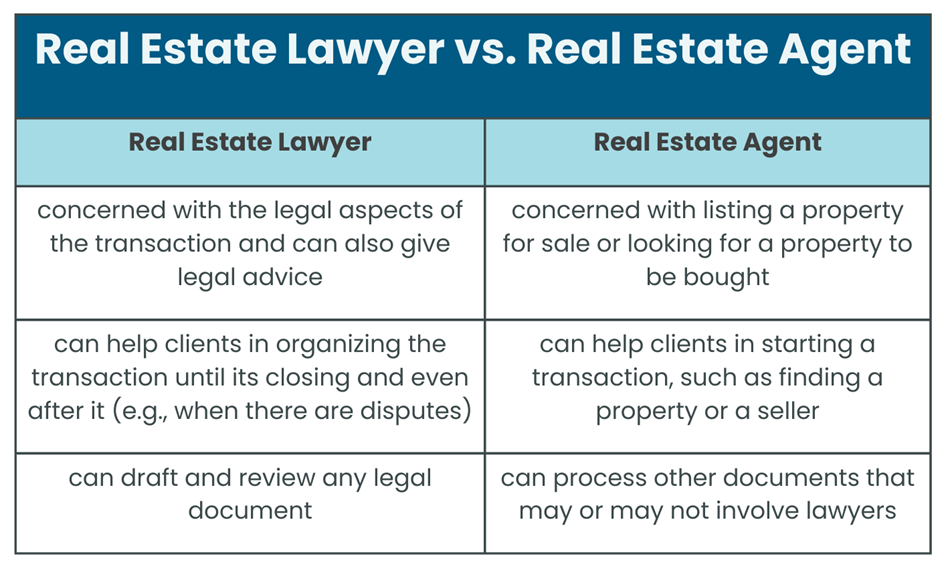
The purchase agreement is the foundational document of any real estate transaction. A real estate lawyer meticulously drafts and reviews these contracts to ensure that the financial terms are favorable and that there are no “hidden” costs. From earnest money deposits to financing contingencies, every clause has a direct impact on the buyer’s or seller’s liquidity. A lawyer ensures that the language protects the client’s capital, allowing for an exit strategy should the financial appraisal fail or if the property inspections reveal costly structural deficits.
Title Searches and Liens: Safeguarding Your Equity
One of the most vital roles a real estate lawyer plays is performing a comprehensive title search. This is a financial safeguard that ensures the seller has the legal right to transfer the property and that the buyer is receiving “clear title.” If a property has undisclosed liens, unpaid property taxes, or judgments against previous owners, these become the financial burden of the new owner. By identifying these encumbrances early, a lawyer prevents the buyer from inheriting someone else’s debt, thereby preserving the investor’s initial capital.
Due Diligence as a Risk Mitigation Tool
Financial due diligence extends beyond the physical structure of a building. A real estate lawyer investigates the “legal health” of the property. This includes checking for building code violations, unpermitted work, or pending litigation that could lead to future fines or a devaluation of the asset. By conducting thorough due diligence, the lawyer provides the client with a true picture of the property’s value, ensuring that the purchase price aligns with the actual financial risk involved.
Navigating Commercial Real Estate and Investment Portfolios
For those focused on building a real estate empire or managing a business-oriented portfolio, the role of a real estate lawyer shifts toward maximizing Return on Investment (ROI) and optimizing tax efficiency.
Structuring Real Estate Investment Trusts (REITs) and LLCs
From a business finance perspective, how a property is held is just as important as the property itself. Real estate lawyers advise investors on the best legal structures—such as Limited Liability Companies (LLCs) or Real Estate Investment Trusts (REITs)—to shield personal assets from property-related liabilities. This separation of assets is a cornerstone of professional wealth management, ensuring that a lawsuit or financial failure at one property does not jeopardize the investor’s entire financial ecosystem.
Zoning and Land Use: Maximizing ROI
The financial value of a piece of land is largely determined by what can be built upon it. Real estate lawyers assist investors in navigating complex zoning laws and land-use regulations. Whether it is rezoning a residential plot for multi-family use or obtaining variances for commercial development, these legal maneuvers can exponentially increase the market value of an asset. This is a strategic financial move that turns raw land or underutilized property into a high-yield investment.
Lease Negotiations for Passive Income Streams
For commercial landlords, the lease agreement is the primary source of cash flow. A real estate lawyer negotiates these leases to ensure steady income and to minimize landlord expenses. By drafting “Triple Net” (NNN) leases, where the tenant covers taxes, insurance, and maintenance, the lawyer helps the investor lock in a predictable net operating income. This level of financial precision is what separates a successful real estate enterprise from a failing one.
The Financial Closing Process: Ensuring Compliance and Accuracy

The “closing” is the climax of the real estate transaction where the legal and financial threads are finally tied together. This process is fraught with complex paperwork that requires the oversight of a legal professional to ensure that funds are handled correctly.
Escrow Management and Fund Distribution
During a real estate transaction, significant sums of money are moved between parties. A real estate lawyer often oversees the escrow process, ensuring that the buyer’s funds are held securely until all conditions of the sale are met. They coordinate with mortgage lenders to ensure that the loan proceeds are applied correctly to the purchase price, payoffs for existing mortgages, and other transactional costs. This ensures that no capital is lost or mismanaged during the transfer.
Tax Implications and Capital Gains Strategies
Every real estate transaction carries tax consequences. A real estate lawyer provides insight into how a sale will affect the client’s tax liability. For sophisticated investors, this might involve facilitating a 1031 Exchange, which allows the investor to defer paying capital gains taxes by reinvesting the proceeds from a sale into a “like-kind” property. This is a powerful tool for compounding wealth over time, and it requires strict adherence to IRS timelines and regulations—oversight that a real estate lawyer provides.
Settlement Statements and Closing Costs
At the closing table, the lawyer reviews the Closing Disclosure or Settlement Statement (often referred to as the HUD-1 in some contexts). This document outlines every penny that is being spent, including loan fees, title insurance premiums, prorated property taxes, and commissions. A lawyer ensures that these fees are accurate and that the client is not being overcharged by lenders or third-party vendors, effectively protecting the client’s bottom line at the final hour.
Dispute Resolution and Protecting Your Bottom Line
Even the most carefully planned financial investments can encounter obstacles. When disputes arise, a real estate lawyer acts as a shield, protecting the client’s financial interests from litigation and loss.
Managing Foreclosure and Debt Restructuring
In times of financial hardship, a real estate lawyer is essential for managing debt obligations. They can negotiate with lenders for loan modifications or short sales, helping owners avoid the total loss of equity associated with foreclosure. For the business owner, this may involve restructuring debt to improve liquidity and keep the business operational.
Adverse Possession and Boundary Disputes
Property value is tied directly to the land’s boundaries. If a neighbor claims a portion of the property through adverse possession or if there is a dispute over an easement, it can diminish the property’s resale value and utility. A real estate lawyer defends the client’s property lines, ensuring that the physical asset remains intact and that the owner’s financial investment is not eroded by external claims.
Breach of Contract Litigation
If a buyer or seller backs out of a deal without legal cause, it can result in significant financial damages, including lost opportunities and sunk costs. Real estate lawyers litigate breach of contract cases to recover deposits or to force the “specific performance” of a contract. This ensures that the time and capital invested in a transaction are not wasted due to the other party’s failure to perform.
The Value Proposition: Why Legal Oversight is a Financial Investment
Many first-time buyers or small-scale investors view legal fees as an unnecessary expense. However, in the realm of personal and business finance, a real estate lawyer should be viewed as an investment rather than a cost.
Preventing Costly Litigation
The cost of hiring a lawyer to review a contract is a fraction of the cost of a multi-year lawsuit resulting from a poorly drafted agreement. By identifying risks before they manifest, a real estate lawyer provides “preventative maintenance” for your finances. They catch the “red flags” in a title or a contract that an untrained eye would miss, saving the client thousands—or even millions—of dollars in future losses.

Streamlining Transactional Efficiency
In the world of finance, time is money. Delays in closing can result in higher interest rates, lost tax advantages, or the expiration of a mortgage commitment. A real estate lawyer streamlines the process, coordinating between brokers, lenders, and title companies to ensure a timely and efficient transfer of assets. This efficiency allows the investor to move their capital into the next opportunity more quickly, maximizing the velocity of their money and increasing overall portfolio growth.
In conclusion, a real estate lawyer is an indispensable partner in the management of property-based wealth. By providing rigorous financial oversight, strategic investment advice, and robust risk mitigation, they ensure that your real estate assets remain a source of security and growth rather than a source of financial liability. Whether you are buying your first home or managing a complex commercial portfolio, the involvement of a real estate lawyer is a fundamental component of sound financial planning.
aViewFromTheCave is a participant in the Amazon Services LLC Associates Program, an affiliate advertising program designed to provide a means for sites to earn advertising fees by advertising and linking to Amazon.com. Amazon, the Amazon logo, AmazonSupply, and the AmazonSupply logo are trademarks of Amazon.com, Inc. or its affiliates. As an Amazon Associate we earn affiliate commissions from qualifying purchases.