
For decades, the sensation of a “blood pressure headache”—that specific, throbbing tightness often associated with a hypertensive crisis—was something described only in clinical settings or whispered in doctor’s offices. Today, the intersection of health and technology has transformed this subjective physical experience into a quantifiable data point. We are no longer reliant solely on a patient’s description of pain; instead, we are entering an era of wearable biometrics, AI-driven diagnostics, and real-time physiological monitoring that can identify, predict, and contextualize what a blood pressure headache actually feels like through the lens of digital architecture.
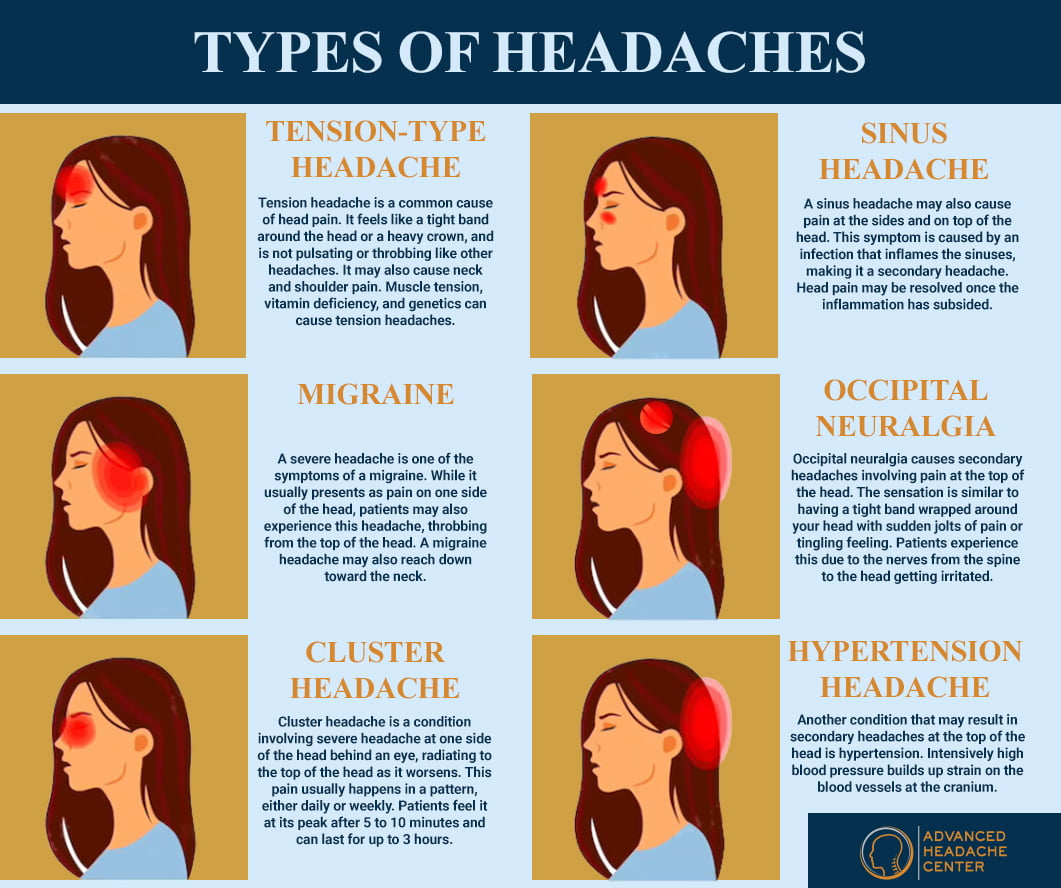
As technology continues to permeate the healthcare sector, the focus has shifted from reactive treatment to proactive monitoring. For tech enthusiasts and developers, the “feeling” of hypertension is now a complex puzzle of sensor accuracy, algorithmic interpretation, and user interface design.
The Digital Signature of Hypertension: Analyzing Physiological Data
To understand how technology interprets a blood pressure headache, we must first look at the digital signature of the condition. In the tech world, symptoms are inputs. A hypertensive emergency, which often causes a characteristic “pulsatile” headache, creates a distinct set of physiological markers that modern sensors are becoming increasingly adept at capturing.
From Sensors to Symptoms: How Wearables Interpret Pressure
The traditional method of measuring blood pressure involves a pneumatic cuff and a stethoscope. However, the tech industry is moving toward “cuffless” monitoring. Using Photoplethysmography (PPG)—the same green-light technology found in most smartwatches—engineers are developing algorithms that can estimate blood pressure by analyzing the pulse wave velocity (PWV).
When a user experiences a blood pressure headache, the internal physical sensation is one of high-velocity blood flow hitting the cranial walls. From a tech perspective, this manifests as a specific waveform in the PPG sensor. Tech companies are refining these sensors to detect the subtle “stiffness” in the arterial walls that precedes the headache, allowing the device to alert the user before the physical pain even begins.
The Role of AI in Pattern Recognition for Chronic Pain
Machine learning (ML) plays a critical role in distinguishing a standard tension headache from one caused by a spike in blood pressure. By processing thousands of data points—including heart rate variability (HRV), sleep quality, and even ambient stress levels—AI models can identify the “cluster” of symptoms that define a hypertensive event.
For the end-user, the “feeling” of the headache is subjective. For the AI, it is a multi-dimensional graph. If the system detects a sharp rise in systolic pressure alongside a drop in HRV, it can categorize the user’s reported “throbbing” sensation as a high-risk event. This synthesis of subjective user input and objective sensor data is the foundation of modern digital diagnostics.
Smart Monitoring Ecosystems: Detecting the Silent Warning Signs
The true power of technology in managing blood pressure lies in the ecosystem. A single device is a tool; a network of devices is a solution. As we explore what a blood pressure headache feels like through tech, we see how different hardware components work in tandem to provide a comprehensive view of vascular health.
The Evolution of Oscillometric Technology in Smart Cuffs
While wrist-based wearables are the “always-on” monitors, the gold standard for tech-driven blood pressure measurement remains the smart oscillometric cuff. Modern iterations, such as those integrated with Apple Health or Google Fit, have moved beyond simple displays. They now feature Bluetooth syncing and cloud-based storage that track fluctuations over months.
These devices allow users to map their headaches against their digital history. When a user logs a “severe, bilateral headache” into an app, the smart cuff provides the necessary context. Is this a common migraine, or does the digital log show a 20% increase in mean arterial pressure over the last hour? This integration removes the guesswork from self-diagnosis.
Continuous Pressure Monitoring: The Next Frontier
The “holy grail” of health tech is continuous, non-invasive blood pressure monitoring (cNIBP). Current tech involves a snapshot in time; however, startups are working on ultrasonic patches that can monitor the pressure of the carotid artery 24/7.
From a technological standpoint, this allows us to see the “shape” of a blood pressure headache as it forms. We can observe the gradual escalation of pressure that leads to the sensation of “fullness” in the head. By visualizing this data in real-time on a smartphone dashboard, the user gains a visual representation of their internal discomfort, turning a frightening physical sensation into a manageable digital metric.

Software Solutions: Apps and Algorithms as Diagnostic Aides
While hardware captures the data, software interprets the experience. The software layer of health technology is where the “feeling” of a headache is translated into actionable insights. This involves complex UI/UX design and sophisticated backend processing.
Mobile Health (mHealth) and the Democratization of Vital Signs
The rise of mHealth apps has democratized access to sophisticated medical tools. Apps like Qardio or Withings Health Mate do more than just store numbers; they provide a narrative of the user’s health. When a user feels that distinct, “heavy” pressure behind the eyes—a common description of hypertensive headaches—these apps provide a feedback loop.
Software developers are now focusing on “symptom tagging.” By using natural language processing (NLP), apps can analyze how users describe their pain. If a user types “throbbing” and “neck stiffness,” the software cross-references this with the latest blood pressure readings. This creates a personalized “pain profile” for the user, helping them understand how their body reacts to specific blood pressure thresholds.
Predictive Analytics: Can Your Phone Forecast a Hypertensive Crisis?
The most exciting development in the tech space is predictive analytics. Using “Big Data,” developers are building models that can predict when a user might experience a blood pressure spike. By analyzing weather patterns (cold weather can increase blood pressure), dietary logs, and activity levels, these systems can send a push notification: “Your risk of a hypertensive event is high today. Monitor for headaches.”
This shifts the experience of a blood pressure headache from a surprise occurrence to a predicted event. In the tech world, this is known as “pre-emptive maintenance” for the human body. By identifying the variables that lead to the “feeling” of high blood pressure, software can help users intervene with medication or lifestyle changes before the physical symptoms manifest.
The Future of Health-Tech: Remote Patient Monitoring (RPM) and Virtual Care
As we look toward the future, the experience of managing high blood pressure is becoming increasingly decentralized. The technology that identifies what a blood pressure headache feels like is no longer confined to the user’s device; it is linked to a global network of healthcare providers.
Integrated Care Platforms and Real-Time Data Sharing
Remote Patient Monitoring (RPM) is a burgeoning sector in the tech industry. For patients with chronic hypertension, their “feeling” of a headache can trigger an automatic alert to their cardiologist’s dashboard. Through secure API integrations, the data flows from the wearable to the electronic health record (EHR) in milliseconds.
This technology changes the stakes of the physical sensation. A blood pressure headache becomes a “trigger event” in a digital workflow. The doctor can see the exact pressure reading at the moment the patient felt the pain, allowing for immediate adjustments to treatment plans via a telehealth consult. This is the pinnacle of tech-integrated care: the narrowing of the gap between symptom and solution.
Ethical Considerations: Data Privacy in Personal Health Tech
As we develop more advanced tech to monitor the physical sensations of hypertension, we must address the “elephant in the room”: data privacy. The feeling of a headache is personal; the data behind it is valuable. The tech industry is currently grappling with how to protect sensitive biometric data while still allowing for the seamless flow of information between devices and doctors.
Blockchain technology and decentralized identifiers (DIDs) are being explored as ways to give users total control over their blood pressure data. In this future, you own the “digital twin” of your cardiovascular system. You decide who sees the data that defines your blood pressure headache, ensuring that while technology helps you feel better, it doesn’t compromise your digital security.

Conclusion: The Convergence of Sensation and Simulation
The question of “what does a blood pressure headache feel like” is being answered in new ways by the tech industry. It feels like a spike on a graph; it feels like a haptic vibration on a wristband; it feels like a predictive alert on a smartphone. By translating the subjective experience of pain into the objective language of data, technology is providing us with the tools to master our health.
We are moving away from a world where we must guess at the meaning of our physical sensations. Through the lens of tech—utilizing advanced sensors, AI, and integrated software—we are gaining a high-definition view of our internal biology. The blood pressure headache, once a “silent killer,” is now a loud, clear, and manageable digital signal. For the tech-forward individual, the future of health is not just about living longer; it is about having the data-driven insights to live better, one pulse at a time.
aViewFromTheCave is a participant in the Amazon Services LLC Associates Program, an affiliate advertising program designed to provide a means for sites to earn advertising fees by advertising and linking to Amazon.com. Amazon, the Amazon logo, AmazonSupply, and the AmazonSupply logo are trademarks of Amazon.com, Inc. or its affiliates. As an Amazon Associate we earn affiliate commissions from qualifying purchases.