
For most individuals and business entities, real estate represents the single largest financial commitment they will ever make. Whether it is the purchase of a first home, the acquisition of a commercial storefront, or the expansion of a multi-state investment portfolio, the capital involved is significant. In this high-stakes environment, a real estate lawyer acts as more than just a legal advisor; they are the financial gatekeepers of the transaction.
While many perceive legal fees as an added expense, the role of a real estate lawyer is fundamentally rooted in wealth preservation and risk mitigation. By ensuring that title is clear, contracts are equitable, and financial obligations are transparent, these professionals protect the investor from catastrophic losses. This article explores the multifaceted financial functions real estate lawyers perform to safeguard your assets and maximize the value of your property investments.
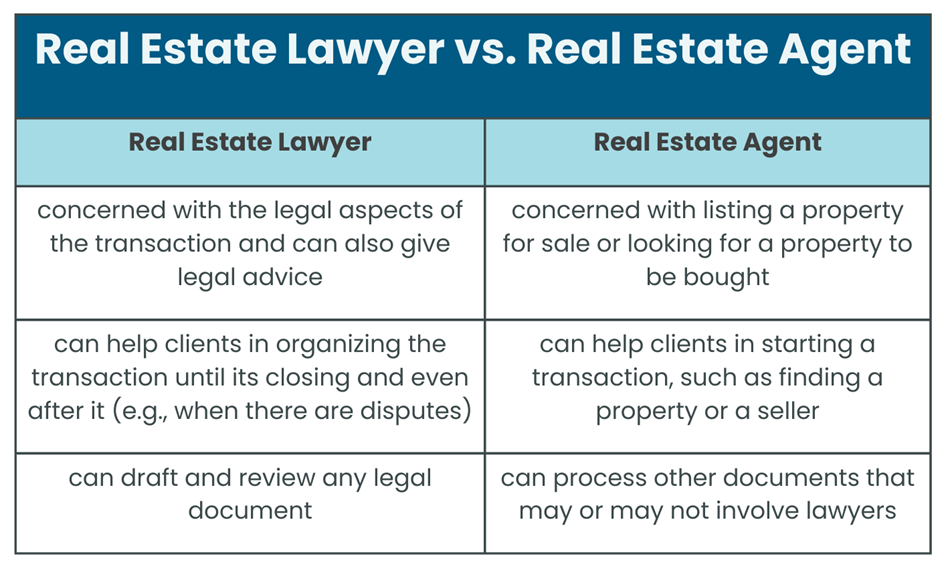
The Financial Safeguard: Why Real Estate Lawyers are Essential for Personal Finance
In the realm of personal finance, real estate is often viewed as a vehicle for building equity and long-term wealth. However, without proper legal oversight, a property can quickly transform from an asset into a liability. Real estate lawyers serve as the first line of defense against financial irregularities that could jeopardize an individual’s net worth.
Due Diligence and Title Protection
One of the most critical financial services a lawyer provides is the title search. From a money perspective, “title” represents your ownership stake and your right to sell the asset later. A lawyer meticulously reviews public records to ensure there are no undisclosed liens, unpaid property taxes, or judgments against the property. If you purchase a property with an existing lien—such as a previous owner’s unpaid contractor debt—you could become financially responsible for that debt. By clearing these hurdles before the money changes hands, the lawyer ensures your investment starts on a clean slate.
Reviewing the Fine Print: Escrow and Closing Costs
The “closing” of a real estate deal is where the most significant transfer of wealth occurs. Real estate lawyers review the Closing Disclosure and the ALTA Settlement Statement to ensure that every dollar is accounted for. They verify that the prorated property taxes, homeowner association (HOA) fees, and transfer taxes are calculated correctly. Errors in these documents are common, and without a legal eye to catch them, a buyer or seller could lose thousands of dollars in unnecessary fees or miscalculated credits.
Mitigating Risk in Commercial and Residential Real Estate Investing
For the professional investor, real estate is about Return on Investment (ROI). Every delay, every zoning restriction, and every poorly drafted clause has a direct impact on the bottom line. Real estate lawyers specialize in identifying these financial friction points before they erode the profitability of a deal.
Navigating Zoning and Land Use for Maximum ROI
The value of a piece of land is often determined by what you are legally allowed to do with it. A real estate lawyer assists investors in navigating complex zoning laws and land-use regulations. For instance, if an investor purchases a residential lot with the intention of converting it into a multi-family unit to increase rental income, the lawyer handles the petitions for variances or rezoning. By securing these permissions, the lawyer directly increases the potential cash flow and market value of the investment.
Contract Negotiation as a Wealth Preservation Tool
In real estate, “standard” contracts rarely favor the party with the most to lose. Lawyers negotiate “contingencies” that act as financial exit ramps. If a home inspection reveals a structural defect that would cost $50,000 to repair, a lawyer-drafted contingency allows the buyer to either back out with their earnest money intact or negotiate a price reduction. In the context of business finance, this negotiation ensures that the investor does not overpay for a “lemon” property, thereby preserving capital for future opportunities.
The Legal Framework of Real Estate Financing and Debt Management

Most real estate transactions involve significant leverage. The terms of that debt can be the difference between a successful investment and financial ruin. Real estate lawyers work closely with lenders and borrowers to ensure that the financing structure aligns with the client’s long-term financial goals.
Analyzing Mortgage Agreements and Loan Terms
For the average borrower, a mortgage contract is an impenetrable thicket of legalese. A lawyer deconstructs these documents to identify predatory terms, such as excessive prepayment penalties or hidden adjustable-rate triggers. In commercial finance, they review “non-recourse” clauses, which can protect an investor’s personal assets if the property fails to generate enough income to cover the debt. By optimizing the terms of the debt, the lawyer helps the client maintain a healthier debt-to-equity ratio.
Foreclosure Prevention and Financial Restructuring
When financial tides turn, real estate lawyers become essential for debt management. They represent owners in negotiations with banks for loan modifications, short sales, or deeds-in-lieu of foreclosure. These maneuvers are designed to minimize the impact on the individual’s or company’s credit score and to prevent the total loss of invested capital. By restructuring the financial obligations tied to a property, the lawyer provides the client with the breathing room necessary to stabilize their finances.
Asset Protection and Tax Implications in Real Estate Law
Wealth management involves more than just acquiring assets; it involves keeping them. Real estate lawyers play a pivotal role in structuring ownership in a way that minimizes tax exposure and protects the property from future creditors or legal judgments.
Entity Formation for Property Portfolios (LLCs and Trusts)
Savvy investors rarely hold real estate in their own names. A real estate lawyer advises on the formation of Limited Liability Companies (LLCs) or Land Trusts. From a money management perspective, this creates a “firewall” between the property and the individual. If a tenant is injured on the property and sues, the owner’s personal savings and other investments are generally shielded from the judgment. This structural advice is a cornerstone of sophisticated financial planning.
Capital Gains and Tax-Advantaged Transfers
The tax implications of selling real estate can be staggering. Lawyers assist clients with mechanisms like the 1031 Exchange, which allows an investor to defer paying capital gains taxes by reinvesting the proceeds from a sale into a “like-kind” property. By facilitating these complex transactions, the lawyer helps the client keep more of their money working in the market rather than losing a significant percentage to the IRS. Furthermore, they assist in estate planning, ensuring that property is transferred to heirs in the most tax-efficient manner possible.
Calculating the Value: Legal Fees vs. Long-Term Financial Security
A common concern among property buyers is the cost of hiring a lawyer. However, when viewed through the lens of business finance and personal wealth management, the cost of legal representation is often negligible compared to the risks involved in a “DIY” transaction.
Budgeting for Legal Expenses in a Property Transaction
Legal fees should be viewed as an insurance premium. In a typical residential closing, the legal fee might represent less than 0.5% of the total purchase price. However, the value provided—detecting a $10,000 tax lien or negotiating a $5,000 repair credit—often exceeds the fee itself. In commercial deals, the value is even more pronounced, as lawyers identify “hidden” costs in leases and purchase agreements that could cost the business hundreds of thousands of dollars over the life of the investment.

The Opportunity Cost of Legal Errors
The true “cost” of not hiring a real estate lawyer is often realized years after the purchase. If a property is bought with a title defect that prevents a future sale, the owner faces a massive opportunity cost. They may be unable to liquidate the asset to fund a child’s education, start a new business, or retire. By ensuring “marketability of title,” a real estate lawyer ensures that your investment remains liquid and that your financial path remains unobstructed.
In conclusion, real estate lawyers are indispensable partners in the journey of wealth creation and preservation. They do not merely “push paper”; they audit the financial integrity of your deals, negotiate the terms of your debt, shield your assets from liability, and optimize your tax position. In the complex world of money and investing, having a real estate lawyer on your side is one of the smartest financial moves you can make.
aViewFromTheCave is a participant in the Amazon Services LLC Associates Program, an affiliate advertising program designed to provide a means for sites to earn advertising fees by advertising and linking to Amazon.com. Amazon, the Amazon logo, AmazonSupply, and the AmazonSupply logo are trademarks of Amazon.com, Inc. or its affiliates. As an Amazon Associate we earn affiliate commissions from qualifying purchases.