
The passing of Frankie Beverly, the legendary frontman of Maze, marks more than just the end of an era in soul and R&B music; it represents the conclusion of one of the most disciplined and successful personal branding case studies in the history of the entertainment industry. While the public often focuses on the clinical details surrounding the loss of such a figure, brand strategists and corporate identity experts view Beverly’s career as a blueprint for long-term brand equity, visual consistency, and audience loyalty.
Frankie Beverly did not just lead a band; he curated a cultural institution. Over five decades, he maintained a level of brand integrity that few modern corporations can emulate. His death prompts a necessary discussion on how a personal brand transitions into a legacy brand and the strategic elements that allowed his identity to remain relevant across generations without the need for constant reinvention or modern marketing gimmicks.
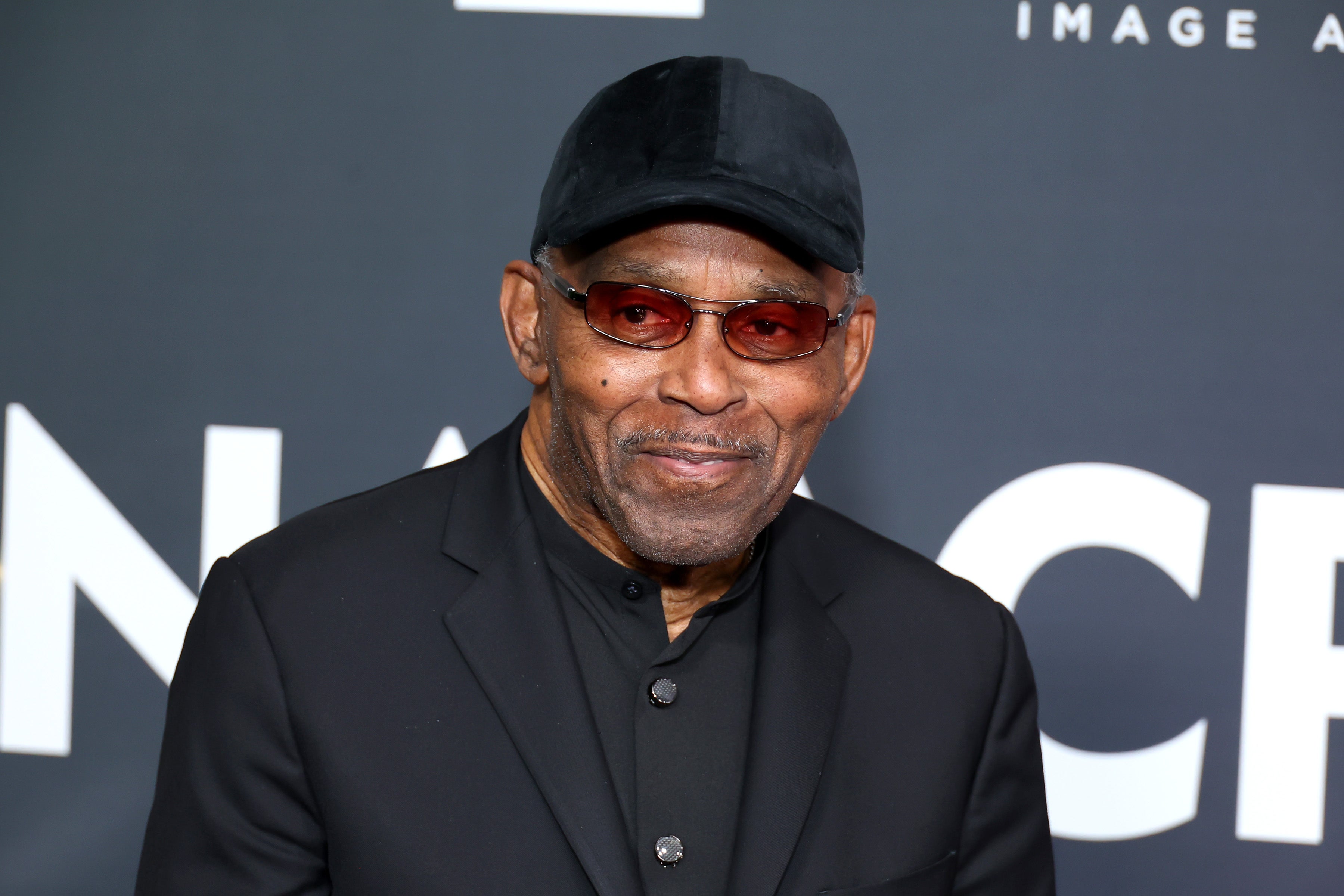
The Power of Visual Consistency: The All-White Uniform as a Brand Asset
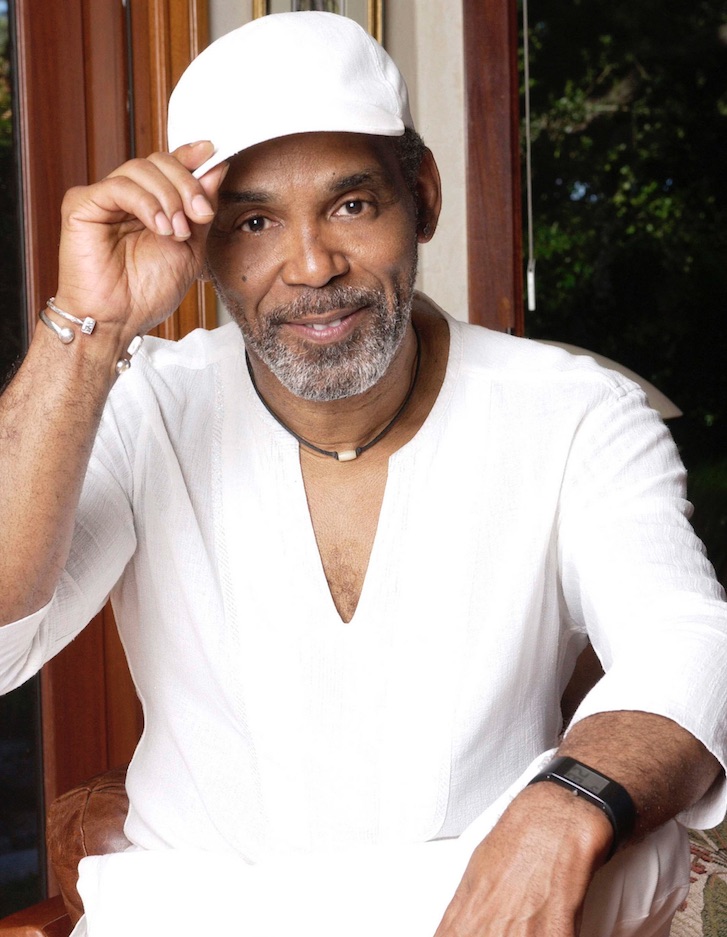
In the world of brand strategy, visual identity is the primary driver of recognition. For Frankie Beverly, the “all-white” attire was not merely a fashion choice; it was a sophisticated brand asset that signaled purity, celebration, and unity. Just as Apple is synonymous with minimalist hardware design or Coca-Cola with its specific shade of red, Frankie Beverly was synonymous with the white captain’s hat and matching ensemble.
Creating a Recognizable Brand Asset
Most artists feel the pressure to evolve their “look” with every album cycle to stay “on-trend.” Beverly took the opposite approach: he doubled down on a singular visual theme. By wearing all white for nearly half a century, he eliminated the friction of brand identification. When a fan saw a sea of people in white at a venue, they didn’t need to see a billboard to know who was performing. This level of visual saturation created a “trademarked experience” that was owned entirely by the Maze brand. This consistency lowered the cost of marketing because the brand identity was self-sustaining.
The Psychology of Uniformity in Audience Connection
From a psychological perspective, Beverly’s uniform served as an invitation for his audience to join the brand. The “All-White Affair” became a standard event format across the globe, inspired by his personal brand. By adopting a uniform, he encouraged his followers to do the same, effectively turning his customers (fans) into brand ambassadors. This is the pinnacle of corporate identity: when the consumer willingly adopts the brand’s visual markers to feel a sense of belonging to a community.
Building Community Through Brand Experience: The Maze Ritual
One of the hardest achievements in brand strategy is moving a customer from a “transactional” relationship to a “communal” one. Most businesses struggle to keep customers engaged beyond the point of purchase. Frankie Beverly and Maze mastered the art of “The Ritual,” ensuring that the brand experience was consistent, predictable, and emotionally resonant.
Emotional Loyalty vs. Transactional Consumption
In modern marketing, we often talk about the “Lifetime Value” (LTV) of a customer. Beverly’s brand LTV was astronomical because he didn’t sell songs; he sold an emotional state. His music—characterized by themes of “Joy and Pain”—mirrored the human experience. By staying true to a specific sonic signature, he ensured that his “brand voice” never wavered. Fans didn’t go to a Maze show to hear “new” sounds; they went to re-experience a specific emotional brand promise. This predictability is what builds “Relational Loyalty,” where the consumer feels the brand is a part of their personal identity.
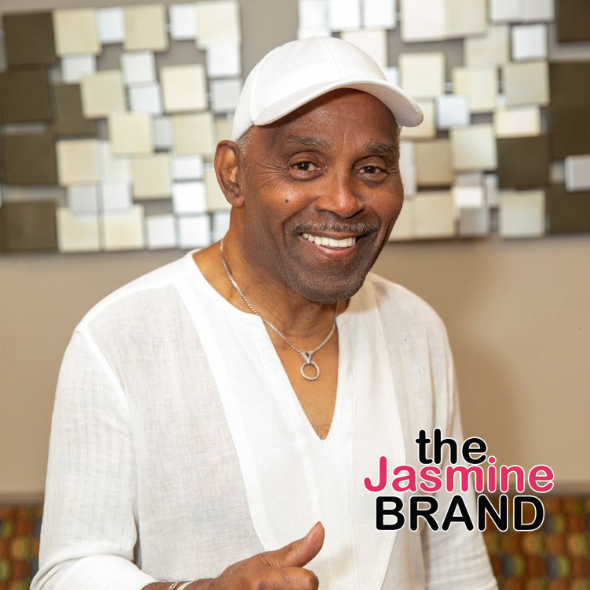
The “Cookout” Brand: Niche Targeting at Scale
In the corporate world, brands often fail when they try to be everything to everyone. Frankie Beverly understood the power of niche targeting. He became the quintessential sound of the “Black American Summer,” specifically the family reunion and the cookout. By dominating this specific cultural niche, he built a “moat” around his brand. Other artists might have had more radio hits, but none could displace Beverly from his position as the “Chief Operating Officer of Community Celebration.” This is a lesson in market positioning: it is better to be the undisputed leader of a specific niche than a generic player in a crowded market.
Transitioning the Brand After the Passing of a Visionary
The death of a founder is a critical “brand risk” for any organization. Whether it is Steve Jobs at Apple or Frankie Beverly with Maze, the question remains: Can the brand survive the loss of its human face? The transition from a “live brand” to a “legacy brand” requires a shift in strategy from performance to preservation.
Managing Brand Equity Post-Mortem
The brand equity of Frankie Beverly is tied to the catalog of music and the intellectual property of the “Maze” name. To maintain this equity, the brand must now focus on curation. This involves high-quality reissues, strategic licensing in film and media, and potentially digital experiences that keep the music in the public consciousness. The goal is to ensure that the “brand promise” of joy and unity continues to be delivered, even if the primary delivery vehicle (the man himself) is no longer present.
The Role of Estate Strategy in Protecting Brand Integrity
A significant part of a celebrity’s “Money” and “Brand” overlap in their estate. For Beverly, protecting the brand means ensuring that his image and music are not diluted by low-quality collaborations or out-of-character endorsements. Professional brand management after a founder’s death requires a strict set of brand guidelines—what the brand will and will not do. If the estate allows the Maze brand to be used in a way that contradicts its “soulful, communal” roots, the brand equity will quickly erode. Maintaining the “Premium Legacy” status requires saying “no” to opportunities that offer short-term financial gain but long-term brand damage.
Lessons for Modern Personal Brands: Authenticity and Longevity
In an era of viral TikTok trends and “disposable” fame, Frankie Beverly’s career offers a stark contrast. He proved that authenticity and a refusal to chase trends can lead to a more sustainable and profitable brand than constant adaptation.
Resisting Market Trends to Preserve Core Identity
During the 1980s and 90s, music underwent massive technological shifts—from disco to synth-pop to hip-hop. Many of Beverly’s contemporaries tried to change their sound to fit the “New Jack Swing” or “Electronic” eras, often with disastrous results for their brand clarity. Beverly resisted. He kept the live instruments, the soulful arrangements, and the authentic vocal delivery. By refusing to pivot, he became a “Classic” brand. In branding, a “Classic” is a product that is perceived as being above the fashion cycle. This positioning allowed him to sell out arenas for 50 years without a single “Top 40” hit on modern pop radio.
Legacy as the Ultimate ROI
The ultimate Return on Investment (ROI) for a personal brand is the creation of a legacy that outlives the individual. Frankie Beverly’s death “of” natural causes or illness is a footnote to the larger story of what he built. He built a brand that functioned as a cultural utility. For businesses, the lesson is clear: focus on the “Brand Soul.” If you build something that provides genuine value and emotional connection to a community, your brand becomes recession-proof and, eventually, immortal.
In conclusion, the story of Frankie Beverly is a masterclass in professional branding. Through visual consistency, niche dominance, and an unwavering commitment to his core identity, he created a corporate identity that transcended the music industry. As we reflect on his passing, we see the transition of a man into a monument—a brand that will continue to signify joy, pain, and the enduring power of a “Golden Time of Day” for decades to come. Strategies may change, and technologies may evolve, but the fundamental principles of the Frankie Beverly brand—authenticity, consistency, and community—remain the gold standard for anyone looking to build a brand that lasts.
aViewFromTheCave is a participant in the Amazon Services LLC Associates Program, an affiliate advertising program designed to provide a means for sites to earn advertising fees by advertising and linking to Amazon.com. Amazon, the Amazon logo, AmazonSupply, and the AmazonSupply logo are trademarks of Amazon.com, Inc. or its affiliates. As an Amazon Associate we earn affiliate commissions from qualifying purchases.