
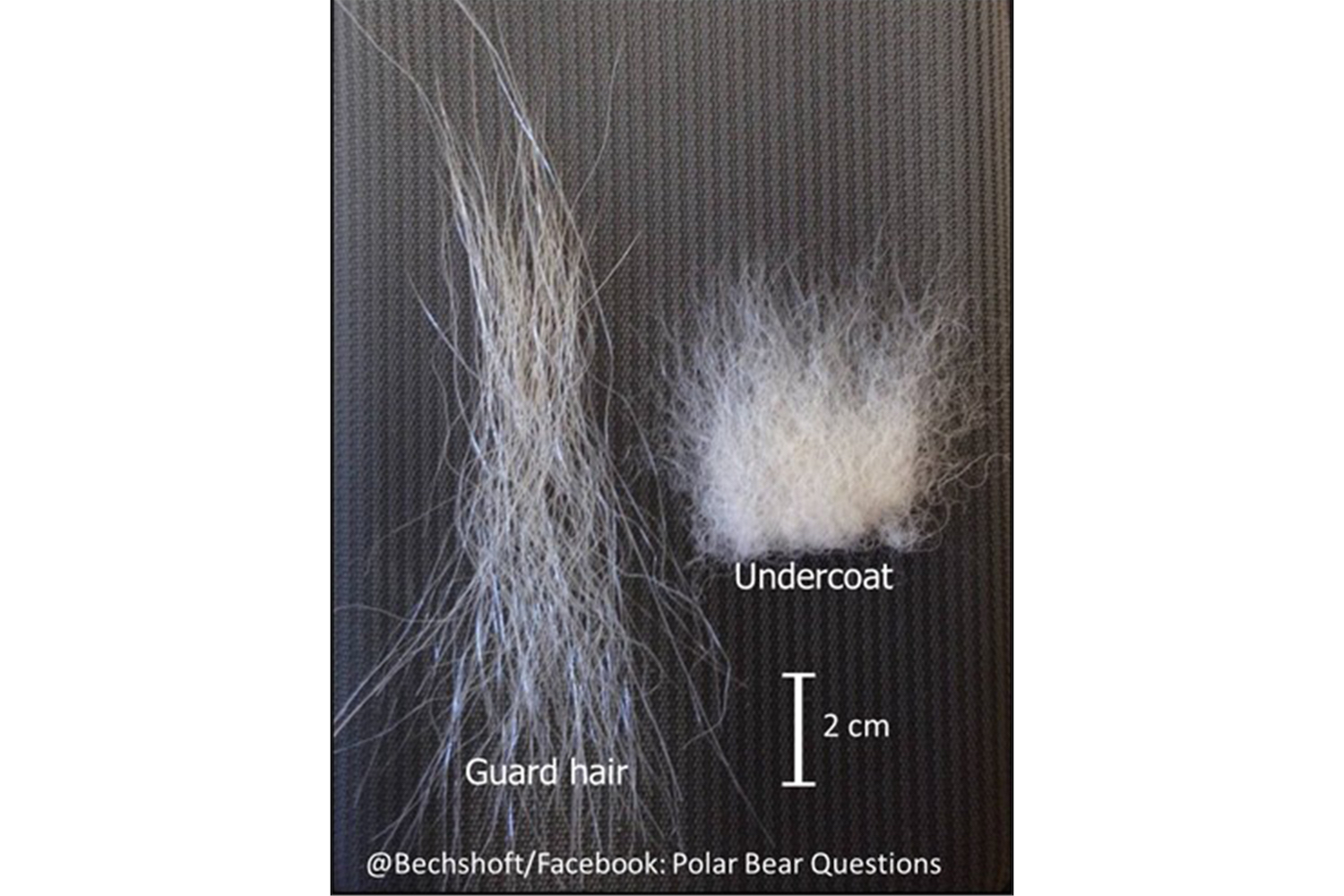
To the casual observer, the answer to the question “What color is a polar bear’s fur?” seems obvious: white. However, in the realms of biological physics and material science, the answer is far more complex and provides a groundbreaking blueprint for the future of technology. A polar bear’s fur is not white; it is actually pigment-free and transparent. Each individual hair is a hollow, clear tube that scatters light, creating the optical illusion of white.
This biological masterpiece of engineering has become a focal point for innovators in the tech sector. From the development of advanced fiber optics to the creation of next-generation thermal stealth materials, the “technology” behind a polar bear’s coat is driving a new era of biomimetic design. By understanding how these animals manage light and heat in one of the Earth’s most extreme environments, tech companies are unlocking solutions for energy efficiency, digital imaging, and high-speed data transmission.
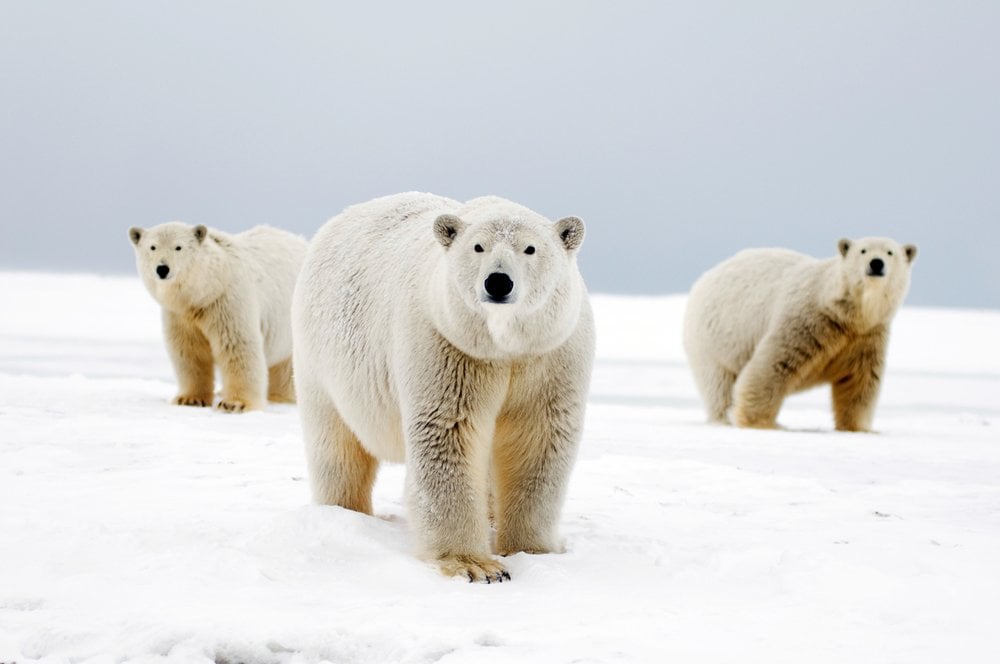
The Illusion of White: How Biological Optics Inform Sensor Technology
The perceived whiteness of a polar bear is a result of “luminescence scattering.” Because the hairs are hollow and translucent, they reflect and scatter visible light in every direction. This is the same physical phenomenon that makes clouds and snow appear white. In the world of technology, this natural mechanism is providing vital insights into the development of advanced sensors and digital imaging.
Light Scattering and High-Precision Digital Imaging
In the field of digital photography and satellite imaging, “noise” and light interference are constant hurdles. Engineers are currently studying the microscopic structure of polar bear hair to develop new types of optical filters. By replicating the way these hollow tubes diffuse light, tech firms can create sensors that manage glare more effectively. This has massive implications for autonomous vehicles, which rely on LiDAR and camera systems to “see” through harsh weather conditions like fog or heavy snow. By applying the principles of polar bear fur optics, these sensors can be tuned to filter out specific wavelengths while maintaining high visibility in low-contrast environments.
The “Black Skin” Secret and Thermal Absorption
Beneath that translucent fur lies jet-black skin. The fur acts as a sophisticated solar collector, allowing UV light to pass through the hollow tubes and hit the black skin, which absorbs the heat. This biological “greenhouse effect” is being mirrored in the development of solar energy technology. Innovative tech startups are experimenting with “translucent insulation” for solar panels, using materials that mimic the hollow structure of bear hair to trap heat more efficiently while allowing light to penetrate. This bio-inspired tech could potentially increase the efficiency of solar arrays in colder, high-latitude regions where traditional panels struggle to maintain optimal temperatures.
Biomimicry: Applying Hollow Fiber Architecture to Fiber Optics
The structure of a polar bear’s hair is remarkably similar to the fiber optic cables that power our global internet. Each strand of fur functions as a light pipe, guiding photons toward the skin. This realization has sparked a wave of innovation in telecommunications and material science, where “hollow-core” technology is the next frontier.
Enhancing Data Transmission through Micro-Structures
Standard fiber optic cables use solid glass cores, which can lead to signal degradation and latency over long distances. Tech researchers are looking at the hollow architecture of polar bear fur to refine “Hollow-Core Fiber” (HCF) technology. In HCF, light travels through air-filled channels rather than solid glass. This reduces the refractive index and allows data to travel at speeds nearly 50% faster than traditional cables. By studying how nature evolved these hollow tubes to be both durable and light-conductive, engineers are finding ways to make HCF more resilient and easier to manufacture at scale.
Insulation Tech: From Arctic Survival to Data Center Cooling
The thermal properties of polar bear fur are not just about staying warm; they are about managing energy. The hollow hairs provide an incredible layer of insulation by trapping air, one of the best natural insulators. This concept is being integrated into the “Green Tech” sector, specifically in the design of energy-efficient data centers. Servers generate immense amounts of heat, and cooling them is a major environmental and financial cost. New hardware housing materials are being developed using biomimetic “hollow-fiber” composites that provide superior thermal management, reducing the energy required for fans and liquid cooling systems.
Invisible Threats: Polar Bears and the Evolution of Stealth Tech
One of the most fascinating aspects of polar bear biology is their “invisibility” to infrared (thermal) cameras. Despite being massive mammals with high body temperatures, polar bears radiate almost no heat outward; their fur is such an efficient insulator that they blend perfectly into the thermal background of the Arctic. This has profound implications for the defense and security technology sectors.
Infrared Camouflage and Military Applications
Modern military technology relies heavily on thermal imaging to detect targets. The ability of polar bear fur to suppress infrared radiation has led to the development of “Quantum Stealth” materials—thin, light-bending fabrics that make objects or personnel invisible to thermal sensors. By replicating the specific microscopic spacing and hollow geometry of the bear’s fur, tech developers are creating synthetic skins that can mask the heat signature of engines, drones, and even buildings. This isn’t just about hiding; it’s about advanced heat signature management that prevents electronic detection in high-stakes environments.
The Future of Passive Solar Harvesting
Beyond stealth, this heat-trapping capability is being utilized in “Passive Tech” for architecture. Smart-city developers are looking at “Polar Bear Glass”—windows that incorporate micro-replicated hollow structures within the panes. During the winter, these windows act like polar bear fur, pulling in solar radiation and trapping it within the building’s thermal mass to reduce heating costs. In the summer, the structure can be “tuned” to reflect infrared light, keeping the interior cool. This dual-use technology represents a massive leap in sustainable urban design, powered entirely by the logic of Arctic evolution.
Software Modeling and the Simulation of Biological Structures
The complexity of a polar bear’s coat—comprising thousands of individual light-scattering tubes—is a nightmare to render in digital spaces. However, the push for realism in software has led to breakthroughs in how AI and graphics engines handle light.
Rendering Realistic Textures in AI and CGI
In the world of high-end CGI and gaming, “subsurface scattering” is the gold standard for realism. To accurately depict materials like skin, wax, or polar bear fur, software engineers have had to develop complex algorithms that simulate how light enters a surface, bounces around, and exits at a different point. The study of polar bear fur has directly influenced these software models. Leading tech firms like NVIDIA and Adobe use “path-tracing” technology that mimics the physics of light within hollow fibers to create more realistic virtual environments. This level of simulation is now being used in AI training to help computer vision systems better understand and identify complex materials in the real world.
Predictive Analysis for Evolutionary Adaptation
Finally, the tech world is using Big Data and machine learning to project how the polar bear’s unique biological “technology” might adapt to climate change. Using high-resolution environmental data, researchers are building digital twins of Arctic ecosystems. These models analyze the structural integrity of the bear’s fur under varying humidity levels and temperatures caused by melting ice. This data is invaluable not just for conservation, but for materials science; it helps engineers understand the failure points of biomimetic materials when exposed to environmental stress, leading to more durable “weather-proof” tech for consumer gadgets and industrial equipment.

Conclusion: The Arctic Blueprint for the Future
The question “What color is a polar bear’s fur?” serves as a gateway into a world of high-tech exploration. What we once perceived as a simple white coat is actually a masterclass in optical physics, thermal engineering, and material science. By moving beyond the surface level and examining the hollow, transparent reality of the polar bear’s anatomy, the technology industry is finding answers to some of its most pressing challenges.
Whether it is through the development of ultra-fast fiber optic cables, the creation of thermal-stealth fabrics, or the engineering of next-generation solar collectors, the polar bear remains one of our most important “tech consultants.” As we continue to bridge the gap between biology and digital innovation, the lessons learned from the frozen north will continue to illuminate the path toward a more efficient, advanced, and sustainable technological future. Nature has spent millions of years perfecting its hardware; it is now up to our software and engineering to keep pace.
aViewFromTheCave is a participant in the Amazon Services LLC Associates Program, an affiliate advertising program designed to provide a means for sites to earn advertising fees by advertising and linking to Amazon.com. Amazon, the Amazon logo, AmazonSupply, and the AmazonSupply logo are trademarks of Amazon.com, Inc. or its affiliates. As an Amazon Associate we earn affiliate commissions from qualifying purchases.