
In the modern marketplace, a brand is no longer defined solely by the products it sells or the services it renders. Instead, a brand is a living entity, characterized by its values, its voice, and its alignment with global social movements. For brand strategists and marketing executives, the month of May presents a unique and dense calendar of opportunities to demonstrate corporate identity. When consumers ask, “What awareness month is May?” they are met with a multifaceted answer that includes Mental Health Awareness, Asian American and Pacific Islander (AAPI) Heritage, and Small Business Month, among others.
For a brand, these are not merely dates on a calendar; they are strategic touchpoints. Navigating these observances requires more than a simple logo change or a scripted social media post. It requires an integrated brand strategy that balances sensitivity with commercial goals, ensuring that the brand’s participation is perceived as authentic rather than performative.
The Strategic Intersection of Corporate Identity and May Awareness Initiatives
May is arguably one of the most significant months for cause-driven marketing. The convergence of several high-profile awareness initiatives allows brands to showcase different facets of their corporate identity. However, the challenge lies in selecting which causes align most closely with the brand’s core mission.
Mental Health Awareness Month: A Catalyst for Human-Centric Branding
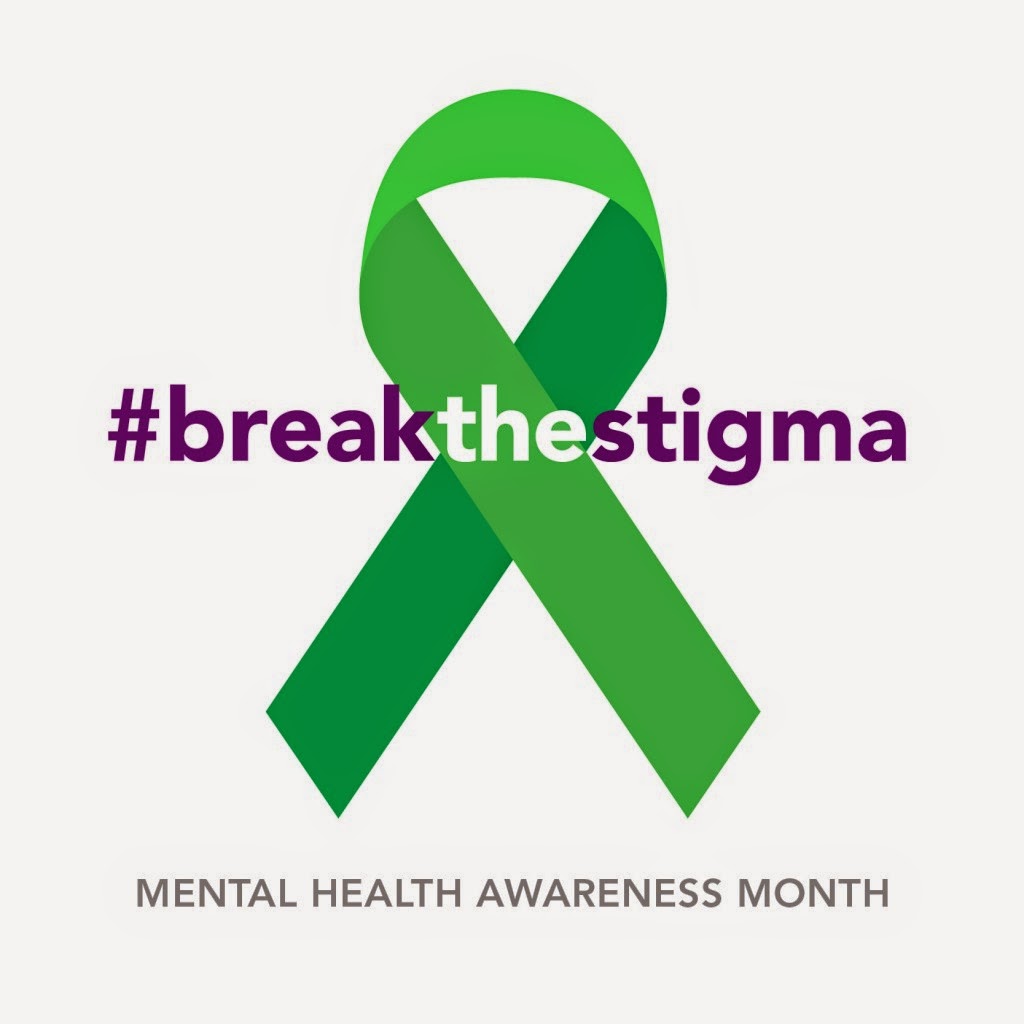
Since 1949, May has been observed as Mental Health Awareness Month. In the current corporate climate, where “hustle culture” is being scrutinized and “quiet quitting” has become a buzzword, how a brand addresses mental health says a lot about its internal culture and external empathy.
From a brand strategy perspective, engaging with Mental Health Awareness Month allows a company to humanize itself. For B2B companies, this might mean publishing white papers on workplace wellness; for B2C companies, it might involve partnerships with mental health non-profits. The goal is to move from being a faceless corporation to a supportive ally. This builds “Brand Affinity,” a state where customers feel a deep emotional connection to the brand because they believe the brand cares about their well-being.
Asian American and Pacific Islander (AAPI) Heritage Month: Authentic Representation
May is also AAPI Heritage Month, a time to celebrate the contributions and influence of Asian Americans and Pacific Islanders to the history and culture of the United States. For global brands, this is a critical moment for cultural branding.
Strategic branding during AAPI month shouldn’t be about “target marketing” in the traditional, clinical sense. Instead, it should be about storytelling. Brands that succeed in this niche use their platforms to highlight AAPI creators, employees, and innovators. The risk here is “tokenism”—using a minority group’s identity to boost sales without providing actual value or representation. Authentic branding involves long-term investments in these communities, such as diversifying supply chains or establishing scholarship funds, which can then be highlighted during May.
Building Community Trust Through Values-Based Campaigns
The modern consumer—particularly Gen Z and Millennials—vets brands based on their social footprints. May offers two specific observances that allow brands to build trust through action-oriented marketing: Global Accessibility Awareness Day and Small Business Month.
Global Accessibility Awareness Day (GAAD): Prioritizing Inclusive Design
Falling on the third Thursday of May, GAAD is a pivotal moment for tech-adjacent brands and digital marketers. Accessibility is often treated as a compliance checklist, but in terms of brand strategy, it is a hallmark of “Inclusive Branding.”
When a brand highlights its commitment to digital accessibility in May, it communicates that it values all customers equally. This involves auditing digital touchpoints—websites, apps, and social content—to ensure they are usable by people with different disabilities. A brand that champions accessibility positions itself as a forward-thinking leader in User Experience (UX) and social equity. This creates a powerful narrative of innovation driven by empathy.
Small Business Month: Brand Partnerships and Local Economic Empowerment
While many large corporations dominate the landscape, May is also officially recognized as National Small Business Month. For larger brands, this is a prime opportunity for “Ecosystem Branding.”
Large enterprises can strengthen their own brand equity by supporting the smaller players within their orbit. For instance, a major financial institution might launch a campaign featuring the success stories of the small businesses it helps fund. A software giant might offer free training sessions for boutique agencies. By positioning themselves as “enablers” of the small business economy, these larger entities build a brand identity rooted in stability, support, and community growth.
Best Practices for Authentic Cause-Marketing in May
Identifying “what awareness month is May” is only the first step. The execution phase determines whether the campaign will enhance the brand’s reputation or cause a PR crisis. Authentic cause-marketing requires a shift from “selling” to “serving.”
Moving Beyond the Logo Swap: Long-Term Commitment
One of the most common pitfalls in brand strategy is the “temporary alliance.” This is when a brand adopts the aesthetics of an awareness month—such as using green ribbons for mental health or specific motifs for AAPI month—only to revert to business as usual on June 1st.
To maintain brand integrity, the initiatives launched in May must have a through-line to the rest of the year. If a brand advocates for mental health in May but has a reputation for high-stress, toxic work environments, the disconnect will be exposed by employees and savvy consumers. Strategic branding requires “Institutional Integrity,” where the external message matches the internal reality.
Measuring the Impact of Awareness-Driven Brand Strategy
How does a brand measure the success of an awareness campaign? While traditional metrics like engagement rates, impressions, and click-throughs are important, they don’t tell the whole story of brand sentiment.
Marketers should look at “Share of Voice” and “Sentiment Analysis.” Are people talking about the brand more favorably because of its May initiatives? Is the brand being mentioned in conversations regarding social responsibility? More importantly, brands should track long-term loyalty metrics. Cause-marketing is a long game; its value lies in reducing customer churn and increasing the lifetime value of customers who stay because they believe in what the brand stands for.
Navigating the Risks of “Cause-Washing”
As brands scramble to participate in May’s various observances, the risk of “cause-washing”—the practice of making misleading claims about a company’s social or environmental impact—increases. This can be devastating to a corporate identity that has taken years to build.
Maintaining Brand Consistency Across Diverse Campaigns
With so many themes in May (Mental Health, AAPI, Small Business, Accessibility, etc.), there is a danger of the brand appearing fragmented. If a brand tries to speak on every single topic, its core message may become diluted.
Strategic brand management involves “Selective Engagement.” A brand should choose 1-2 themes that resonate most naturally with its industry and audience. For example, a healthcare brand should prioritize Mental Health Awareness, while a logistics company might find more relevance in Small Business Month. Consistency is key to a recognizable brand voice; jumping on every “awareness” bandwagon can make a brand seem desperate for relevance.

The Role of Internal Culture in External Branding
The most powerful brand ambassadors are a company’s own employees. In May, especially during AAPI Heritage Month or Mental Health Awareness Month, the internal culture must be the foundation of the external brand.
Internal branding involves educating staff, fostering inclusive environments, and ensuring that the values preached in May are practiced in the boardroom. If a company’s internal AAPI employee resource group (ERG) is consulted and lead the campaign, the resulting marketing will feel significantly more organic and powerful. When the people behind the brand believe in the message, the market will too.
In conclusion, May is far more than a collection of awareness dates; it is a strategic window for brands to define who they are in the context of the wider world. By approaching Mental Health, AAPI Heritage, and Small Business initiatives with a focus on authenticity, long-term commitment, and strategic alignment, companies can transform “awareness” into “allegiance.” In the high-stakes world of brand strategy, the goal is not just to be seen during the month of May, but to be remembered long after the calendar turns to June.
aViewFromTheCave is a participant in the Amazon Services LLC Associates Program, an affiliate advertising program designed to provide a means for sites to earn advertising fees by advertising and linking to Amazon.com. Amazon, the Amazon logo, AmazonSupply, and the AmazonSupply logo are trademarks of Amazon.com, Inc. or its affiliates. As an Amazon Associate we earn affiliate commissions from qualifying purchases.