
In the complex landscape of personal finance and intergenerational wealth transfer, the term “glass child” is emerging as a critical demographic consideration for financial advisors and family offices. Originally a term from the psychological and social work sectors, a “glass child” refers to the healthy sibling of a child with significant special needs—be they physical, developmental, or emotional. They are called “glass” because their needs are often looked through by parents and caregivers who are understandably consumed by the intensive requirements of the high-need sibling.
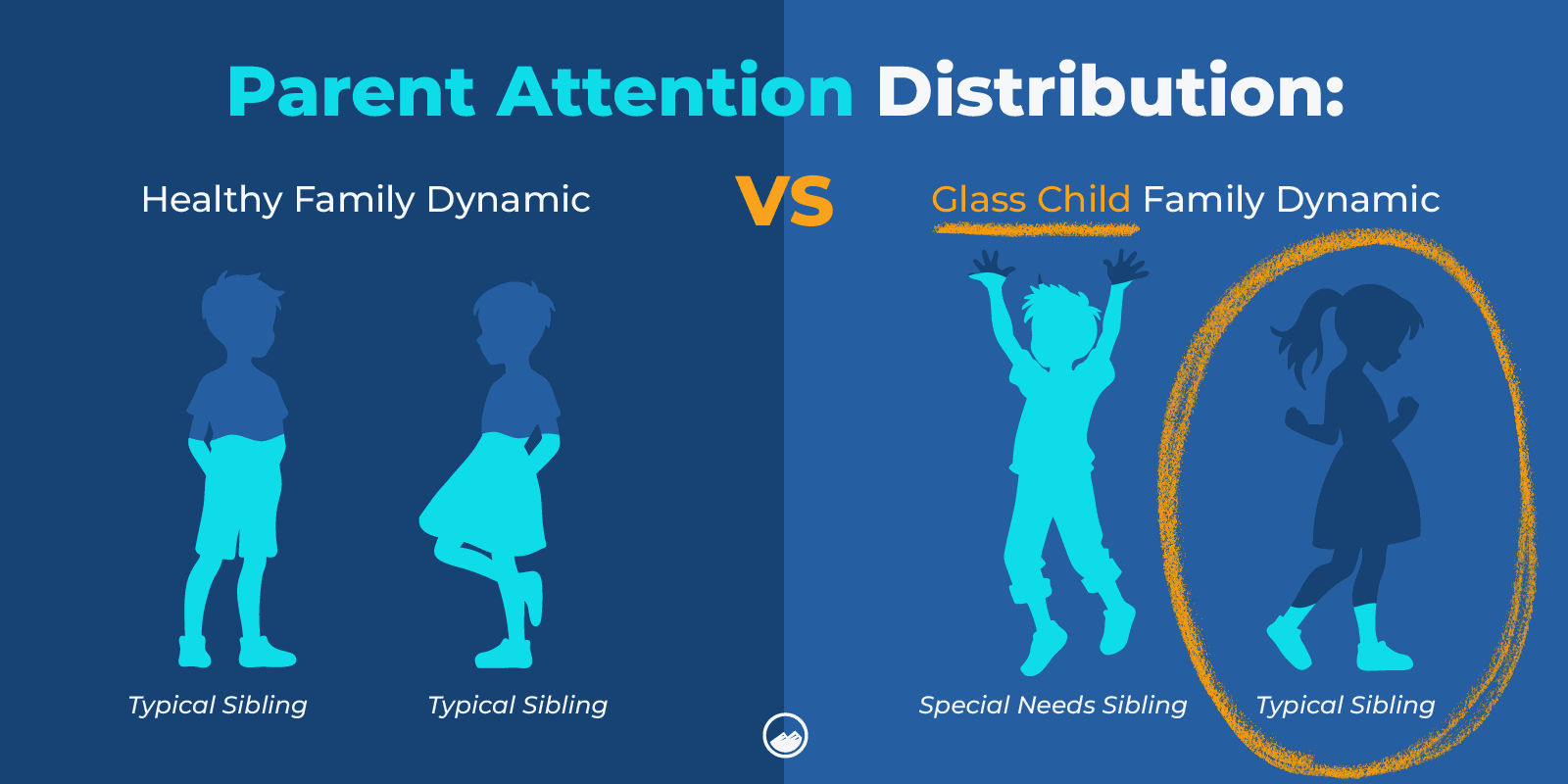
From a professional financial perspective, the glass child phenomenon represents a unique set of challenges in asset allocation, inheritance strategy, and long-term economic stability. When a family’s financial ecosystem revolves around the high cost of care for one member, the “invisible” sibling often faces a distinct set of economic pressures that can persist well into adulthood. Understanding this dynamic is essential for creating robust, equitable, and sustainable financial plans.
The Financial Architecture of the Invisible Sibling
The economic reality of a glass child begins in the household budget. In families where one child requires significant therapeutic, medical, or educational intervention, the family’s discretionary income is often redirected toward these immediate needs. This creates a “shadow” economic experience for the glass child, whose personal financial development may be deprioritized.
Identifying the Economic “Glass Child”
In a financial context, identifying the glass child involves looking at the distribution of family resources over time. While the high-need child receives the bulk of direct financial investment (private schooling, medical co-pays, specialized equipment), the glass child often becomes a “low-maintenance” asset. Professionally, this results in what we call “opportunity cost neglect.” The funds that might have gone toward a glass child’s extracurricular development, specialized tutoring, or a robust college fund are often diverted to the sibling’s survival or stabilization. Financial planners must recognize that these children often grow up with a heightened sense of financial scarcity, even in middle-to-high-net-worth households.
The Cost of Compliance: Why Silent Siblings Often Suffer Long-Term
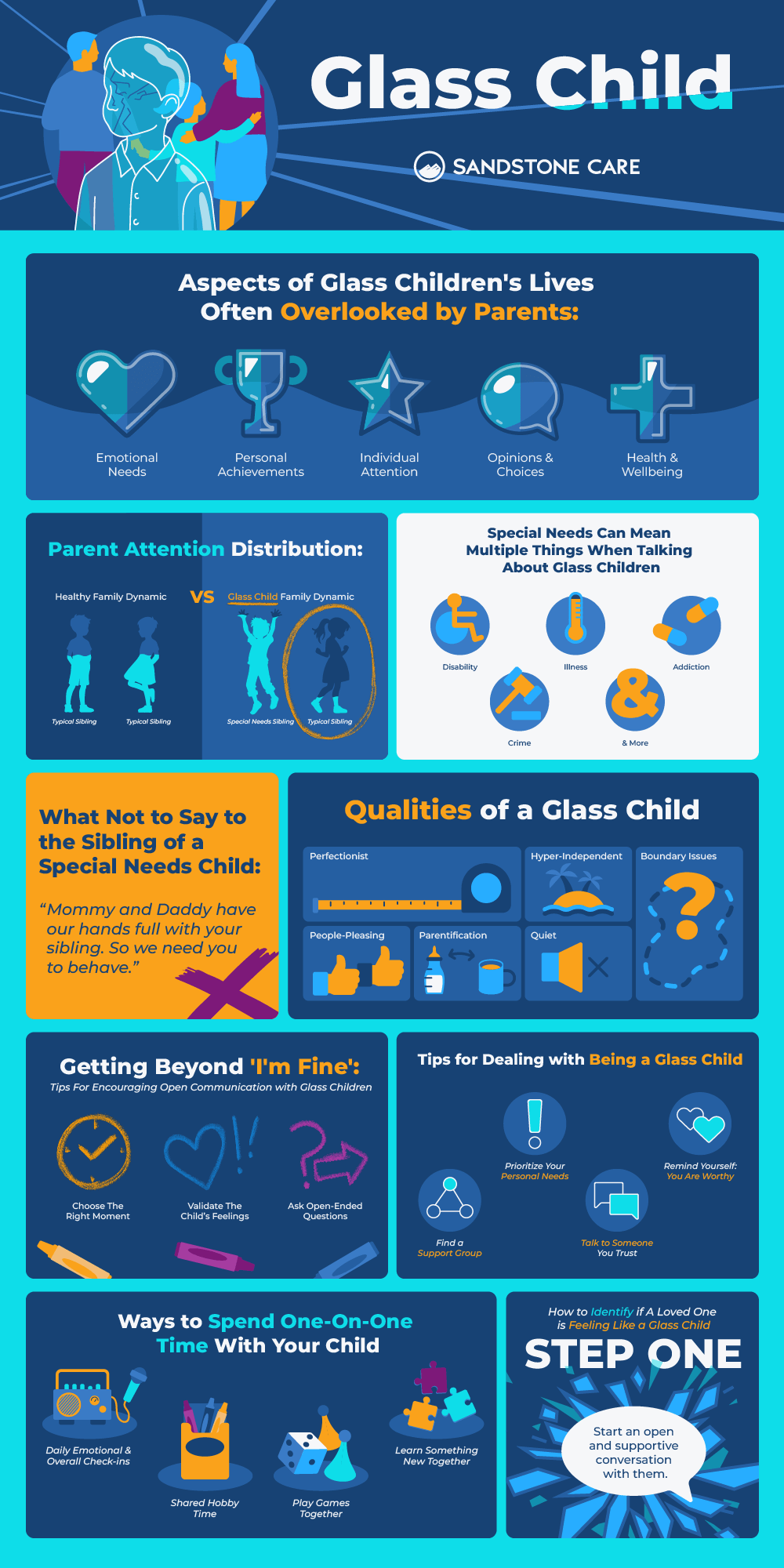
Glass children are frequently praised for being “the easy ones.” This behavioral compliance has a direct link to their future financial health. Many glass children develop an aversion to “burdening” the family, which can translate into a reluctance to ask for financial support for higher education or business ventures. Long-term, this can result in these individuals taking on higher student loan debt or missing out on early-career “seed money” that their peers in more balanced family dynamics might receive. From an advisory standpoint, the “cost of compliance” is a measurable deficit in the glass child’s early-adult net worth.
Estate Planning and Asset Allocation Challenges
One of the most friction-filled areas of financial management involves the transition of wealth from one generation to the next. When one sibling has permanent care needs, the traditional “divide everything equally” model of inheritance is often discarded, creating complex tax and emotional implications for the glass child.
The Special Needs Trust Dilemma
To protect the eligibility of a high-need child for government benefits (such as Medicaid or SSI), families often utilize Special Needs Trusts (SNTs). While these are vital financial tools, they can inadvertently create an imbalance. If a significant portion of the family’s estate is used to fund a lifetime of care for the high-need sibling, the glass child may see their inheritance significantly diminished. Professional wealth managers must help families balance the funding of an SNT with the need to provide the glass child with a “fair start” or a liquid inheritance that acknowledges their role as a future caretaker or independent adult.
Equitable vs. Equal: Navigating Inheritance Friction
In professional estate planning, there is a sharp distinction between “equal” (50/50 split) and “equitable” (fair, based on need). For a glass child, an “equitable” distribution often feels like a second-tier priority. If the family home or the bulk of the liquid assets are tied up in ensuring the high-need sibling’s quality of life, the glass child faces an “inheritance gap.” Financial advisors must use sophisticated modeling to show how life insurance products or separate investment accounts can be used to bridge this gap, ensuring that the glass child is not financially penalized for their sibling’s condition.
The Long-Term Economic Impact on the Glass Child’s Career and Savings
The “glass child” designation doesn’t end when the child reaches 18. The economic ripples extend into their professional lives, often dictating their career choices, geographical mobility, and personal savings rate.
The Burden of Future Caregiving Expectations
A significant financial liability for the adult glass child is the “implied future obligation.” As parents age, the glass child is often the default successor for the management of the high-need sibling’s care. This is not just an emotional burden; it is a financial one. It may require the glass child to live in more expensive areas to be near family, limit their career advancement if they need to take time off for caregiving, or eventually contribute their own earned income to the sibling’s support. Professional financial planning for glass children must account for this “contingent liability” in their retirement and cash-flow projections.
Psychological Barriers to Personal Financial Growth
Behavioral finance plays a large role here. Many adult glass children struggle with “survivor’s guilt” regarding their own financial success. If their sibling is living in a group home or on restricted government benefits, the glass child may feel guilty building significant wealth or spending money on luxury. This can lead to sub-optimal investment strategies or a lack of aggressive career pursuit. Financial coaching for this demographic involves deconstructing these barriers to ensure they are maximizing their own earning potential and securing their financial future.
Strategic Financial Solutions for Balanced Family Success
To mitigate the financial risks associated with being a glass child, advisors must move beyond basic budgeting and into holistic, multi-generational strategy.
Integrated Financial Planning for Every Family Member
A professional approach requires a “whole family” balance sheet. This means that while the high-need child’s medical and trust needs are met, there are specific, earmarked accounts for the glass child that are shielded from the sibling’s care costs. This might include fully funded 529 plans, early-access brokerage accounts, or even “incentive trusts” that provide the glass child with capital for home down payments or business startups. By compartmentalizing these assets early, the family ensures that the glass child’s financial trajectory is not tethered solely to the sibling’s needs.
Life Insurance as an Equalizer
In the world of sophisticated financial tools, permanent life insurance remains one of the most effective ways to solve the glass child inheritance gap. By naming the glass child as the beneficiary of a high-value policy, parents can ensure that the bulk of their current liquid estate can go toward the high-need sibling’s trust, while the life insurance payout provides the glass child with a substantial, tax-free inheritance. This creates a “win-win” scenario where the high-need sibling is cared for for life, and the glass child receives a financial foundation that acknowledges their unique position in the family.
Utilizing ABLE Accounts and Tax Incentives
For the family as a unit, maximizing tax-advantaged vehicles like ABLE (Achieving a Better Life Experience) accounts can free up other family capital. By shifting the burden of care costs to tax-advantaged accounts specifically designed for disabilities, the family preserves the “core” wealth that can be used to support the glass child’s aspirations. Professionally managing these accounts requires a deep understanding of tax law and benefit eligibility, but the payoff is a more liquid and flexible family portfolio.
Conclusion: The Professional Path Forward
The term “glass child” is more than a social label; it is a financial risk profile that requires proactive management. For parents, the goal is to ensure that the “invisible” child is given a visible and robust financial future. For the glass children themselves, the path forward involves recognizing the unique economic pressures they face and seeking professional guidance to build a financial identity independent of their family’s caregiving needs.
By implementing strategic estate planning, utilizing life insurance as an equalizer, and addressing the psychological nuances of behavioral finance, families can ensure that no child—whether high-need or “glass”—is left financially vulnerable. True wealth management is not just about growing assets; it is about ensuring those assets provide security and opportunity for every member of the family, regardless of the challenges they face.
aViewFromTheCave is a participant in the Amazon Services LLC Associates Program, an affiliate advertising program designed to provide a means for sites to earn advertising fees by advertising and linking to Amazon.com. Amazon, the Amazon logo, AmazonSupply, and the AmazonSupply logo are trademarks of Amazon.com, Inc. or its affiliates. As an Amazon Associate we earn affiliate commissions from qualifying purchases.