
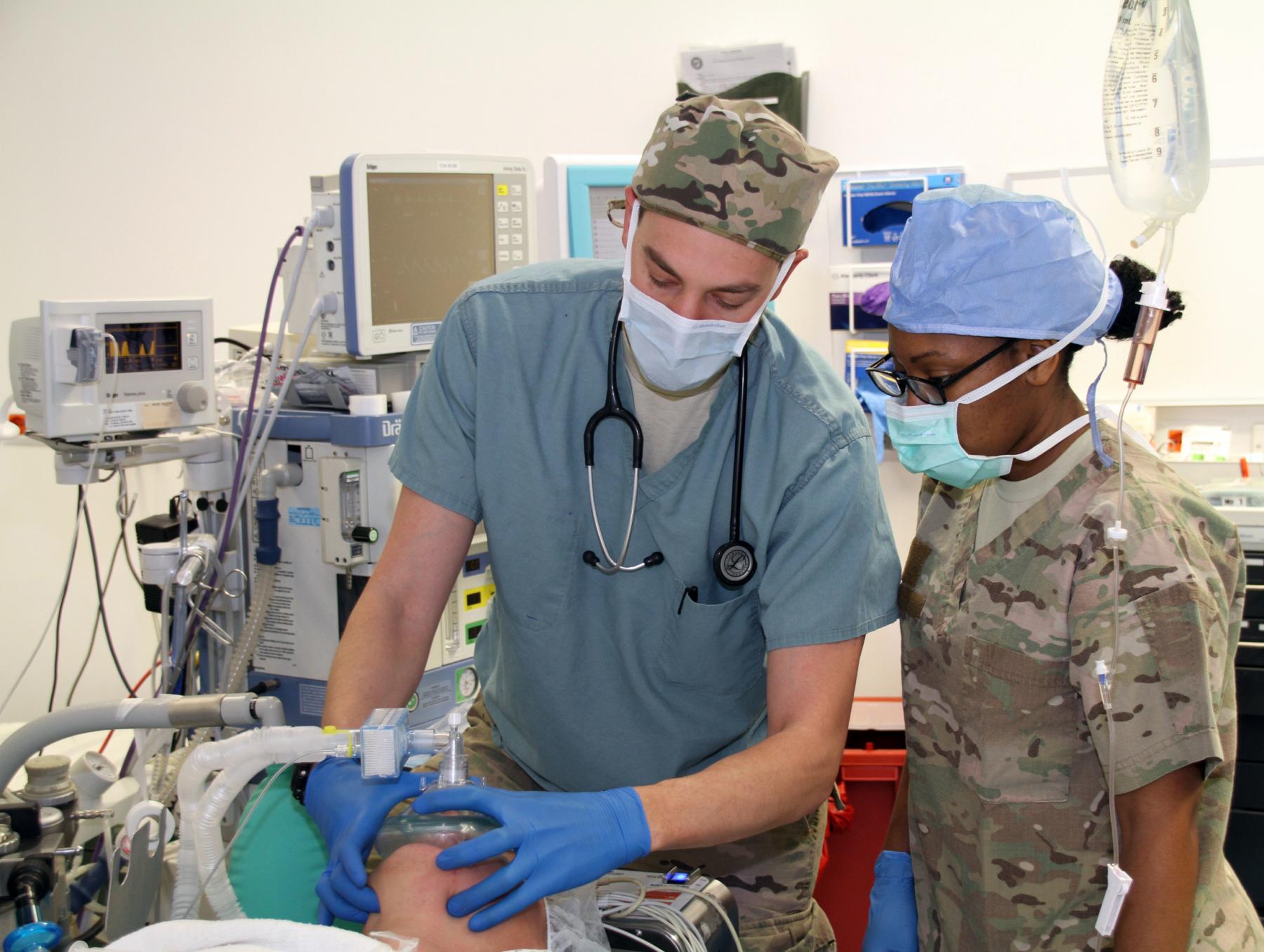
For the uninitiated, the role of an anesthesiologist is often distilled into the simple act of “putting a patient to sleep.” However, in the modern medical landscape, this description is akin to saying a commercial pilot’s only job is to flip a switch for autopilot. In reality, the modern anesthesiologist is a high-level systems engineer of the human body, operating at the intersection of advanced pharmacology and cutting-edge technology.
What anesthesiologists do today is inseparable from the digital and hardware revolutions that have transformed the operating room (OR) into one of the most technologically dense environments on the planet. From AI-driven predictive analytics to high-fidelity robotic delivery systems, technology is the primary tool that allows these specialists to maintain the delicate equilibrium between life and unconsciousness.
The Digital Cockpit: Advanced Monitoring and Real-Time Data Analytics
The modern anesthesia workstation is less of a medical desk and more of a digital cockpit. The core of an anesthesiologist’s work involves the constant synthesis of high-velocity data. Every second, dozens of sensors stream information regarding a patient’s physiological state, and the technology used to interpret this data has evolved far beyond the basic heart rate monitor.
Next-Generation Hemodynamic Monitoring
In the past, monitoring blood pressure was a periodic event. Today, anesthesiologists utilize non-invasive and minimally invasive hemodynamic monitoring systems that provide a continuous beat-to-beat analysis. Advanced sensors can now calculate stroke volume, systemic vascular resistance, and cardiac output in real-time. This allows the anesthesiologist to detect a cardiovascular trend—such as a slow decline in tissue perfusion—long before it becomes a clinical crisis. These software platforms use complex algorithms to filter out “noise” from the data, ensuring that the physician is reacting to true physiological changes rather than sensor artifacts.
The Evolution of Depth-of-Anesthesia Monitoring
One of the most significant technological leaps in the field is the development of processed electroencephalography (EEG). Devices like the Bispectral Index (BIS) monitor or the Patient State Index (PSI) translate raw brainwave activity into a simplified numerical scale. This technology allows the anesthesiologist to “see” the brain’s response to anesthetic agents. By monitoring the hypnotic component of anesthesia through digital signal processing, they can titrate medications with surgical precision, reducing the risk of accidental awareness during surgery while preventing the complications associated with “over-sedation,” such as delayed emergence or post-operative cognitive dysfunction.
Artificial Intelligence and the Rise of Predictive Perioperative Medicine
If the last decade was defined by digital monitoring, the current decade is defined by Artificial Intelligence (AI) and Machine Learning (ML). Anesthesiologists are now utilizing AI to move from reactive medicine—treating a problem after it occurs—to predictive medicine.
Predictive Analytics for Vital Sign Stability
One of the most innovative tech tools currently entering the OR is the Hypotension Prediction Index (HPI). Using machine learning models trained on hundreds of thousands of patient data points, this software can predict the likelihood of a patient’s blood pressure dropping below a safe threshold several minutes before it actually happens. By analyzing the “shape” of the arterial pressure waveform, the AI identifies subtle signatures of hemodynamic instability that are invisible to the human eye. This allows the anesthesiologist to intervene proactively, adjusting fluid levels or vasopressors to maintain stability.
AI-Assisted Closed-Loop Delivery Systems
The “Holy Grail” of anesthesia technology is the closed-loop system, often referred to as “automated anesthesia.” These systems function similarly to a car’s cruise control or an insulin pump. The system monitors a specific variable—such as the depth of hypnosis via EEG—and automatically adjusts the infusion rate of the anesthetic drug (like propofol) to maintain a target state. While the anesthesiologist remains the ultimate authority and supervisor of the system, these AI-driven tools reduce the cognitive load on the physician, allowing them to focus on more complex aspects of the surgery while the software handles the minute-to-beat adjustments.
The Pharmacological Tech Stack: Precision Drug Delivery and Imaging
What an anesthesiologist does is fundamentally rooted in the delivery of potent medications. The technology governing how these drugs are administered has undergone a radical transformation, moving away from manual calculations toward computer-assisted precision.

Target-Controlled Infusion (TCI) Pumps
In many parts of the world, anesthesiologists use Target-Controlled Infusion (TCI) systems. These are smart pumps equipped with sophisticated pharmacokinetic and pharmacodynamic models. Instead of the doctor calculating a “mg per kg” dose, they program a target plasma concentration or target brain concentration into the pump’s software. The onboard computer then calculates the initial bolus and the declining infusion rate required to maintain that exact concentration, accounting for the drug’s half-life and the patient’s age and weight. This “software-defined dosing” ensures a much smoother anesthetic profile than manual administration.
Ultrasound-Guided Regional Anesthesia (UGRA)
The “blind” techniques of the past, where doctors relied on anatomical landmarks and a “feeling” of resistance, have been largely replaced by high-resolution ultrasound technology. Anesthesiologists today are experts in sonography. Using portable, high-frequency ultrasound probes, they can visualize nerves, blood vessels, and fascia in real-time. This allows for the precise placement of local anesthetics for nerve blocks. The integration of “needle-tracking” software, which highlights the needle path on the digital screen, has significantly increased the safety and success rates of regional anesthesia, reducing the reliance on systemic opioids and improving recovery times.
Simulation and Virtual Reality: The Tech of Anesthesia Training
The expertise of an anesthesiologist is honed through a rigorous “tech stack” of educational tools. Because the OR is a high-stakes environment where mistakes can be fatal, the transition from student to practitioner is mediated by high-fidelity simulation.
High-Fidelity Patient Simulators
Modern medical schools and residency programs use mannequins that are, in essence, highly advanced robots. These simulators possess “digital lungs” that exchange gases, “digital hearts” that respond to over 100 different medications, and eyes that react to light. Anesthesiologists train on these devices to practice handling rare emergencies, such as malignant hyperthermia or a “cannot intubate, cannot ventilate” scenario. The software controlling these mannequins records every action the physician takes, providing a data-driven debrief that is essential for mastering the high-stress environment of the OR.
VR and AR in Pre-Operative Planning
Virtual Reality (VR) and Augmented Reality (AR) are beginning to play a role in how anesthesiologists prepare for complex cases. For patients with difficult airways or complex thoracic anatomy, doctors can use VR to walk through a 3D reconstruction of the patient’s internal anatomy derived from CT or MRI scans. This allows them to “test” different intubation tools or surgical approaches in a virtual environment before the patient ever enters the room. This use of “digital twins” in anesthesia represents the frontier of personalized surgical care.
Cybersecurity and the Future of the Connected Operating Room
As the tools anesthesiologists use become more connected, the niche of medical technology has had to pivot toward cybersecurity. What an anesthesiologist does now includes ensuring the digital integrity of the systems keeping the patient alive.
Protecting the Internet of Medical Things (IoMT)
The modern OR is a network of interconnected devices. The anesthesia machine, the patient monitors, the electronic health record (EHR), and the infusion pumps all talk to each other. This connectivity allows for seamless data logging, but it also introduces vulnerabilities. Tech-forward anesthesiology departments are now working closely with IT security experts to implement “Zero Trust” architectures. This ensures that a malware attack on a hospital’s administrative network cannot jump to the life-support systems of the anesthesia workstation.
The Move Toward Interoperability
The future of the field lies in total device interoperability. Currently, many devices in the OR operate in “silos,” with data trapped inside proprietary software. The next technological hurdle is the creation of a universal “data bus” for the OR, where every sensor and pump can communicate regardless of the manufacturer. This would allow for a “Whole-OR” AI that could correlate surgical events (like the surgeon clamping a major vessel) with anesthetic responses (a sudden rise in blood pressure) to provide a holistic view of patient health.

Conclusion: The Physician as a Technologist
The question of “what anesthesiologists do” can no longer be answered without a deep dive into the technology they command. They are the primary adopters of AI, robotics, and advanced data visualization in the clinical setting. By leveraging these tech tools, anesthesiologists have turned surgery from a perilous gamble into a remarkably safe science.
As we look toward the future, the role will continue to evolve alongside the tech. The anesthesiologist of tomorrow may spend less time manually adjusting dials and more time managing a suite of autonomous systems, acting as the human supervisor of a complex, AI-driven life-support network. In the high-stakes world of the operating room, technology isn’t just an assistant; it is the lens through which the anesthesiologist sees, understands, and protects the human life in their care.
aViewFromTheCave is a participant in the Amazon Services LLC Associates Program, an affiliate advertising program designed to provide a means for sites to earn advertising fees by advertising and linking to Amazon.com. Amazon, the Amazon logo, AmazonSupply, and the AmazonSupply logo are trademarks of Amazon.com, Inc. or its affiliates. As an Amazon Associate we earn affiliate commissions from qualifying purchases.