
In the realm of personal finance, the transition into the “senior” demographic is often viewed through a lens of lifestyle changes or retirement planning. However, one of the most immediate and tangible shifts occurs in the realm of purchasing power. The “senior discount” is not merely a polite gesture from retailers; it is a significant financial tool that, when leveraged strategically, can preserve capital and enhance cash flow during one’s later years.
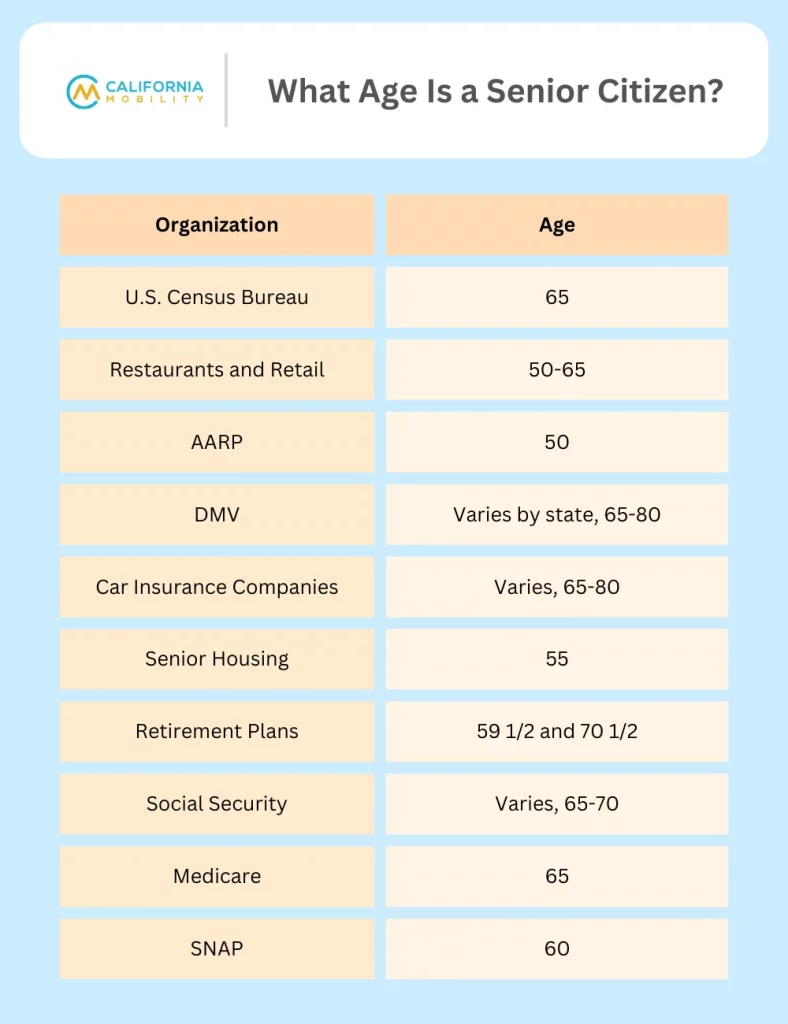
The question of “what age is a senior discount” does not have a singular answer. Instead, it represents a tiered system of financial milestones that begin as early as 50 and extend into the mid-60s. Understanding these thresholds and integrating them into a broader financial strategy is essential for anyone looking to optimize their personal wealth management.
Understanding the Threshold: When Does Senior Status Begin in Finance?
The definition of a “senior” is remarkably fluid in the world of commerce and finance. For the savvy consumer, recognizing these age milestones is the first step in a broader strategy of fiscal optimization.
The Variable Definition of “Senior”
In the United States and many other Western economies, the age for senior discounts typically falls into three main buckets: 50, 55, and 62/65.
-
Age 50: This is the primary entry point for many financial benefits, largely driven by organizations like AARP. While 50 is far from the traditional retirement age, it marks the beginning of eligibility for a vast array of travel, insurance, and retail discounts.
-
Age 55 to 60: Many private retailers and restaurant chains set their threshold here. This is often the “sweet spot” for those in the pre-retirement phase who are looking to aggressively save or bridge the gap toward full retirement.
-
Age 62 to 65: This tier is generally reserved for government-related benefits, including National Park passes, public transit reductions, and, most significantly, the age of eligibility for various social safety nets and healthcare programs.
Strategic Timing: Preparing Before You Reach the Age
Waiting until the day you turn 65 to look for discounts is a missed financial opportunity. Strategic personal finance involves “discount mapping”—identifying the recurring costs in your budget (such as groceries, travel, and insurance) and noting the exact dates when you can shift those expenses to a lower-cost tier. By integrating these future savings into your 10-year financial plan, you can more accurately project your retirement “burn rate” and adjust your investment contributions accordingly.
Maximizing Purchasing Power: Categories of Senior Savings
To truly impact your net worth, senior discounts should be viewed as a form of “tax-free income.” Every dollar saved on a necessary expense is a dollar that remains in your investment portfolio, continuing to compound.
Travel and Transportation Perks
For many seniors, travel is a primary objective in retirement. It is also one of the most significant areas for savings.
-
Airlines and Rail: While many airlines have phased out “blanket” senior fares, significant savings still exist through specific memberships or by booking through specialized portals. Amtrak, for instance, offers a 10% discount to those 65 and older on most rail fares.
-
Lodging: Major hotel conglomerates frequently offer 10% to 15% discounts for guests over 62. When applied to a two-week vacation, these savings can represent hundreds of dollars in preserved capital.
Retail and Grocery Strategies
Inflation often hits seniors on a fixed income the hardest. Grocery and retail discounts act as a hedge against rising costs.
-
Designated Discount Days: Many grocery chains and department stores (such as Kohl’s or Ross) offer specific days—often Tuesdays or Wednesdays—where seniors can receive 10% to 15% off their entire purchase.
-
Bulk Purchasing: Combining senior discounts with membership in warehouse clubs can lead to a drastic reduction in the “cost per unit” for household essentials, freeing up liquidity for other financial goals.
Dining and Leisure: Stretching the Entertainment Budget
Lifestyle maintenance is a key part of personal finance. Senior discounts at restaurants and entertainment venues (such as movie theaters and museums) allow for a high quality of life without depleting discretionary funds. The key here is “lifestyle arbitrage”—choosing to dine or visit venues during off-peak hours when senior specials are most prevalent, thereby receiving the same value for a fraction of the cost.

Financial Management Beyond the Discount
While saving 10% on a meal is beneficial, the true power of senior status lies in how these savings interact with broader financial tools and technology.
The Impact of Small Savings on Long-Term Capital
The “Latte Factor,” a concept popularized by financial experts, applies equally to senior discounts. If a household saves $100 a month through various senior discounts and diverts that money into a high-yield savings account or a conservative index fund, the cumulative effect over 15 to 20 years is substantial. In a professional financial plan, these “found” funds are often earmarked for a specific purpose, such as a legacy fund for grandchildren or an emergency healthcare reserve.
Leveraging Technology for Financial Optimization
The modern senior is digitally savvy, and technology is a force multiplier for personal finance.
-
Browser Extensions and Apps: Using digital tools that automatically apply senior-eligible promo codes at checkout can ensure no savings are left on the table.
-
Digital Wallets: Organizing digital membership cards (like AARP or AMAC) in a smartphone wallet ensures that the discount is always accessible, preventing the “forgotten discount” that often occurs with physical cards.
-
Cash-Back Integration: The most sophisticated financial strategy involves “stacking.” This is the practice of using a senior discount, paying with a cash-back credit card, and then scanning the receipt into a rebate app. This triple-threat approach can sometimes result in a 20% to 30% total reduction in cost.
Navigating the Complexities of Healthcare and Insurance Discounts
As an individual ages, the composition of their expenses shifts. Healthcare and insurance become dominant line items. Managing these through the lens of senior-specific financial products is a necessity.
Medicare-Related Savings and Supplemental Plans
Age 65 marks the transition to Medicare, a massive shift in personal financial planning. Beyond the basic coverage, many “Medicare Advantage” plans include additional “discounts” that are essentially financial perks. These include fitness memberships (like SilverSneakers), over-the-counter pharmacy allowances, and even transportation assistance for medical appointments. These perks reduce the “out-of-pocket” medical expenses that often derail a retirement budget.
Insurance Premium Reductions for Mature Drivers
Insurance companies view older adults as a lower-risk demographic, provided they maintain a good record. Many insurers offer a “mature driver” discount for those over 55 who complete a certified defensive driving course. This is a prime example of “active financial management”—taking a small action (a 4-hour course) to yield a multi-year recurring reduction in fixed costs.
Building a Sustainable Financial Future with Senior Benefits
Senior discounts are the “micro” level of a “macro” financial strategy. The final stage of maximizing this age-based status involves understanding government-level financial advantages.
Tax Advantages and Exemptions for Older Adults
Many jurisdictions offer significant financial relief to seniors that far outweighs a retail discount.
-
Property Tax Relief: Many states offer property tax freezes or homestead exemptions for seniors, which can save thousands of dollars annually. This is perhaps the most significant “senior discount” available, as it directly protects the individual’s most valuable asset.
-
Higher Standard Deductions: The IRS provides a higher standard deduction for taxpayers aged 65 or older. This reduces taxable income, effectively providing a “discount” on one’s tax bill.

Reinvesting Your “Found Money”
The hallmark of professional personal finance is the intentionality of every dollar. The “senior discount” strategy should not simply result in more consumption. Instead, the savings should be tracked and reassigned. Whether it is used to offset the rising cost of long-term care insurance or to fund a Roth IRA conversion, the goal is to turn “discounts” into “wealth.”
In conclusion, the question “what age is senior discount” is the gateway to a sophisticated approach to late-stage personal finance. By recognizing the various age milestones—from the early 50s to the mid-60s—and systematically applying discounts to every category of spending, the modern senior can significantly extend the life of their retirement nest egg. It is not about “saving pennies”; it is about the strategic management of capital in a way that honors a lifetime of hard work and ensures a stable, prosperous future.
aViewFromTheCave is a participant in the Amazon Services LLC Associates Program, an affiliate advertising program designed to provide a means for sites to earn advertising fees by advertising and linking to Amazon.com. Amazon, the Amazon logo, AmazonSupply, and the AmazonSupply logo are trademarks of Amazon.com, Inc. or its affiliates. As an Amazon Associate we earn affiliate commissions from qualifying purchases.