
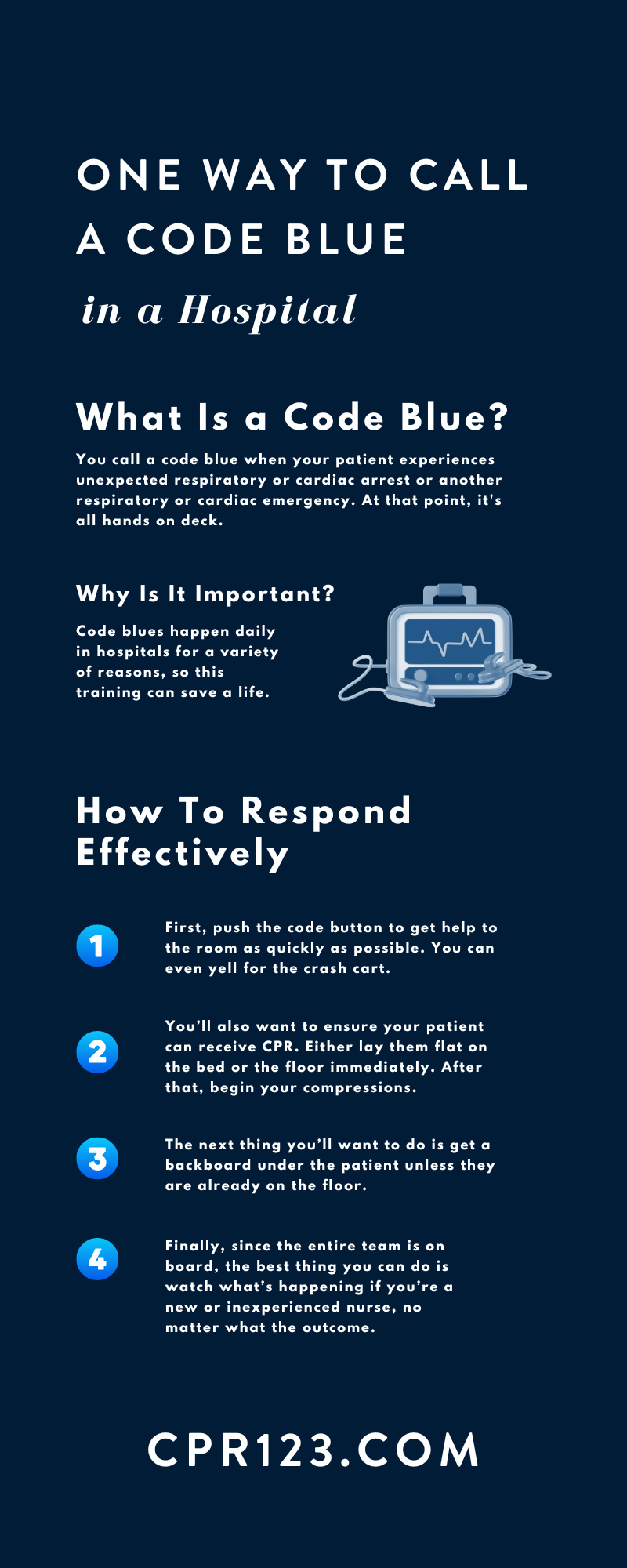
In the sterile, high-stakes environment of a modern hospital, the overhead announcement of “Code Blue” triggers an immediate, synchronized sprint. It signifies a patient is in cardiac or respiratory arrest; the “system” of the human body has failed, and every second counts toward resuscitation. In the world of enterprise technology, the term has been adopted metaphorically to describe a critical system failure—a catastrophic outage where a platform, database, or network “flatlines.”
When a global financial gateway goes offline, or a healthcare provider’s patient records database becomes inaccessible, it is a digital Code Blue. Just as medical professionals use defibrillators and epinephrine to restore a heartbeat, Site Reliability Engineers (SREs) and DevOps teams use specialized software, AI-driven diagnostics, and rigorous protocols to bring “dead” systems back to life. Understanding what a Code Blue means in a tech context is essential for any organization that treats its digital uptime as a matter of life or death.
Defining the Digital Code Blue: When Systems Flatline
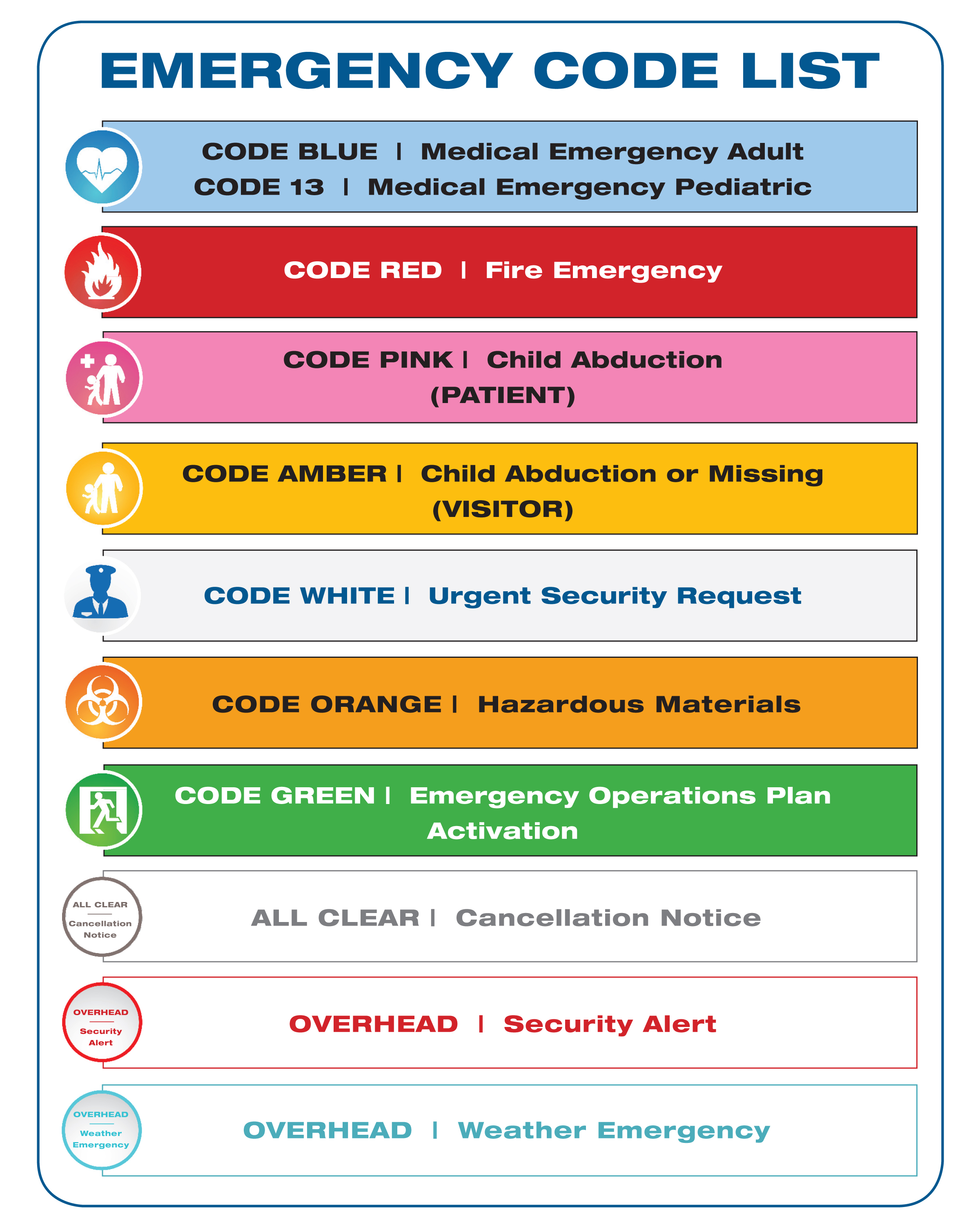
In technology, not every bug is a Code Blue. A minor glitch in a user interface is a “Code Green”—a nuisance, but not a threat. A true digital Code Blue is categorized as a P0 or Sev1 incident: a Critical Priority event where core functionality is lost, and the business’s “heart” stops beating.
The Anatomy of a High-Severity Incident (Sev1)
A digital Code Blue occurs when a system’s primary functions are entirely unreachable. This might be caused by a massive DDoS attack, a corrupted database migration, or a failure in the cloud service provider’s regional availability zone. Unlike a standard software patch, a Sev1 incident requires the immediate assembly of an emergency response team. In this state, the cost of downtime is measured not just in dollars—though that can reach millions per hour—but in “data mortality” and loss of institutional trust.
From Cardiac Arrest to Server Downtime: Parallel Urgency
The parallels between medical and technical Code Blues are striking. In a hospital, the goal is to restore circulation and oxygenation. In tech, the goal is to restore “packet flow” and “data integrity.” Both scenarios suffer from the “Golden Hour” principle—the longer the system remains down, the more permanent the damage becomes. In a database failure, prolonged downtime increases the risk of “data rot” or irreversible synchronization conflicts between servers. The urgency is visceral; the “crash cart” in this instance is a suite of recovery tools and the collective expertise of the engineering team.
The Technology Stack of Modern Emergency Response
To handle a Code Blue effectively, organizations no longer rely on manual observation. The modern “digital hospital” uses a sophisticated tech stack designed to detect the earliest signs of a system “arrhythmia” before the total collapse occurs.
AI-Powered Monitoring and Predictive Analytics
The first line of defense is AIOps (Artificial Intelligence for IT Operations). Tools like Datadog, New Relic, and Dynatrace act as the EKG monitors of the tech world. These platforms use machine learning to establish a “baseline” of healthy system behavior. When they detect an anomaly—such as a sudden spike in CPU usage or a micro-delay in API response times—they trigger alerts.
Predictive analytics can often identify a pending Code Blue before it happens. For example, if a storage volume is filling up at an exponential rate, the AI can predict exactly when the “cardiac arrest” will occur, allowing engineers to intervene (by expanding storage or purging logs) before the system actually crashes.
Incident Management Software and Communication Hubs
When a system flatlines, the “overhead announcement” happens via incident management software like PagerDuty or Opsgenie. These tools ensure that the right “specialists”—the database administrators, security experts, and network engineers—are paged instantly based on on-call rotations.
Communication during a Code Blue is handled through dedicated “War Rooms” in Slack or Microsoft Teams. Integration bots automatically feed real-time telemetry into these channels, providing the team with a continuous stream of “vital signs.” This ensures that everyone, from the junior engineer to the CTO, has a single source of truth regarding the system’s status.

The Protocol: Resuscitation for Enterprise Systems
Once the alarm is sounded, the response must be disciplined and methodical. In a hospital, there is no room for panic or uncoordinated action; the same applies to the server room.
The Role of the Incident Commander
In any digital Code Blue, a specific individual is designated as the “Incident Commander” (IC). This person is not necessarily the most senior engineer, but rather the person responsible for the “code.” The IC does not fix the code themselves; instead, they direct traffic. They assign tasks, manage communications with stakeholders, and prevent “too many cooks in the kitchen.”
The IC ensures that the team follows the “SOPs” (Standard Operating Procedures). For instance, if a server cluster is failing, the IC might order a “failover” to a secondary region. This is the digital equivalent of a bypass surgery—rerouting the lifeblood of the system through a different path to keep the organism alive.
Automated Recovery and Self-Healing Architectures
The most advanced tech environments utilize “self-healing” architectures. Through container orchestration tools like Kubernetes, a system can automatically detect when a specific “pod” or service has died and immediately spin up a healthy replacement.
This is the tech version of an automated external defibrillator (AED). If the system can detect its own failure and apply a pre-programmed “shock” to restart the service, a human-led Code Blue may be avoided entirely. However, when the failure is systemic—such as a core logic error in the codebase—automation can sometimes make the problem worse, requiring a human expert to step in and perform “manual surgery” on the code.
Post-Mortem Analysis: Learning from Digital Mortality
In the medical field, every Code Blue is followed by a debriefing to understand what went wrong. In the tech industry, this is known as the “Post-Mortem” or Root Cause Analysis (RCA). This phase is arguably the most critical for the long-term health of the organization.
Root Cause Analysis (RCA) and Blameless Culture
A successful tech organization practices “Blameless Post-Mortems.” The goal is not to find a “scapegoat” who pushed a bad line of code, but to identify the systemic vulnerabilities that allowed the “Code Blue” to occur. Was there a lack of automated testing? Was the monitoring system too slow to alert the team?
By asking the “Five Whys,” engineers can dig deep into the infrastructure’s weaknesses. If the system crashed because a database was overloaded, why was the database overloaded? Because a new feature was launched without a load test. Why was it launched without a load test? Because the CI/CD pipeline lacked a mandatory testing gate. Fixing the pipeline is the “cure” that prevents the next “heart attack.”
Strengthening the Infrastructure Immune System
Finally, the insights gained from a Code Blue are used to build a more resilient “immune system.” This often involves the implementation of “Chaos Engineering,” a practice pioneered by Netflix. In Chaos Engineering, teams intentionally inject small failures into their systems during business hours to see how the infrastructure reacts.
By practicing for a Code Blue in a controlled environment, the engineering team builds “muscle memory.” They ensure that their monitoring tools work, their communication channels are clear, and their failover protocols are foolproof. In the end, the goal of any tech organization is to move from a “reactive” state—constantly responding to emergencies—to a “proactive” state, where the system is robust enough to survive the digital equivalent of a massive trauma.
In conclusion, a “Code Blue” in the hospital of technology is a moment of extreme tension that tests the limits of an organization’s tools, protocols, and culture. By leveraging AI-driven monitoring, disciplined incident response protocols, and rigorous post-mortem analysis, tech leaders can ensure that even when their systems flatline, the resuscitation is swift, effective, and ultimately leads to a stronger, more resilient digital organism. In an era where society depends on the “uptime” of digital systems for everything from banking to emergency services, mastering the art of the Tech Code Blue is no longer optional—it is a foundational requirement for the modern enterprise.
aViewFromTheCave is a participant in the Amazon Services LLC Associates Program, an affiliate advertising program designed to provide a means for sites to earn advertising fees by advertising and linking to Amazon.com. Amazon, the Amazon logo, AmazonSupply, and the AmazonSupply logo are trademarks of Amazon.com, Inc. or its affiliates. As an Amazon Associate we earn affiliate commissions from qualifying purchases.