
In the complex intersection of public health, law enforcement, and global economics, the classification of controlled substances serves as more than just a legal definition—it acts as a primary driver of market behavior, government spending, and pharmaceutical innovation. To understand “what drug class is heroin,” one must look beyond the chemical structure and into the administrative framework of the Controlled Substances Act (CSA) of 1970.
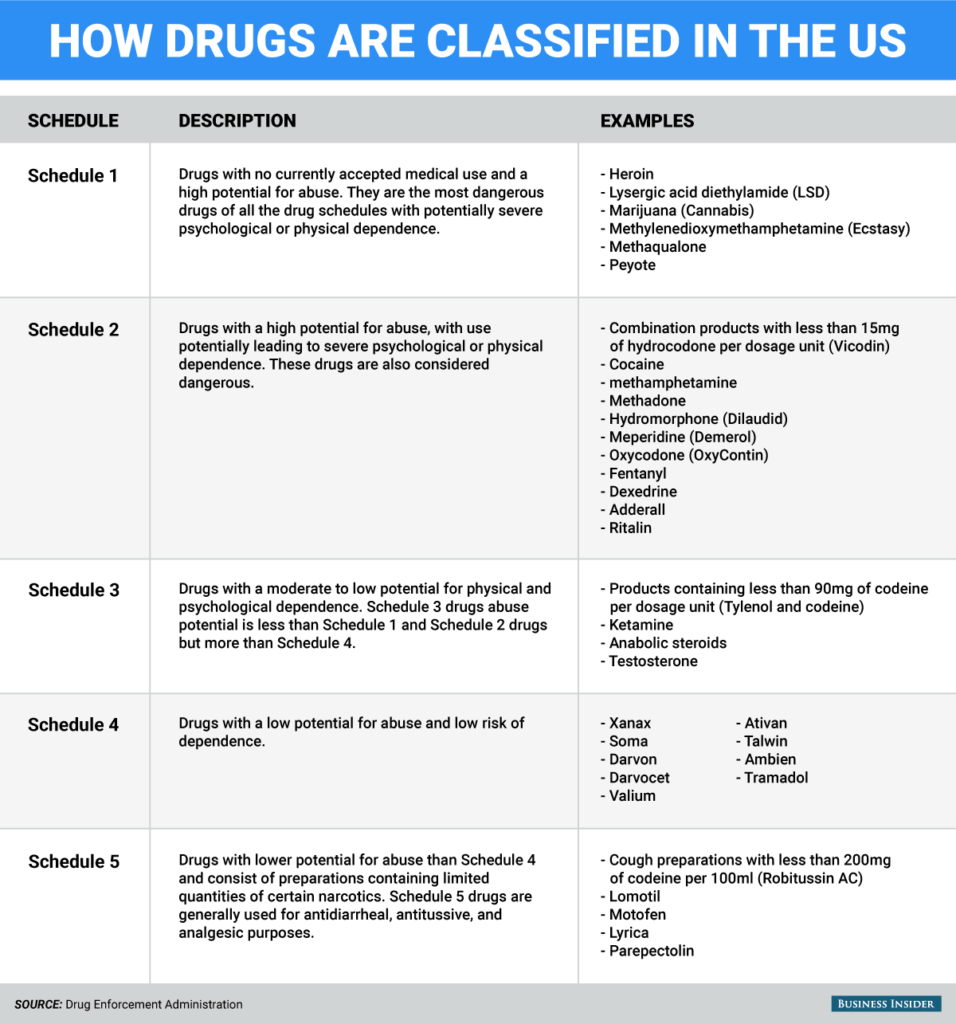
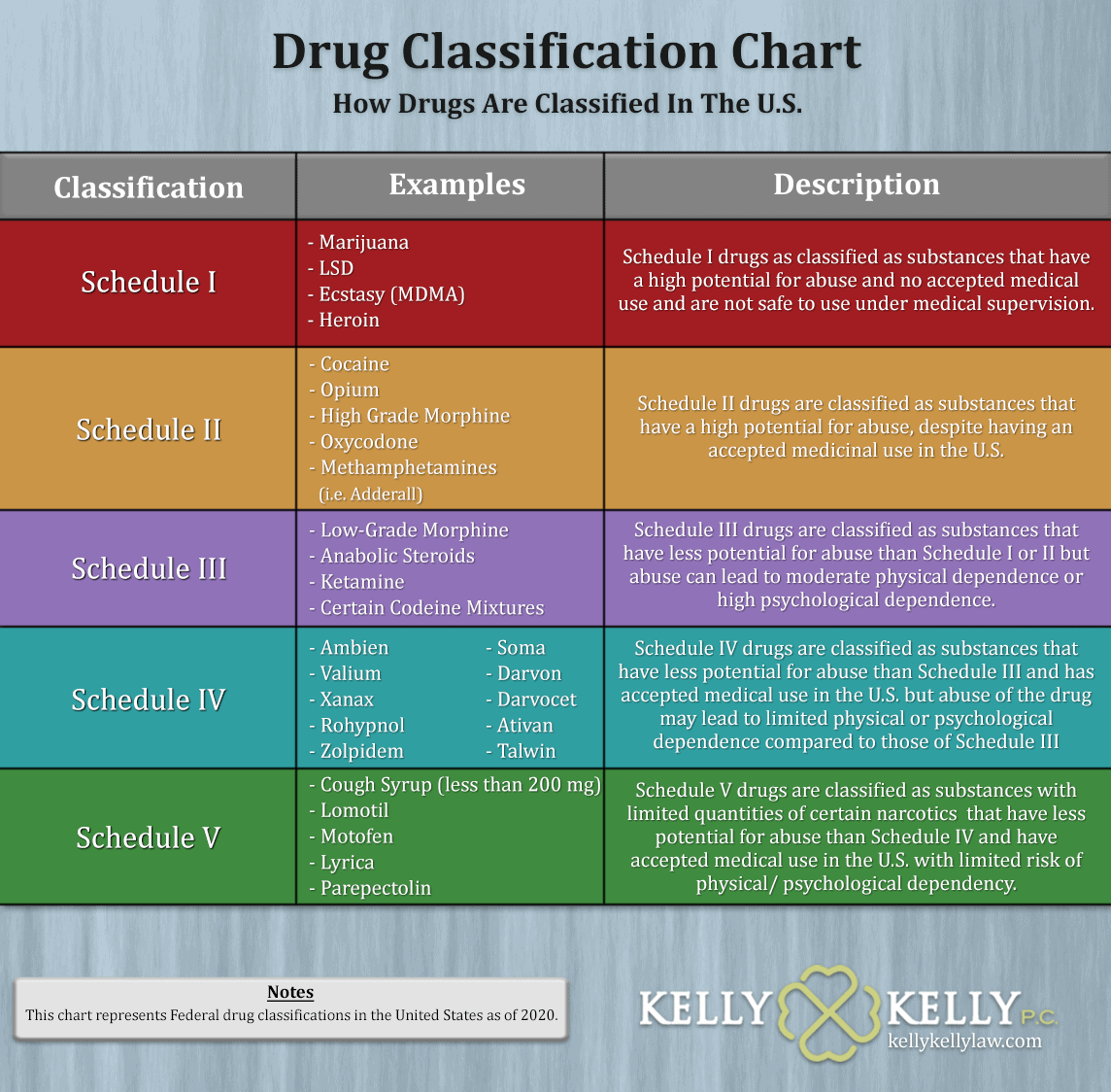
Heroin is officially categorized as a Schedule I controlled substance. This designation is the most restrictive tier in the United States regulatory system, reserved for drugs with a high potential for abuse, no currently accepted medical use in treatment, and a lack of accepted safety for use under medical supervision. While this classification is a matter of public safety, its primary ripples are felt in the “Money” sector: from the billions of dollars in lost economic productivity to the massive shifts in pharmaceutical investment and the burgeoning private equity interest in the addiction recovery market.
The Regulatory Framework: Defining Schedule I and Its Financial Barriers
The classification of heroin as Schedule I is the cornerstone of its economic profile. Unlike Schedule II drugs (such as fentanyl or oxycodone), which have a recognized medical application and can therefore be legally manufactured, branded, and sold by pharmaceutical companies, heroin is commercially “dead.”
The Cost of Restricted Research
Because heroin is in the most restricted class, the financial barriers to researching its potential derivatives or its effects are astronomical. For a biotech firm or a university to study a Schedule I substance, they must navigate a gauntlet of DEA registrations and high-security storage requirements. This “regulatory tax” discourages private investment. In the world of venture capital and pharmaceutical R&D, money flows toward the path of least resistance. The Schedule I status effectively blacklists heroin from the traditional innovation pipeline, ensuring that any financial activity associated with the substance remains either in the realm of government-funded enforcement or the illicit underground economy.
Federal Funding and the “War on Drugs” Budget
From a budgetary perspective, the classification of heroin dictates the allocation of billions in federal and state funds. Because it is Schedule I, the primary fiscal response is “interdiction” rather than “regulation.” This fuels the multi-billion dollar budgets of the DEA, Customs and Border Protection (CBP), and local law enforcement agencies. For investors and policy analysts, this represents a massive “opportunity cost.” Money spent on the enforcement of a Schedule I classification is money that is not being cycled back into the taxable, legitimate economy through retail or regulated pharmaceutical sales.
The Ripple Effect: How Heroin’s Classification Shapes the Pharmaceutical Industry
The economic history of the 21st century cannot be written without mentioning the opioid crisis. The classification of heroin as an illegal, non-prescription substance inadvertently created a vacuum that the legal pharmaceutical industry sought to fill, leading to profound financial consequences for some of the world’s largest companies.
Competitive Dynamics and Opioid Alternatives
When the medical community sought to treat chronic pain in the 1990s, they could not turn to heroin due to its Schedule I status. This led to the aggressive branding and marketing of Schedule II opioids like OxyContin. The financial incentive was clear: if a drug is Schedule II, it can be patented, branded, and sold for a profit. The “Money” story here is one of market substitution. By keeping heroin off the legal market, the regulatory system created a “moat” for synthetic, legal opioids, which eventually became a multi-billion dollar industry before the tide turned toward litigation.
Liability and Litigation: The Billions Lost in Settlements
The classification of heroin also plays a pivotal role in the legal frameworks used to sue pharmaceutical manufacturers. As heroin use surged as a cheaper alternative to diverted prescription pills, the legal “causation” link was established. In recent years, companies like Johnson & Johnson, AmerisourceBergen, and Cardinal Health have agreed to settlements totaling over $26 billion to resolve claims regarding their role in the opioid epidemic. This represents one of the largest transfers of wealth from the corporate sector to the public sector in history, all stemming from the regulatory distinctions between different classes of drugs.
Macroeconomics of the Opioid Crisis: A Multi-Billion Dollar Burden
When we discuss the “Money” niche in the context of heroin’s drug class, we must address the macro-economic burden placed on the national economy. The Centers for Disease Control and Prevention (CDC) estimates that the “economic burden” of prescription opioid misuse and heroin addiction in the United States is over $1 trillion annually when accounting for healthcare costs, lost productivity, and criminal justice expenses.
Healthcare Expenditure and Insurance Premiums
The Schedule I status of heroin means that when an individual suffers from an overdose or long-term health complications, the cost of care is often absorbed by the public health system (Medicaid/Medicare) or passed on to private insurers. Because there is no “regulated” version of the drug, the health outcomes are significantly more volatile and expensive than those of regulated substances. For the financial sector, this manifests as rising insurance premiums for employers and a significant strain on the fiscal health of state governments.
Lost Productivity and the Workforce Crisis
Perhaps the most significant “Money” impact is the loss of human capital. Heroin addiction primarily affects the working-age population. The classification of the drug as a criminalized Schedule I substance often leads to incarceration rather than rehabilitation, further removing individuals from the tax-paying workforce. Economists track “Labor Force Participation Rates” closely; the prevalence of heroin and other opioids has been cited by the Federal Reserve as a key factor in the declining participation of prime-age workers, which in turn stifles GDP growth.
Investing in the Solution: The Rise of the Recovery and MedTech Sectors
While the classification of heroin represents a drain on the traditional economy, it has catalyzed the growth of a specialized “Recovery Economy.” As the public and private sectors pivot toward harm reduction, new investment opportunities have emerged in healthcare services and financial tools.
Private Equity and the Rehabilitation Boom
Over the last decade, private equity firms have poured billions into the addiction treatment industry. With the passage of the Affordable Care Act and the Mental Health Parity and Addiction Equity Act, insurance providers are now required to cover substance abuse treatment. This transformed “rehab” from a niche service into a scalable, high-margin business model. Investors are consolidating independent clinics into national chains, betting on the long-term demand for services necessitated by the prevalence of Schedule I and II substances.
Digital Health and Overdose Prevention as a Market Opportunity
The tech and money sectors are merging to address the heroin crisis through “MedTech.” Companies are developing wearable devices that detect respiratory depression (a sign of overdose) and mobile apps that connect users with peer support and Narcan (Naloxone) distribution. From an investment standpoint, the “Harm Reduction” market is seeing a surge in Series A and B funding. Naloxone, once a niche hospital drug, has become a retail product with significant revenue projections for companies like Emergent BioSolutions. This shift highlights how a substance’s classification as a “public health crisis” can create entirely new market categories for savvy investors.

Conclusion: The Bottom Line of Schedule I
Understanding that heroin is a Schedule I drug is essential for anyone analyzing the financial landscape of modern healthcare and government policy. This classification does not just exist in a vacuum of law; it dictates where tax dollars are spent, which pharmaceutical products are viable, and how trillions of dollars in economic value are either preserved or lost.
From the perspective of personal finance and macroeconomics, the classification of heroin serves as a reminder that regulation is the ultimate “market maker.” As long as heroin remains in the Schedule I class, the economic story will be one of high enforcement costs, massive litigation, and a desperate search for profitable solutions in the recovery and MedTech sectors. For the astute observer in the “Money” niche, the drug class of heroin is a fundamental metric in assessing the fiscal health of a nation and the future of the healthcare industry.
aViewFromTheCave is a participant in the Amazon Services LLC Associates Program, an affiliate advertising program designed to provide a means for sites to earn advertising fees by advertising and linking to Amazon.com. Amazon, the Amazon logo, AmazonSupply, and the AmazonSupply logo are trademarks of Amazon.com, Inc. or its affiliates. As an Amazon Associate we earn affiliate commissions from qualifying purchases.